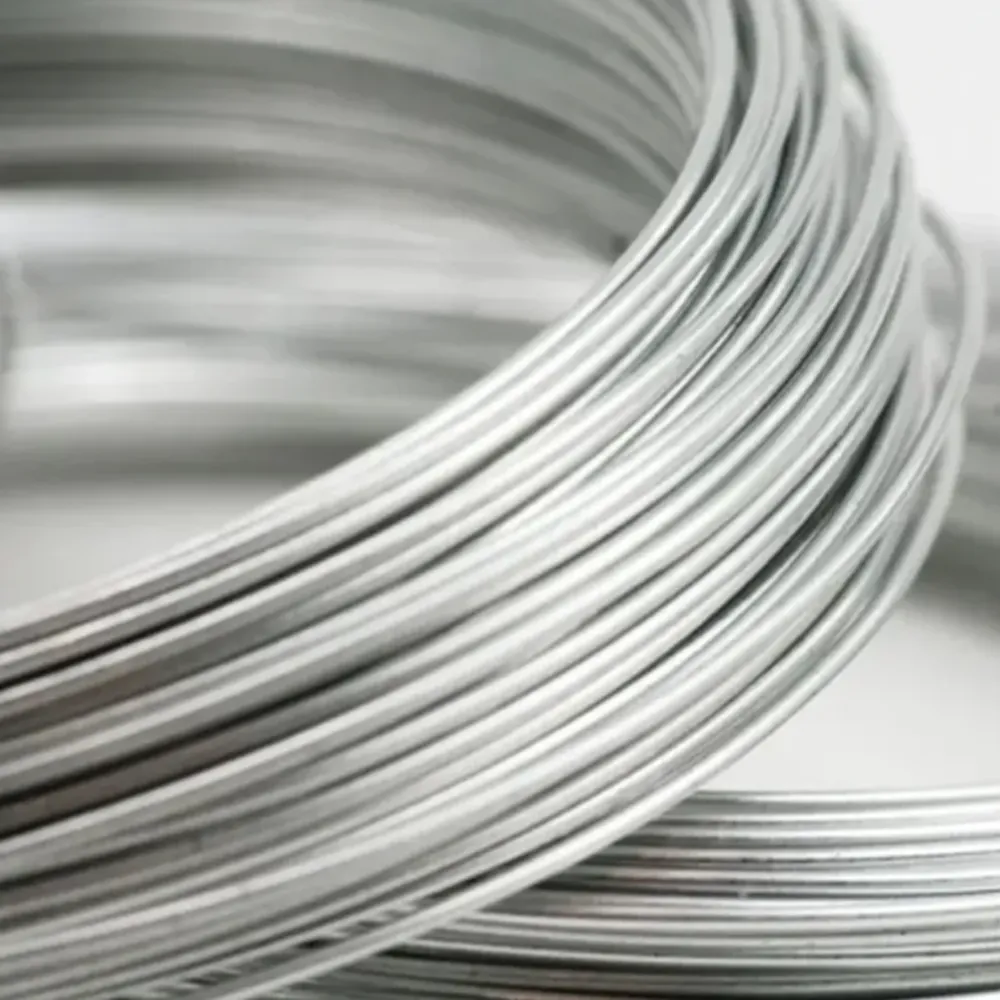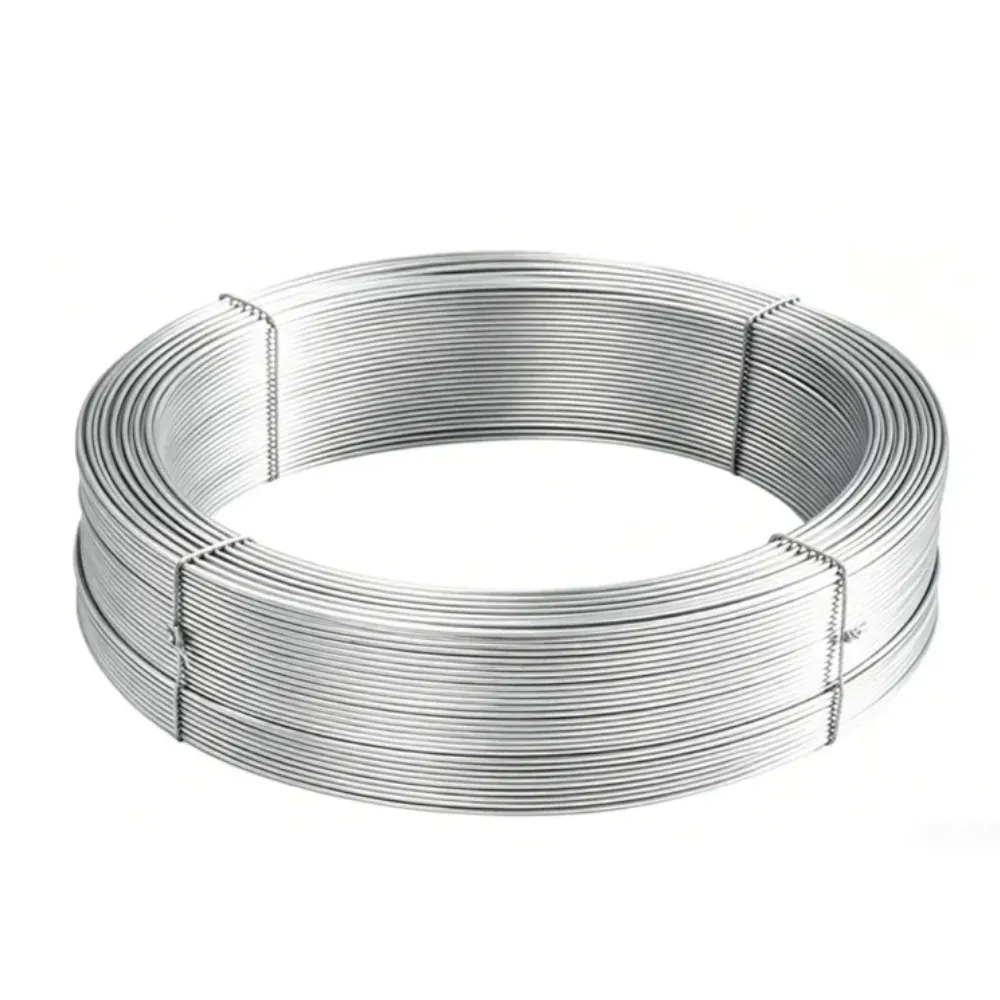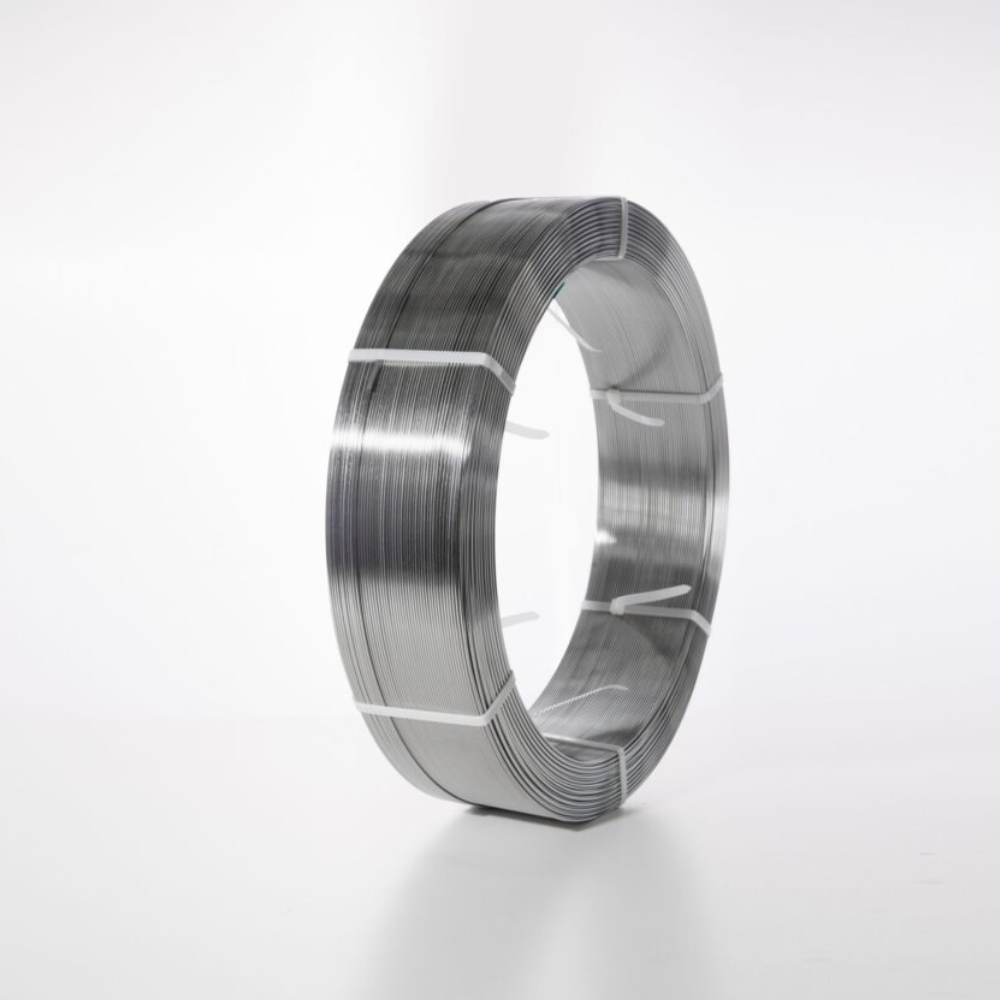
Grade 1 titanium wire generally favors demanding forming, while Grade 2 titanium wire offers higher strength when supplied in a comparable condition. In the grade 1 vs grade 2 titanium wire decision, the stronger option can make a tightly formed part harder to produce.
That trade-off matters when a part needs both a tight bend and strength under load. You can choose the right grade and still receive wire that bends differently from the sample. The missing detail may be its condition, how it was tested, or the order of the forming steps. A grade number alone doesn’t settle those questions.
This guide compares the two commercially pure grades, explains what published tables can tell you, and helps you write a clear order. It draws on ASTM’s public wire-standard scope and an attributed materials reference. You’ll see which numbers help you choose and which checks belong in the purchase specification.
Start with the operation that could reject the part: forming, loading, joining, or exposure to the process fluid. Then compare grades against that need, using matched sizes and stated conditions.
Key Takeaways
- Grade 1 generally provides greater formability; Grade 2 provides higher strength at a comparable supplied condition.
- Published oxygen and iron limits are composition ceilings, not measured values for a particular coil.
- Reference tensile data cannot replace the specified wire condition, applicable standard, and actual lot test results.
- A titanium grade label establishes neither welding-filler conformity nor medical-device approval.
Grade 1 vs grade 2 titanium wire: key differences
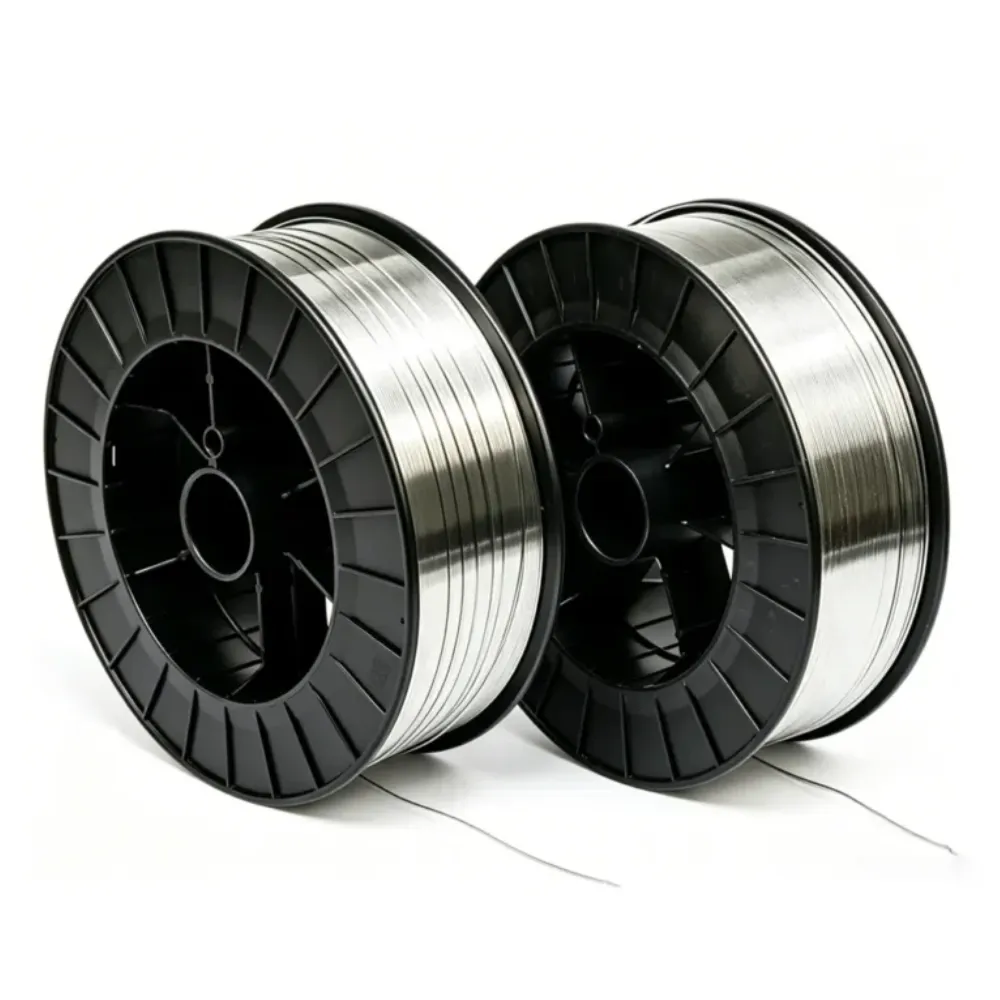
Both grades are commercially pure titanium, also called CP titanium. Both are unalloyed grades. They differ from alloys such as Ti-6Al-4V. Commercially pure titanium still contains trace elements. The grades have different limits for elements such as oxygen and iron.
Explore the titanium wire range to see the grades listed by Tianjin Jingzhou Metal, then confirm the condition and specification for your order.
Compare the chemistry and reference properties
The public summary of ASTM B863-26 identifies Grade 1 as UNS R50250 and Grade 2 as UNS R50400. It covers commercially pure titanium wire and alloy wire. State the edition you need. The phrase “ASTM grade” does not define a complete order.
The table below uses Fort Wayne Metals’ public commercially pure titanium reference, accessed November 16, 2026. Its table labels tensile strength and elongation as minimum values. These values come from that source. They are not verified B863-26 limits or guaranteed properties of Jingzhou Metal wire.
| Comparison point | Grade 1 | Grade 2 |
|---|---|---|
| UNS identity | R50250 | R50400 |
| Oxygen maximum in the cited reference | 0.18% | 0.25% |
| Iron maximum in the cited reference | 0.20% | 0.30% |
| Listed minimum tensile strength | 240 MPa | 345 MPa |
| Listed minimum elongation, 51 mm gauge length | 24% | 20% |
| Initial selection tendency | Greater formability | Higher strength with useful formability |
The reference does not state the full condition and size basis needed to accept your wire. Use these numbers to understand the trade-off. Then agree on the required values and test basis for your order. They are not design allowables.
Read a limit differently from a test result
An oxygen maximum of 0.25% does not mean that a Grade 2 coil contains exactly that amount. Likewise, a listed minimum tensile strength does not state the measured strength of every coil.
Keep three records distinct:
- The published material reference.
- The requirements in your purchase specification.
- The delivered lot’s test results. Mixing them up can mean accepting an incomplete report or rejecting wire against the wrong table.
For grade 1 vs grade 2 titanium wire, this is more useful than a fixed percentage strength claim.
Grade 1 vs grade 2 titanium wire for forming
Consider Grade 1 titanium wire first when tight bends, wrapping, or complex shapes drive the design. Its greater ductility means it can deform more before breaking under the relevant test conditions. Ductility helps. It does not prove that any bend radius will work.
The Grade 1 product listing identifies the grade in Jingzhou Metal’s range. For Grade 1 titanium wire, check the condition, surface, size, and strength needed for the forming job. Check these details together. Don’t order by the listing title alone.
Compare like-for-like samples
Annealed wire and cold-worked wire of the same grade can bend differently. Cold drawing changes the wire as it reduces its section; heat treatment after drawing can change its strength and ductility. Ask how the wire was processed.
Compare both wire grades at the same nominal diameter and stated condition. Record the tool geometry, forming sequence, and final dimensions. If your sample differs from the bulk order in these respects, a good trial may not predict how that order will perform.
Hypothetical example: a tight return bend. Lena, a fictional design engineer, is testing 1.0 mm wire for a formed loop with a 3.0 mm inside bend radius. Those dimensions describe the example, not a supply promise or an approved radius.
They request annealed samples of both grades and define a visual crack check and finished-loop dimensions before the trial. Grade 1 titanium wire becomes their first choice to test for forming, but the drawing stays open until the part also meets its load requirement.
The outcome is a trial plan, not an assumed material approval.
Check springback without assigning a universal percentage
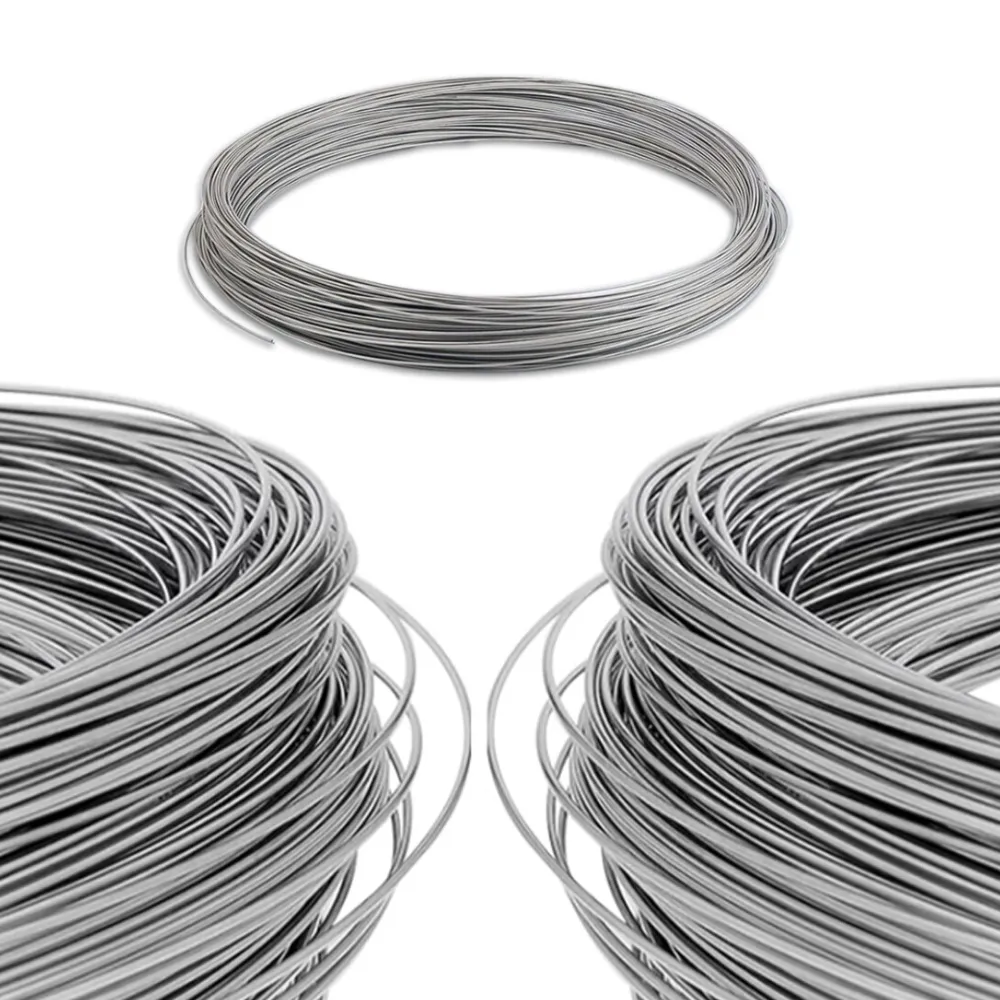
Springback is the return toward the old shape when you release the forming load. The tools, wire size, condition, and forming steps all affect the final shape. Don’t substitute a fixed springback allowance copied from an unrelated titanium product.
Measure the part after release and compare it with the drawing. If it misses the target, check whether to adjust the tool, change the supplied condition, or revise the part shape. Changing to Grade 2 purely because it is stronger may make the forming problem harder.
A grade 1 vs grade 2 titanium wire trial should answer two questions. Can you make the same required shape each time? Does the part meet its service requirements? Passing one does not establish the other.
Strength and corrosion: separate the requirements
Grade 2 titanium wire is worth considering when a part must resist taking a permanent set while remaining formable. However, “stronger” needs a defined measure. Ultimate tensile strength, yield strength, and stiffness answer different engineering questions.
These terms describe different limits:
- Ultimate tensile strength: peak stress in a tensile test.
- Yield strength: stress at a stated amount of permanent strain.
- Stiffness: resistance to elastic bending or stretching. More strength does not mean the same gain in stiffness.
For the grade 1 vs grade 2 titanium wire comparison, decide which property the part must meet before comparing quotes. A tensile requirement alone cannot prove fatigue life, spring performance, or the load a welded part can carry.
Match the data to the delivered condition
The Grade 2 product listing confirms its place in the catalog. Obtain an agreed specification and the test records you need for the offered condition before using it in a design calculation. A catalog page isn’t a lot test report.
Hypothetical example: two offers that aren’t comparable. Omar, a fictional procurement engineer, is reviewing two quotes for a 2.0 mm formed support. One names a grade but omits condition; the other names annealed wire but supplies only a typical-property sheet. They ask both suppliers to state the condition, governing standard, required strength, and test basis. Neither offer is accepted until those fields agree with the drawing.
The result is a fair comparison rather than a decision based on two unrelated strength numbers.
This is also why a fixed percentage strength advantage can mislead. The two minimum tensile values in the table come from that source’s comparison. Their ratio is not the measured strength difference between arbitrary delivered coils.
Review the environment independently
Grade 1 titanium wire and Grade 2 are both considered for corrosion service as commercially pure titanium. That does not mean commercially pure titanium suits every process fluid. Published supplier descriptions vary, and strength data cannot establish which grade resists corrosion better in your service.
State what the fluid contains, how strong the mixture is, its temperature, and how exposure occurs. Include cleaning chemicals and shutdown conditions if they differ from normal operation. Ask for a materials review for your process if suitability is unclear.
Higher strength in commercially pure titanium does not prove longer corrosion life. If corrosion controls the decision, resolve that question before accepting either grade. The answer may require another material or further testing rather than a simple move from Grade 1 to Grade 2.
Specify and inspect the wire you need
Once you’ve shortlisted a grade, turn the grade 1 vs grade 2 titanium wire decision into an order that the shop and receiving team can use. Include the dimensions and condition alongside the material designation. Calling a sample “soft titanium wire” leaves too much open.
Build an RFQ around acceptance criteria
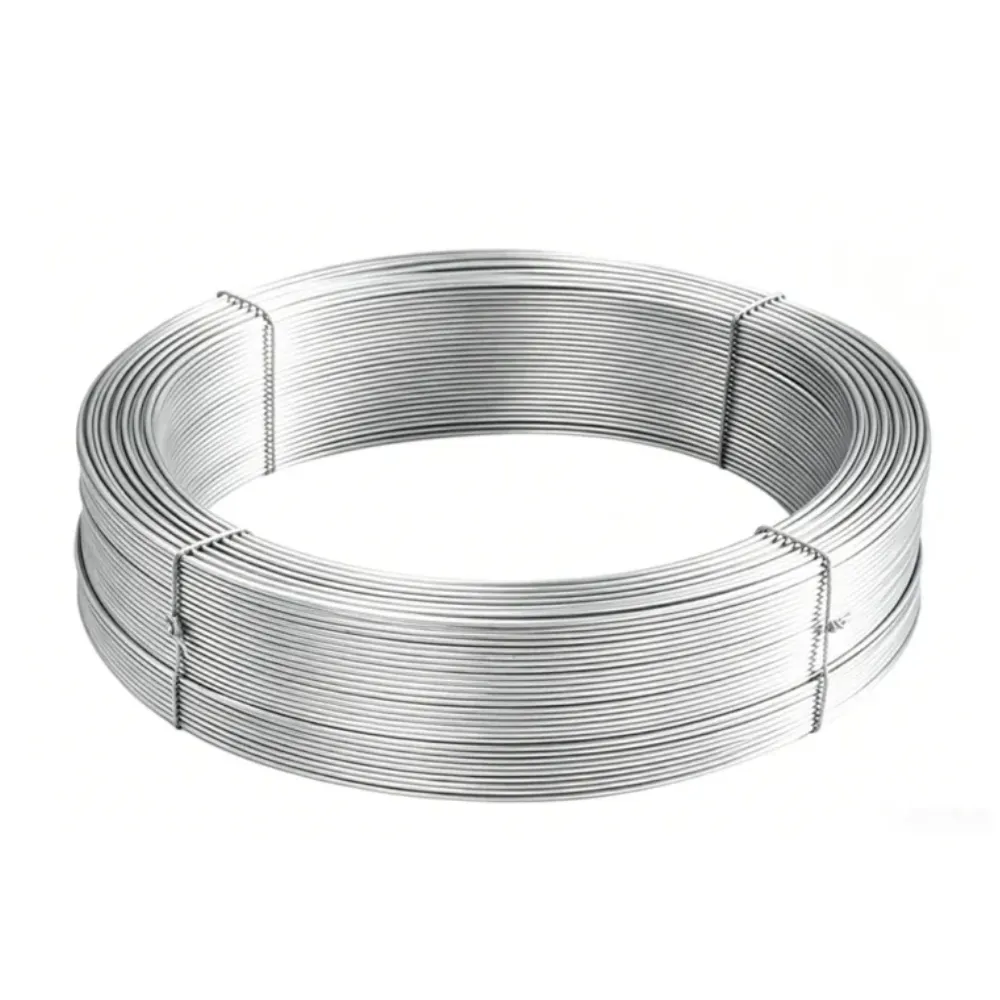
Use the following fields in a request for quotation (RFQ):
- Application and grade: state the part, proposed grade, and any approved alternatives.
- Standard and edition: name the wire specification and any extra requirements for the application.
- Supplied condition: state annealed or another agreed condition, plus the required properties and test basis.
- Dimensions: define diameter, tolerance, and relevant ovality or straightness requirements.
- Surface and form: identify surface requirements, coil or spool arrangement, straight lengths, and handling needs.
- Acceptance records: agree on chemistry, mechanical and dimensional evidence, lot identification, quantity, and delivery terms.
Ask suppliers to flag exceptions explicitly. A proposed change of condition needs technical review even if its grade label matches your request. Keep the final agreement with the purchase order so receiving inspection has a clear reference.
Discuss your drawing and required material test documentation before placing the order. Confirm which records will apply to the offered wire and how they will link to the delivered lot.
Check dimensions as well as identity
A mill test report (MTR) should link its test results to the wire you receive through the agreed lot labels and records. Compare the report with the purchase requirements, not just the product name. Check that the stated test conditions and units support the comparison you intend to make.
A size check answers a separate question. For round wire, agree on where and how to measure, which tools to use, and how many samples to check. One reading cannot show how far the wire is out of round. Its size cannot prove which grade it is.
Retain the trial sample’s identity and the approved drawing revision. If you change grade, condition, diameter, or forming steps later, check whether the trial still matches production. The useful result is a repeatable acceptance method, not a single bend that happened to work.
Frequently asked questions
Is Grade 1 or Grade 2 titanium wire easier to bend?
Grade 1 titanium wire is generally easier to form at comparable sizes and supplied conditions. Grade 2 titanium wire may still suit a formed part that needs higher strength. Define the bend shape and test samples that match the order. Don’t accept a universal minimum bend radius.
Is Grade 2 wire always stronger in the delivered state?
No. The higher reference strength for Grade 2 does not establish the measured strength of any two coils. Compare the same property under stated conditions. Use a test basis that fits your order. Supplied condition and actual lot data matter alongside the grade designation.
Is Grade 2 more corrosion resistant than Grade 1?
Do not assume so from its higher strength. For grade 1 vs grade 2 titanium wire, check the actual fluid and exposure on their own. A broad claim about corrosion cannot prove performance for every mix of chemicals, heat, and service conditions.
Can industrial Grade 2 wire be used as welding filler?
A Grade 2 label alone does not establish welding-filler conformity. AWS A5.16/A5.16M:2023 is a separate specification for titanium and titanium-alloy welding electrodes and rods. State the filler class, standard edition, required records, and welding procedure. Check those before accepting wire as filler.
Does either grade imply approval for medical implants?
No. A grade label for commercially pure titanium is not evidence of finished-device approval or suitability for a particular implant. Medical sourcing needs the right material and device specifications, process records, and proof that the requirements are met. Do not substitute an industrial product listing for that assessment.
Make the grade decision from your requirements
Start with Grade 1 when the shape is hard to form. Start with Grade 2 when the part needs more strength and you can still form it. Use either choice to start a clear specification. Neither grade is an automatic approval.
Keep the evidence for commercially pure titanium in order. A reference table explains the trade-off. The purchase specification defines what you need. Lot records and agreed checks show what you received. Compare those records on the same basis before you release wire to the shop.
The practical next step is to put the drawing, condition, dimensions, service environment, and acceptance criteria into one request. A forming trial on wire that matches the order can then address the remaining production questions. Resolve exceptions before the bulk order. Record each approved change to the specification.
If the trial wire and the bulk order differ, ask what changed before relying on the earlier result. Keep a record of the sample lot and the drawing version used for that trial.
For your grade 1 vs grade 2 titanium wire requirement, send your drawing and specifications to Tianjin Jingzhou Metal. Request confirmation of the offered grade, condition, dimensions, and supporting documents so you can assess the proposal against your application.