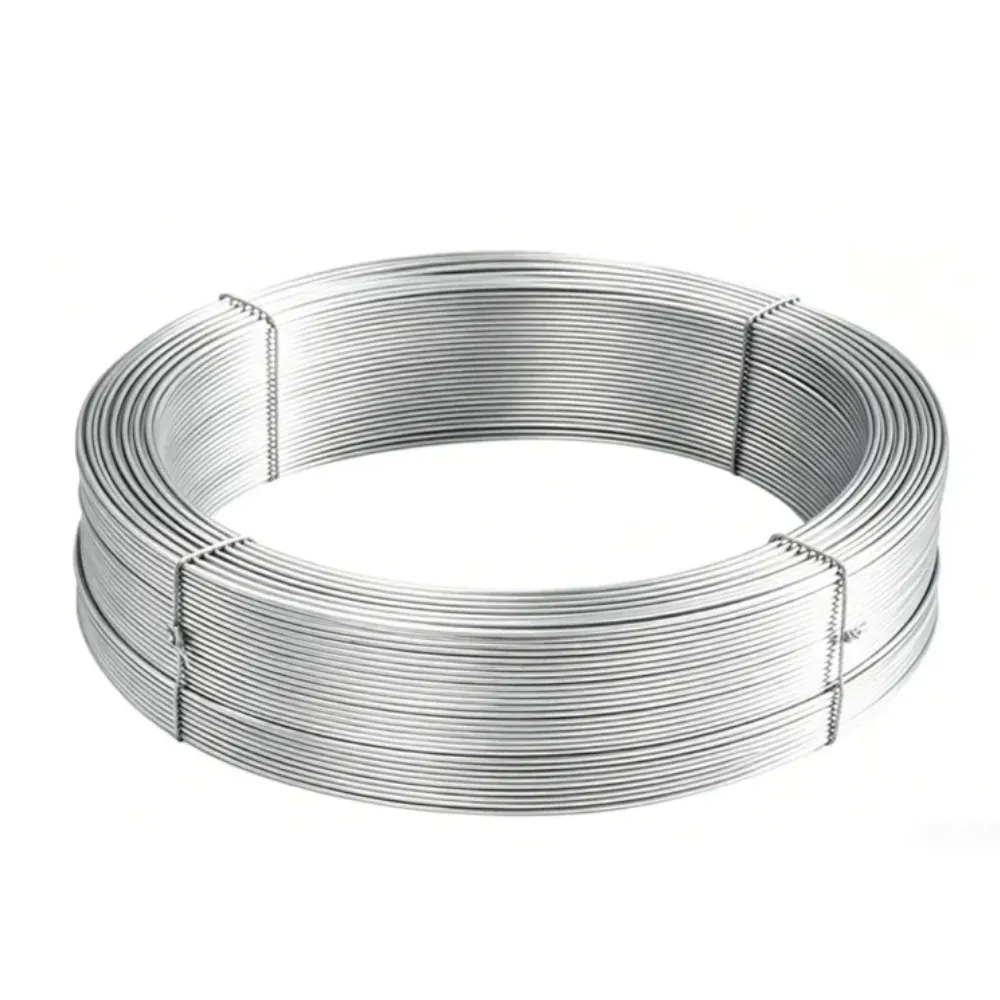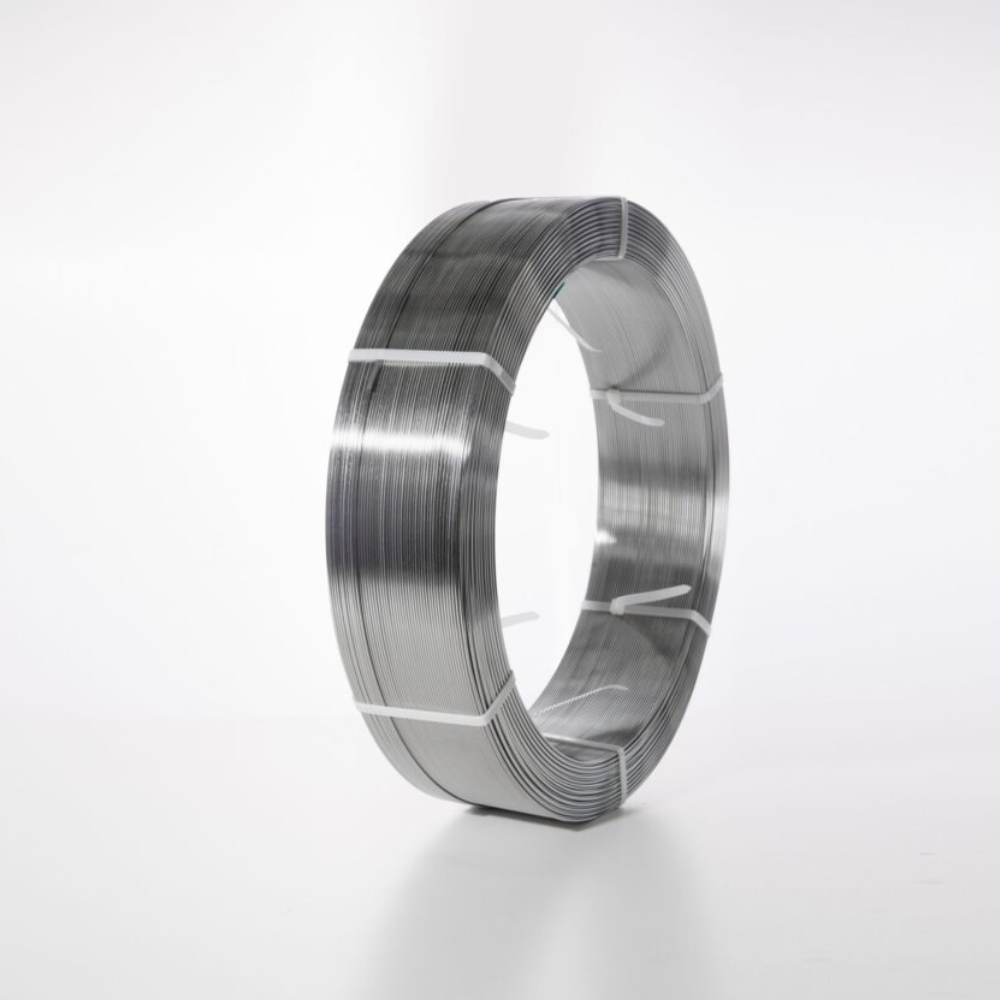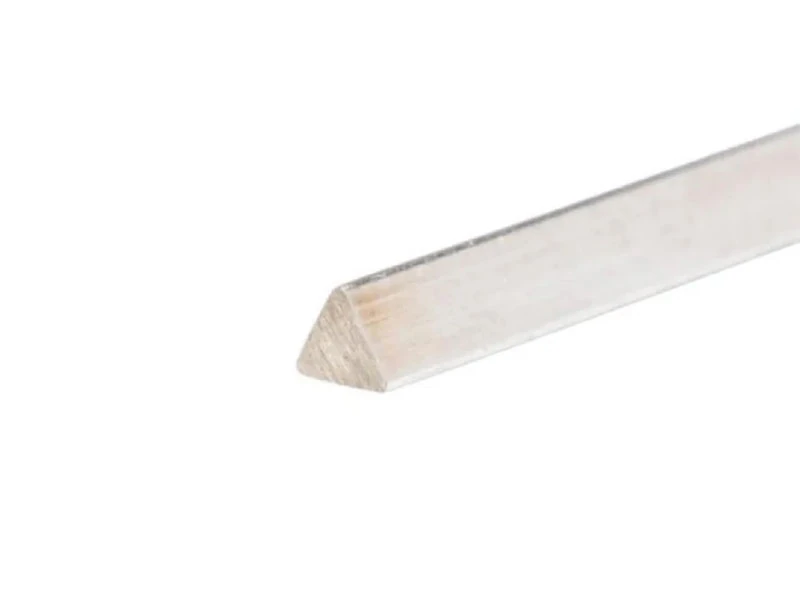
Choose titanium wire grades by the strength, forming, and corrosion needs of the finished part. Commercially pure grades offer a range of strength and ductility, while Grade 5 is an alloy option when greater strength matters.
A grade number alone cannot define the wire you need. Two quotes can name the same grade and diameter yet offer different conditions, surfaces, and test records. Those differences can change how the wire feeds, bends, and meets your drawing.
If you’ve had to compare such quotes, you know the problem. Each supplier appears to answer the same request, but the offers leave different questions open. You need to separate the material choice from the details that make the wire usable.
This guide compares the main titanium wire grades, explains the limits of a grade label, and gives you an order checklist. The technical references include ASTM’s public wire-specification scope and a wire manufacturer’s CP material guide. Together, they help you ask better questions before you commit to a lot.
Key Takeaways
- Within CP Grades 1–4, Grade 1 offers the most formability and lowest strength; Grade 4 offers the highest strength with moderate ductility.
- Grade 5 is Ti-6Al-4V, with nominal 6% aluminum and 4% vanadium; Grade 23 is its extra-low-interstitial variant.
- Specifying titanium wire grades also requires condition, dimensions, surface, and test-record requirements.
- ASTM B863, AWS A5.16, and ASTM F136 address different material or filler requirements; a grade label does not establish medical-device approval.
How to compare titanium wire grades
Start with the part. What load must it carry? How far must the wire bend during manufacture? What fluid, temperature, and cleaning process will it face?
These answers narrow the choice more usefully than a list of grades ranked from “basic” to “premium.”
Read the designation in its standard
The ASTM B863-26 public scope identifies unalloyed grades and titanium alloys used for wire. Its list includes selected grades numbered from 1 through 39, plus specified H variants. It does not imply that every number exists or that every supplier offers each grade.
The designation identifies the material. It doesn’t settle the wire’s condition, size limits, surface, or test-record scope. For titanium wire grades, those order details must sit beside the grade name.
Review the titanium wire range at Tianjin Jingzhou Metal to see the listed Grades 1, 2, 3, and 5. Confirm the exact grade, diameter, and condition for your request rather than assuming every combination is available.
Compare commercially pure titanium Grades 1–4
Commercially pure titanium, shortened to CP titanium, is the unalloyed family. Small differences in controlled chemistry distinguish its four principal grades. Fort Wayne Metals’ CP titanium reference shows rising oxygen limits across Grades 1–4 and describes their strength and formability tradeoff.
The table includes Unified Numbering System (UNS) identifiers to make the material names easier to cross-check.
| Grade | B863 material identifier | Selection tendency | Question for the drawing |
|---|---|---|---|
| Grade 1 | UNS R50250 | Highest CP formability; lowest CP strength | Does the part require tight bends or extensive forming? |
| Grade 2 | UNS R50400 | Balance of strength and ductility | Can it meet both load and forming needs? |
| Grade 3 | UNS R50550 | Higher strength than Grades 1–2 | Is the extra strength worth reduced forming ease? |
| Grade 4 | UNS R50700 | Highest CP strength; moderate ductility | Is this grade required, and can the supplier offer it? |
These are broad material tendencies, not acceptance values for an ordered lot. Compare results for the specified condition before approving a substitution. Grade 4 is included for context; it is outside Jingzhou Metal’s confirmed catalog range.
For a part with tight bends, Grade 1 titanium wire is a candidate to assess. If more strength is needed, compare Grades 2 and 3 while keeping the bend, surface, and condition requirements in view. Choosing titanium wire grades means balancing these needs, not maximizing one property.
Hypothetical example: Lena’s mesh trial. Lena, a fictional design engineer, needs 40 mesh samples with small-radius bends. Their first request names only Grade 2 and a 0.8 mm diameter. Before buying, Lena adds the bend drawing and asks for a defined condition plus a Grade 1 alternative.
The revised trial plan compares both against the same forming and load checks. Lena now has a way to choose between titanium wire grades without assuming that softer wire automatically meets every requirement.
Titanium wire grades beyond commercially pure metal
Grade 5 titanium wire and Grade 23 titanium wire belong to the Ti-6Al-4V alloy family. Their composition differs from commercially pure titanium, so treat them as separate material choices with their own property and processing requirements.
Grade 5: evaluate strength and forming together
Grade 5 titanium wire is Ti-6Al-4V, identified as UNS R56400 in ASTM B863. The name describes nominal 6% aluminum and 4% vanadium. It is a higher-strength candidate than CP titanium, but the actual property requirements still depend on the ordered specification and condition.
Ask whether Grade 5 titanium wire can meet the required load while tolerating the planned forming process. A tight bend, a drawn feature, or a spring coil needs more than a tensile-strength comparison. Review yield strength, elongation, and the processing trial appropriate to your design.
Don’t compare a generic annealed property table with a cold-worked wire result and assume the difference comes from grade alone. Grade 5 titanium wire should be assessed in the state in which it will reach your production line.
Grades 7 and 9: identify the reason for selection
Grade 7 is unalloyed titanium with 0.12–0.25% palladium, designated UNS R52400 in B863. It is considered for particular corrosion duties. Any benefit must be assessed against the actual chemical mix, temperature, and crevices in the equipment; it is not a universal corrosion-proof replacement.
Grade 9 is Ti-3Al-2.5V, or UNS R56320. Its name denotes nominal 3% aluminum and 2.5% vanadium. A tube or strip datasheet for this alloy doesn’t establish the forming behavior of wire: ask for wire-specific condition and property evidence.
Grades 7 and 9 expand the comparison of titanium wire grades, but neither is in Jingzhou Metal’s confirmed catalog. Availability needs a separate discussion.
Grade 23: separate ELI material from device approval
Grade 23 titanium wire is the Ti-6Al-4V extra-low-interstitial variant, abbreviated ELI. Controlling oxygen and other specified elements is associated with improved ductility and fracture toughness. It does not mean that Grade 23 titanium wire is automatically the right choice for every part.
The governing specification matters. B863 identifies Grade 23 as UNS R56407; ASTM F136 names UNS R56401 for its wrought annealed Ti-6Al-4V ELI surgical-implant material. The different identifiers reinforce why a familiar alloy name cannot replace a complete specification.
For medical work, FDA’s biocompatibility guidance states that the agency evaluates the whole finished device, including its processing. It does not clear or approve individual materials in isolation. Grade 23 titanium wire is also outside Jingzhou Metal’s confirmed catalog; discussing its properties here is not an offer of qualified implant material.
Specify the condition alongside the grade
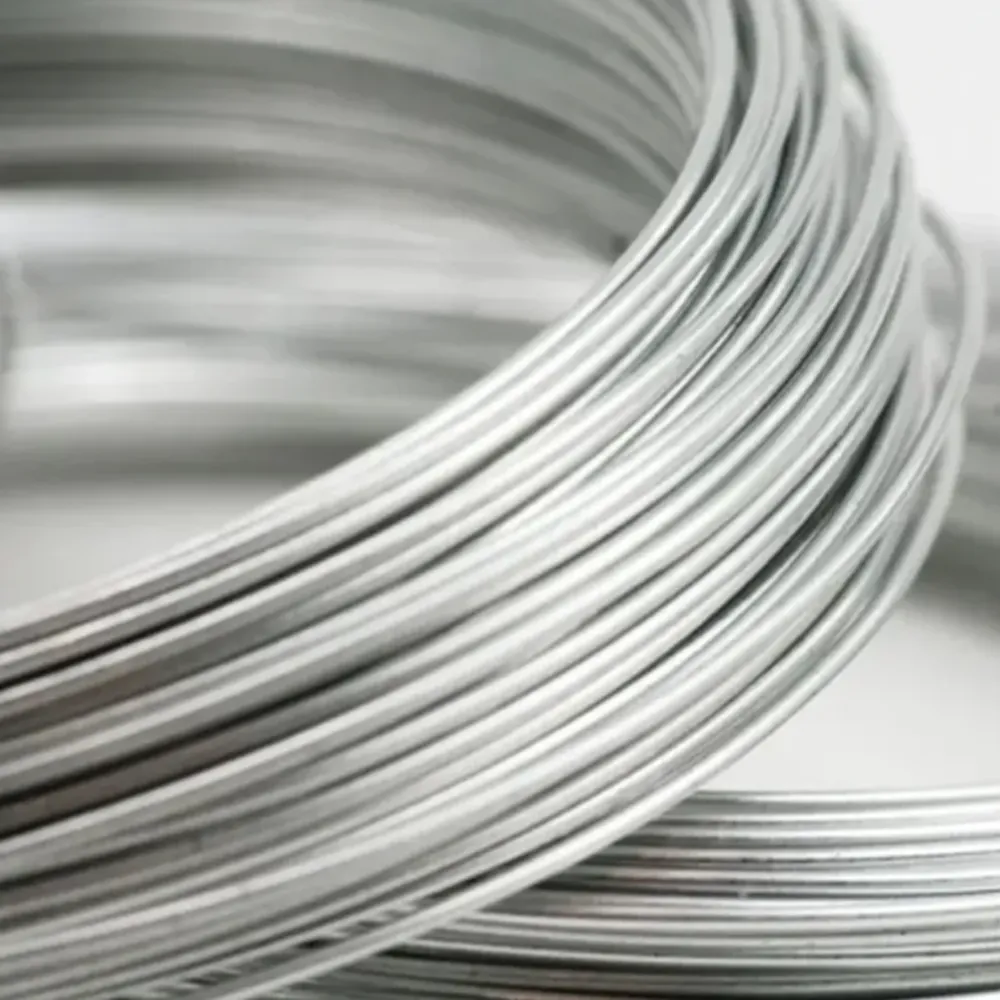
Once you’ve narrowed the titanium wire grades, define how the wire should be supplied. Annealing can soften wire and restore ductility after working. Cold drawing changes mechanical properties, so two lots with the same nominal grade can behave differently during bending or coiling.
Ask for the condition by its designated name, then state the properties that matter. Terms such as “soft” and “springy” are useful observations but poor acceptance criteria. A sample that bends easily doesn’t prove the lot meets the required strength or chemistry.
Keep strength and stiffness separate. Raising yield strength can help a part resist permanent deformation; it does not establish how much the part deflects under a working load. Geometry, material stiffness, and the design all need review when a spring or flexible component is involved.
Hypothetical example: Omar’s two coils. Omar, a fictional production engineer, receives two Grade 2 sample coils for a 1.0 mm formed clip. Both carry the same grade label, but one springs back farther on the test fixture. Omar asks for the supplied condition and mechanical records before changing the tooling.
The team pauses the substitution until it can compare those details. The outcome is a controlled trial rather than a tooling adjustment based on the grade name alone.
A useful sample review records:
- The grade, governing specification, and supplied condition.
- The tool setup, wire size, and forming sequence.
- The dimensions and loads used to judge the formed part.
- The test records tied to the sample’s heat or lot.
That record makes later comparisons of titanium wire grades more meaningful. It also separates a material problem from a process change.
Match the standard to the job
Titanium wire grades are only one part of the standards decision. General mill wire, welding filler, and implant-manufacturing material have different requirements. State the intended use and the governing edition before asking suppliers to quote.
ASTM B863 addresses titanium and titanium-alloy wire. Its public catalog identifies B863-26 as active. Reading that scope establishes the standard’s identity and listed grades, not its complete acceptance tables or a supplier’s conformity.
AWS A5.16/A5.16M addresses titanium and titanium-alloy welding electrodes and rods. The 2023 catalog describes classification by chemical composition, plus testing and packaging requirements. A request for Grade 2 wire alone does not establish a welding-filler classification or suitability for a welding procedure.
ASTM F136 addresses wrought annealed Ti-6Al-4V ELI intended for surgical-implant manufacture and includes wire. An F136 material requirement and a finished-device assessment are separate steps. For Grade 23 titanium wire, confirm which material specification applies rather than treating B863 and F136 as interchangeable labels.
Discuss the drawing and material test documentation with Jingzhou Metal before finalizing an order. Ask which chemistry, mechanical, and dimensional records can be supplied for the grade and condition requested.
If you’re still deciding between titanium and another metal, the titanium versus stainless steel comparison covers that broader choice. Keep it separate from selecting a grade within titanium.
A five-step grade-selection and RFQ sequence
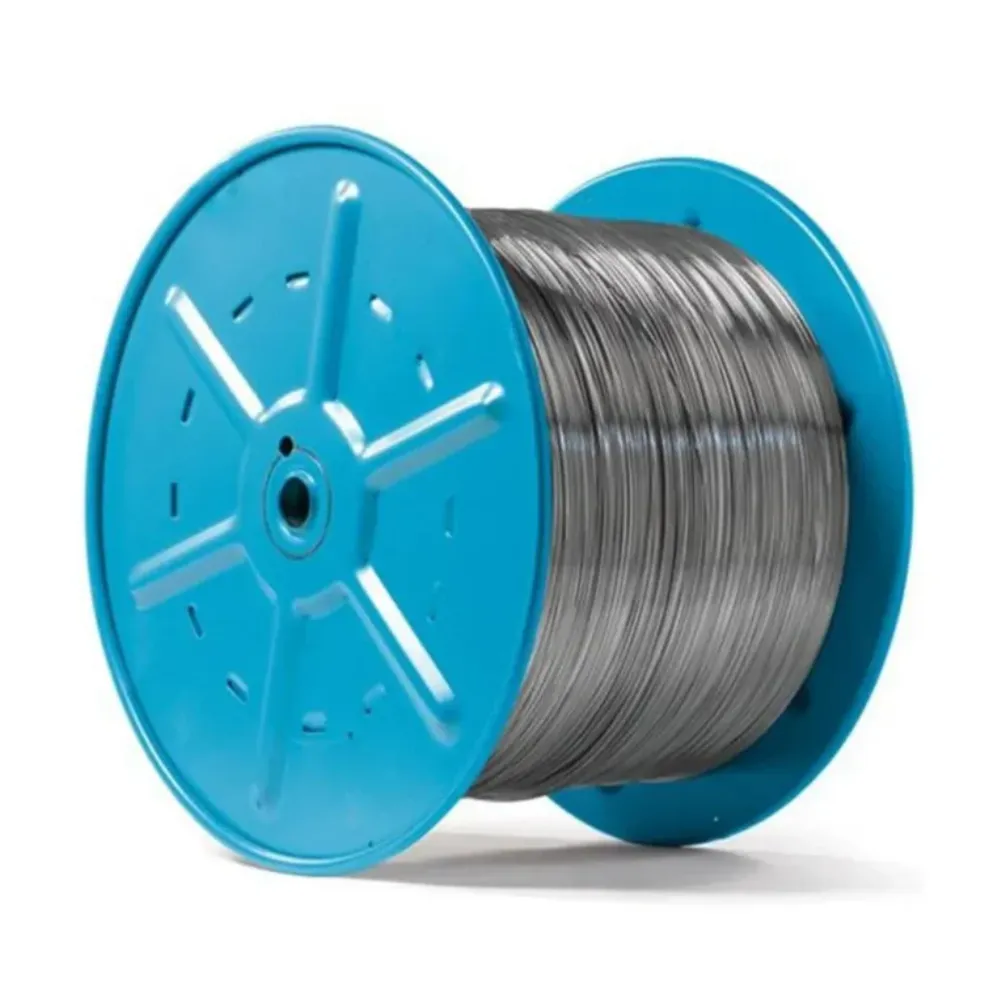
Turn the comparison of titanium wire grades into a request for quotation (RFQ) that suppliers can answer consistently. Use the same technical scope for each quote; compare price and delivery after the material requirements align.
- Describe the application. State the load, forming process, contact medium, temperature, and main failure concern. Include a drawing when shape or assembly governs.
- Name the candidate grade. Identify the standard that defines it. If you invite alternatives, ask suppliers to explain differences instead of silently substituting material.
- Define the supplied product. Specify condition, diameter and tolerance, surface, and spool, coil, or straight-length form.
- Set the evidence requirements. Request the applicable chemistry and mechanical results in a mill test report (MTR), with heat or lot identification. Agree any extra tests separately.
- Agree the review and release process. State who assesses proposed deviations and how labels and records will match the shipment.
Fields that make quotes comparable
| RFQ field | Detail to provide |
|---|---|
| Material | Grade, governing standard, edition, and required condition |
| Dimensions | Nominal diameter, tolerance, and any separate ovality requirement |
| Surface | Required finish, cleanliness, and relevant defect criteria |
| Supply form | Spool dimensions, coil requirements, or straight cut length |
| Quantity | Trial and production quantities, stated separately |
| Records | MTR scope, required test results, and heat/lot labeling |
| Logistics | Packaging, destination, and requested delivery date |
For example, a buyer could request Grade 2 under an agreed B863 edition, in an agreed annealed condition, with a 1.00 mm diameter. The buyer must still set the tolerance, supply form, surface, and required records. This is an illustrative request, not a Jingzhou Metal specification or a promise that every combination can be supplied.
The same discipline applies to Grade 5 titanium wire: a short alloy designation is only the start. Ask the supplier to identify any field it cannot meet before it prices the request.
Agree how dimensions will be checked
Diameter acceptance requires a suitable instrument and a consistent method. Define the measurement locations and contact approach with the supplier; a gauge number alone can be ambiguous. Don’t copy an advertised tolerance across every diameter and grade.
Mitutoyo’s general digital-micrometer demonstration provides context for using the instrument. It does not identify titanium wire grades or establish acceptance criteria for the order.
Frequently asked questions
What is the difference between Grade 2 and Grade 5 titanium wire?
Grade 2 is commercially pure titanium; Grade 5 titanium wire is Ti-6Al-4V alloy. Grade 5 is a higher-strength candidate, while CP Grade 2 offers a balance of strength and formability. Compare both in the specified condition against the actual drawing.
Is Grade 1 or Grade 2 titanium wire easier to form?
Grade 1 generally offers greater formability within the CP family. Grade 2 adds strength, but a grade comparison alone cannot predict whether a bend will work. Check condition and validate the proposed wire on your process.
What does Grade 23 titanium wire mean?
Grade 23 titanium wire denotes Ti-6Al-4V ELI, with extra-low interstitial content. Specify the governing standard and condition. The Grade 23 name alone proves neither medical-material conformity nor finished-device approval.
Is a higher titanium grade number always better?
No. Titanium wire grades describe different materials and requirements, not a single quality ranking. Greater strength can reduce forming ease; an added element may address a particular service need. Choose against the design criteria rather than the largest grade number.
Can Grade 2 mill wire be used as welding filler?
The grade name alone is insufficient. Specify the applicable AWS A5.16/A5.16M classification, edition, and documentation for filler use, then confirm the welding requirements separately. General mill wire and qualified filler should not be assumed interchangeable.
Confirm the grade before you commit
Choosing titanium wire grades starts with the part and ends with a defined order. For CP material, balance strength with the amount of forming required. For an alloy such as Grade 5, check the properties and condition together before accepting a substitute.
Keep the specification route clear. Wire for a general component, welding filler, and material for implant manufacture need different evidence. A familiar grade name cannot stand in for those requirements, and a material certificate cannot establish approval for a finished device.
Before issuing the order, give each supplier the same drawing, grade, condition, dimensions, and test-record scope. Ask them to list exceptions. That turns a collection of prices into offers you can assess against the same requirements, while leaving room to discuss a feasible alternative.
To discuss the titanium wire grades in Jingzhou Metal’s listed range, send your grade and specification. Include the application and any uncertain requirements so the quotation can address them explicitly.