Introduction
Selecting the right metal wire material is important for industrial manufacturing and product development. Different projects require different levels of performance, durability, and cost control. As industries continue to demand more reliable and efficient wire solutions, material selection plays an increasingly important role.
Among various metal wire materials, titanium wire and stainless steel wire are two commonly used options for applications that require stable performance and long service life. Although both materials offer good mechanical properties and corrosion resistance, they differ in strength, weight, processing characteristics, and application suitability.
Understanding the differences between titanium wire and stainless steel wire helps engineers, manufacturers, and buyers select the right material for their projects. This article compares their key properties, common applications, and selection considerations.
What Is Titanium Wire?
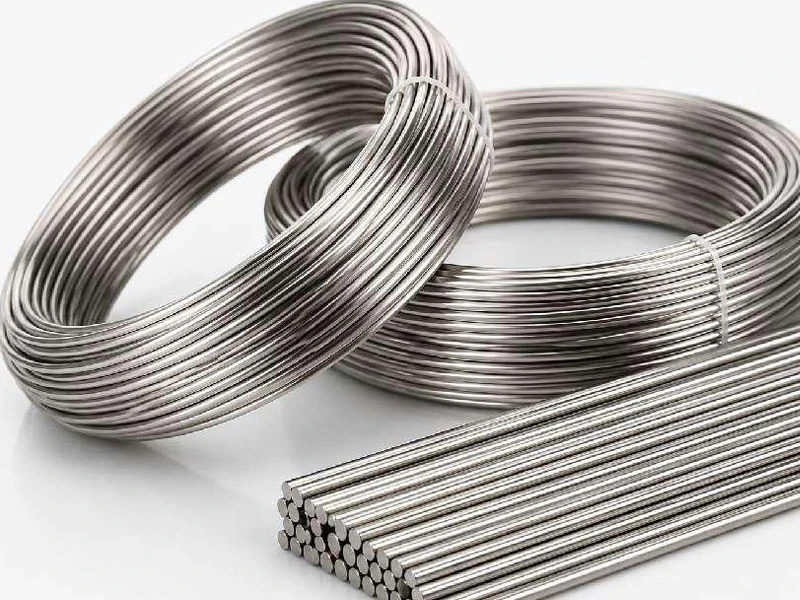
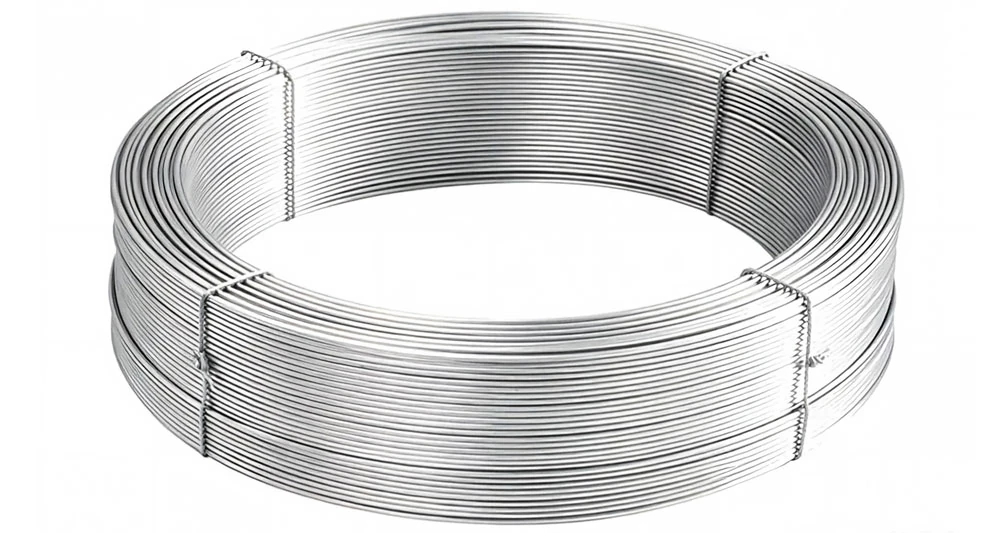
Titanium wire is a metal wire product made from commercially pure titanium or titanium alloy materials. It is known for its low density, high strength-to-weight ratio, and excellent corrosion resistance.
Titanium wire is available in different grades to meet various mechanical and chemical requirements. Commercially pure titanium grades offer good corrosion resistance and ductility. Titanium alloys provide higher strength for applications that require improved mechanical performance.
Among titanium alloys, Grade 5 titanium wire (Ti-6Al-4V) is one of the most widely used options. It provides a good balance of strength, lightweight performance, and corrosion resistance. Due to these properties, it is commonly used in aerospace, medical, chemical processing, and other demanding industries.
What Is Stainless Steel Wire?
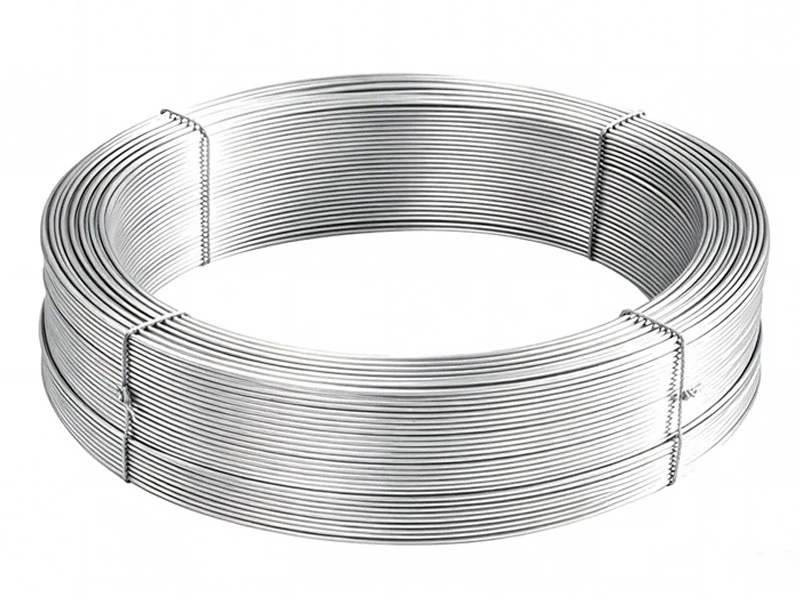
Stainless steel wire is a metal wire product manufactured from stainless steel alloys containing iron, chromium, and other alloying elements. Chromium forms a protective oxide layer on the surface, which helps improve corrosion resistance and maintain material stability.
Stainless steel wire is available in many grades. Among them, 304 stainless steel wire and 316 stainless steel wire are two commonly selected options.
Grade 304 stainless steel wire provides balanced corrosion resistance and good versatility, making it suitable for a wide range of industrial applications. Grade 316 stainless steel wire contains molybdenum, which improves corrosion resistance in more demanding environments, especially where exposure to chemicals or saltwater is possible.
Compared with titanium wire, stainless steel wire is generally more cost-effective and easier to process. It is widely used in wire mesh, springs, filtration systems, construction components, and general manufacturing applications.
Titanium Wire vs Stainless Steel Wire: Key Differences
Titanium wire and stainless steel wire both provide reliable performance, but their characteristics are different. The best choice depends on application requirements, environmental conditions, and cost considerations.
| Property | Titanium Wire | Stainless Steel Wire |
| Density | Lightweight, approximately 4.5 g/cm³ | Higher density, approximately 7.87–8.00 g/cm³ |
| Strength-to-weight ratio | Excellent | Good |
| Corrosion resistance | Excellent, especially in demanding environments | Good to excellent depending on grade |
| Weight advantage | Suitable for weight-sensitive applications | Heavier compared with titanium |
| Cost | Higher initial material cost | More economical |
Titanium has a lower density than stainless steel, which provides a significant weight advantage. This makes titanium suitable for applications where reducing component weight is important.
However, stainless steel remains a practical choice for projects that require reliable performance, easy processing, and cost control. It offers a good balance between strength, durability, and affordability.
Common Applications of Titanium Wire and Stainless Steel Wire
Titanium wire and stainless steel wire are used in different industries because of their unique material properties. Titanium wire is often selected for applications that require lightweight performance, high corrosion resistance, and biocompatibility. Stainless steel wire is widely used in general industrial applications due to its balanced strength, durability, and cost-effectiveness.
Applications of Titanium Wire
Medical and Implant-Related Applications
Titanium wire is commonly used in medical applications because of its excellent corrosion resistance and biocompatibility. Titanium materials are widely considered for orthopedic and dental applications where material compatibility and long-term performance are important.
Aerospace and High-Performance Industries
Titanium alloys are widely used in industries that require lightweight materials and high mechanical performance. Their high strength-to-weight ratio helps reduce component weight while maintaining reliable strength.
Titanium wire can be used for precision components and customized parts where weight reduction, corrosion resistance, and material stability are important considerations.
Chemical Processing and Industrial Applications
Titanium wire is also suitable for industrial environments where corrosion resistance is a key requirement. Compared with many conventional metals, titanium alloys can provide better resistance in certain chemical processing and marine conditions.
Typical applications include customized components, processing equipment parts, and corrosion-resistant wire solutions.
Titanium Wire Rope and Custom Solutions
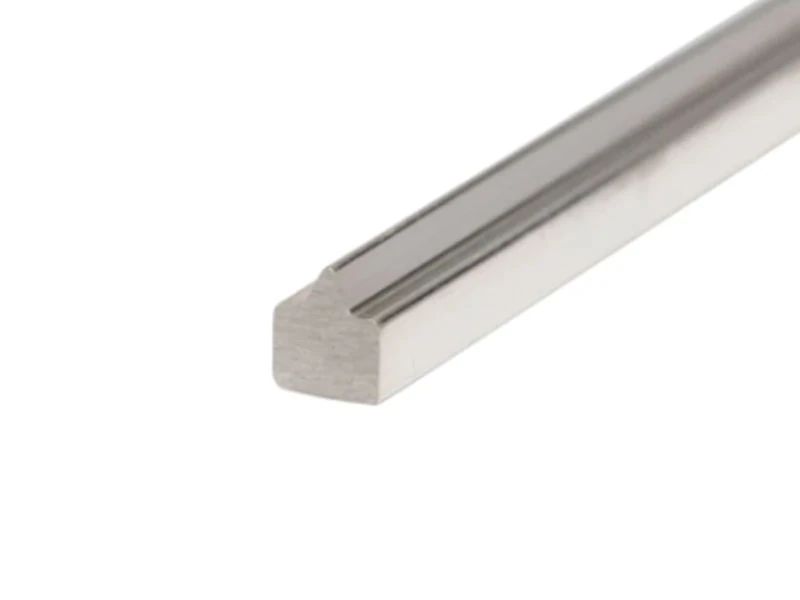
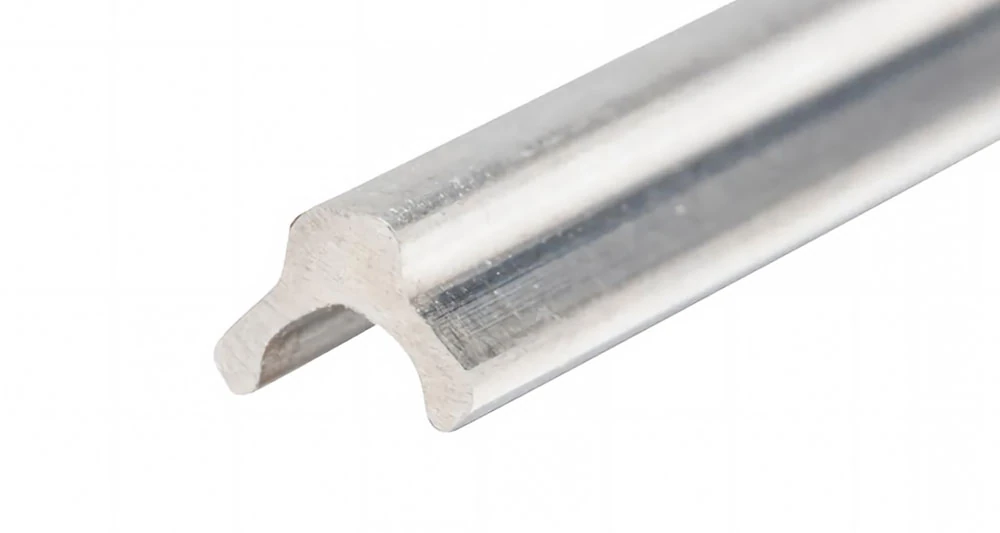
For special application requirements, manufacturers can provide customized products such as titanium wire rope and shaped wire solutions.
These products can be manufactured according to specific requirements, including wire dimensions, shapes, and application conditions. Customized titanium wire solutions are suitable for industries that require precision components and special material performance.
Applications of Stainless Steel Wire
Industrial Manufacturing and General Engineering
Stainless steel wire is widely used in industrial manufacturing due to its good strength, corrosion resistance, and versatility. It is commonly applied in components that require stable performance under different working conditions.
Typical applications include wire mesh, springs, filtration systems, fasteners, and other industrial components.
Food Processing and Chemical Equipment
Stainless steel wire is commonly used in food processing equipment and chemical-related applications because of its corrosion resistance and easy maintenance.
Different stainless steel grades, such as 304 and 316, can be selected based on corrosion requirements, operating environments, and service conditions.
Construction and Decorative Applications
Stainless steel wire is also used in construction and architectural applications where durability and appearance are important.
It can be applied in cable systems, decorative structures, safety products, and customized wire components. Its good balance of performance and cost makes it a practical choice for many general applications.
Why Choose Titanium Wire for Precision Applications?
Titanium has a density of approximately 4.5 g/cm³, which is significantly lower than common steels at around 7.87 g/cm³. This lightweight property helps reduce component weight while maintaining reliable mechanical performance.
High Strength with Low Weight
Titanium and its alloys are known for their excellent strength-to-weight ratio. This property allows titanium wire to provide reliable performance while keeping components lightweight.
For precision components, especially those used in aerospace and advanced engineering applications, reducing weight without sacrificing strength can improve overall efficiency and performance.
Excellent Corrosion Resistance
Titanium naturally forms a stable oxide film on its surface. This protective layer helps improve corrosion resistance in various environments.
Due to this property, titanium wire can perform well in applications exposed to moisture, chemicals, or other corrosive conditions. It is often selected when long-term material stability is required.
Suitable for Precision Wire Applications
The combination of low density, high strength-to-weight ratio, and corrosion resistance makes titanium a suitable material for demanding wire applications.
However, material properties alone do not determine final performance. Other factors, including titanium grade, wire diameter, dimensional accuracy, surface condition, and manufacturing quality, should also be considered.
Why Choose Jingzhou as Your Titanium Wire Manufacturer?
Selecting a titanium wire supplier involves more than comparing material prices. Buyers also need to consider grade availability, dimensional accuracy, product consistency, and technical support.
Jingzhou provides titanium wire solutions for customers with different application requirements. With multiple titanium grades, controlled dimensions, and customized service options, Jingzhou helps customers select suitable wire specifications for their projects.
Multiple Titanium Wire Grades for Different Applications
Different applications require different levels of strength, ductility, and corrosion resistance. Selecting the right titanium wire grade helps ensure reliable performance under specific working conditions.
Jingzhou provides several titanium wire grades to meet different application requirements.
| Titanium Grade | Material Type | Tensile Strength |
| Grade 1 (TA1) | Commercially pure titanium | 240–370 MPa |
| Grade 2 (TA2) | Commercially pure titanium | 300–500 MPa |
| Grade 3 (TA3) | Commercially pure titanium | 450–550 MPa |
| Grade 5 (Ti-6Al-4V / TC4) | Titanium alloy | 900–1100 MPa |
This range allows customers to select a suitable titanium wire based on required strength, corrosion resistance, and application conditions. It also provides greater flexibility for projects with different performance requirements.
Controlled Dimensions and Consistent Product Quality
Dimensional accuracy is important for titanium wire used in precision components, mesh, fasteners, and other applications with strict size requirements.
Jingzhou titanium wire is available in different diameter ranges, with dimensional tolerances of ±0.01 mm according to product specifications. This helps maintain consistent wire dimensions and supports precision applications.
Responsive Service from Quotation to Delivery
Reliable technical support is an important part of industrial wire procurement. Customers may need assistance when selecting titanium grades, confirming specifications, discussing customization options, or preparing quotations.
Jingzhou provides customized quotation services and supports customers in confirming material, dimensional, and application requirements before production.
FAQ
Q1. What is the difference between CP titanium (Grade 2) and Ti-6Al-4V (Grade 5) titanium wire?
Grade 2 titanium wire is commercially pure titanium with excellent corrosion resistance and good ductility. It is commonly selected for applications that require corrosion resistance and stable performance, such as chemical processing and marine environments.
Grade 5 titanium wire is a Ti-6Al-4V titanium alloy containing aluminum and vanadium. It provides higher strength than commercially pure titanium and is widely used in applications that require improved mechanical performance, including aerospace and advanced engineering fields.
Q2. Is titanium wire suitable for implant applications?
Titanium wire can be considered for implant-related applications because of its biocompatibility, corrosion resistance, and lightweight properties.
Q3. What is titanium wire rope used for?
Titanium wire rope is used for customized applications where lightweight performance and corrosion resistance are required.
It can be considered for specialized components and environments where traditional metal wire solutions may not provide the required performance.
Conclusion
Titanium wire and stainless steel wire are both important materials used in modern manufacturing. Stainless steel wire is widely selected because of its balanced performance, versatility, and cost-effectiveness.
Titanium wire provides advantages in lightweight performance, corrosion resistance, and strength-to-weight ratio. These properties make it suitable for applications in aerospace, medical, chemical processing, and other demanding industries.
The right wire material depends on the working environment, performance requirements, and project budget. For applications that require high precision and reliable performance, working with an experienced titanium wire manufacturer can help ensure the right material selection and product specifications.
Jingzhou supplies titanium alloy wire in different grades, sizes, and customized specifications. With professional manufacturing experience and quality control, we help customers select suitable titanium wire products for various applications. Contact us to discuss your titanium wire requirements.