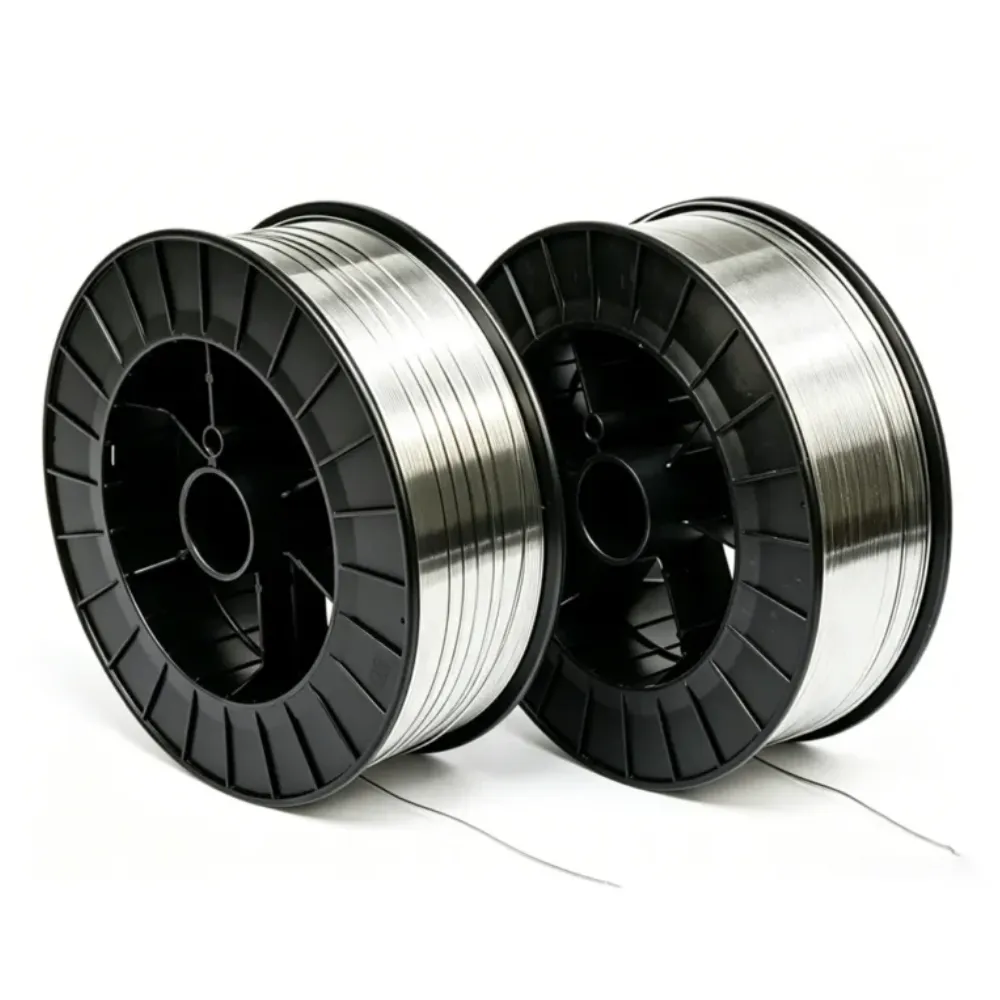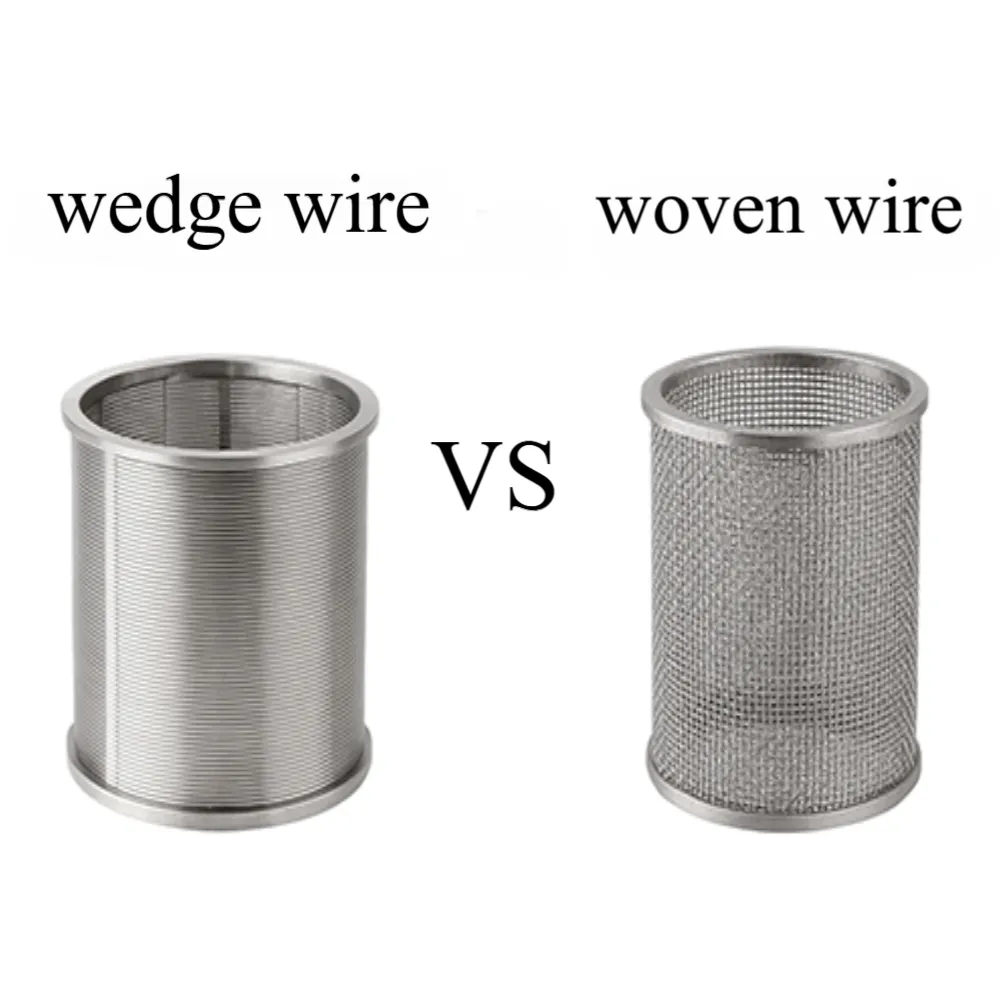
ASTM B863 titanium wire is titanium or titanium alloy wire specified to ASTM B863. Your order must also state the grade, standard edition, size, and supplied condition. Agree which records you need to check the wire on arrival.
A quote that says only “titanium wire, ASTM B863” leaves decisions open. Two offers can use that phrase yet quote different grades, size limits, or forms. Compare prices too soon, and you could buy wire your process can’t use.
Buyers need an order that both the supplier and inspector can follow. This guide links the standard name to the details on that order. It then shows how to check the wire you receive.
The public ASTM scope supports the grade names and unit rules. Official welding and implant standards explain where different rules apply.
You will find a short grade table, a purchase checklist, and a receiving example. You can follow each agreed detail from the drawing to the quote, package label, and test report.
Key Takeaways
- ASTM B863 covers multiple titanium grades; the standard number alone does not identify the material.
- Specify the edition, diameter, tolerance, condition, and delivery form together before comparing quotes.
- A B863 grade description does not demonstrate an AWS A5.16/A5.16M welding-filler classification.
- Check the delivered package and test report against the order before releasing wire to production.
What does ASTM B863 titanium wire cover?
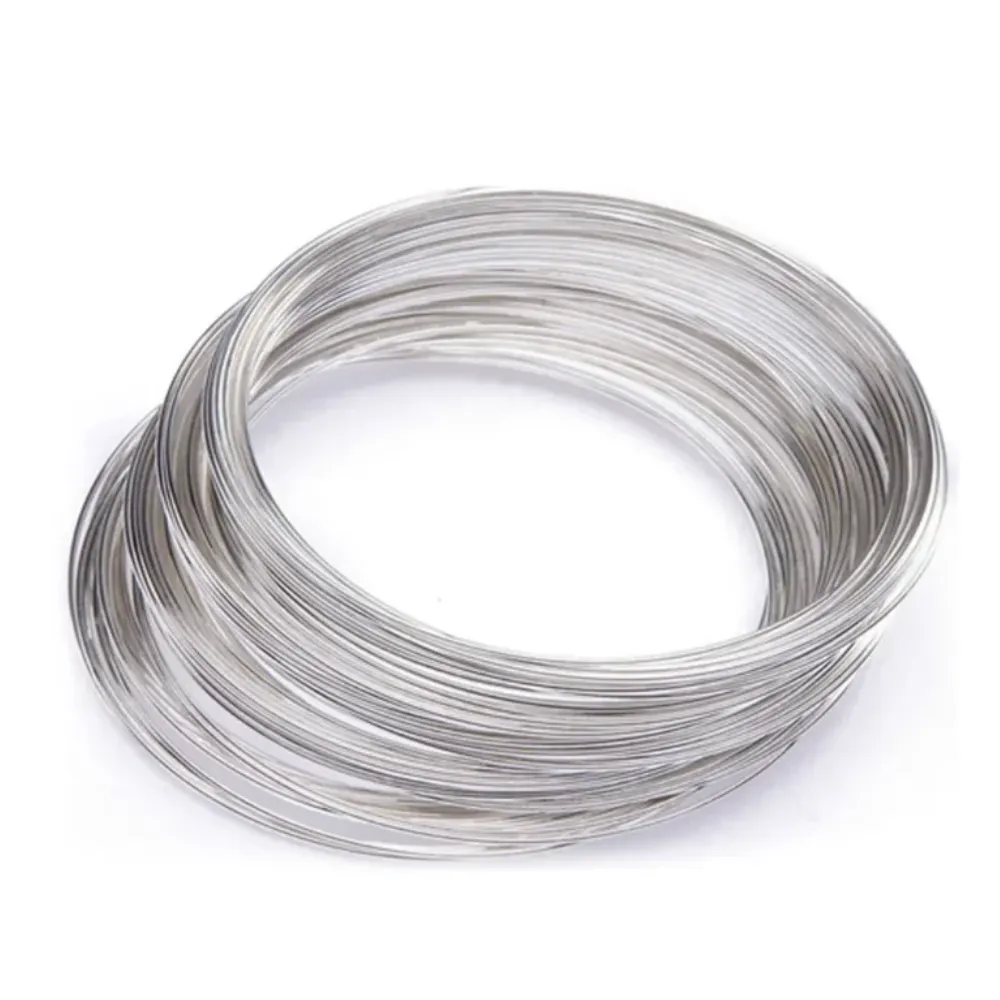
ASTM B863 is the Standard Specification for Titanium and Titanium Alloy Wire. Its public scope lists unalloyed titanium grades and titanium alloys. The abstract names chemistry and properties such as tensile strength, elongation, and hardness.
Tensile strength measures resistance to breaking under a pull; elongation describes stretch in a tensile test. For exact pass limits and test rules, use the ordered edition and your order.
The official ASTM B863 listing identified B863-26 as active when checked on November 11, 2026. Check the edition when you prepare a new order. It doesn’t update an old drawing on its own. If a contract cites an older edition, agree any change before you accept the offer.
Consider this fictional buying example. Alex, a buyer, sends an enquiry based on a drawing that cites B863-23. One supplier quotes that edition; another proposes B863-26.
Alex asks the engineer in charge to settle the edition first. Both suppliers then use that edition in their quotes. Alex can compare the offers with the standard edition now agreed.
Agree the unit basis
The public B863-26 scope treats inch-pound values as standard. SI values in parentheses are conversions for reference only. You can give a drawing size in millimeters.
The order must still say how it fits the standard’s unit basis. Agree the conversions, rounding, and any added size limits before you buy.
Use the full edition cited by the order for chemistry limits, size limits, tests, and pass criteria. A public scope or supplier table can’t replace those clauses.
For product context, browse Tianjin Jingzhou Metal’s titanium wire range. Confirm the required grade, edition, size, and document scope for the specific enquiry.
Identify the grade before comparing offers
A grade names the metal within the standard. It doesn’t tell your team every size or process detail. Put the grade next to the standard and edition. The supplier can then check that they are quoting the wire you need.
The public B863-26 scope supports these identities:
| Grade | UNS designation | Material description |
|---|---|---|
| Grade 1 | R50250 | Unalloyed titanium |
| Grade 2 | R50400 | Unalloyed titanium |
| Grade 3 | R50550 | Unalloyed titanium |
| Grade 5 | R56400 | Titanium alloy with nominal 6% aluminum and 4% vanadium, Ti-6Al-4V |
UNS means Unified Numbering System. The codes help tell the grades apart. They don’t give all chemistry limits, test values, or approvals for a use. Use the table to check identity, then check the full spec for pass criteria.
For example, Grade 2 titanium wire and Grade 5 wire identify different materials. Don’t accept Grade 5 as an upgrade just because a supplier calls it stronger. Check any proposed swap against the drawing, forming process, service conditions, and job rules. Get approval before you change the grade.
Keep the supplied condition separate from the grade. If you need annealed wire, say so and agree the required properties. Annealing is a heat treatment; a bright surface or a coil shape doesn’t prove it took place. The grade number isn’t a simple purity ranking either.
Some designations also contain a suffix. The public scope distinguishes Grade 2H from ordinary Grade 2 through a higher guaranteed minimum ultimate tensile strength. Copy the full grade name from the approved spec. Keep the suffix when you ask for a quote.
Build an ASTM B863 titanium wire purchase specification
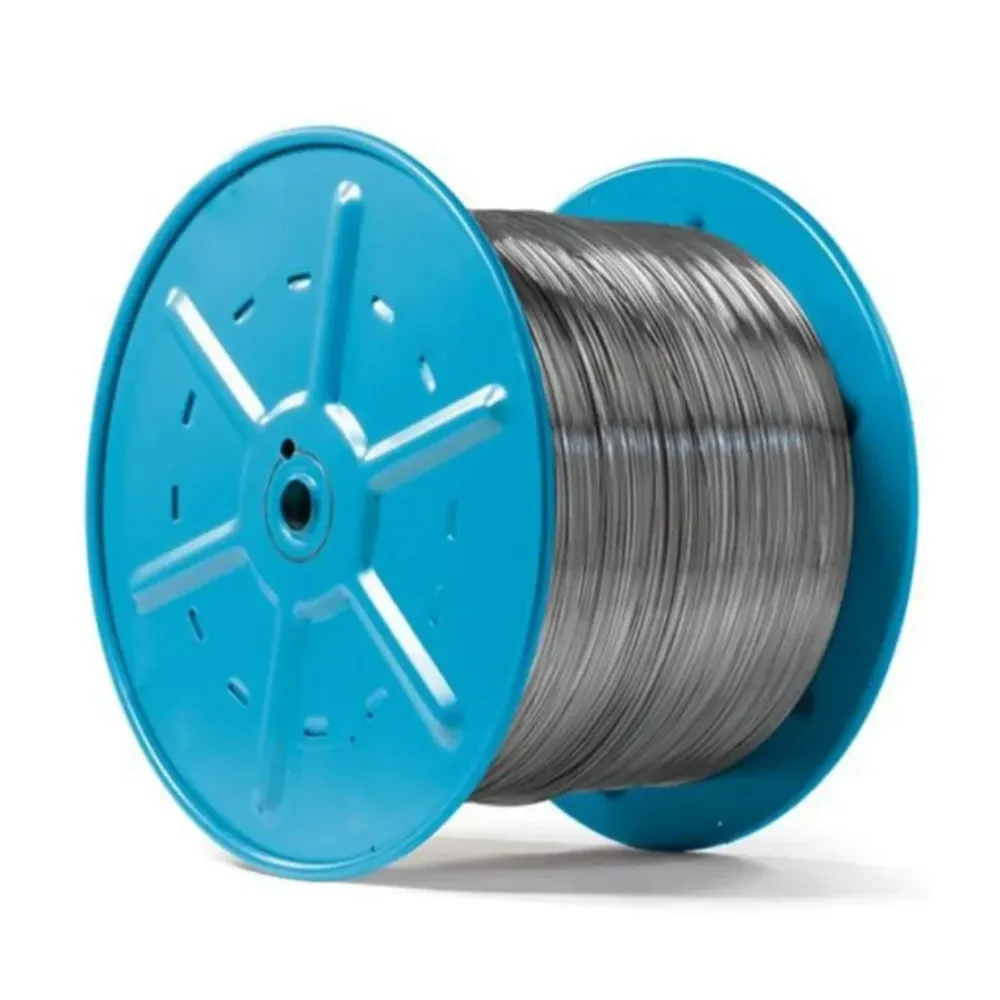
Good titanium wire specifications state what to supply and how to check it. Keep track of where each rule comes from: the standard, your drawing or order, or the supplier’s offer. Note any differences before you issue the order. The inspector should be able to use the same agreed rules as the supplier.
Put the order fields in writing
Include these details in your request for quotation (RFQ):
- Material identity: ASTM B863 edition, grade, UNS designation where specified, and drawing number with revision.
- Dimensions: Nominal diameter, units, dimensional tolerance, ovality limit, and cut length where relevant.
- Supplied condition: Required heat-treatment or processing condition and any additional property limits approved for the job.
- Surface acceptance: Required finish, cleanliness, and the defects or marks your process cannot accept.
- Delivery form: Coils, spools, or straight lengths, with package weight and equipment-related dimensions.
- Inspection documents: Required test results, conformity statements, identification, and links between the documents and delivered material.
- Commercial details: Quantity, delivery destination, required date, packaging, and any inspection or approval points before shipment.
This is a buyer’s checklist. Not every item or test is a mandatory clause for every ASTM B863 titanium wire order. Check what the ordered standard requires. Then state your added needs clearly.
Define the size limits you will check
Suppose a buyer requests a nominal diameter of 1.20 mm with a tolerance of ±0.02 mm. The requested range is 1.18 to 1.22 mm. This is a fictional buyer’s request. It isn’t an ASTM table value or a promise that Jingzhou Metal can supply that tolerance.
Ask the supplier to confirm that they can meet the request. Agree how it fits the standard’s unit basis. Set the measuring method and sampling plan where needed.
Agree ovality separately: this is how far a cross-section departs from roundness. It can matter when wire runs through a close-fitting guide.
The delivery form matters too. A spool must fit your machine. Give its flange and bore sizes, winding needs, and package weight in the RFQ.
A coil may need an agreed inside diameter. For straight wire, agree the length and straightness your process needs. Don’t assume one form can replace another.
If forming or feeding matters, agree a sample trial and its pass criteria. A trial can check fit and handling. It doesn’t replace the grade records or tests on the order.
For help defining the records you need, review Jingzhou Metal’s drawing and specification support. Send the drawing revision and the reports you need. Ask for confirmation of what will be supplied and checked.
Separate wire-product, welding, and implant requirements
The end use decides whether ASTM B863 titanium wire is the right order basis on its own. Welding filler and implant materials have separate standards. The same alloy name doesn’t prove that wire meets all of them.
| Purchase need | Reference to evaluate | What remains to be confirmed |
|---|---|---|
| Titanium wire as a material product | ASTM B863 | Edition, material grade, dimensions, condition, and applicable acceptance requirements |
| Titanium welding electrodes or rods | AWS A5.16/A5.16M | Required consumable classification, edition, delivery form, and requirements of the approved welding procedure |
| Unalloyed titanium for surgical implant manufacture | ASTM F67, when specified for the application | Applicable material requirements and the separate device and regulatory requirements |
Welding filler needs its own classification
The official AWS A5.16/A5.16M:2023 description describes classification of titanium welding electrodes and rods based on chemical composition. Its topics include testing and packaging.
For titanium welding wire, use the filler classification in the approved welding procedure. A B863 Grade 2 label alone does not prove that class. If your contract requires both standards, state both. Ask for evidence that the wire meets each one.
Don’t choose welding filler by its looks, size, or a similar grade number. Before changing the order, ask the person in charge of the welding procedure to review the change.
Implant material is a separate decision
ASTM F67 covers chemical, mechanical, and metallurgical requirements for four unalloyed titanium grades, including wire used to manufacture surgical implants. Its scope is different from a general B863 wire purchase.
Meeting B863 alone doesn’t qualify wire for an implant or approve a finished device. The project must define the material standard, process controls, and device rules. Nor does an alloy grade, on its own, qualify a supplier for aerospace work.
Check documents and wire before production
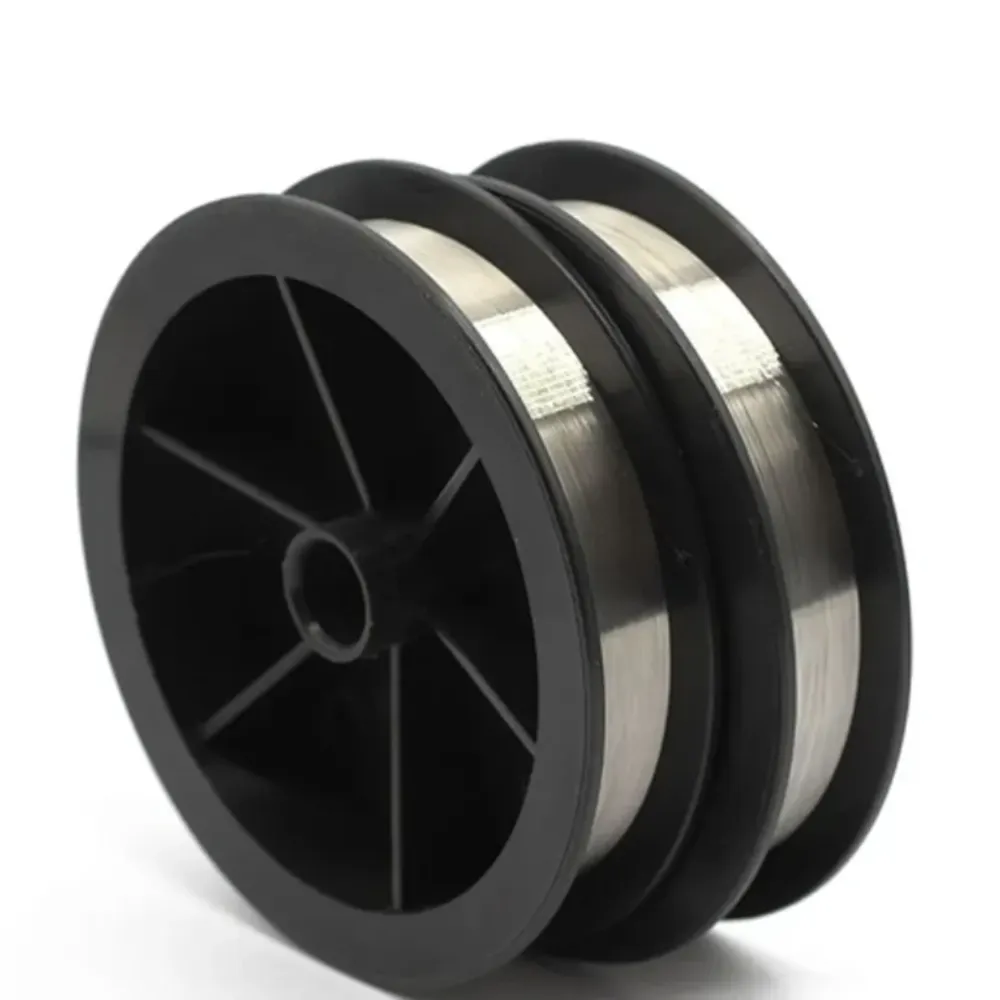
Incoming checks should link the wire you ordered to the wire you received. A report headed “titanium wire” is not enough. Its grade, edition, and identifiers must match the order and delivery.
Use an agreed check plan. Resolve differences before your team uses the wire.
Follow the order through to the report
Check these items in sequence:
- Order identity: Confirm the purchase-order revision, material grade, standard edition, and approved deviations.
- Package identity: Compare labels, delivery records, and heat or lot identifiers with the ordered identification requirements.
- Test evidence: Link the mill test report (MTR) to the delivered material and check the required results against the applicable limits.
- Physical condition: Inspect dimensions, surface, delivery form, and packaging using the agreed method and sampling plan.
- Release decision: Complete any required processing trial, record the findings, and obtain the required quality release.
On an MTR, keep test results separate from pass limits. A chemistry result needs an element name, unit, and limit. For a strength or stretch test, check the test basis and wire condition too.
Compare them with the ordered edition and job spec. Don’t use an online table with no edition.
Keep the units in view. A tensile result in MPa can’t be checked directly against a limit in ksi. Use the correct conversion and agreed basis for passing the test.
If a result is missing, ask for it. Resolve any unclear link to the package before you release the wire.
Resolve a grade mismatch before use
In a second fictional example, Morgan receives wire ordered as Grade 2 to the agreed B863 edition. The label and report both say Grade 5, UNS R56400. The diameter matches the order, and the wire fits the machine.
Morgan puts the wire on hold. They send the supplier the order number, label photos, and report. The quality team must resolve the issue through the agreed process before use.
The right size doesn’t fix a wrong grade. A claim of higher strength doesn’t approve the swap.
This is a teaching example, not a Jingzhou Metal customer case. The same rule applies if you can’t link a report to a package. Find out what the wire is and resolve its status before work starts.
Use an RFQ that invites clear exceptions
Use the following example to frame an enquiry. Settle the engineering choices before it becomes an order:
Please quote Grade 2 titanium wire to the ASTM B863 edition on our controlled drawing. Requested diameter: 1.20 mm ±0.02 mm. Agree the unit basis before order approval.
Confirm the supplied condition, ovality, surface, spool sizes, package weight, and quantity against the drawing. List the test records you will supply. Explain how they link to the delivered heat or lot.
State all proposed deviations, required approvals, delivery terms, and lead time in the quote.
Compare quotes once suppliers have answered those points. A lower price may cover a different form or fewer records. It may also leave a change unresolved.
Keep the agreed answers with the order. Your team can then check the wire against the same spec the supplier used.
Frequently asked questions
Is ASTM B863 a titanium grade?
No. ASTM B863 is a specification covering multiple titanium and titanium alloy wire grades. State the required grade and edition alongside the standard number. Grade 1, Grade 2, Grade 3, and Grade 5 identify different materials within its scope.
Can ASTM B863 wire be used as titanium welding wire?
A B863 description alone does not establish the required welding-filler classification. Specify the AWS A5.16/A5.16M classification and other requirements called for by the approved welding procedure. Confirm evidence against both specifications if the contract requires both.
Does B863 make titanium wire suitable for implants?
No. The B863 name alone doesn’t qualify wire for an implant. Use the material standard and device rules for that project.
ASTM F67 is a separate standard for unalloyed titanium implant material. Meeting a material standard doesn’t approve a finished device.
What documents should I request with the wire?
Request the MTR, required test results, identification, and any other documents defined by your purchase specification. Agree how the documents will link to each delivered package or lot. The needed document scope depends on the standard, order, and application.
Before you order, settle the grade and edition. Then define size, condition, form, and the records you need. Keep clear which rules come from the standard and which you added.
Record any approved changes. On arrival, follow that chain from the order through the package, report, and wire checks.
For an ASTM B863 titanium wire enquiry, send your wire specification to Tianjin Jingzhou Metal with the drawing revision, quantity, destination, and required documents. Ask what the quote covers and what needs to change. The offer and your incoming checks should use the same agreed rules.