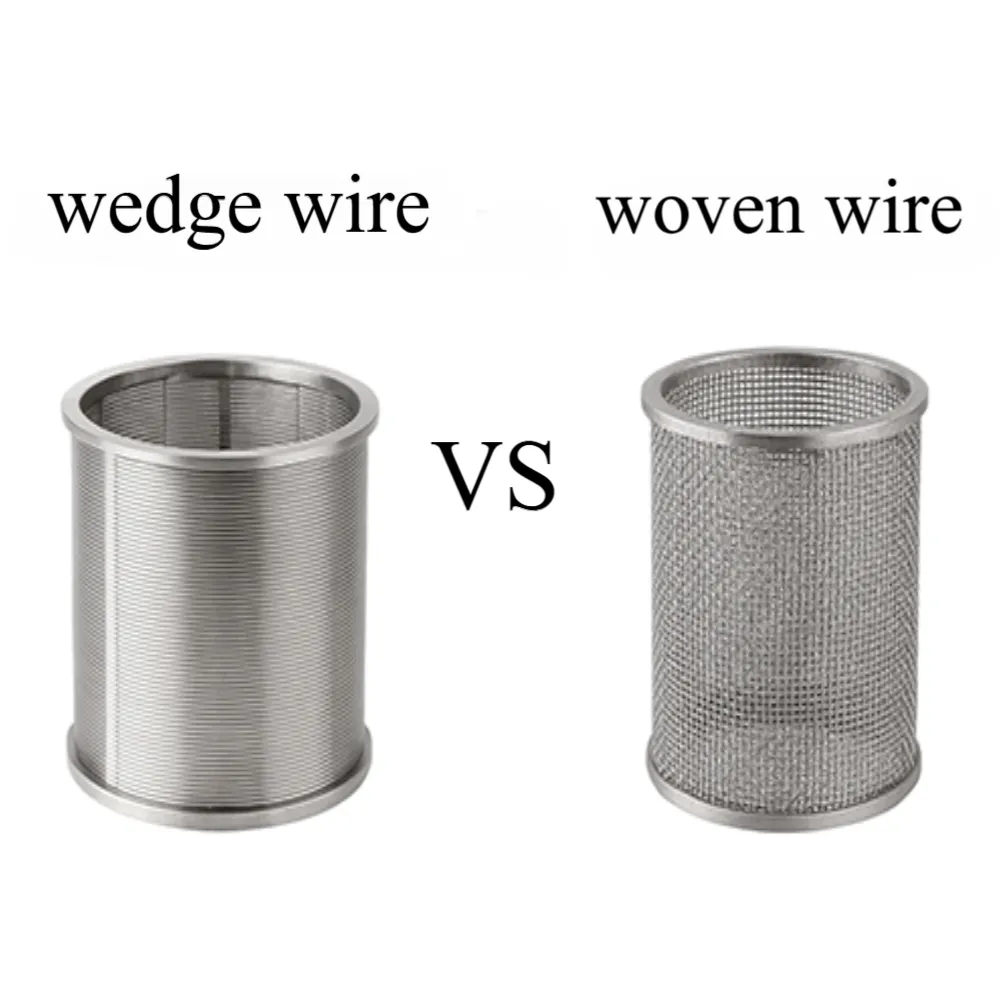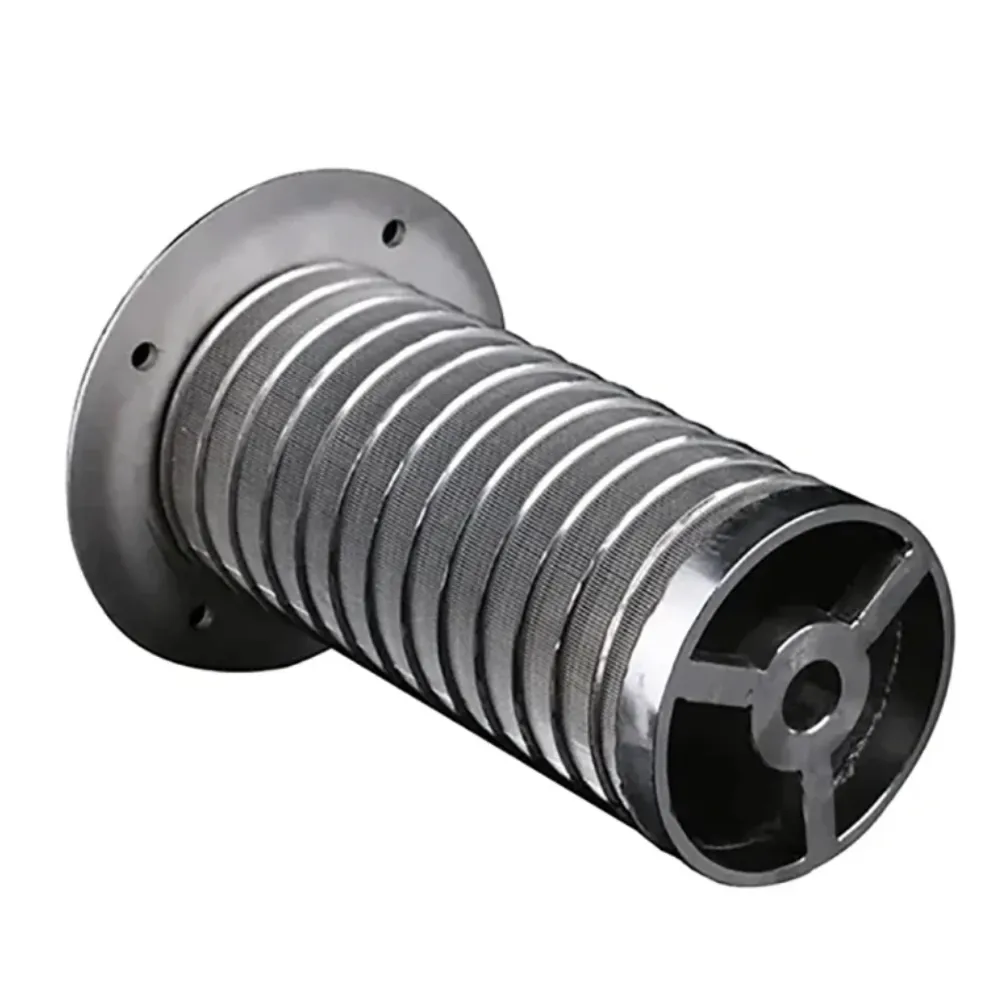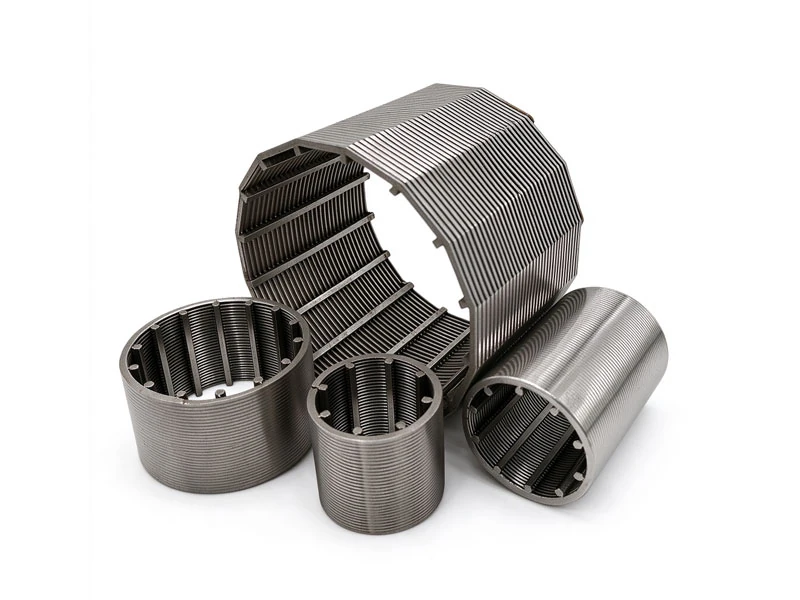
For wedge wire screen cleaning, identify what is blocking the slots, confirm which cleaning methods the equipment allows, and check both operating performance and screen condition afterward. Follow the equipment maker’s instructions and your site’s approved procedure for access, cleaning, and restart.
When a screen drains more slowly after a feed change, it is tempting to repeat the last wash. The maintenance team first needs to find out whether the screen is fouled, the process has changed, or both. Use the checks below to decide which observation matters, which method fits the unit, and what evidence to record before releasing it back to service.
Key takeaways
- Identify the screen, working face, deposit, and operating conditions before choosing a method.
- Match the approved spray, backwash, contact, or chemical method to the unit and its materials.
- Compare operating readings under similar loads and record physical condition separately.
- Escalate damaged wire, slot changes, deformation, suspect welds, or poor seal fit for review.
What to check before wedge wire screen cleaning
Record the operating case
Start with the symptom that triggered the work. A gravity screen may take longer to drain. A pressurized unit may show a change in differential pressure, while a process line may first show a drop in flow or a change in downstream solids. Record the signal that the equipment actually measures, along with the feed and operating state at the time.
Open the wedge wire screen cleaning work order with the observation itself, such as a longer drain time during a named batch. Keep the suspected cause in a separate field until the screen is checked.
A useful wedge wire screen cleaning record gives each reading some context. Note any recent change in feed source, solids load, process setting, or wash schedule. Where the site has a reliable clean baseline, use it to frame the inspection and carry forward the conditions under which that baseline was taken.
Illustrative scenario
A team sees lower flow shortly after the line switches to a feed with more visible fibers. The operator records the switch, checks the feed condition, and asks maintenance to map where fibers are collecting. That gives the next shift a way to compare the screen’s response after cleaning under a similar feed load.
If a worn screen is already part of the discussion, send the drawing, equipment reference, and photos of the affected area so we can discuss the screen configuration. Contact Tianjin Jingzhou Metal.
Identify the screen and working face
Record the equipment tag, screen or insert reference, and drawing revision if available. Confirm which face receives the solids and which way liquid normally passes through the slots. A screen may have an inside or outside working face, depending on how the wire and support structure are arranged. Use the equipment drawing and flow arrows to confirm orientation. Wedge wire screen flow direction.
Include the areas you can see and the areas that require approved access. A screen can look clear near a hatch while a strip farther along the basket or drum remains obstructed. For wedge wire screen cleaning, sketch the zones or label the photos so that the next inspection can find the same areas.
Match the deposit and equipment to the method
Match wedge wire screen cleaning to the deposit
Begin with the deposit you can actually observe. Loose particles may lie across the slots or gather at an edge. Fibers can bridge several openings at once, while a film or scale can cling to the wire faces. Record whether the deposit is uniform or concentrated near a feed entry, support, seam, or end of the screen.
That pattern helps narrow down the wedge wire screen cleaning options. A loose bed of solids may respond to an approved rinse or installed wash system. A strip of fibers may call for a coverage check, while a bonded deposit may need identification and a compatibility review before the site chooses a treatment. A deposit’s appearance can guide the review, but appearance alone cannot establish its composition.
| Observation | Approved option to review | Follow-up check |
|---|---|---|
| Loose particles on the working face | Installed spray or approved rinse | Check the slots and where dislodged solids collected |
| Fibers bridging slots in one zone | Spray coverage review or approved contact method | Inspect the same zone and nearby supports |
| Deposit lodged in the openings | OEM-approved reverse-flow cycle, where fitted | Check slot clearance and compare the operating signal |
| Adherent film or scale | Site-approved treatment after identification and compatibility review | Check for residue and surface changes |
| Widened slots or distorted wire | Condition assessment by the responsible team | Compare the affected zone with the drawing and limits |
Take a photo before wedge wire screen cleaning if the approved access allows it. Use the same viewpoint for the follow-up photo. Mark the feed end, discharge end, or panel edge in the frame so the deposit can be located again.
Check the OEM procedure and access limits
For a basket, establish the normal flow path, how the insert seats, and which seal surfaces should be checked. For a flat panel, identify the working face, support points, and any areas where material collects along a frame. For a rotary screen, confirm feed orientation, spray arrangement, solids discharge, and whether the assembly includes a wiper or scraper. Rotary drum screen configurations.
Before wedge wire screen cleaning begins, agree whether the job is a normal installed cycle or work that requires the site’s isolation and access procedure. Use the manual for the specific assembly and confirm which components can be accessed. Keep a record of the approved method so a later shift can tell what was done.
Review spray, backwash, and contact cleaning
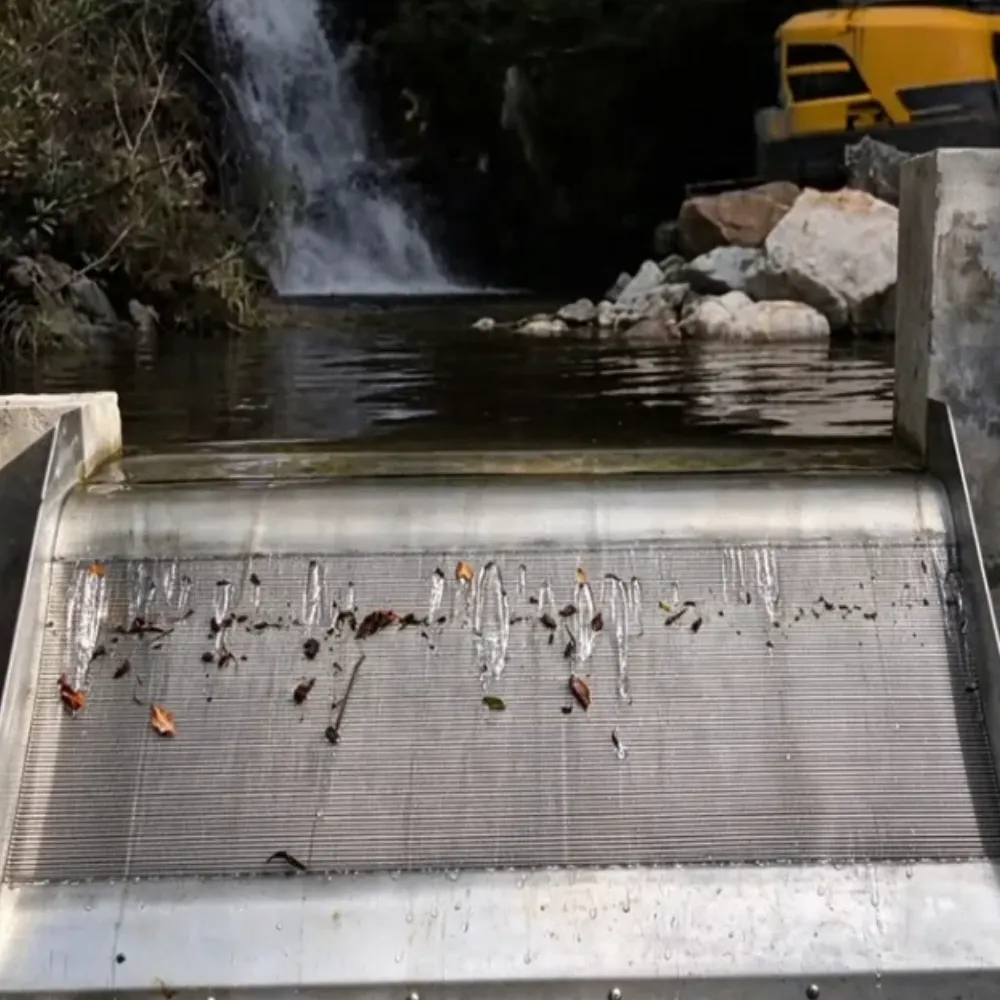
Check spray coverage for wedge wire screen cleaning
Spray location depends on equipment design. Parkson’s externally fed Hycor Rotostrainer incorporates an internal spray system. Its internally fed Hycor Rotoshear uses an external spray arrangement and offers an optional internal spray. These examples help explain why the spray side must be confirmed from the installed configuration.
For wedge wire screen cleaning with a fitted spray system, review the nozzle pattern, the areas it is designed to reach, and how released solids leave the equipment. An intact spray pattern can still leave a region of the screen hard to reach. Use the equipment’s approved check for spray coverage and record any blind spots or uneven results for the next maintenance review.
Confirm reverse-flow approval
Start by identifying the normal flow path. A spray directs liquid onto a surface, while backwash uses flow through the screen in the reverse direction to help release material. Confirm that the equipment allows reverse flow, where the wash stream enters, and where it leaves with the removed solids. The arrangement matters for both the screen and the surrounding equipment.
Mark the arrows for normal flow and reverse flow separately on the wedge wire screen cleaning sketch. Show the spray target as a third mark where fitted. The sketch is a reference for the work order, with operating instructions kept in the approved procedure.
| Path to mark | Direction to confirm on the equipment drawing |
|---|---|
| Normal flow | Feed side → screen slots → filtrate side |
| Backwash, where approved | Filtrate side → screen slots → solids side |
| Installed spray | Nozzle → designated surface |
An automatic wedge wire screen cleaning cycle still needs an agreed way to check the result. Record the cycle that ran and any fault or interruption. If the screen’s condition changes across shifts, that record helps distinguish a recurring deposit from a problem with how the system delivers the wash.
Review contact and chemical compatibility
Contact cleaning includes OEM-approved brushes, wipers, or scrapers. The tool, working face, and allowable contact depend on the screen and assembly. Include nearby welds, joints, and seals when checking whether the proposed method is approved. A tool can clear a deposit while also changing a vulnerable edge if used outside its intended application.
For chemical wedge wire screen cleaning, have the site confirm deposit identity, chemical compatibility with the complete assembly, and the approved handling and rinse procedures. Confirm which materials the cleaner would touch, including seals and fittings. Use the site procedure and supplier guidance to resolve those questions for the installed unit.
Check the result after wedge wire screen cleaning
Compare readings after wedge wire screen cleaning
Select a measure that fits the screen’s service. For a closed system, that might be differential pressure at a comparable flow and feed load. For a gravity unit, it might be drainage time during a repeatable part of the process. Record when the reading was taken and what the feed and equipment settings were.
Treat comparisons across different loads as provisional. If flow improves after wedge wire screen cleaning but the feed also becomes lighter, record both changes and schedule a repeat comparison. If the equipment returns to its usual operating range under comparable conditions, record that recovery along with the physical inspection findings.
Record the same units and measurement point for each reading. If you’re comparing drainage by batch, define the start and end of the observation the same way each time.
Illustrative scenario
After an approved wash, the crew finds a narrow band of fibers near one end of a drum. The operator logs the band by location and compares flow during the same type of production run. Maintenance reviews the spray coverage in that zone, while operations keeps a separate note of the process response.
Inspect slots, wires, supports, and seals
Use the accessible locations recorded before the wash. Check whether the slots are clear, whether any wire appears displaced, and whether there are changes at welds, supports, and edges. On a removable screen, check mating surfaces and seal condition under the applicable equipment procedure. Record visible damage and any places that could not be examined.
Separate physical condition from the process response in the log. A return to usual flow can coexist with a widened slot or a seal gap. If slot measurements or formal acceptance are required, use the agreed method, sampling locations, and drawing limits. Wedge wire screen inspection and acceptance.
After wedge wire screen cleaning, label the result as confirmed, provisional, or pending review using your site’s own release criteria. For a provisional result, name the missing observation and the person responsible for obtaining it. A clear status helps the next shift decide whether to monitor, troubleshoot, or escalate.
Decide when to review repair or replacement
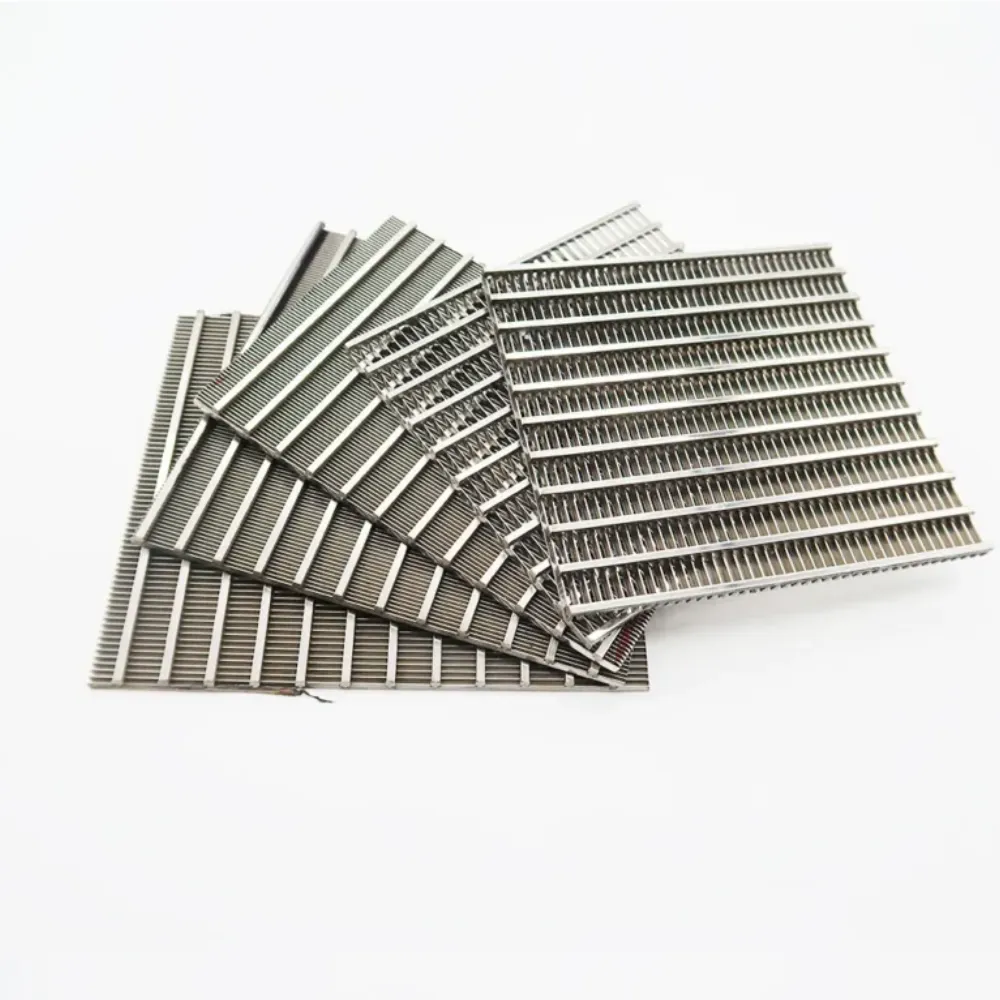
Separate persistent deposits from damage
If the same deposit stays in place after an approved cycle, review identification, wash coverage, and the route by which debris should leave the equipment. If fouling returns more quickly, compare the feed, duty, and wash history. Repeated wedge wire screen cleaning gives the team more information when each visit records the same zones and comparable operating conditions.
Move physical damage into a separate assessment. Escalate broken or loose wires, suspected weld failures, visible distortion, worn slot edges, damaged supports, or poor seal fit. Give the responsible equipment or quality team the location, photos, and any readings gathered by the agreed method. They can then compare the findings with acceptance limits and decide whether repair or replacement is appropriate.
Illustrative scenario
A flat panel looks clear after cleaning, but the crew finds one edge bowed away from its frame. They record the location and use the drawing reference to identify the affected mounting edge. The equipment owner reviews fit and possible bypass before deciding how the panel should be handled.
Carry wedge wire screen cleaning findings into a replacement inquiry
For a replacement discussion, provide the screen type, equipment tag, drawing revision, material if known, slot and orientation requirements, dimensions, and attachment or seal details. Include the operating duty, deposit history, and the specific condition that prompted the review. If you measure a worn part, label the readings as as-found values and identify any dimensions that still need confirmation.
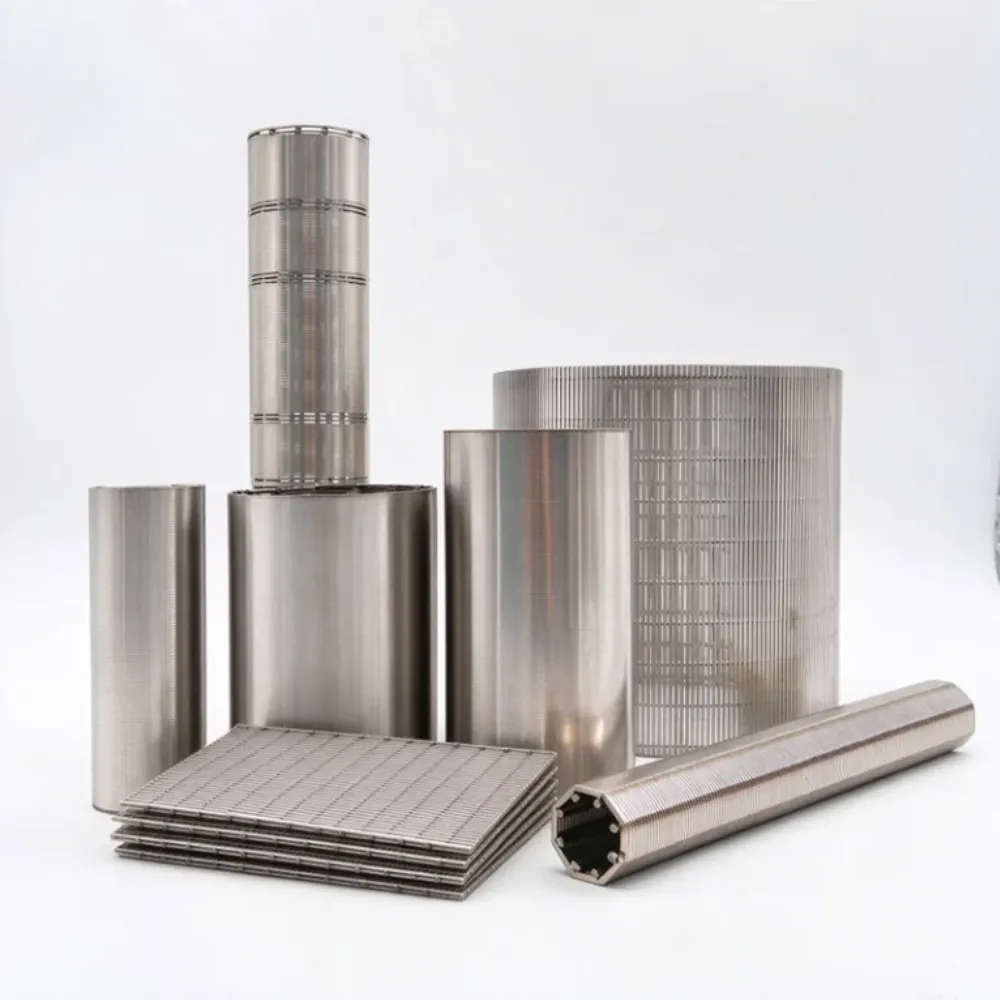
These inputs keep the screen inquiry tied to the installed application. For example, two cylinders with similar outside dimensions can have different working faces or end connections. Use the product formats to frame the inquiry, then confirm the required configuration from the drawing and equipment details. Wedge wire screen products.
If the wedge wire screen cleaning log points to damage at the mounting edge, include a photo showing that edge in relation to the frame. A close-up and a wider view help identify which feature the equipment owner needs to assess.
Build a wedge wire screen cleaning record
Log equipment, condition, method, and result
Use one entry per screen and maintenance event. If a line contains several identical units, record the exact tag so an apparent trend can be traced to the right component. Keep photos, readings, and the work order together so the next comparison can use the same locations and process conditions.
| Record field | Entry |
|---|---|
| Asset tag, screen ID, and drawing revision | |
| Date, shift, symptom, and feed condition | |
| Working face, deposit type, and affected zones | |
| Wedge wire screen cleaning procedure reference and method used | |
| Before and after reading, units, and operating conditions | |
| Residual deposit, slot condition, and structural findings | |
| Photo and measurement references | |
| Follow-up decision, owner, and due date |
Assign the next decision
A wedge wire screen cleaning record should end with an action that a specific person can take. Operations might repeat a reading under a comparable feed load. Maintenance might review the wash system, and quality or the equipment owner might review an out-of-limit feature. Use the maintenance record for these operational decisions and the agreed inspection plan to accept a repaired or replacement screen.
For repeat jobs, compare the same area over time and record whether the trigger is changing. For example, if the first symptom shifts from slower drainage to downstream solids, ask whether the two events have different causes. That distinction helps the site define the next check before the next cleaning cycle.
Cleaning FAQ and next step
How often is wedge wire screen cleaning needed?
Set the interval from the equipment procedure, actual fouling pattern, and the condition limits used on the line. Review any change in feed, shifts, or observed deposit buildup before adjusting the schedule. Record the reason for any change so it can be evaluated later.
Can I backwash any wedge wire screen?
Use backwash only where the equipment is designed and approved for reverse flow. Confirm the direction and discharge path from the manual or drawing and follow the approved sequence for that assembly.
What if flow does not recover after cleaning?
Check whether the before and after conditions were comparable. Then review remaining deposits, wash coverage, screen seating, and other changes in the process. Escalate a structural or fit issue through the site’s condition review.
When should I ask about a replacement?
Ask for a repair or replacement assessment when damage, wear, poor fit, or slot changes could affect the screen’s duty. Bring the drawing, the screen orientation, and the condition record so the responsible team can review the evidence.
If your wedge wire screen cleaning record points to a screen that needs replacement, share the equipment reference, drawing, and observations with us to discuss a matching configuration. Contact Tianjin Jingzhou Metal.