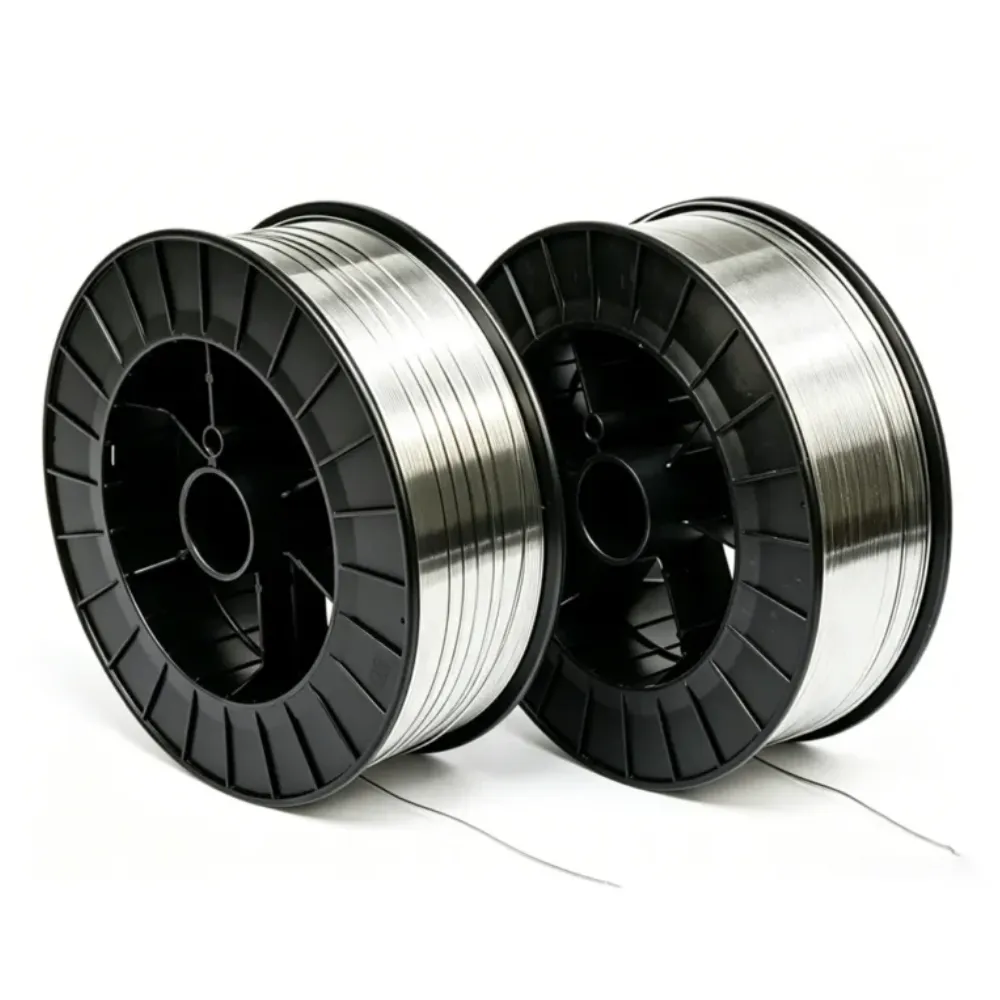
Titanium wire is wire made from commercially pure (CP) titanium or a titanium alloy. Choose the grade and supplied condition for the job. Then set limits for size, strength, surface quality, and testing.
A correct diameter can still be the wrong purchase. In this fictional buying example, Alex orders 1.00 mm wire for a formed component. The quote names the diameter but omits the condition.
Before approving the order, Alex asks for an annealed sample and agreed strength and ductility limits. The supplier now has a clear request to assess. Alex can test the sample before placing the full order.
That distinction matters whether you’re buying feedstock for mesh, formed parts, or a welding process. The label “titanium” doesn’t establish how easily the wire will bend or which test records come with it.
This guide compares the main titanium wire grades, explains what matters for each use, and sets out a practical request for quotation (RFQ). It also shows what to check when a shipment arrives, so buying and quality teams use the same agreed limits.
Key Takeaways
- Grade 1 is the easiest CP grade to form, Grade 2 balances strength and ductility, and Grade 5 is a higher-strength alloy.
- Grade and supplied condition are separate requirements; both affect forming behavior.
- ASTM B863 mill wire and AWS A5.16/A5.16M welding filler require different specification checks.
- Diameter, surface, packing, and heat or lot records should be agreed before ordering.
What is titanium wire used for?

Titanium wire serves as feedstock for mesh, formed components, chemical-processing equipment, and jewelry. Qualified titanium welding wire serves as filler in suitable welding processes. Each use needs its own grade, condition, size, and surface quality. The product name alone doesn’t show that it will suit the job.
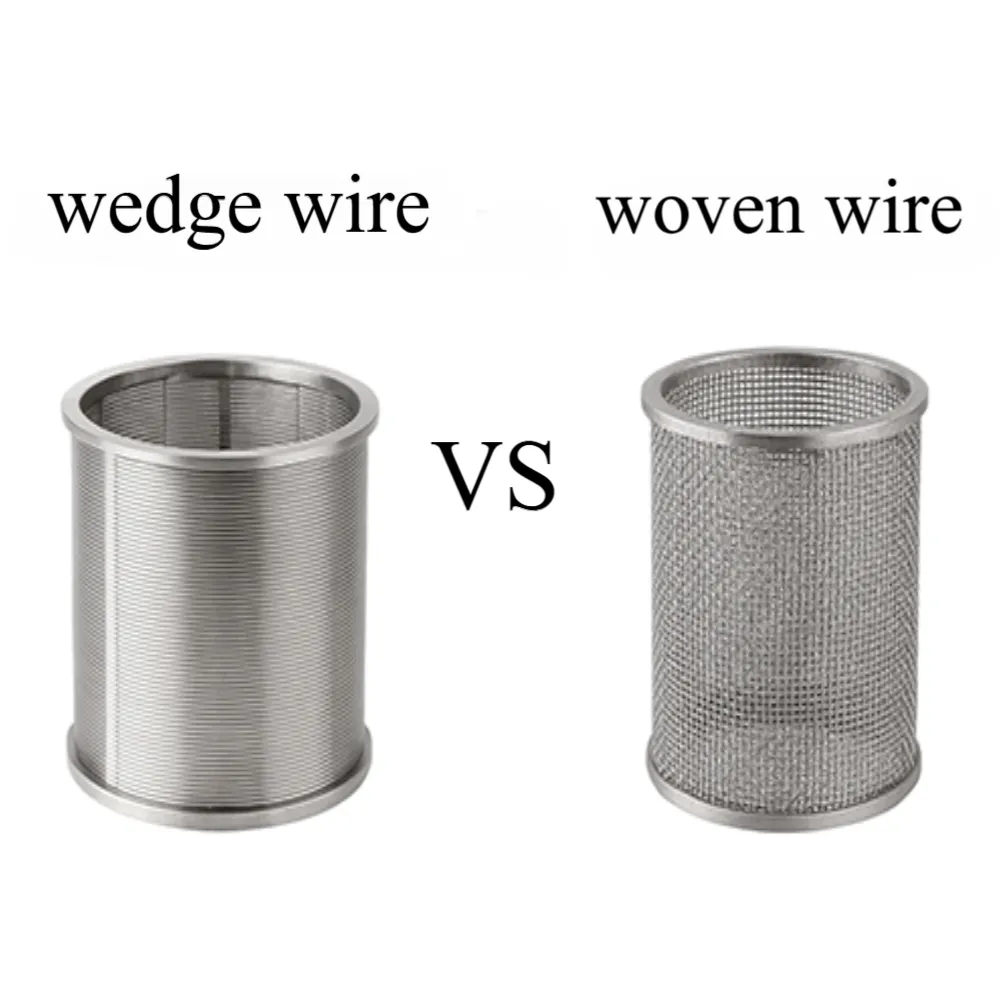
For a woven filter, wire size affects the finished shape. The metal must withstand the fluid and cleaning cycle. For a formed component, bend behavior and surface condition may matter as much as strength.
An anodizing hanger must carry the load and make good electrical contact. It must also resist attack by the bath.
Start with that function. If you’re comparing the main types of metal, review the titanium wire range before preparing a detailed inquiry. Tianjin Jingzhou Metal’s catalog lists Grades 1, 2, 3, and 5; confirm the exact dimensions and condition for your order.
Check what the product name describes, too. Nickel-titanium, often called NiTi or Nitinol, is a separate alloy family. Some NiTi products have shape-memory or superelastic behavior.
Ordinary commercially pure titanium wire and Grade 5 wire don’t automatically have those properties. Titanium-colored wire may also be another metal with a decorative finish, rather than solid titanium.
How to choose titanium wire grades
Compare the material families
Commercially pure titanium contains controlled amounts of other elements, including oxygen and iron. “Commercially pure” doesn’t mean chemically identical across all CP grades. Those small changes help explain the differences in strength and ductility.
Use this table to narrow your choice. Then check the required properties against the wire standard and supplied condition.
| Grade | Material family | Main selection tradeoff | Question to resolve |
|---|---|---|---|
| Grade 1 | Commercially pure titanium | High formability; lower strength than the stronger CP grades | Will the formed part carry the required load? |
| Grade 2 | Commercially pure titanium | Useful balance of strength and ductility | Will this condition suit the bend and load? |
| Grade 3 | Commercially pure titanium | Higher strength than Grade 2, with reduced formability | Can your process form the stronger wire? |
| Grade 5 | Ti-6Al-4V alloy | Higher strength, with more demanding forming requirements | Do you need the alloy strength, and can you form it? |
Grade 4 is another CP grade, but it isn’t among the four grades listed in Jingzhou Metal’s titanium catalog. Avoid treating the table as a complete list of titanium alloys.
Grade 5 contains nominally 6% aluminum and 4% vanadium. It isn’t simply a purer or universally better version of Grade 2. Choose the grade to meet the design needs.
Supplied condition changes forming behavior
Annealed titanium wire and cold-worked wire of the same grade can behave differently. Cold drawing changes mechanical properties; heat treatment can change them again. Ask for the delivery condition and the strength and ductility limits together.
Tensile strength describes resistance to breaking under tension. Yield strength marks the start of permanent strain. Elongation, the stretch before breaking, helps describe ductility.
One strength value doesn’t tell you how a wire will bend. Nor does it prove spring or fatigue life.
For a formed part, test a sample using the intended tooling, bend radius, and process. Record springback, surface marks, and cracking where relevant. A test on another size or condition may not apply to the wire you plan to order.
When sourcing Grade 2 titanium wire, for example, write the grade and condition into the RFQ rather than asking only for “soft titanium.” That turns a vague term into a clear request the supplier can review.
Match properties to the service environment
Titanium’s low density is useful where component weight matters. AZoM’s Grade 1 data lists a typical density of 4.51 g/cm³ and describes its formability. This is a typical value for the metal, not a test result for your batch.
Density alone doesn’t tell you the weight or strength of a finished part. A part may need a different wire size to meet its stiffness or load needs.
Strength and stiffness describe different behavior. One concerns how much load causes lasting change. The other concerns how much a part bends under a load.
Evaluate corrosion in the actual process
Titanium’s protective surface oxide supports corrosion resistance in many environments. Check the fluid chemistry, concentration, and temperature. Time in service and the way parts fit together matter, too. Include cleaning chemicals and shutdown conditions in the assessment.
Acidic free-fluoride exposure deserves particular attention. TIMET’s corrosion guidance identifies conditions in which free fluorides in acidic water can attack titanium. Not all fluoride compounds behave the same way. There is no single safe limit for every process.
For titanium wire used in chemical equipment, give the supplier the full service conditions. Ask for a review of whether the metal suits them. Consider crevices, deposits, and contact with other metals where relevant. The words “corrosion-resistant” can’t replace that review.
Compare titanium wire vs stainless steel by requirement
Name the grade and condition on both sides of the comparison. Neither metal family has one fixed strength. Cold-worked stainless wire can present a different comparison from annealed stainless wire.
If the application can use stainless steel round wire, check it against the same size, corrosion, and load needs. Compare quotations on the same quantity, test records, packing, and delivery basis.
A higher price may make sense for lower weight or better process fit. It doesn’t guarantee a longer life. Work out what is likely to cause failure before claiming lifetime savings from titanium wire.
Specify diameter, condition, and the correct standard
State dimensions and surface requirements explicitly
Titanium wire specifications should give an actual diameter in millimeters or inches. If a drawing uses a gauge number, name the gauge system and include the physical diameter. American Wire Gauge (AWG) and Standard Wire Gauge (SWG) use different sizes for a given gauge number.
Next, define the acceptance limits. As a hypothetical buyer requirement, 1.00 mm ±0.01 mm gives a diameter interval of 0.99–1.01 mm. This is a requested limit, not a promise that a supplier can meet it. It isn’t a standard tolerance for all titanium wire.
Roundness needs attention as well. Ovality is the difference between the largest and smallest diameters at one cross-section. Agree how it will be measured, any separate limit, and the sampling method. A nominal diameter alone doesn’t settle these details.
Define the surface quality your next process needs. Ask which finish will be supplied and which scratches, oxide, or surface residues are allowed. “Bright” describes appearance; it doesn’t prove that wire is clean enough for a particular welding or medical process.
Delivery form can affect production, too. Coils, spools, and straight lengths need different handling. For machine feeding, agree on spool size, how the wire is wound, and any allowed joins. For cut lengths, agree length tolerance and straightness.
Separate mill wire from welding filler
ASTM B863 covers titanium and titanium alloy wire. Its public scope identifies CP grades and titanium alloys, including Grade 5. A purchase order should identify the applicable edition and any extra limits agreed with the supplier.
Titanium welding wire requires a separate check. AWS A5.16/A5.16M addresses titanium welding electrodes and rods, with filler classes and related requirements. Ordinary mill wire isn’t automatically qualified filler because its listed chemistry looks similar.
For a welding order, state the required filler class and welding procedure. Then confirm the delivery form and how clean the wire must be. Ask the welding specialist to confirm that the filler suits the job. A general guide can’t select filler for every base metal and service condition.
Medical or aerospace use calls for more than a generic grade. A wire test report doesn’t approve a finished device. It also doesn’t qualify a supplier for a specific program.
State the material and process standards before asking for a quote. Include any traceability and customer rules.
Build an RFQ and receiving checklist
Give suppliers the same defined request
A useful titanium wire RFQ lets you compare quotes. Include these fields:
- Material: grade, governing standard, required revision, and any approved alternatives.
- Dimensions: diameter, tolerance, ovality, and cut-length or straightness limits where relevant.
- Condition: annealed or another defined delivery condition, with required strength and ductility.
- Surface: finish, cleanliness, and limits tied to the next process step.
- Supply form: coils, spools, or straight lengths, including feed-system needs.
- Quantity: order quantity, sample quantity, and whether any split delivery is required.
- Application: forming, mesh production, welding, or another use, plus relevant service conditions.
- Documentation: heat or lot identification, mill test report (MTR), required results, and any extra test records.
- Packing and delivery: protection, labeling, destination, requested date, and agreed commercial terms.
For drawing review or document questions, check the technical support information and confirm the scope for your specific order. Check any change to the grade, condition, tolerance, or test records before you accept a quote.
Here is an illustrative purchase request, subject to supplier confirmation:
Grade 2 titanium wire to ASTM B863, revision to be agreed; annealed condition; nominal diameter 1.00 mm, requested diameter tolerance ±0.01 mm; spool delivery. Require heat or lot identification and chemistry/mechanical results against the agreed specification. Confirm feasibility, ovality limits, spool dimensions, surface acceptance, quantity, packaging, and delivery terms before order approval.
This example isn’t a verified product specification or a complete purchase order. Add the trade terms and technical details for the real job. Don’t substitute generic handbook strengths for the properties required by your design and wire standard.
Price comparisons should follow that completed request. Grade, diameter, quantity, condition, test scope, and packing can affect a titanium wire quotation. Confirm current availability, minimum order quantity, and lead time directly; a catalog listing doesn’t prove stock is on hand.
Check the shipment against the agreement
First check the labels and test records. Then check the wire itself. Match the checks to the risk of failure and your agreed limits:
- Match package labels, heat or lot numbers, purchase order, and MTR identification.
- Compare reported chemistry and mechanical results with the ordered grade, condition, standard, and additional requirements.
- Measure diameter and ovality with suitable calibrated gauges and the agreed sample plan.
- Inspect surface condition, winding or straightness, and packaging for damage or unacceptable variation.
- Complete any agreed processing trial before releasing the lot for unrestricted production.
Consider a second fictional example. Morgan receives three spools of titanium wire for a mesh trial. Two labels match the supplied MTR, but the third carries a different lot number.
Morgan holds that spool pending clarification and records the mismatch. The decision stays tied to the lot records. Production can tell which wire has matching records and which spool is still on hold.
An MTR supports the checks it records for the identified material. It doesn’t prove every property or the quality of a finished part. It doesn’t approve the wire for every end use. If a result or identity is unclear, resolve it with the supplier before processing the affected titanium wire.
Frequently asked questions
Which titanium wire grade is easiest to bend?
Grade 1 is generally the starting point when formability is the main priority among CP grades. Condition, wire size, bend radius, and tooling still affect the result. Test a sample with the process you plan to use. Don’t choose by grade alone.
Is titanium wire stronger than stainless steel?
It depends on the specific grades and conditions being compared. CP titanium, Grade 5 alloy, annealed stainless steel, and cold-worked stainless wire have different properties. Compare tensile strength, yield strength, ductility, and stiffness for your design. Low density doesn’t mean higher strength in every case.
Can ordinary titanium wire be used as welding filler?
Don’t assume ordinary mill wire is qualified welding filler. Check the required filler class, delivery condition, and test records against the welding procedure. Similar chemistry doesn’t prove that the filler meets those rules or is clean enough.
What should I send a titanium wire supplier for a quote?
Send the grade and standard, diameter and tolerance, condition, surface requirements, quantity, supply form, and required documents. Include the application, drawing where applicable, destination, and requested delivery date. Ask the supplier to flag any change to your request before you approve the order.
Choose and confirm your order
A reliable purchase starts with agreement on what the wire must do and how you’ll accept it. Choose the material family and grade, define the supplied condition, and set clear size limits and test-record needs. Then compare quotes on that same basis.
Before releasing the order, resolve any changes and confirm the sample or test plan. When material arrives, match the lot to its test results. Check the agreed size and surface limits. These steps give procurement, engineering, and quality teams a shared basis for release.
Tianjin Jingzhou Metal’s catalog includes CP Grades 1, 2, and 3, plus Grade 5 alloy wire. To discuss titanium wire for your application, send your specifications for review. Include the drawing, grade, condition, dimensions, quantity, and test-record needs. The quote can then address the wire you intend to buy.