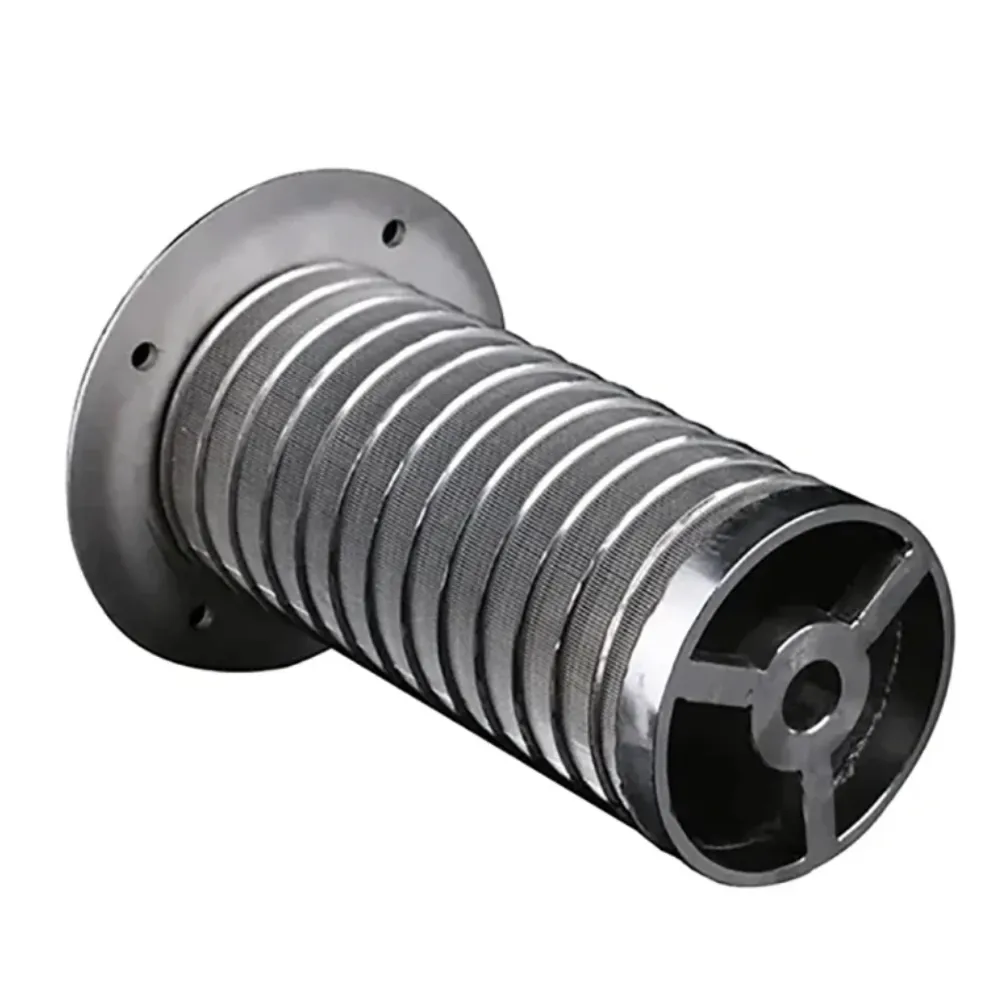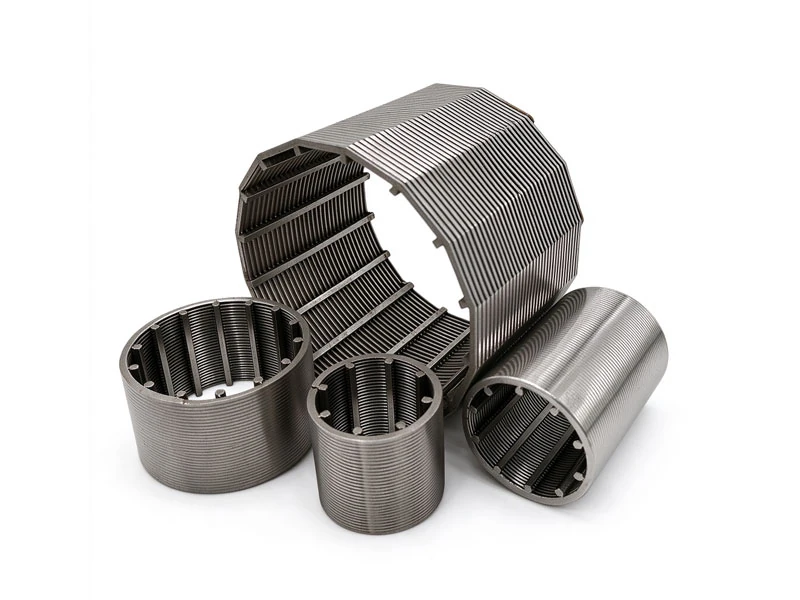
When comparing wedge wire vs woven wire mesh, shortlist welded wedge wire when the duty calls for supported slots and a defined working face. Shortlist a suitable woven assembly when the process needs a specific weave or a fine capture rating backed by test data. Check both designs against the same feed, flow, load and cleaning conditions.
Two replacement basket quotes can show the same opening in microns. One may describe the width of a long slot, while the other describes a mesh aperture or a rating from a test. Before you approve either quote, use the checks below to find out what each number measures and how the complete assembly fits your process.
Key takeaways
- Compare slot geometry, weave and rating method before comparing micron values.
- Ask for installed exposed area and pressure drop at the same duty.
- Check supports, seals and loads in both service and any approved wash cycle.
- Set capture, fit and inspection criteria before approving a replacement.
Wedge wire vs woven wire mesh at a glance
How the two media are built
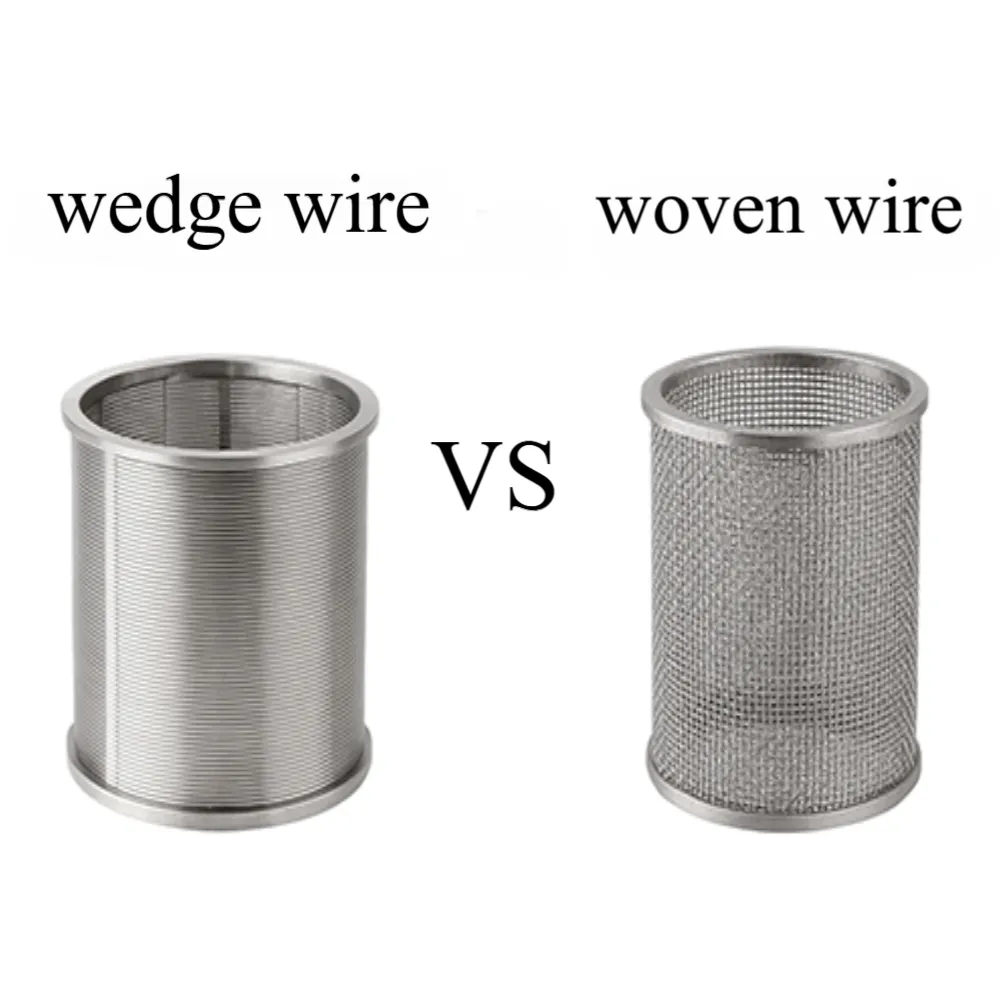
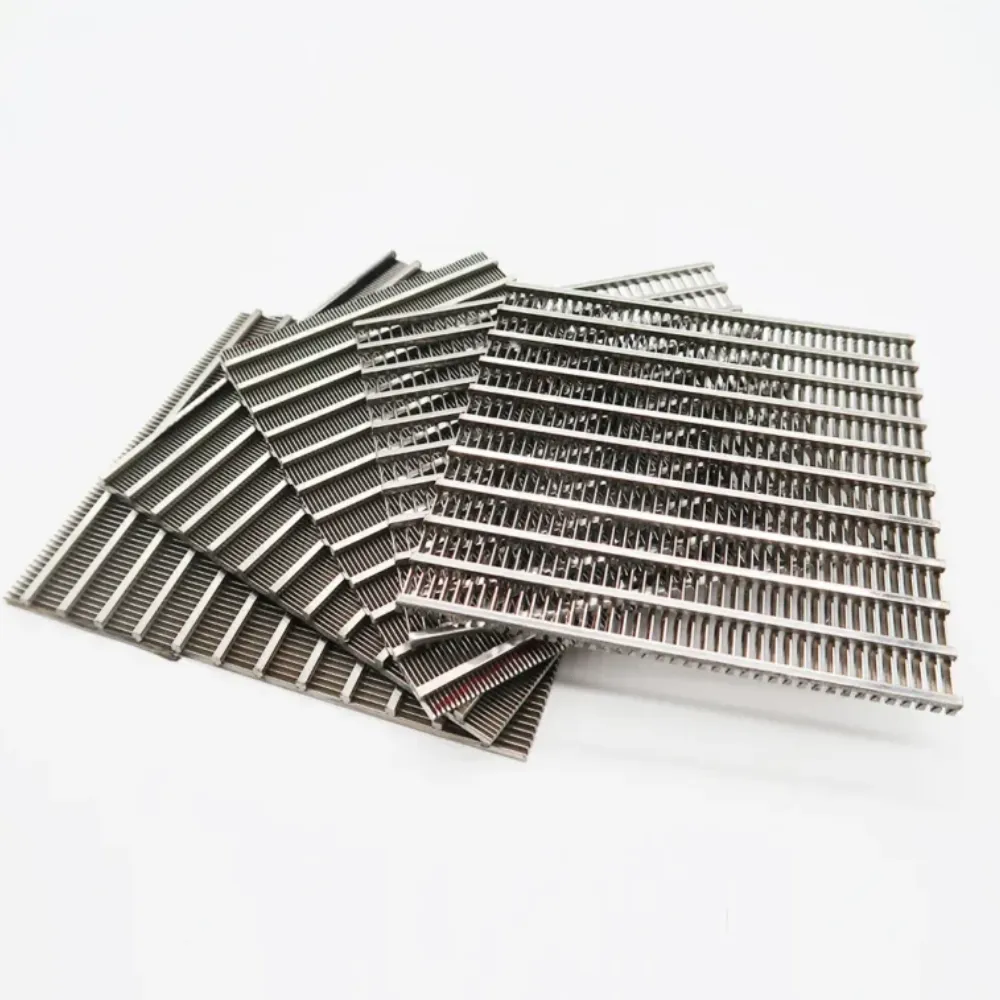
Welded wedge wire screens use profile wires attached to crosswise supports. The gap between the profile wires forms a long slot. The face width of the wire, the slot and the supports all matter when you assess the finished screen.
Woven wire mesh uses wires that cross in a weave. Square mesh presents openings with a width and length, while a Dutch weave uses a different wire arrangement and must be described by its own weave and rating basis. The finished element can include a frame or backing.
A wedge wire vs woven wire mesh comparison should show both the opening and the support. The sketch shows the two simplest views. It omits the frame and is a guide to the drawing labels.
Wedge wire working face Square woven mesh face
========= profile wire +---+---+
--------- long slot | | | square openings
========= profile wire +---+---+
| support below | | | crossing wires| Check | Wedge wire | Woven wire mesh |
|---|---|---|
| Opening | Slot width, direction and tolerance | Weave, aperture or stated rating and method |
| Structure | Profile wires, supports and attachment | Woven layer, backing where used and attachment |
| Fit | Working face, frame and seals | Mesh orientation, backing, frame and seals |
What to bring to a wedge wire vs woven wire mesh review
Bring the old drawing, photos of the installed element and a description of the duty. Look for a drawing note that identifies which side faces the feed. The product range shows the wedge wire forms you can use to frame the discussion. Wedge wire screen configurations.
If you have a basket or panel drawing, share it with us to discuss the wedge wire configuration and the details still needed for an inquiry. Contact Tianjin Jingzhou Metal.
Compare slot width, aperture and capture
Ask what the quoted opening measures
For wedge wire vs woven wire mesh quotes, start by putting the two opening descriptions side by side. For wedge wire, ask for slot width, allowable variation and the drawing view that shows slot direction. For square mesh, ask for the clear opening, wire diameter and weave. A mesh count describes wire or opening spacing by count and leaves the clear aperture unresolved unless the wire diameter is also known.
A long slot and a square opening can interact differently with long or flat particles. Shape and orientation influence how a particle presents to the screen. If a supplier calls an element a micron-rated filter, ask how that rating was established and whether it applies to the offered assembly.
Put the two quotes in separate columns. Keep the opening dimensions in one row and the measured capture in another. If a supplier gives only a mesh count, leave the aperture cell blank until you have the weave and wire size. This keeps the purchase order tied to a value you can check.
A historical US Bureau of Reclamation guide illustrates why geometry matters in wedge wire vs woven wire mesh decisions. In its fish-fry screen example, it cites a maximum woven-wire opening of 2.38 mm and a maximum wedge wire slot width of 1.75 mm. These are examples tied to that guide’s intake context.
Ask what the capture test measures
For a capture-critical wedge wire vs woven wire mesh trial, specify what needs to stay upstream and what can pass. Give both vendors the same description of the feed and the particle sizes and shapes of concern. Ask for the test method, challenge material, flow and basis for reporting the result. A rating with a test report can then be checked against the process target.
Illustrative scenario
A buyer comparing fine-capture elements receives one drawing with a slot tolerance and one proposal with a stated filter rating. The buyer asks both vendors for the capture basis, then gives the process engineer a sample of the actual solids. The engineer uses that sample to decide whether the vendors’ test data cover the duty or a trial is needed.
Compare open area and operating pressure drop

Separate media area from installed exposed area
In a wedge wire vs woven wire mesh comparison, ask vendors to state the denominator behind any open-area percentage. One figure may refer to a bare patch of media. A second may refer to the full element including blocked areas. Frame borders, overlaps and backing can all change how much of the screen face is available for flow.
Mark the flow window on each drawing. Shade the frame and any backing that masks the media as viewed along the flow path. For a basket, mark which wall or end areas take part in the duty. Ask the vendor to state whether the drawing and open-area figure use the same boundary. Wedge wire screen open area.
Use the same basis across the wedge wire vs woven wire mesh shortlist. If one quote gives area in square units and another gives a percentage, ask for the area behind the percentage. Keep a note of the area the vendor used for any pressure-drop calculation so that a later revision can be traced.
For a flat panel, sketch a rectangle for the frame and a second outline for the exposed opening. Shade any bars that cross the opening. Label the face and the flow arrow so the vendor can confirm which view you used.
Compare curves or tests at common conditions
Before comparing pressure drop, check whether each figure covers the screen alone or the screen and housing. Set the same flow, fluid and temperature basis for both proposals. Ask the vendor to identify whether the reading was taken with a clean element and where the pressures were measured.
A wedge wire vs woven wire mesh trial can also record how pressure drop changes as solids collect. Give each assembly a comparable feed and define the end point before starting the trial. If one sample starts with a different load or has a different active area, record the change before using the results to select an element.
Where gravity drives the flow, ask for the head difference across the screen assembly or another measure that the process team can reproduce. Name the expected operating range and identify any point where reduced throughput matters. This gives the vendor a duty to check and gives the site a useful baseline after installation.
If you’ve only received a single reading, ask which duty point it covers. Keep a separate row for the worst feed condition you expect to see.
Compare support, cleaning and installed cost
Check how loads reach the frame
A wedge wire vs woven wire mesh load review should follow the path from the working surface through the supports or backing to the frame and mount. On the wedge wire drawing, identify the profile wires, supports and joins. On the woven assembly, identify where the mesh bears against backing and how its edges are held. Ask for allowable loads for the actual assembly in its mounted position.
Hendrick’s manufacturing video shows how profile wire and supports are joined in one wedge wire process. Use it to recognize those parts on a drawing.
Ask whether a wash cycle changes the direction of loading and how the seals and supports handle it. In a wedge wire vs woven wire mesh retrofit, confirm the working face from the drawing before you accept a cleaning proposal. The installed equipment and approved site procedure govern the wash sequence. Wedge wire screen flow direction.
Compare the work needed to keep the screen in service
For wedge wire vs woven wire mesh maintenance, describe the deposit the team actually sees. Loose solids, fibers and an adherent film call for different checks. Ask which surfaces the approved wash can reach and where released material will go. Confirm what the operator can observe afterward and what requires a planned inspection.
Illustrative scenario
A plant screens a feed that carries long fibers. Its team compares a wedge wire drum design and a woven element, starting with where fibers collect and which areas the approved spray can reach. It plans to record residual deposits by location and compare flow under similar feed conditions after each approved wash.
Include parts and labor in a wedge wire vs woven wire mesh cost review. Record the quote scope, any frame changes, spares, access time and expected labor based on your own work orders. Ask which components can be replaced separately. If a bidder gives a service-life estimate, request the duty and evidence behind it before using it in a cost model.
Choose wedge wire vs woven wire mesh for your application
Start with the job the element must do
For a wedge wire vs woven wire mesh shortlist, put the hardest requirement first. A fine-capture duty may start with measured retention. A high-solids duty may start with the ability to maintain flow and reach the working face for cleaning. A retrofit may start with the envelope, attachment and seal.
Give both suppliers the same list of required and optional features. Have each bidder identify any change to the frame, support, housing or wash system. When a proposal changes several items, ask the process team which changes need a trial and which can be accepted through drawing review.
For each change, note who can approve it. The equipment owner can check the housing and fit. Operations can say when a trial would see a typical load.
Qualify the complete retrofit
Before approving wedge wire vs woven wire mesh for an existing housing, compare the mounting dimensions, seal position, orientation and available access. Check whether the element can be inserted and seated through the same opening. Review the drawing together with the installed equipment reference and record any field dimensions that need confirmation.
Illustrative scenario
A maintenance team plans to replace a woven basket. A wedge wire proposal matches the nominal opening and outside diameter, but its frame drawing shows a seal seat at a different height. The team holds approval while it checks the seat in the housing and asks the vendor to revise the drawing or explain how the seal would engage.
Set acceptance criteria before ordering. A wedge wire vs woven wire mesh qualification can include a drawing check for fit, a dimensional check for the specified opening, and a process trial for capture and pressure drop where required. Give each check an owner and decide what records the buyer needs at delivery. Wedge wire screen specifications and RFQ checklist.
RFQ checklist and FAQ
Use one worksheet for both quotes
Send one wedge wire vs woven wire mesh worksheet to both bidders. Ask each bidder to fill in the offered value and identify whether it comes from a drawing, calculation or test. Attach the reference drawing and include the revision in the worksheet.
If a value is missing, mark it as pending and give it an owner. Keep the completed sheet with the approved drawing so the receiving team has the same reference. Include the test report number when the quote relies on measured capture.
| Item to confirm | Offered value | Evidence reference |
|---|---|---|
| Feed, solids and target capture | ||
| Slot or weave and rating method | ||
| Flow and clean or loaded pressure drop | ||
| Installed area and support layout | ||
| Materials, working face and cleaning loads | ||
| Mount, seal and acceptance requirements |
Can I replace woven mesh with the same nominal wedge wire slot?
Use the nominal value to start the wedge wire vs woven wire mesh review. Compare opening shape, capture evidence and load support before approving the swap. Check the frame, seal and flow direction on the assembled drawing.
Which screen has more open area?
Use the two actual designs for the wedge wire vs woven wire mesh open-area comparison. Ask for the bare media area and the exposed installed area using matching boundaries. Use the matching flow and pressure-drop data to assess whether the available area meets your duty.
Which screen is easier to clean?
In a wedge wire vs woven wire mesh trial, evaluate the deposit, access and approved cleaning method together. Check whether the method reaches the loaded area and clears debris from the unit. Review the screen and the operating readings after cleaning.
What should I send for a replacement quote?
Send the current drawing, equipment reference, feed conditions, target capture and photos of the mount and seals. If your wedge wire vs woven wire mesh review points to a wedge wire replacement, share those details with us to discuss the screen configuration and drawing requirements. Contact Tianjin Jingzhou Metal.