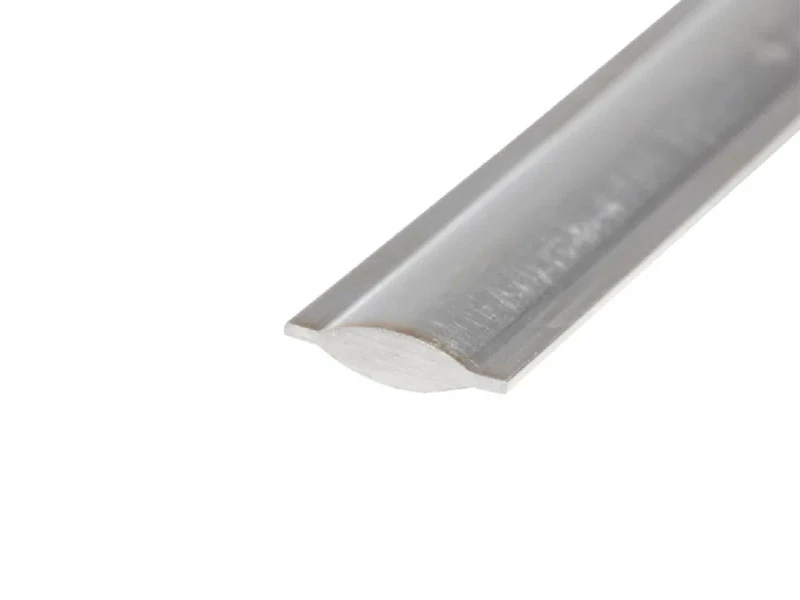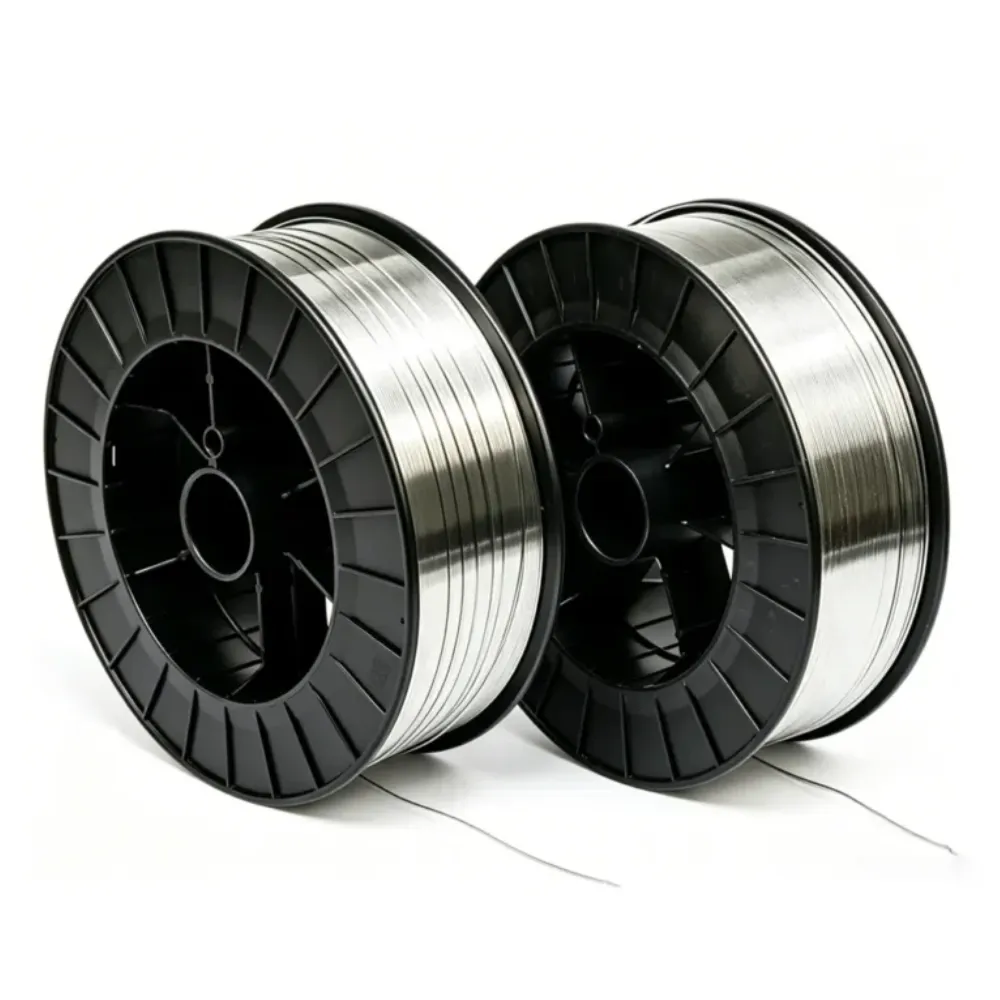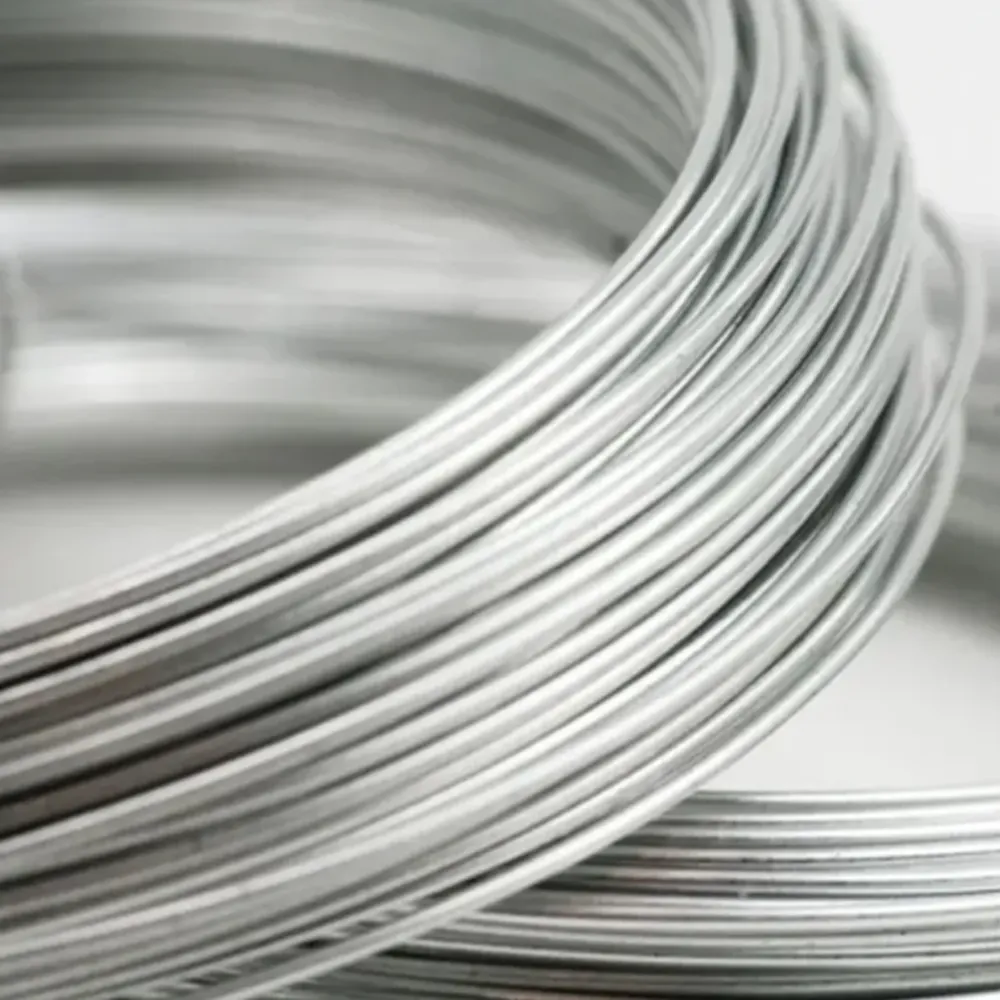
For Grade 2 vs Grade 5 titanium wire, start with Grade 2 when easier forming and corrosion resistance drive the job. Consider Grade 5 when you need more strength. Check the supplied condition, bend demands, and service environment before choosing either grade.
Stronger wire can make a part harder to produce without fixing its main failure mode. You may need a tight loop that holds its shape, a straight length that carries load, or filler for a controlled weld. Those jobs call for different checks, even when the diameter looks the same.
This guide explains the trade-offs and turns them into checks you can use before ordering. It draws on ASTM’s public wire-standard scope, Laube’s data for other product forms, and TWI’s welding guidance. Those sources help explain the grades. Use the agreed wire specification and lot records to decide whether a delivery meets your order.
Start with the part’s function. Then compare forming, service, welding, and total cost on the same basis, so a grade label doesn’t stand in for an engineering decision.
Key Takeaways
- Grade 2 is commercially pure titanium; Grade 5 is Ti-6Al-4V, nominally 6% aluminum and 4% vanadium.
- Annealed Grade 2 titanium wire generally favors easier forming; Grade 5 offers higher strength. Check the supplied condition of both.
- Bar, sheet, and tube property tables do not establish wire acceptance limits under ASTM B863.
- Welding filler needs the right classification and weld procedure; a general wire grade alone is not enough.
Grade 2 vs Grade 5 titanium wire: the key differences
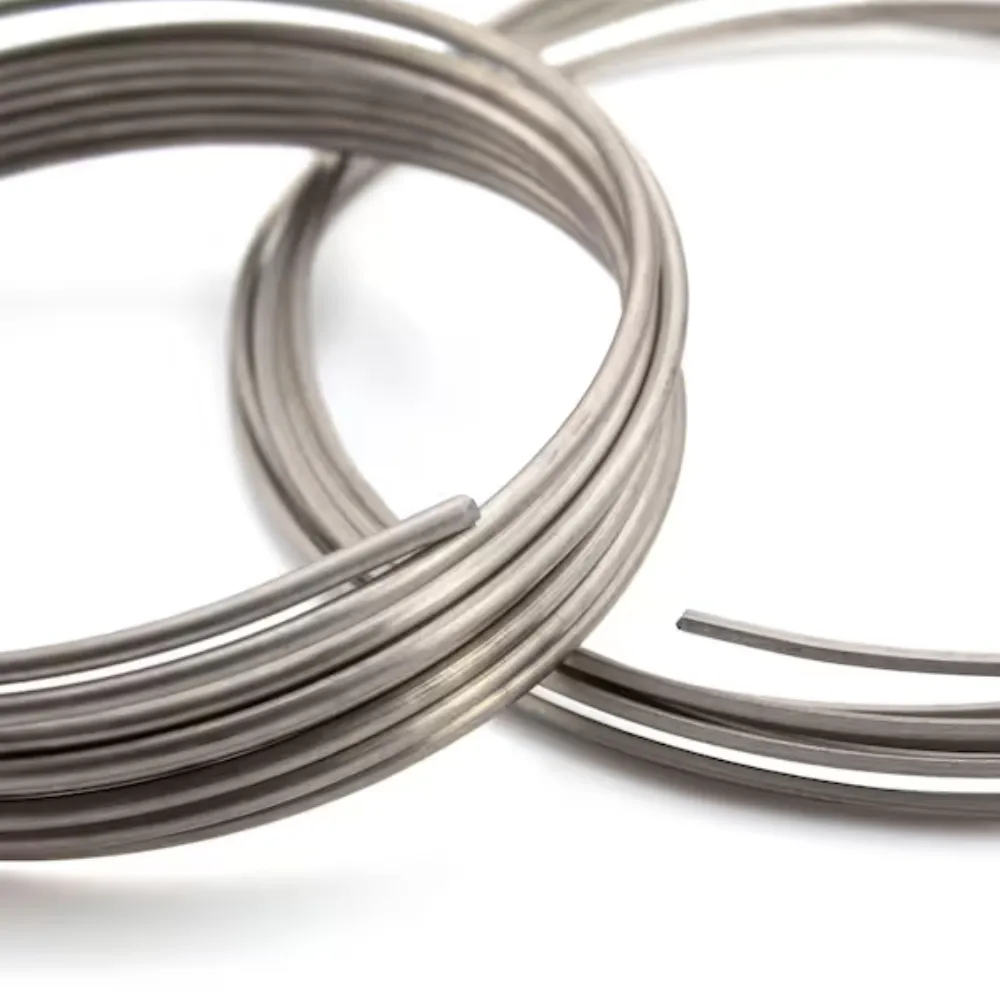
Grade numbers identify materials, not a quality ranking. The ASTM B863-26 public scope identifies Grade 2 as unalloyed titanium, UNS R50400. It identifies Grade 5 as UNS R56400, the titanium alloy commonly called Ti-6Al-4V.
Grade 2 titanium wire belongs to the commercially pure titanium family. Grade 5 titanium wire is an alpha-beta alloy, named for two forms of its crystal structure. Its properties change with processing. That makes the supplied state a key part of the choice.
Grade 5 is also distinct from Grade 23, the extra-low-interstitial (ELI) version of Ti-6Al-4V identified separately in ASTM B863. Do not treat a Grade 5 label as proof of ELI chemistry or approval for an implant.
Explore the titanium wire catalog to see the listed grades before preparing an order-specific inquiry.
What published numbers can tell you
For background, Laube Technology’s Grade 2/Grade 5 comparison gives the following reference values. Its mechanical table concerns annealed material at room temperature under bar, sheet/plate, and tube standards, including B348-19, B265-11, and B338-10e1. These are non-wire reference values, not verified B863-26 wire limits or Jingzhou Metal product guarantees.
| Reference property | Grade 2 | Grade 5 |
|---|---|---|
| Minimum tensile strength in Laube’s stated non-wire comparison | 345 MPa | 895 MPa |
| Minimum elongation in that comparison | 20% | 10% |
| Typical density reported by Laube | 4.51 g/cm³ | 4.43 g/cm³ |
Tensile strength describes stress reached in a pull test. Elongation measures how much the test sample stretches before breaking. Read the two figures together when judging strength and ease of forming.
These values do not predict your wire’s breaking force, its smallest safe bend, or the life of a finished part. Density describes mass per unit volume. The listed density values are typical references, not promises for each batch.
For Grade 2 vs Grade 5 titanium wire, ask which wire requirements and tests apply. A table for another product form cannot tell you whether a coil meets your order. Check the test condition, diameter, and processing history against the wire you will receive.
Tianjin Jingzhou Metal lists Grade 2 titanium wire and Grade 5 titanium wire in its catalog. Send the required grade, drawing, condition, and acceptance criteria for an order-specific review.
Grade 2 vs Grade 5 titanium wire in forming and service
Check the bend and supplied condition
Annealed Grade 2 titanium wire is generally a more forgiving starting point for loops, ties, and formed shapes. Annealing is a heat treatment that can soften worked wire. Commercially pure titanium is worth assessing where easy forming and corrosion resistance drive the choice. You still need to check how the coil runs through your tooling.
Cold drawing changes the material’s state. Two coils of Grade 2 titanium wire can behave differently if one is annealed and the other is heavily cold worked. Ask what condition you will receive. Also check whether later steps will change that state.
Grade 5 titanium wire deserves a closer trial when the shape includes tight bends or several forming steps. Higher strength can mean more forming force and different springback. Springback is the movement toward the original shape when the load is removed. Tooling, diameter, and condition affect it; one allowance will not suit every Grade 5 order.
Hypothetical example: Maya’s formed clip. Maya is planning a clip from 1.0 mm wire, with two bends and a controlled opening. They choose annealed Grade 2 titanium wire for the first trial because the clip needs easy forming. The choice depends on the trial: if the clip meets the load, shape, and service checks, the grade stays in the drawing.
If it fails, Maya will review the shape and wire condition before trying another material.
Use the production tooling, or a setup that closely matches it, for the trial. Record the bend shape, opening after release, surface, and load response. Bending one sample by hand cannot show how a full run will behave.
Separate load, stiffness, fatigue, and corrosion
Strength, stiffness, and fatigue describe different things. Stiffness controls how far a part bends under load; fatigue is damage from repeated loads. Choosing Grade 5 titanium wire for strength does not prove a matching gain in stiffness or fatigue life.
For a part that flexes many times, test the actual shape, surface, load range, and cycle count. Scratches and joints can create places where stress builds up. Use tests that reflect the finished part, rather than a strength ratio from another product form.
Both grades benefit from titanium’s protective oxide film, a thin layer on the surface. It helps commercially pure titanium and titanium alloys resist corrosion in suitable environments. Neither is immune to every chemical. Record the fluid, its concentration and temperature, cleaning agents, and contact with other metals.
Where corrosion drives the choice, review Grade 2 titanium wire against the actual exposure. Where load drives it, assess Grade 5 with the same exposure checks. Choosing Grade 2 vs Grade 5 titanium wire means checking all the job requirements together.
Welding wire needs its own specification
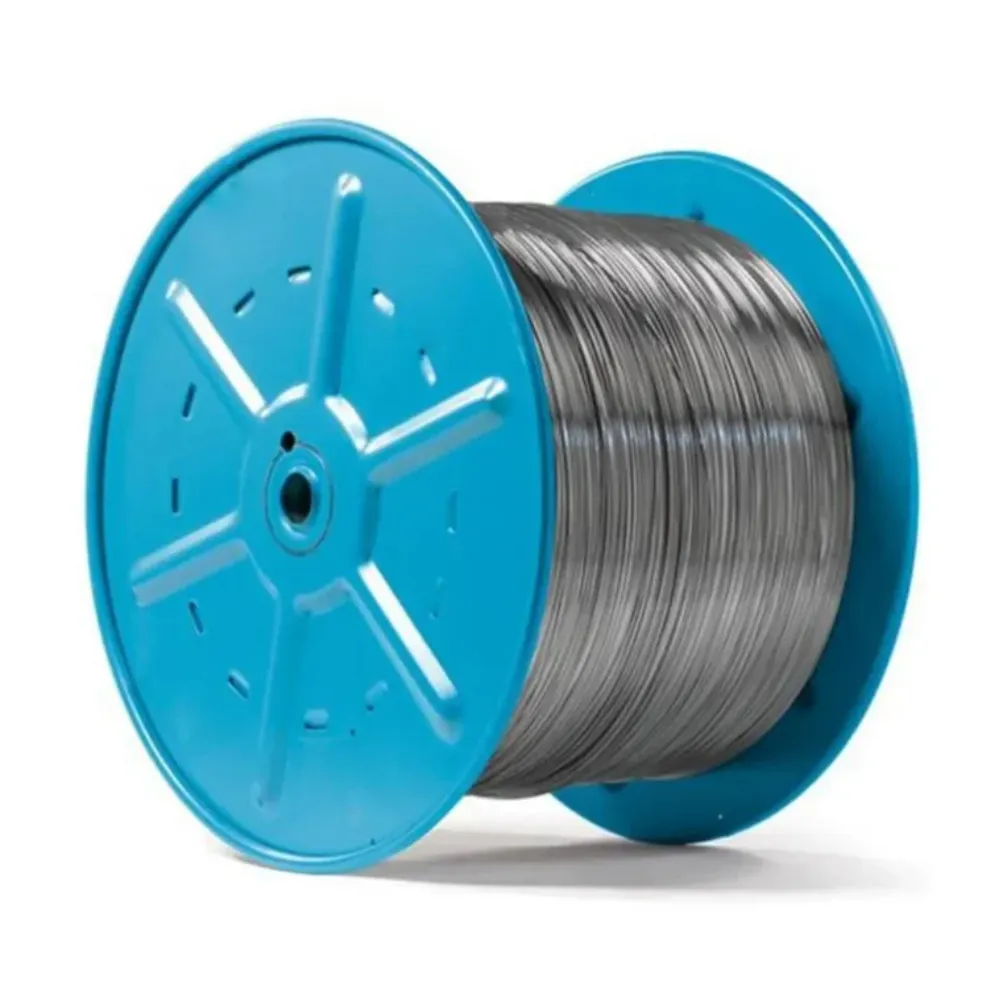
General wire and welding filler need different order details. Wire sold for forming may not meet the rules for welding filler. State the filler classification, standard edition, condition, size, and packing in the order. A bare grade name leaves too much open.
AWS A5.16/A5.16M:2023 addresses titanium and titanium-alloy welding electrodes and rods. Choose the filler classification to match the qualified weld procedure and the job. A broad Grade 2 or Grade 5 label does not prove that match. Ask the welding engineer to confirm it.
In TWI’s welding guidance, written by Gene Mathers, contamination is a central concern. Oxygen, nitrogen, and hydrogen pickup can make a weld brittle, so it may crack rather than bend. Keep filler clean and follow the weld procedure for shielding gas. Protect the cooling weld and the back face as the procedure requires.
Do not use a bright-looking weld as the only acceptance check. Looks alone cannot prove that a weld is free from harmful contamination. Also, a bend radius given for a sheet weld test is not a bend rule for round wire.
Keep filler clean and keep its labels with it through storage and use. For a welded part, settle the filler choice with the welding engineer before comparing offers. A change from commercially pure titanium filler to alloy filler needs a procedure review.
Compare total cost before choosing a grade
There is no reliable universal price multiplier for Grade 2 vs Grade 5 titanium wire. Match diameter, condition, quantity, tests, finish, and delivery form when you compare quotes. If those details differ, two prices may describe different products. Put both offers on the same basis first.
For formed components, compare cost per accepted part. Include material use, setup, tooling, rejected parts, inspection, and any later treatment. A lower price per kilogram can lose its advantage if the wire does not feed or form as required.
Coil behavior matters too. Confirm the spool or coil format, payout requirements, and whether cut lengths need a straightness limit. These details affect how much work the wire needs, even when the alloy is right.
Hypothetical example: Daniel’s quote comparison. Daniel needs 500 cut lengths for a proposed fixture, each 300 mm long. One offer is for annealed Grade 2 titanium wire; another is for Grade 5 titanium wire with a different finish. They hold the choice open and ask for matching finish, condition, and test details.
That gives Daniel a fair basis for pricing the job. Only offers that meet the design requirements will enter the cost review; no saving has yet been shown.
If Grade 2 titanium wire meets the load and exposure needs, a switch to Grade 5 needs a clear benefit. If the design needs the alloy’s strength, include forming and approval costs. A metal price alone is a weak basis for an order with test limits still undecided.
Turn your wire choice into an RFQ
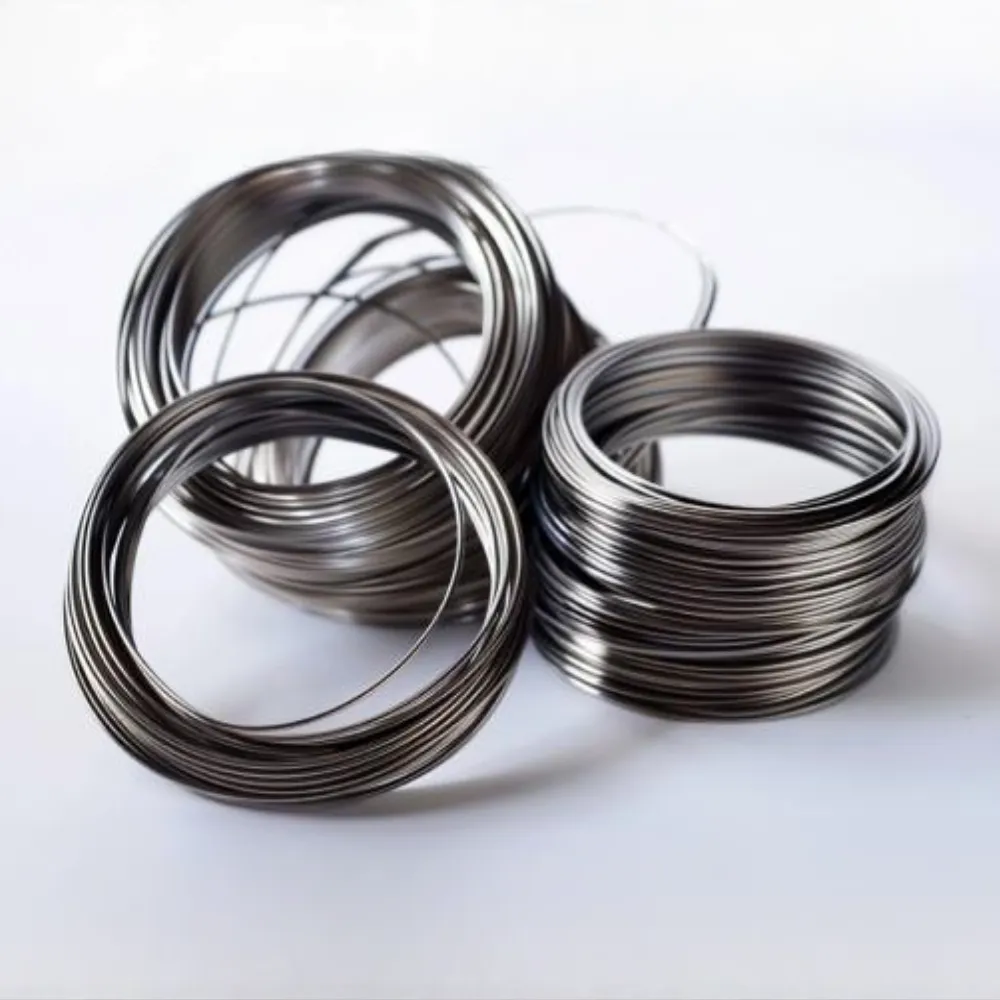
A request for quotation (RFQ) should let each supplier price the same product. Use your drawing and these fields to turn Grade 2 vs Grade 5 titanium wire research into an order you can check. List any open choices. Ask for written answers before you place the order.
- Use and form. State whether you need feedstock for forming or filler for welding. Give the use and the required spool, coil, or cut-length form.
- Grade and standard. Name the grade, product standard, and edition. Resolve any conflict between a local grade name, UNS number, and drawing before ordering.
- Supplied condition. State whether you need annealed or worked wire. List later process steps that affect the part, and ask the supplier to flag any differences from your request.
- Size and tolerance. Give diameter, units, and allowed variation. Include length, straightness, or shape limits where needed, using the drawing’s method of measurement.
- Surface and packing. State the finish and cleanliness you need. Define allowed surface defects and how the wire should be protected in transit; filler may need extra care.
- Tests and records. Define chemistry and strength tests, sampling, lot tracking, and pass limits. Agree on the mill test report (MTR) content instead of assuming all orders include the same records.
- Quantity and terms. Give trial and full-order quantities, destination, packing needs, and your required date. Ask the supplier to confirm the terms in the quote.
Agree on trial and receipt checks
Before you approve full production, check the sample’s grade and condition against the offer. Test forming or welding to the written pass limits. Link the trial record to the wire’s heat or lot number. That link gives you a basis for checking later deliveries.
When the wire arrives, match the package labels to the order and agreed records. Check size and surface using the stated method. If a result or label is unclear, hold the wire while you resolve it. A catalog page cannot show that this lot passed your checks.
The MTR should link test results to the supplied wire through the agreed heat or lot number. Check units, condition, method, and limits. A report headed “titanium” is not enough to show which grade passed which tests. It also cannot prove that your finished part will work as designed.
Have a drawing ready? Use technical support to discuss the grade, condition, tests, and records for your order. Get the agreed requirements in the offer before you buy.
Frequently asked questions
Which is better, Grade 2 or Grade 5 titanium?
Grade 2 titanium wire generally suits easier forming and jobs driven by corrosion resistance. Grade 5 suits parts that need its higher strength. Neither grade is best for every job. Compare the supplied condition, size, surface, and finished-part tests before choosing.
What’s the strongest grade of titanium?
Grade 5 is stronger than Grade 2 in the cited annealed reference data. This does not make it the strongest titanium material in every state. The alloy and processing both matter. Grade numbers are not a strength scale; use wire data that fits your design.
Can Grade 5 titanium wire be bent?
Yes, but the bend depends on size, supplied condition, tooling, and the final shape you need. Run a trial that reflects your process. No single bend-radius rule fits all Grade 5 wire. If a tight bend fails, review the wire state and part design together.
Is Grade 2 titanium wire cheaper than Grade 5?
Get current quotes on the same basis to answer that for your order. Quantity, finish, condition, tests, and delivery terms can change the price. Where forming or test costs are high, compare cost per accepted part. A broad price-per-kilogram ratio is not a budget for your job.
Can I interchange Grade 2 and Grade 5 welding wire?
Do not substitute them without approval under the applicable welding procedure. Commercially pure titanium and Ti-6Al-4V are different materials. A general grade name cannot replace the required filler classification. Settle the filler, weld procedure, and tests before you buy or use it.
Choose the wire for the job
Start with the failure your design must prevent. If forming and corrosion resistance drive the choice, assess annealed Grade 2 titanium wire first. If strength is the main constraint, check Grade 5 along with its forming, service, and test needs. Both choices need evidence for the job.
Keep three points clear as you plan an order. Reference tables help explain the grades; agreed wire limits decide acceptance. The grade and supplied condition both affect the part. Also check whether you need forming feedstock or classified filler, since each follows its own order requirements.
Write down the pass limits before you request a sample or quote. Use the same limits for the offer, trial, and incoming checks. Resolve differences before the wire reaches production, so a trial result stays useful when you place a larger order.
For an order-specific review of Grade 2 vs Grade 5 titanium wire, send your wire specifications with the drawing, condition, service environment, and test requirements. That gives the supplier a clear basis for a quote you can check.