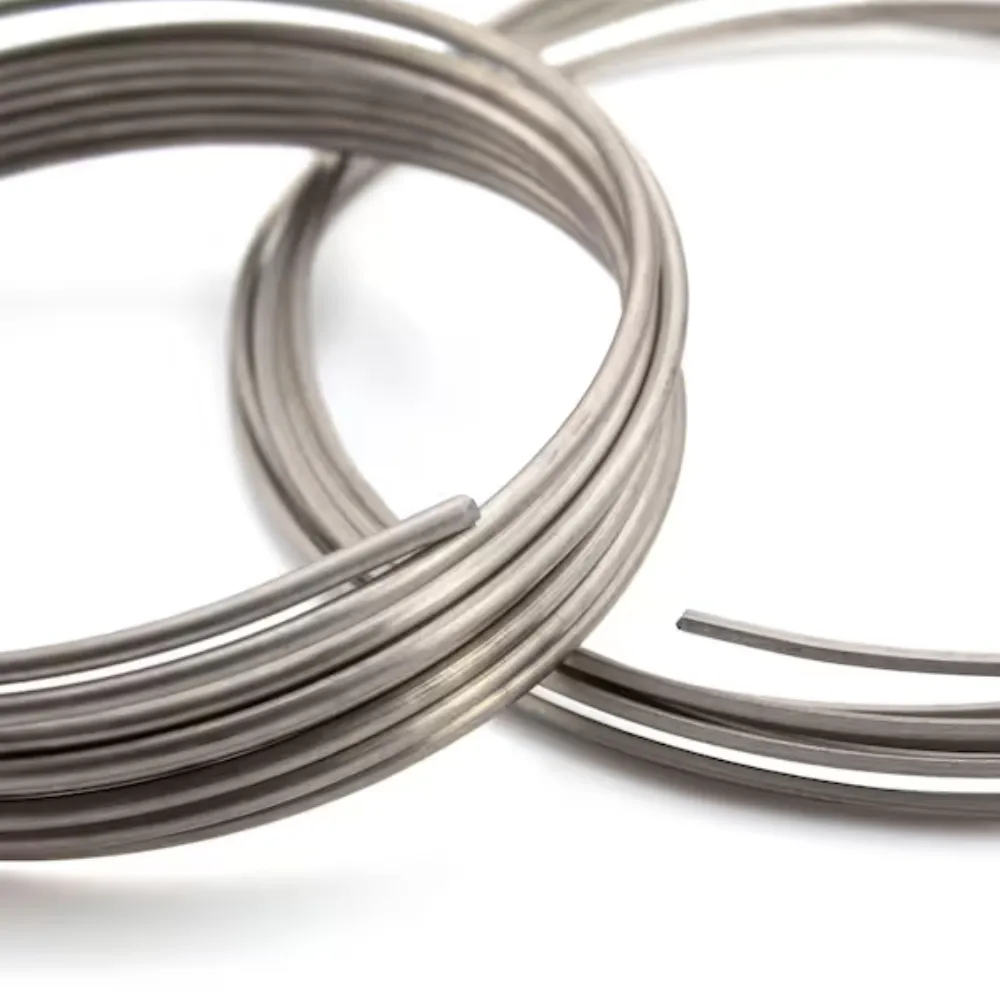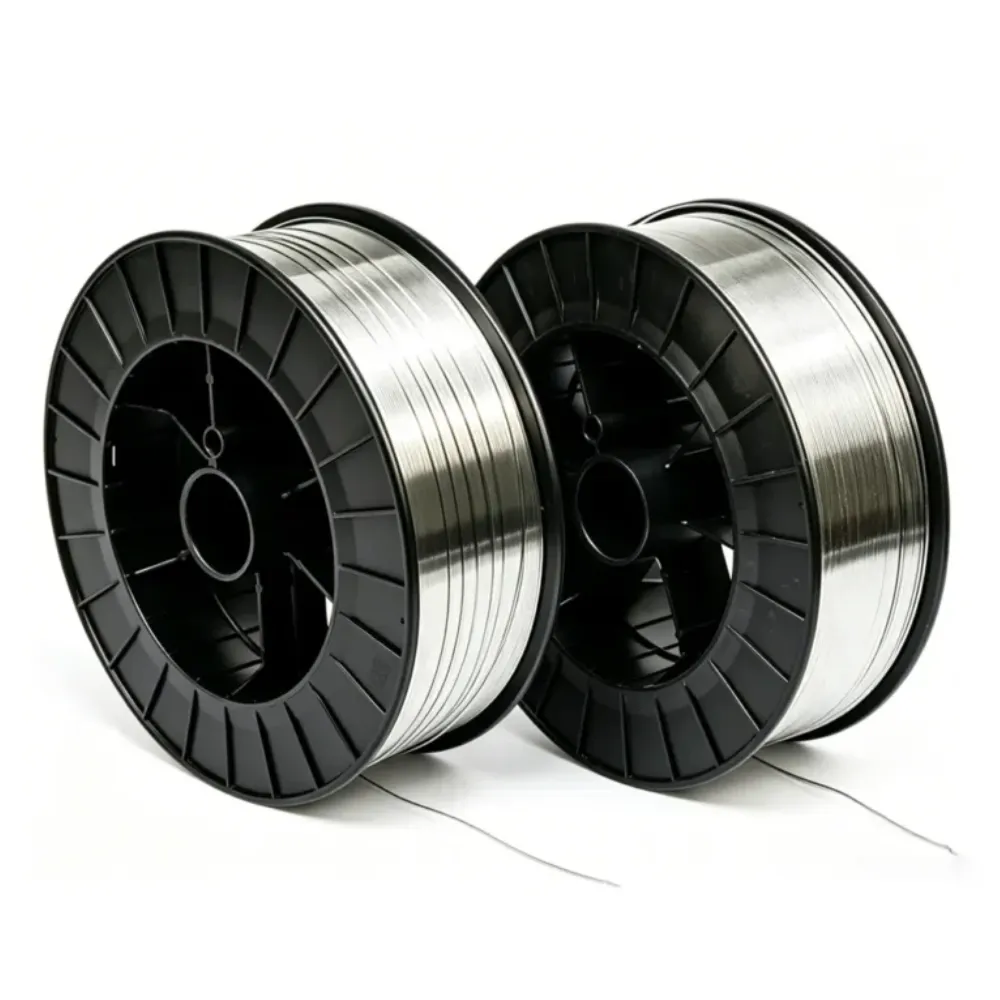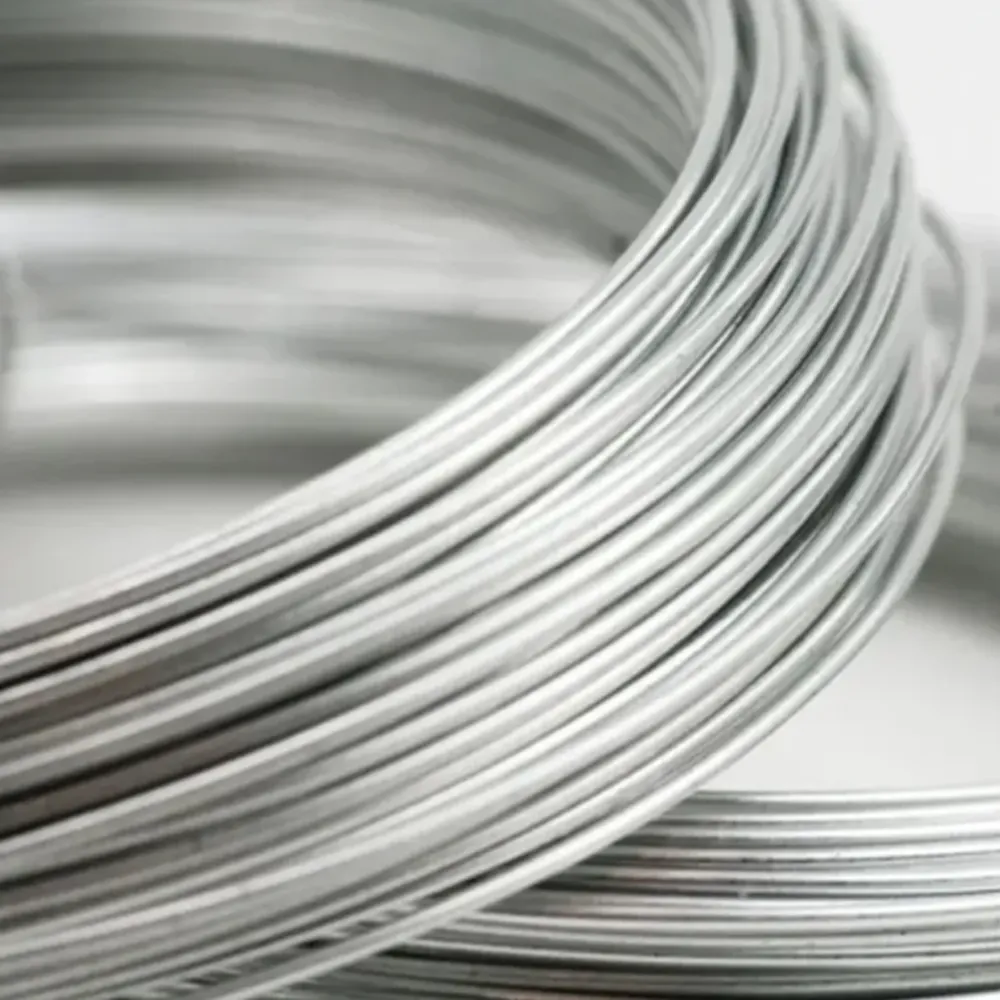
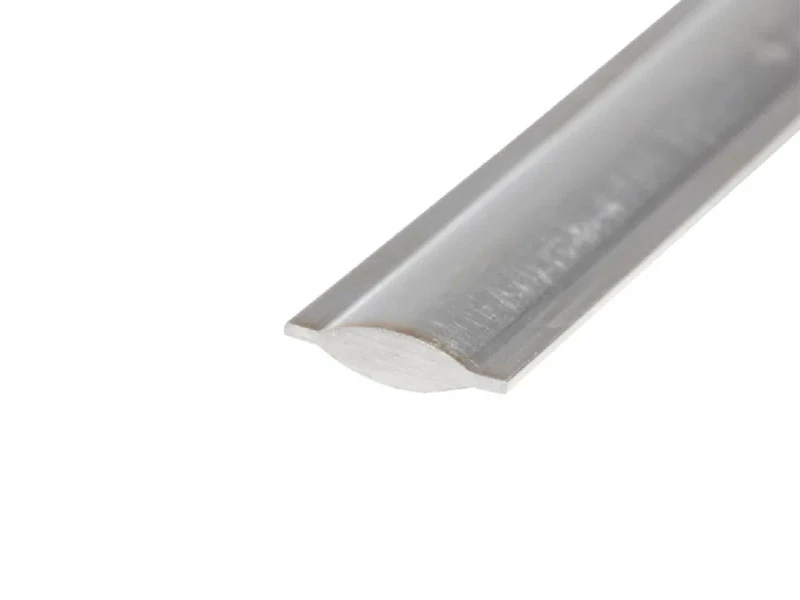
Oval wire looks simple at a glance. It is a metal strand with a flattened, elliptical cross-section rather than a round one. Yet that small change in shape changes how the wire sits, bends, and touches the parts around it. Buyers who understand the geometry early tend to avoid expensive rework later. This guide walks through the shapes, materials, and checks that matter, in plain language.
Key Takeaways
- Oval Wire is defined by its cross-section, not by a single grade or process. The major axis, minor axis, and edge radius describe it.
- A flattened profile offers different stiffness in different directions, a wider contact face, and better use of tight space.
- Grade 304 suits general surroundings. Grades such as 316L, 321, or 310S earn consideration once corrosion or heat becomes a concern.
- Temper matters as much as grade. Soft wire bends and stamps easily, while hard wire holds its shape and resists wear.
- A clear order describes dimensions, stainless steel wire tolerance, straightness, surface, and delivery form together. Leaving any one of them out invites surprises.
What Is Oval Wire?
The term describes a shape. Picture a circle pressed gently flat. The result has a long dimension, called the major axis, and a short one, called the minor axis. The rounded ends are set by the edge radius. Together these three features decide how the wire behaves inside an assembly.
Oval profiles belong to the wider family of Stainless Steel Shaped Wire. Unlike round wire, which behaves much the same in every direction, an oval section is directional. Turn it ninety degrees and its resistance to bending changes. Designers use that property on purpose, lining the strong axis up with the load and the flat face with the mating part.
The section is also smooth and free of sharp corners. That reduces local pressure on nearby components. Jewellery links, bag hardware, light frames, and guide elements are typical places where the shape earns its keep.
Reading the Profile Geometry
Getting the geometry right starts with a few simple questions. How much width is available? Which face touches another part? Will the wire be bent, stamped, or left straight? The answers point to a sensible major axis, minor axis, and edge radius.
The table below compares common sections. It is meant to guide discussion rather than to promise performance in a finished product.
| Cross-section | Main feature | When it helps | What to define on the drawing |
| Round | Same width in every direction | General springs, pins, and feeds | Diameter and tolerance |
| Flat | Rectangular, with distinct width and thickness | Low-profile parts and broad contact faces | Width, thickness, edge condition |
| Oval | Elongated ellipse with rounded ends | Compact parts that need a wide face and smooth edges | Major axis, minor axis, edge radius |
| Half-round | One flat face, one curved face | Parts that sit against a surface | Flat width, overall height, contour |
A wider face spreads contact over a larger area. That can lower the pressure at any single point and make assembly more forgiving. At the same time, the extra width consumes space in one direction only, which is useful when the available slot is shallow but long.
Materials and Conditions
Grade selection begins with the environment. General indoor or atmospheric exposure rarely asks for more than 304. Add chlorides, salt spray, or chemical cleaning, and SS 304 Shaped Wire gives way to 316 or 316L. Heat or aggressive media may call for 321, 316Ti, or 310S. Once hardness and wear lead the list, martensitic grades such as 410 and 420, or precipitation-hardened 17-4PH, enter the conversation.
Condition is a separate choice. Soft, annealed wire accepts tight bending and stamping without cracking. Light-drawn or medium-hard wire offers a middle path. Hard or spring temper keeps its shape and resists abrasion, although it fights the forming tool. Stating the required mechanical behaviour early is more useful than asking for a vague hard or soft wire.
Austenitic stainless steel keeps an elastic modulus near 190–200 GPa across many grades. That figure is a useful starting point for springback discussions. The final value, however, depends on the exact alloy and condition.
Mechanical and Physical Behaviour
Two ideas govern most conversations about oval wire: how much it stretches before breaking, and how it responds to repeated bending. Annealed austenitic grades elongate readily, which is why they suit forming work. Cold drawing raises strength while spending that ductility. The trade-off is worth planning rather than discovering during a production run.
Hardness often serves as a quick shop-floor check on condition. Brinell readings give a rough guide to how much cold work the wire has seen. Elastic modulus, by contrast, changes little with processing. Buyers who keep these ideas separate write clearer enquiries and receive more comparable offers.
Where Oval Wire Is Used
The profile appears wherever a part must be slim, smooth, and repeatable:
- Medical and precision instruments, including flexible supports and fine guide elements
- Optical equipment, where light guides and miniature support pieces need stable shapes
- Automotive trims, seal inserts, and small elastic connectors
- Jewellery, eyewear, and decorative hardware, where surface appearance matters
- Lighting frames and clips, where a rounded edge improves touch and safety
Each setting asks something different. A medical guide values cleanliness and consistency, whereas an automotive trim cares about finish and springback. Knowing the end use helps a supplier recommend a practical grade and condition.
How to Specify Oval Wire
A short enquiry often causes the longest delay. Naming the material and the two axes is a good start, although it leaves several questions open. Buyers who want comparable quotes should describe the whole requirement:
- Major axis, minor axis, and their individual limits
- Symmetry between the two ends of the ellipse and the edge radius
- Straightness, twist, and cut length where relevant
- Grade, condition, and expected mechanical behaviour
- Surface finish, packaging, and delivery form
Tolerance deserves special attention here. An oval section can measure correctly across its width and still fail to fit if the contour or the short-axis limit is loose. Agreeing a stainless steel wire tolerance on the critical dimensions stops two suppliers from quoting to different rules. The same logic applies to straightness and twist, which are easy to overlook until the wire feeds poorly on an automated line.
When a standard profile does not fit the part, a Custom Stainless Steel Wire drawn to an approved sketch becomes the sensible route. Share the intended assembly, the later forming steps, and the inspection method. Those details let the supplier flag problems before tooling begins.
Performance in Demanding Environments
Service conditions shape both the grade and the profile. Heat can weaken a wire over time and change its dimensions, so heat-resistant alloys and a little extra clearance help. Cold raises the risk of brittle behaviour, and austenitic grades with controlled cold work handle it better. Damp or salty air invites surface attack, which calls for a more resistant alloy and a cleaner finish.
Under high pressure or heavy bending, geometry matters. A thicker section or a tuned width-to-thickness ratio resists distortion. Repeated flexing asks for smooth transitions and low residual stress, followed by a fatigue check on the finished part. Thinking through these cases early keeps later failures rare.
Jingzhou Metal’s Stainless Steel Oval Wire
The earlier sections describe the product family in general terms. This section turns to one specific offer, from a maker that has focused on stainless steel wire since 2009.
Profile Range and Material Choices
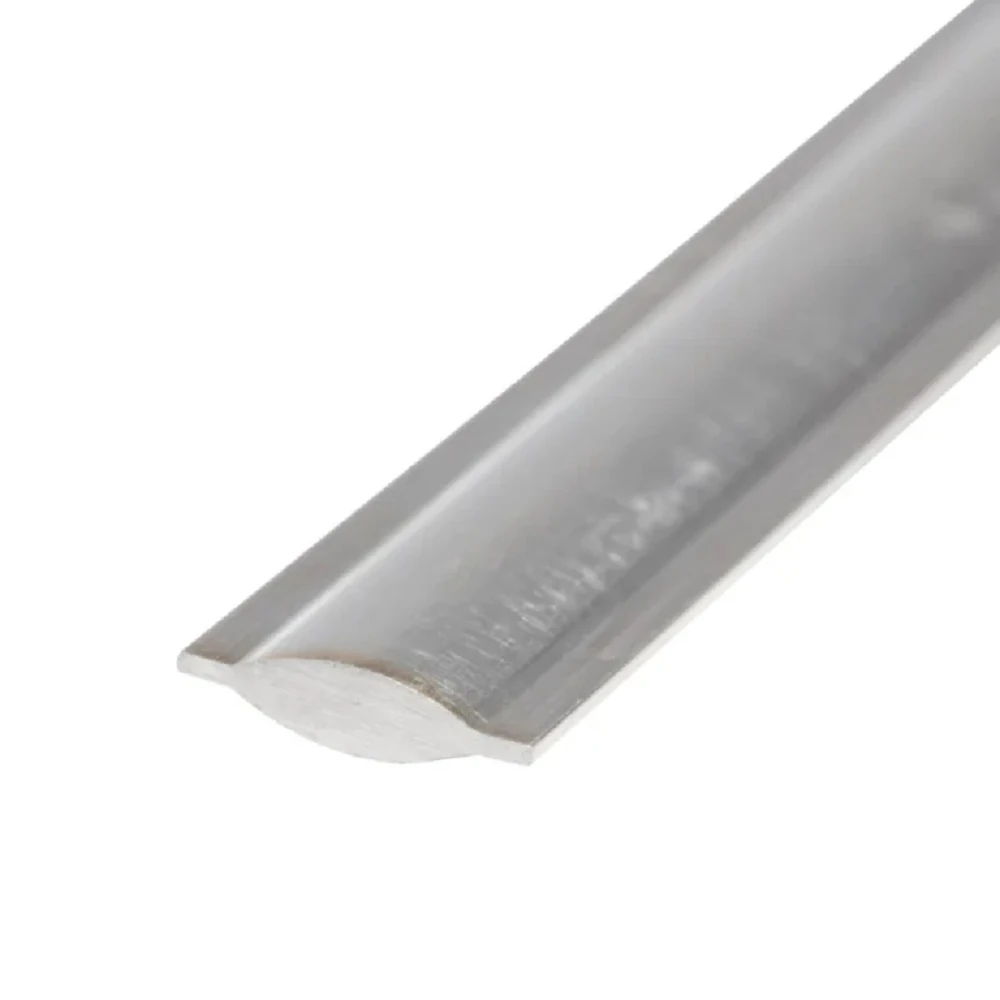
Jingzhou Metal produces oval sections in common sizes of 0.8 × 1.6 mm, 2.4 × 3.0 mm, 2.2 × 2.7 mm, 2.0 × 2.4 mm, and 1.8 × 2.2 mm. Other dimensions are drawn to order. The flattened shape puts more width into a shallow space, gives each direction its own bending response, and replaces sharp corners with a smooth arc. That combination helps parts sit flush, resist local contact damage, and fit compact layouts.
Material options cover 304, 304L, 316, and 316L, with 321, 316Ti, 310S, 410, 420, and 17-4PH available for harsher or harder-duty work. Bright and polished surfaces are supplied. The wire comes either on coils for continuous feeding or as cut lengths for direct use.
Mechanical Data
For the 304 annealed condition, elongation falls in the 40–60% range, hardness measures 150–201 HB, and the elastic modulus sits between 190 and 200 GPa. These values describe the supplied, unworked state. Buyers who plan heavy forming usually start here, then confirm the condition they actually need.
Production and Quality
The company operates under an ISO 9001 quality system. Two utility models support the line. CN224073015U covers a combined drawing and cold-rolling machine that draws, polishes, and collects residue in one pass, with replaceable blocks to suit different wire diameters. CN224245922U describes a lubrication device that applies oil evenly through a spray ring and clears the excess, helping to reduce surface defects. Together they support a consistent shape and a cleaner finish across a production run.
Industries Served
Oval wire from this line goes into flexible supports for medical and precision instruments, light guides and miniature parts for optical equipment, and trim skeletons, seal inserts, and elastic links for vehicles.
Frequently Asked Questions
Which materials are common for oval wire?
304 and 304L handle ordinary atmospheres. Grades 316 and 316L suit chloride or chemical exposure, while 321, 316Ti, and 310S serve hotter or more aggressive settings. Higher hardness needs may point to 410, 420, or 17-4PH.
Should I choose soft or hard temper?
Soft wire suits heavy bending and stamping. Hard or spring temper suits parts that must hold their shape or resist wear, and light-drawn and medium conditions sit between the two. State the mechanical behaviour you need rather than a single word.
What finishes and delivery forms are available?
Bright and polished surfaces are common. Coils feed automated equipment well, whereas cut straight lengths suit direct cutting and jobs that demand tight straightness. Finish, straightness, and roughness belong in the written agreement.
What do buyers most often overlook?
They often agree only on grade and the two axes. Short-axis tolerance, symmetry, straightness, twist, tensile behaviour, and supplied condition stay undefined. Those omissions, more than the outline itself, cause most quality disputes.
Conclusion
Oval wire is a small component with a surprisingly large influence on how a part fits, contacts, and lasts. Start with the geometry, match the grade and temper to the service, and write the critical dimensions and tolerances into the order. A clear requirement at the front saves both time and material at the back. If you are ready to turn a sketch into a supplyable profile, send your dimensions and quantities to Jingzhou Metal to discuss an oval wire quote.