Key Takeaways
- Grade 5 Titanium Wire is Ti-6Al-4V, supplied from 0.1 mm to 30 mm in three tempers.
- Temper, diameter, and standard decide what the wire can do. The grade name on its own does not.
- Annealed wire is the usual starting point for forming, and most test figures describe that condition.
What Grade 5 Titanium Wire Is
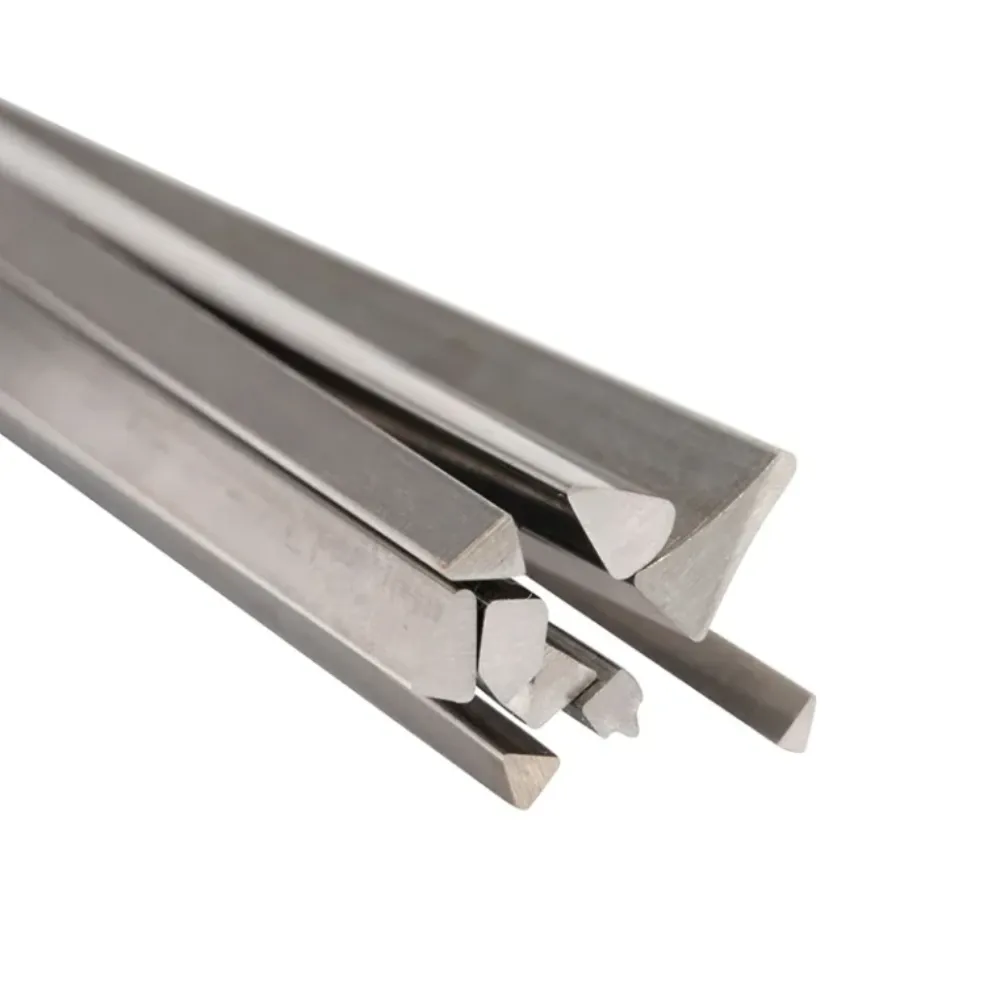
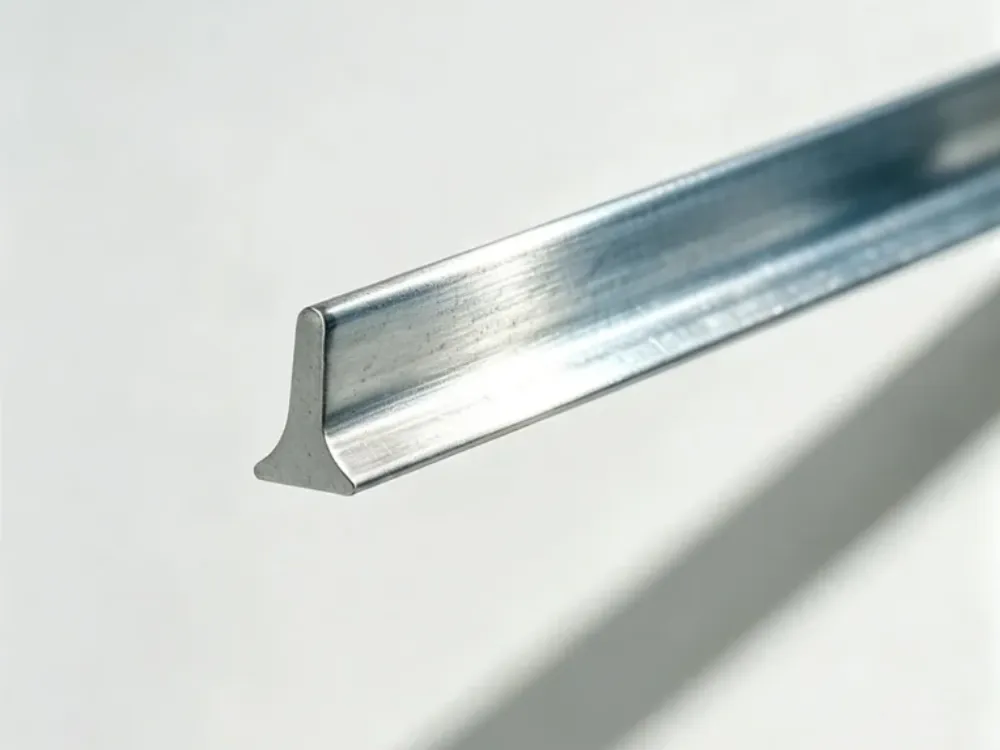
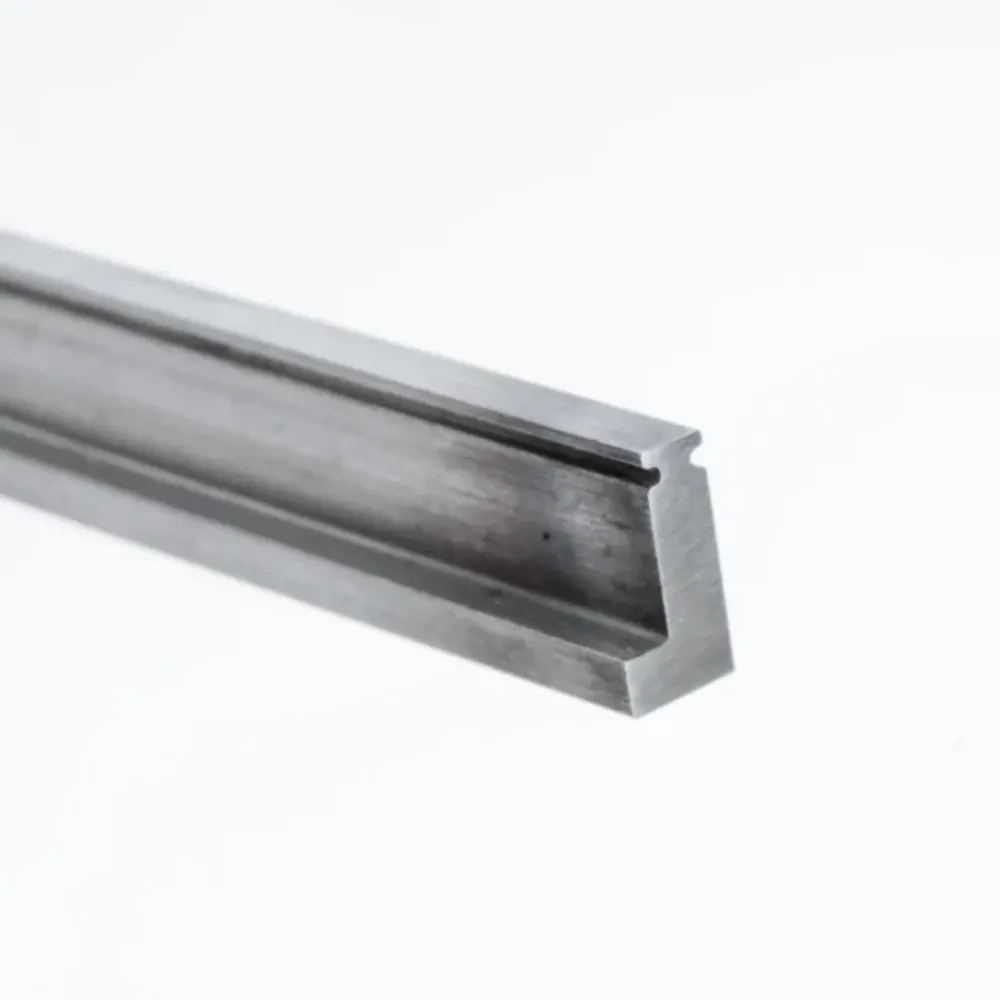
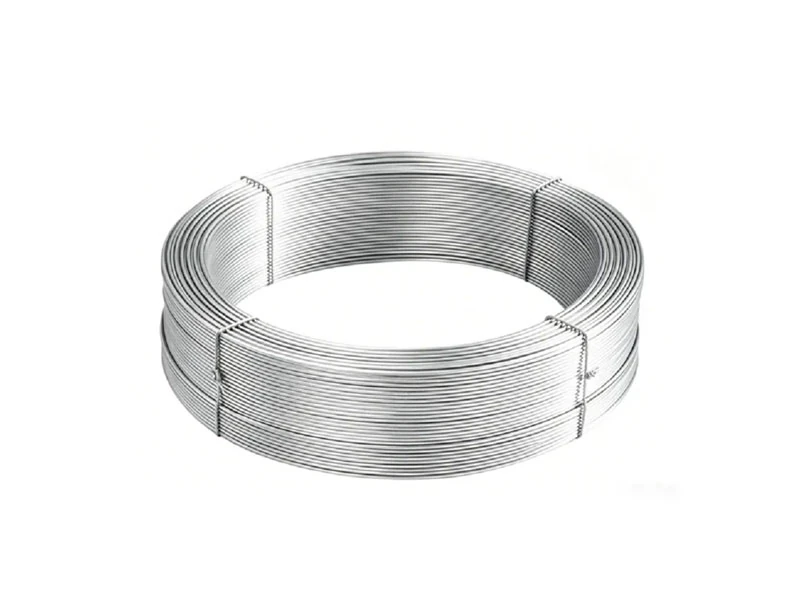
Grade 5 Titanium Wire is wire drawn from Ti-6Al-4V, an alloy of titanium with 6 percent aluminum and 4 percent vanadium. It comes in round or profiled sections, as coils or straight lengths. The alloy is roughly twice as strong as stainless steel and about 56 percent as dense. It also holds its strength at temperatures where aluminum would soften.
Composition and Common Names
The same alloy is sold under several names. ASTM calls it Grade 5, UNS lists it as R56400, Chinese mills write TC4, and buyers often ask for Gr5 Titanium Wire. Grade 23 is the ELI version of the same alloy, with tighter limits on oxygen, nitrogen, carbon, and hydrogen. It is the grade ordered for parts that stay in the body.
How It Compares with 316L Stainless Steel
Most projects start with 316L stainless steel because it welds easily and costs less. Titanium is chosen when a part must carry a heavy load in a small section, survive chlorides for years, or lose weight because it moves.
| Property | Grade 5 titanium (Ti-6Al-4V), annealed | 316L stainless steel |
| Density | 4.43 g/cm³ | 7.98 g/cm³ |
| Tensile strength | 900–1,100 MPa | 485–620 MPa |
| Yield strength | 830–1,000 MPa | 170–310 MPa |
| Specific strength | about 200 kN·m/kg | about 60–80 kN·m/kg |
| Hardness | 334 HB | 149–217 HB |
| Biocompatibility | implant grade | food and medical grade |
Specific strength is the load a material carries per unit of weight, and Grade 5 reaches about three times the value of 316L. With the density figures above, the same part comes out about 44 percent lighter. The trade is cost and machining: Grade 5 costs several times as much per kilogram, cuts more slowly, and needs tighter process control.
Why It Resists Corrosion
Titanium forms a thin titanium dioxide layer on its surface, and that layer regrows as soon as it is damaged. The film resists most acids, alkalis, seawater, chlorine, and oxidizing conditions that would attack other metals. Strong reducing acids and hydrofluoric acid are the exceptions, so the service environment still has to be checked.
How Temper Decides Performance
Temper is the condition of the metal when the coil leaves the mill, and it changes the wire more than the grade does. The same Grade 5 chemistry can arrive soft, springy, or in between, and each one behaves differently on the machine.
Annealed, Cold-Drawn, and Stress-Relieved
Annealed wire is soft and predictable. It carries the figures most test reports show: 900 to 1,100 MPa tensile, 830 to 1,000 MPa yield, and 10 to 15 percent elongation. Cold-drawn wire keeps the strength that drawing forced into it, so tensile rises above that range and elongation falls. Stress-relieved wire sits between the two, with most of the cold-drawn strength and enough stress removed to take a bend.
Matching Temper to the Next Operation
The useful question is what happens to the wire next. Coiling and bending need elongation, so annealed or stress-relieved stock is the safer start. A spring that has to hold its shape under load needs cold-drawn strength. A tighter coil needs more elongation, not more strength, so the two requirements pull in opposite directions. Welding is a third case. Heat softens the wire locally, and cold-drawn strength does not survive it, so welded assemblies usually start from annealed stock.
How Diameter Decides Performance
Diameter sets the cross section, and the cross section sets how much load the wire can carry and how tight it can bend. It also limits what the mill can deliver, because small sizes and large sizes are made in different ways.
The Size Range and What Changes with Size
Supply runs from 0.1 mm to 30 mm. Fine wire takes many drawing passes and collects a great deal of cold work, which is how small sizes reach the highest strength. Small sizes are less forgiving too. A scratch that is invisible on 5 mm wire becomes a stress raiser at 0.5 mm, and fatigue cracks start from points like that.
Bend Radius and Coil Size
Minimum bend radius grows with the wire diameter. A part formed to a fixed radius that works in 1 mm wire will crack in 2 mm wire of the same temper. The outer surface of the bend has to stretch twice as far as it did in the smaller wire. A tight wrap on the spool leaves a permanent set of the same kind. Where a drawing fixes both radius and size, check the two together.
Tolerance and Surface Condition
A diameter written without a tolerance band, or with a band and no measuring basis, invites a dispute at receiving. Three points are worth settling before the order goes out. Does the tolerance apply to a single reading or to an average across the coil? How is ovality counted? Does the limit hold at both ends of the coil? Surface matters as well. Pickled wire suits most forming work, while ground or polished wire costs more and is chosen where surface defects would affect the part in service.
How Standard Decides Performance
A standard is the document that says how the wire is made, tested, and reported. Two mills can supply the same grade and still differ in what they guarantee, and the standard is where that difference is written down.
ASTM B863, ASTM B348, and AMS 4928
ASTM B863 is written for titanium wire and is the standard most wire orders cite. ASTM B348 covers titanium bar and billet, the stock the wire is drawn from, so it appears on upstream paperwork. AMS 4928 is the aerospace material standard for Ti-6Al-4V. Grade and standard belong together: Grade 5 per ASTM B863 is a complete callout, and a grade name alone is not.
What the Mill Certificate Proves
A mill certificate makes two statements. Chemistry is reported element by element against its limit. Mechanical results belong to one specific condition, and that condition is usually printed on the same sheet as one word: annealed, cold-drawn, or stress-relieved. Both statements are correct as written. Trouble starts when the order names a grade and stops there. The sheet then describes whatever condition the mill supplied, and nothing on it says whether that condition suits the part.
Where Grade 5 Titanium Wire Is Used
The wire is ordered for the load it carries in a small section, for the environment it survives, and for what it does not weigh or react to. These are the industries that order it most often.
Aerospace
Fasteners, springs, clips, and locking parts are the classic use, and Titanium Wire for Aerospace work tends toward the smallest section that still meets the load. Structural welding and custom profiled sections take the same alloy into airframe assemblies.
Medical and Dental
Surgical instruments are sterilized, dropped, and sterilized again, and they never stay in the patient. Grade 5 handles that duty with strength to spare, and the same wire becomes orthodontic archwire and the mesh fitted to implant hardware. A part that remains in the body for years is a different job. There, fracture toughness matters more than peak strength, so Titanium Wire for Medical Implants is usually ordered to Grade 23.
Chemical, Water Treatment, and Screening
Chemical equipment, water treatment plants, and screening machinery use the alloy as woven filter mesh and as formed screen parts. Chlorides and process chemicals shorten the life of stainless steel in those duties, while titanium keeps working. Profiled wire is used where the screen has to hold its opening under load.
Marine, Automotive, New Energy, and Consumer Goods
Marine work covers pipe, heat exchanger welds, fasteners, and underwater structures. Motorsport takes the wire for springs and welded parts, with structural reinforcement and damper components using the profiled section. New energy and electronics bring in battery current collectors, heat-sink profiles, connector tabs, and lead wires. Eyeglass frames and jewelry use the same alloy for a different reason: it is light, it does not react with skin, and it holds a polish.
What Affects the Price
Titanium Wire Price follows the route the metal takes more than the label on the coil. Titanium sponge and clean scrap set a floor that moves with the market, and the melting route adds the next layer. Vacuum arc remelting costs more than processes that tolerate inclusions, and the gap shows up in fatigue life before it shows up on the invoice.
The details of the order then show up in the price. A tighter tolerance band means more scrap, cold-drawn stock needs more passes than annealed stock, and fine diameters bring more breakage and slower machines. Spools, interleaving paper, vacuum packing, and third-party certificates each add a line. When one quote sits well below the rest, the difference is usually in a detail, so compare price against what actually arrives.
Grade 5 Titanium Wire from Tianjin Jingzhou Metal Products
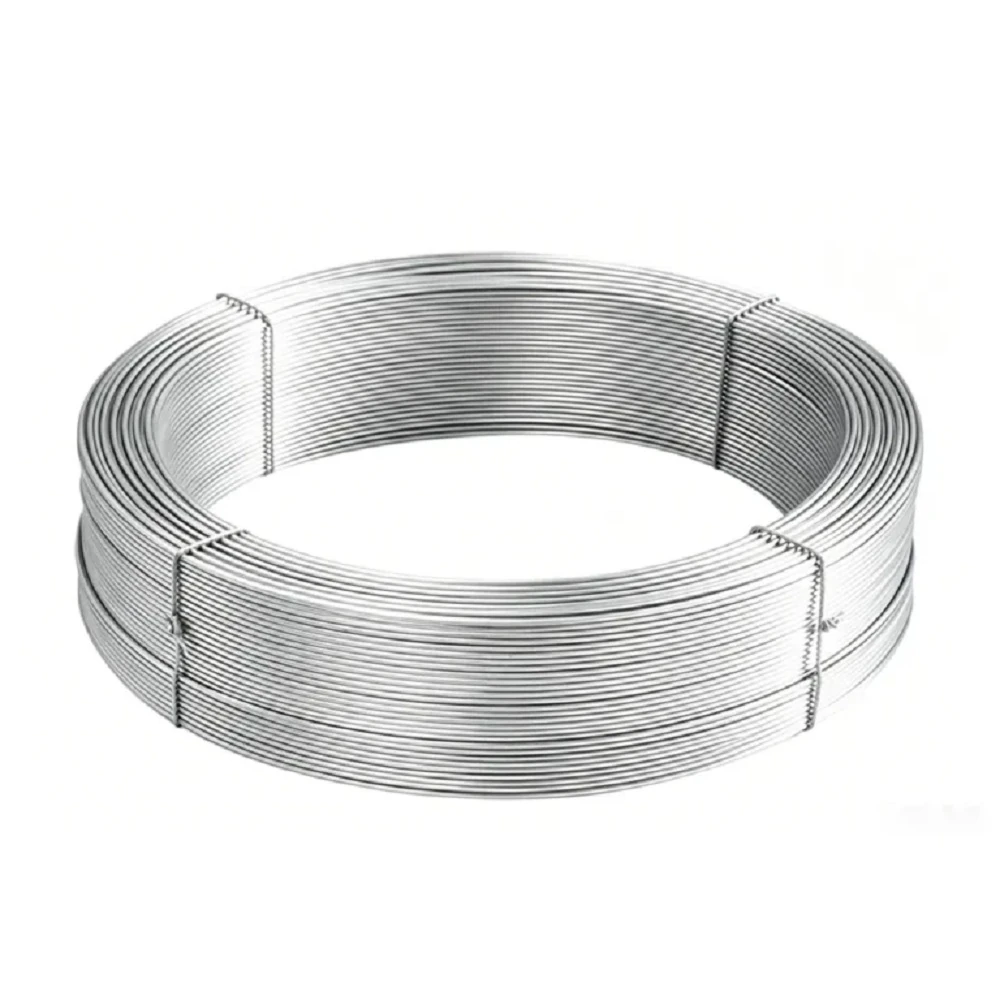
Tianjin Jingzhou Metal Products has drawn wire since 2009. The 18,000-square-meter site holds three plants, and the quality system is certified to ISO 9001. Grade 5 wire in round and profiled sections is a standard product line, not a special order.
Range, Tempers, and Tolerances
Wire is made in sizes from 0.1 mm to 30 mm. It comes annealed, cold-drawn, or stress-relieved, as coils on spools or as straight lengths. Annealed stock arrives at 900 to 1,100 MPa tensile with 10 to 15 percent elongation and a hardness of 334 HB. Cold-drawn stock goes out above that range with less elongation, and stress-relieved stock sits between the two. Diameter comes with a tolerance band agreed on the order, together with the basis it is measured on.
Drawing, Annealing, and Profiled Sections
The company runs a patented energy-saving gas-fired furnace for metal wire at the annealing step. Temperature control is what matters: 700 to 800 °C is the window where stress leaves the metal without grain growth running away. Non-round sections are cold-formed on a dedicated profile unit (CN224406077U) instead of being ground from round stock, which keeps the grain flow along the section. Finished wire is taken up on a tension-controlled coiler (CN214934863U), a unit developed for stainless wire and now used on titanium.
Standards, Documents, and Order Review
Wire is made and tested to ASTM B863, with AMS 4928 for aerospace orders and ASTM B348 covering the bar stock it is drawn from. Each lot ships with a mill certificate that reports chemistry element by element and mechanical results for the temper actually supplied. Third-party inspection certificates are added where the order calls for them. Orders are checked against the drawing before they are quoted, so a conflict between grade, temper, and tolerance is settled before the wire is made.
Frequently Asked Questions
What is the difference between Grade 5 and Grade 23 titanium wire?
Both are Ti-6Al-4V. Grade 23 holds oxygen, nitrogen, carbon, and hydrogen to tighter limits, which buys toughness at a small cost in strength. Implant drawings usually call for Grade 23, while fasteners, springs, instruments, and structural parts call for Grade 5. The two are not interchangeable on chemistry alone.
Which temper should I choose for coiling or forming?
The tighter the bend and the smaller the radius, the more elongation the wire needs before it forms without cracking. Annealed or stress-relieved stock covers most forming work. If the finished part also has to hold its shape under load, stress-relieved wire keeps more strength without giving up ductility. Cold-drawn wire suits a part that already carries its final strength and will not be formed again.
Can Grade 5 Titanium Wire be welded?
Yes, with more care than stainless steel needs. Titanium picks up oxygen and nitrogen at welding temperature. The weld and the cooling metal behind it must stay under inert shielding until they cool below the reactive range. Filler, where it is used, should match the base metal. A contaminated weld looks acceptable and behaves badly.
What should a purchase order include?
At minimum: the grade and standard together, the temper, and the diameter with a tolerance band and its measuring basis. Add the surface condition, the delivery form with spool weight, and the documents required. Where the part is safety related, add the tensile, yield, and elongation targets. Those lines prevent most disputes at receiving.
Conclusion
Grade 5 Titanium Wire is easy to name and harder to order well. The alloy gives a part about twice the strength of stainless steel at a little over half the density. It can arrive soft, springy, or somewhere in between.
What the finished part gets depends on three choices made around the grade. Temper has to match the next operation, and diameter and tolerance have to match the drawing. The standard and its documents then have to prove the result after delivery. Send the drawing, the operating conditions, and the quantity to Tianjin Jingzhou Metal Products, and the team will confirm grade, temper, and diameter before quoting.