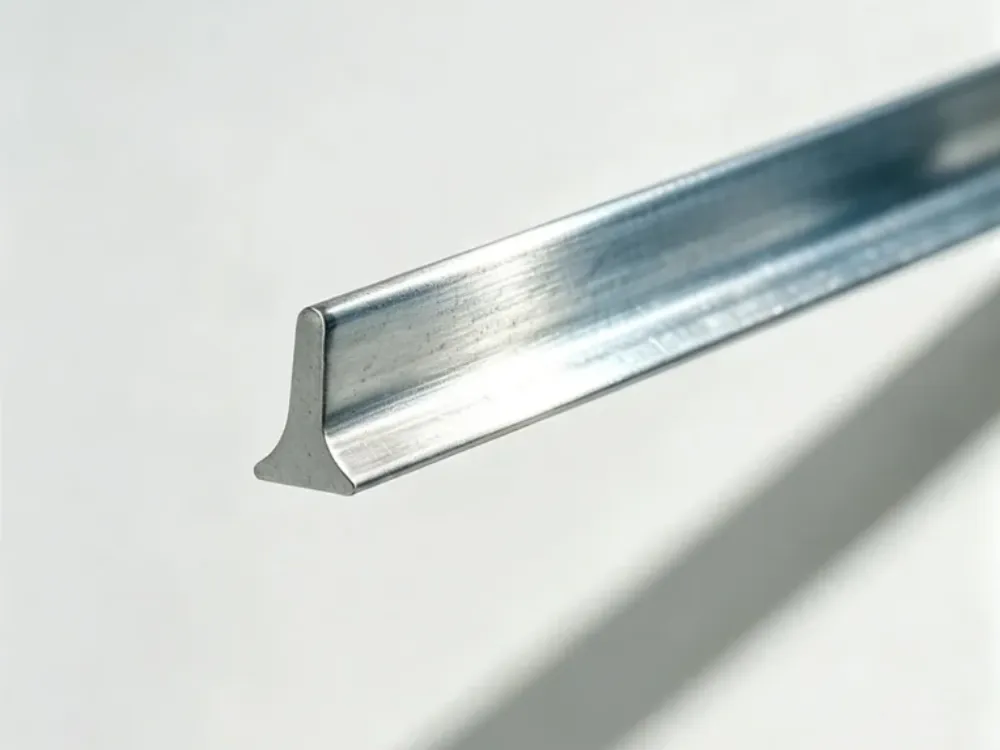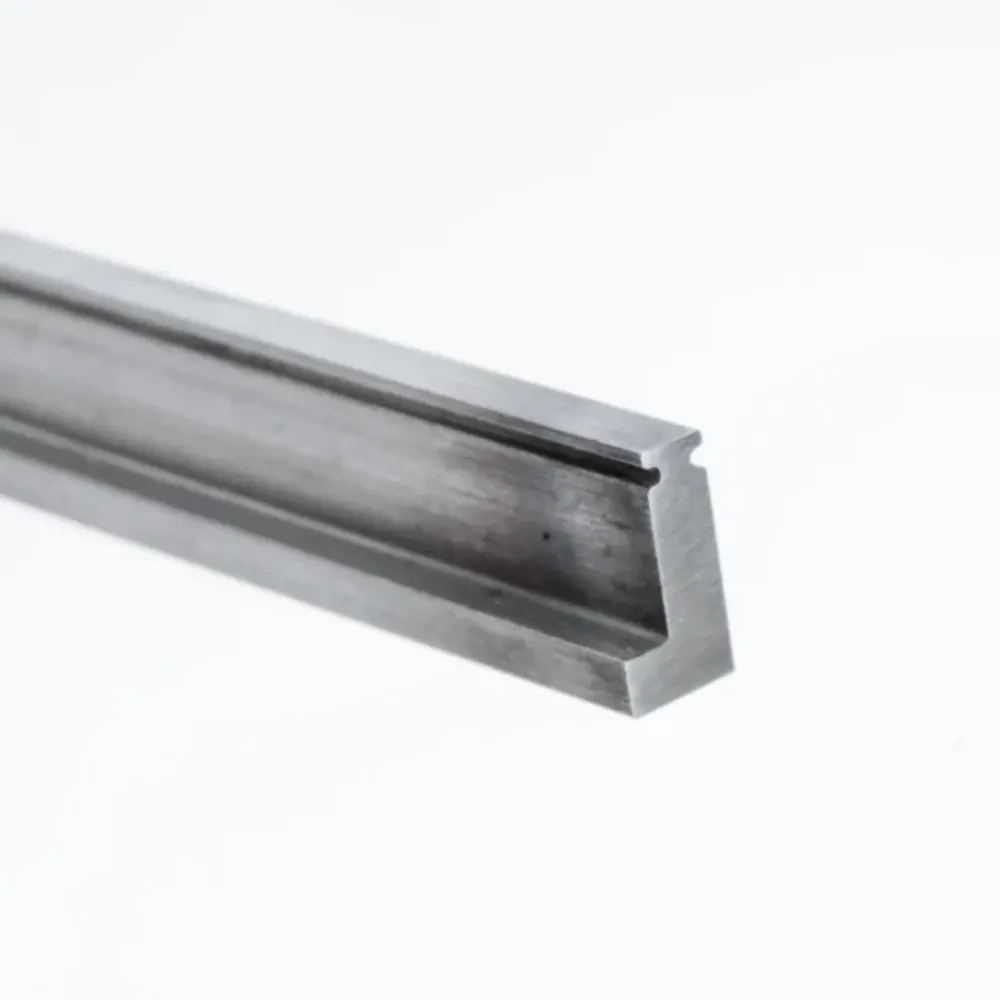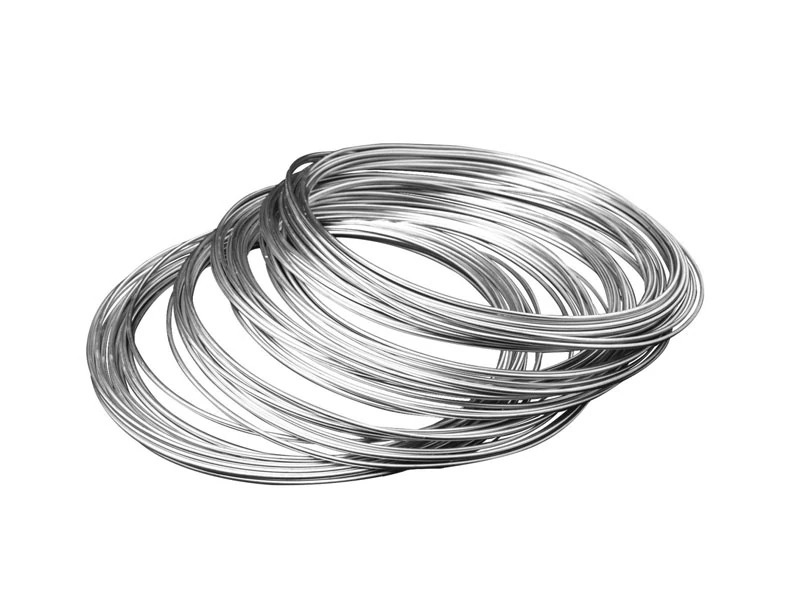
Shaped wire has a non-round cross-section chosen for a specific fit, contact surface, or space requirement; round wire has a circular cross-section. Choose between them by the part’s function, material condition, processing needs, and total cost. Neither shape is always stronger or cheaper.
Two wire quotes can show the same price per kilogram yet support different production plans. One may need a later machining step. The other may need new tooling, a different feed setup, or a sample trial before approval.
When comparing shaped wire vs round wire, start with the task your current section cannot perform. This guide gives you a fair basis for comparing both options, a cost checklist, and a clear next step for the supplier discussion.
Key takeaways
- Keep round wire as the baseline when it already meets the part and process requirements.
- Evaluate a shaped section when its faces or outline serve a defined function.
- Compare material condition, dimensions, and service requirements before judging performance.
- Compare the cost of accepted finished parts, including development and later processing.
Shaped wire vs round wire: define a fair comparison
Compare the cross-section, not the bent part
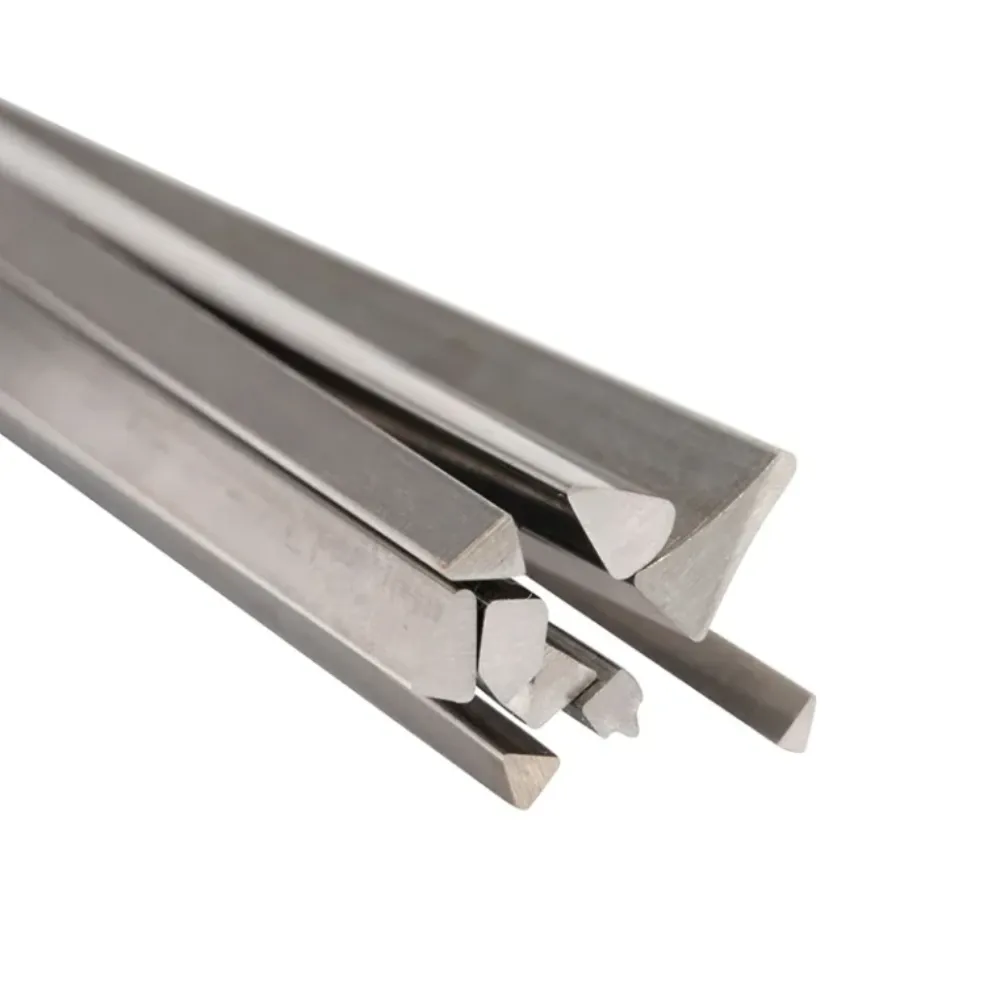
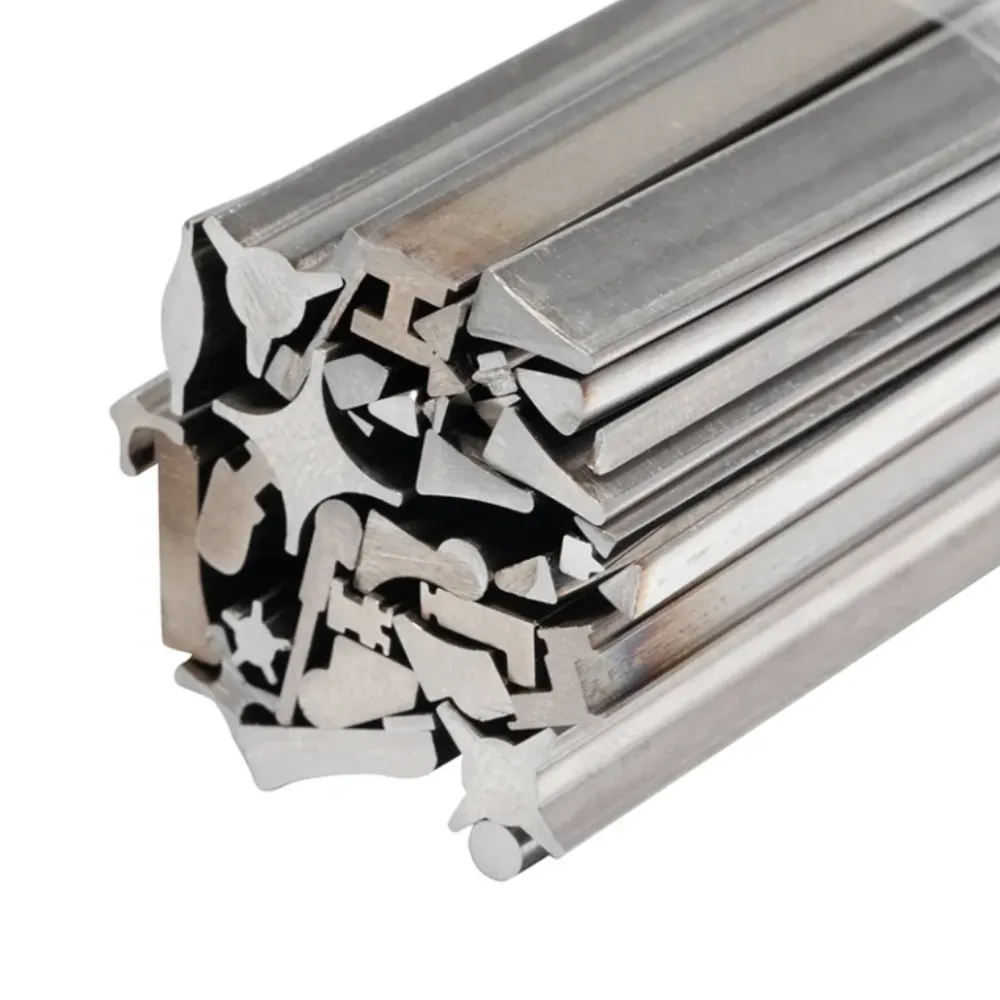
Shaped wire, also called profile wire, has a non-circular cross-section. Flat, square, half-round, and custom profiles belong to this group. A piece of round wire bent into a bracket still has a round cross-section.
voestalpine’s flat and shaped wire information describes profile wire made by drawing or rolling. Shape and process are separate questions: a section name alone does not tell you every step used to produce it. Ask the supplier which route suits the actual drawing and material.
In a shaped wire vs round wire review, name the feature you need before choosing its outline. Our stainless steel wire profiles guide introduces the section types. Here, the decision is whether a different section helps your part enough to justify a change.
Have a part drawing ready? Send your drawing and wire selection requirements to Tianjin Jingzhou Metal. Identify the required function and any open points so the inquiry can consider the appropriate supplied form.
State what stays equal
The shaped wire vs round wire comparison changes when you change its basis. Equal width does not mean equal cross-sectional area. Fitting inside the same available space is another comparison, and meeting the same finished-part requirement is another.
Before reviewing options, agree on:
- The material grade and supplied condition.
- The space available in the assembly.
- The faces, edges, or diameter that control fit.
- The required loads, movement, or service conditions.
- The later operations and evidence needed for approval.
Keep these requirements with the drawing revision. If a supplier proposes a different material condition or section size, show that change clearly. You can assess the proposal, but it is no longer a shape-only comparison.
When keeping round wire makes sense
The existing section already does the job
Round wire remains a valid option when it meets the required fit, function, and process needs. Do not start a shaped wire vs round wire project simply because a custom profile looks more specialized. Start with a specific problem that needs solving.
Illustrative scenario: A buyer reviews a round-wire component that already fits its assembly and passes the agreed checks. A proposed flat section has no defined task beyond changing the appearance. The buyer asks the design team to state the required benefit before requesting new tooling or samples.
Keep the review focused on a defined need:
- A visible flat face.
- A different mating feature.
- Less work at a later stage.
If the team can’t name the need, keep the existing section as the baseline.
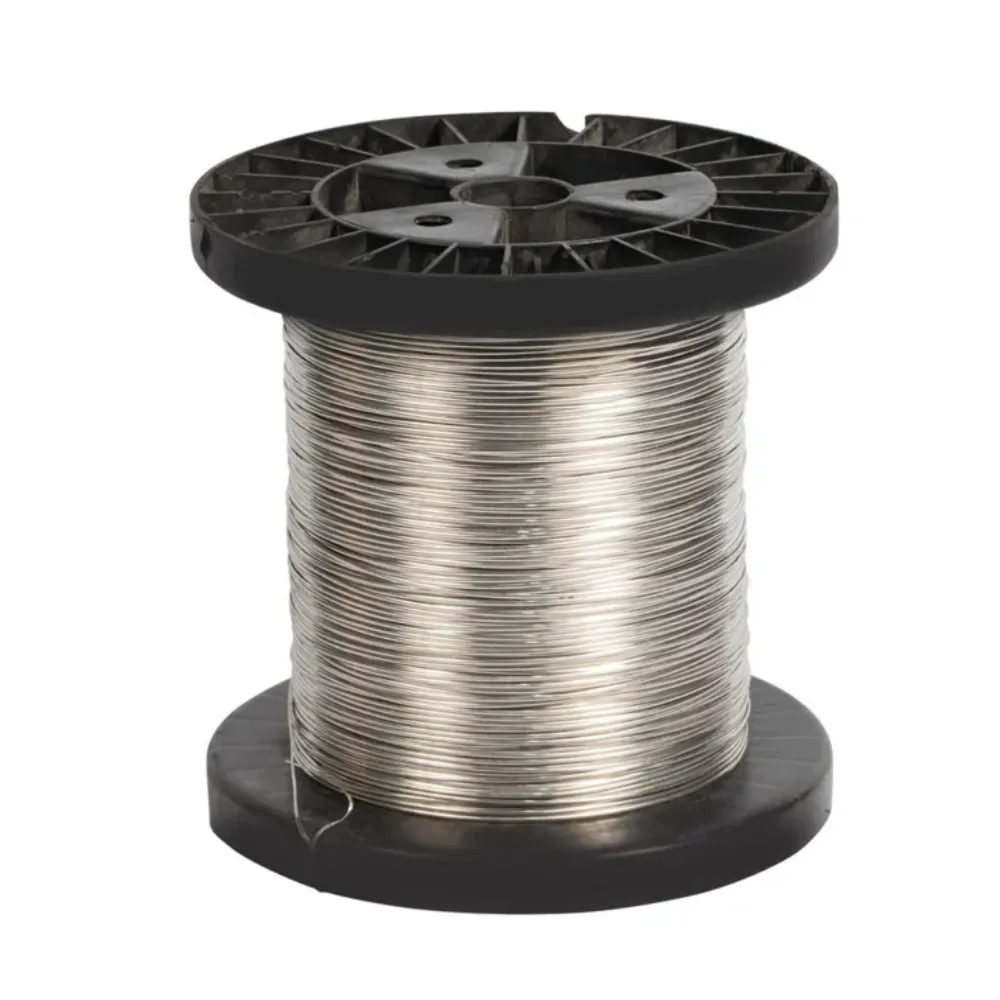
For a shaped wire vs round wire supply discussion, review our stainless steel round wire options. Confirm the required grade, condition, dimensions, and delivery form for the actual order. A round shape does not by itself guarantee stock availability, a lower price, or a shorter lead time.
Check the current equipment and handling
A shaped wire vs round wire decision should include the equipment that feeds, grips, cuts, and forms the stock. Record which parts of the existing setup can remain and which need review. Ask the process team to identify any limits before treating the alternative as a direct replacement.
A circular cross-section keeps the same geometric outline when rotated about its axis. A non-round section may need a defined orientation at an interface or through equipment. That geometric distinction does not establish the material’s properties in every direction.
Confirm the delivery form as well. Coil, spool, and cut-length options should suit the receiving and production arrangements. Treat availability and handling costs as quotation questions, not automatic advantages of either shape.
When a shaped section is worth evaluating
A face or edge has a job in the assembly
In a shaped wire vs round wire review, consider a profile when its outline serves a clear interface requirement. A flat face might locate against a matching feature. A half-round section might combine a flat side with a curved outer surface.
Mark the face on the drawing and describe its task. Check the mating feature, clearance, corners, and allowed orientation. A square section can still have several equivalent orientations; do not assume that any non-round shape prevents every kind of rotation.
Nor does a flat face alone establish the contact area under load. Fit, load, and surface condition still need review. Describe the intended interface and ask what checking method will support approval.
The available space constrains the section
A low-height or specially shaped assembly space may justify evaluating a flat or custom section. That is a reason to investigate, not proof of a performance gain. Keep the space limit and finished-part task fixed while the options are reviewed.
Illustrative scenario: A guide component needs one locating face inside a fixed assembly space. The designer marks the face, mating feature, and allowed orientation. The supplier can then review candidate sections against those constraints, rather than guessing from a request for “better-shaped wire.”
The useful result is a clearer shaped wire vs round wire comparison package. The team still needs to confirm dimensions, material condition, and fit. Avoid treating a sketch that fits the space as evidence that the final part will meet all service requirements.
A near-net profile may change later processing
Ulbrich Shaped Wire presents semi-finished profile wire as a way to approach a required part shape. That is a useful concept for a shaped wire vs round wire discussion: compare the supplied section with the work that remains afterward. It is not a guarantee that every custom profile eliminates machining or waste.
Ask for a proposed route for each option. Which surfaces arrive close to the required form? Which cutting, finishing, or forming steps remain? Who checks the features after those steps?
Review our custom profile wire options if your section needs a defined face or outline. Include the drawing and later processing steps in the inquiry so the discussion can address feasibility and supply scope.
Check strength, forming, and surface requirements
Shape alone does not establish performance
A shaped wire vs round wire comparison needs more than the section name to judge strength, flexibility, fatigue, or service life. State the material condition and the part’s actual loading or movement. Do not treat a general material strength value as a complete prediction of part behavior.
Keep material strength and section stiffness distinct in the review. If the design needs a calculation, have the responsible engineer assess the proposed geometry and conditions. A statement that two samples have the same width is not enough to support a claim that one is stronger.
For application-specific context, Midwest Spring’s discussion of square and rectangular spring wire describes trade-offs involving spring output, corners, material condition, and surface quality. Those are spring-design considerations, not a ranking of all shaped and round products. Do not transfer a spring example’s performance or ordering assumptions to an unrelated component.
Review corners and later forming
When assessing shaped wire vs round wire for a formed part, identify which features matter during the next operation. Ask the process team to review corner details, section orientation, and supplied condition. Define what the sample trial needs to show.
Keep the shaped wire vs round wire trial tied to the proposed production route. Record the sample reference, any preparation, and the result against the agreed requirement. A trial using a different condition or setup may not answer the question on the purchase drawing.
If the alternative needs a changed feed guide or fixture, include that in the plan. Do not classify it as a minor setup detail without asking the team that must run it. The decision should reflect the actual route to the finished part.
Separate surface approval from dimensional approval
Surface condition belongs in the shaped wire vs round wire comparison, but it should have its own requirements. Define any appearance, residue, coating, or roughness condition that matters to the next step. A bright appearance is not a substitute for those separate checks.
Keep dimensional evidence separate as well. A contour report can support a geometric check; it does not prove load capacity, cleanliness, or service life. Choose the evidence for the requirement being assessed.
Shaped wire vs round wire: compare total cost
Separate development from repeat production
The shaped wire vs round wire cost question should cover more than the material rate. Ask which charges occur during development and which recur with orders. The following table lists questions to confirm in the quotation, not fees that every supplier must charge.
| Cost group | Questions for both options |
|---|---|
| Development | Are tooling, trials, samples, or approval work included or quoted separately? |
| Wire supply | What material condition, section, quantity, and delivery form does the price cover? |
| Later processing | Which cutting, machining, finishing, or forming steps remain? |
| Production setup | Are feed guides, fixtures, orientation controls, or changeovers needed? |
| Acceptance | Which inspections, reports, and sample checks are included? |
| Delivery | What packaging, freight, and handling requirements apply? |
Compare shaped wire vs round wire using the same quantity basis and required finished part. If one quote includes work that the other leaves to your factory, identify that difference. A lower wire price can’t settle a comparison with different supply scopes.
Compare accepted finished parts
For a useful shaped wire vs round wire review, list the work from incoming stock to an accepted part. Show the owner of each step and the evidence used to release it. Leave unknown costs open until the responsible party can quote or assess them.
Order size also belongs in the discussion. Ask how trial quantities, repeat quantities, and potential changes affect the proposal. Do not assume a universal minimum order, tooling recovery point, or lead time for either shape.
Illustrative scenario: Purchasing receives a low material quote for round wire and a higher material quote for profile wire. The round route includes a later machining operation; the profile route includes sample approval work. Purchasing asks both parties to define the full scope before comparing the routes, without assuming which will cost less.
This keeps a shaped wire vs round wire decision traceable. The team can see which costs are known, which depend on volume, and which still need a trial. It also prevents an untested saving from becoming the reason for a production change.
Select a route and prepare the inquiry
Use a function-first decision matrix
Use this matrix to frame the shaped wire vs round wire discussion. It proposes the next review step, not a guaranteed winning shape.
| Project situation | Next step | Evidence still needed |
|---|---|---|
| Existing round part meets the requirements | Keep it as the baseline | Confirm any new reason to change |
| A matching feature needs a defined face or outline | Evaluate a profile | Fit, orientation, dimensions, and process review |
| Assembly space is fixed | Compare sections within that space | Finished-part function and material condition |
| Load or movement is critical | Request design review | Appropriate calculations and application tests |
| Supply or later processing differs | Compare the complete routes | Scope, quotation, and sample decision |
Before choosing, state what would make the alternative acceptable. It might need to pass a fit check, a process trial, or another defined review. Agree on that decision before ordering a sample intended to support it.
Send one controlled requirement set
A shaped wire vs round wire inquiry works best when both options start from the same requirement package. Include the function sketch, material and condition, available space, key faces or diameter, and critical dimensions. Add the next operation, delivery form, quantity range, and required sample evidence.
Our guide to specifying custom wire profiles covers the wider drawing and request for quotation (RFQ). Use it for the detailed package rather than sending several conflicting descriptions. Mark any alternative section as a proposal until the design owner approves it.
Keep the approval record concise:
- Drawing revision and sample ID.
- Open questions and who will resolve them.
- Chosen route and the scope of approval.
The next buyer or planner can then see what was agreed without rebuilding it from email fragments.
Shaped wire vs round wire FAQ
Is shaped wire stronger than round wire?
Not by shape name alone. A shaped wire vs round wire strength comparison needs the material condition, dimensions, loading, and finished-part geometry. Ask the design owner to define the relevant measure and comparison basis. Do not infer strength from equal width or a more complex outline.
When should I keep round wire?
Keep round wire as a baseline when it meets the required function and process needs. Define the reason for changing before evaluating another section. If a profile offers a specific interface or processing benefit, compare that proposal against the approved round-wire route with the same acceptance requirements.
Is flat wire the same as shaped wire?
Flat wire is one type of shaped wire. The wider group includes square, half-round, and other non-round sections. In a shaped wire vs round wire inquiry, name the actual proposed section and its dimensions. “Shaped” alone does not define the product closely enough for a comparable quotation.
Does shaped wire always cost more?
No universal cost rule applies. Compare the supplied wire and the steps needed to make an accepted part. Ask about development, tooling, processing, inspection, and delivery scope. A shaped wire vs round wire decision needs actual project quotations before either option can be described as cheaper.
What should I send to compare both options?
Send the part function, drawing revision, material condition, key dimensions, space limits, and downstream process. Include quantities, delivery form, and required sample checks. Identify the requirements that are fixed and those open to supplier proposals so both routes can be reviewed on a clear basis.
Make the next decision clear
Choose the section for the task it must perform. Keep round wire when it remains suitable, and evaluate a profile when its geometry serves a defined need. Compare the whole route and agree on the evidence needed before releasing a change.
For a shaped wire vs round wire inquiry, discuss your wire selection with Tianjin Jingzhou Metal. Send the drawing, required function, and later processing steps so the supply discussion starts with clear constraints.