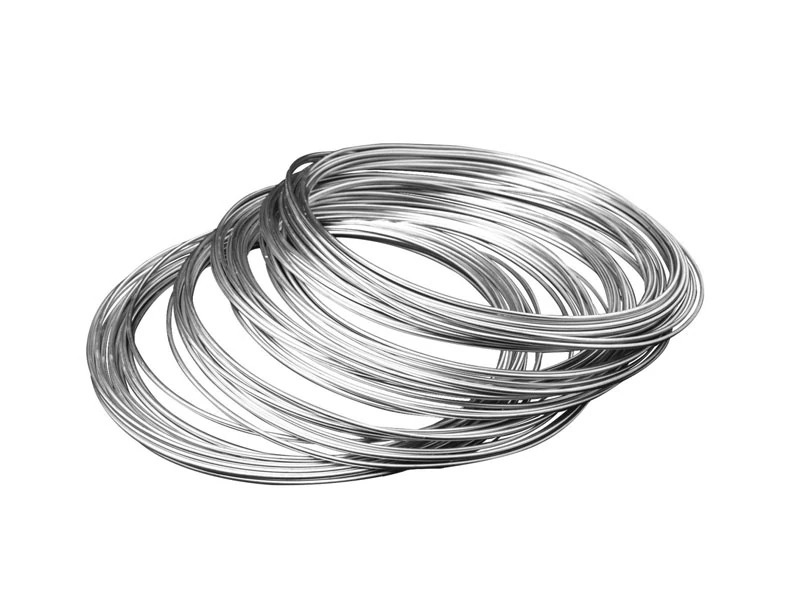
Wire surface finish describes the supplied surface of a wire, including its appearance and texture. When buying wire, define roughness, allowed residues or coatings, and acceptance rules separately. A bright appearance alone does not prove cleanliness or a specific roughness value.
Two quotations can both say “bright” while leaving different questions unanswered. What remains on the surface? Which face will contact another part? What will the receiving team compare against the approved sample?
If your drawing leaves those points open, the purchase description needs more detail. This guide turns wire surface finish into clear purchase requirements for stainless steel and shaped wire stock. Use it to prepare the inquiry, compare samples, and define the condition needed for your next operation.
Key takeaways
- Specify appearance, roughness, and permitted residues as separate requirements.
- Mark the functional faces of a shaped profile before assigning surface limits.
- Agree on the roughness parameter, units, location, direction, and measurement method.
- Approve the visual sample and measured results separately, then define delivery protection.
What a wire surface finish specification covers
Separate appearance from texture and material condition
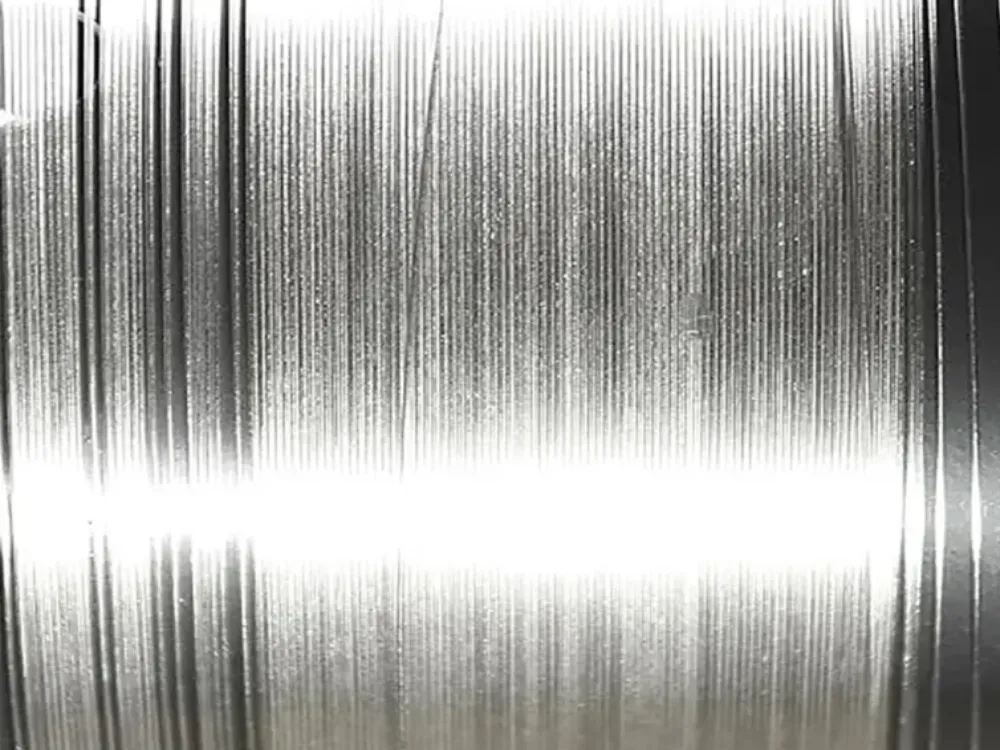
A useful wire surface finish description answers more than “shiny or dull?” Start with the terms on the quote and ask what each one controls. Do not assume that a familiar label includes every requirement of your process.
| Requirement | What to describe | What the label alone leaves open |
|---|---|---|
| Appearance | Bright, matte, or an agreed visual sample | Viewing conditions and permitted variation |
| Surface texture | Named roughness parameter and specified limits | Measurement location, direction, and method |
| Residues or coatings | Permitted supplied condition and removal responsibility | Whether the next process can use that condition |
| Mechanical condition | Required temper or mechanical properties | A surface label does not establish those properties |
TYMI’s wire product information treats grade, condition, and finish as separate classifications. Its examples also show why a drawing or annealing description needs context. Ask what the supplier’s terms mean for your order. The same label may need more detail.
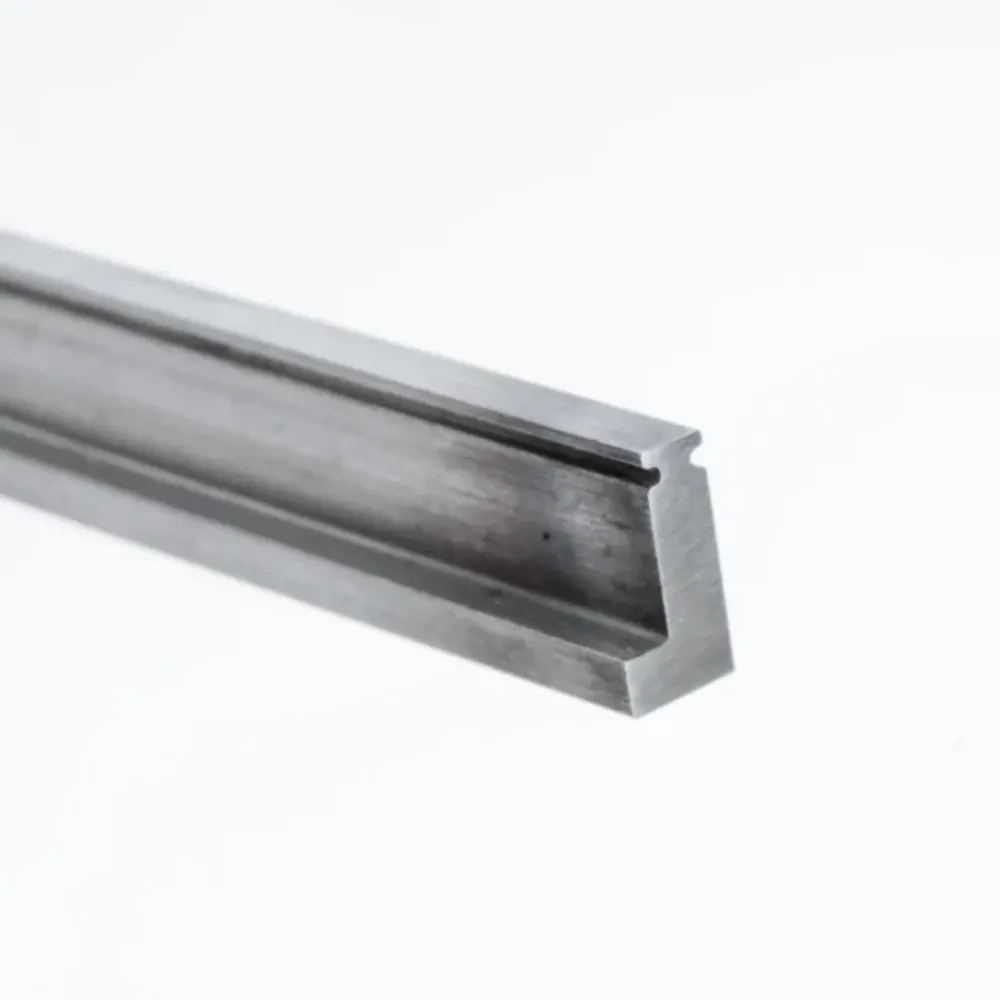
For a custom profile, start with our stainless steel wire profiles guide to identify the section. Then mark the faces whose appearance or contact function matters.
Preparing a new inquiry? Send your profile drawing and surface requirements to discuss the supplied condition with Tianjin Jingzhou Metal. Include the next manufacturing step so the discussion covers more than appearance.
Mark the surfaces that do the work
A shaped section may have a visible face, a contact face, and edges with different roles. Label them on the drawing before writing a wire surface finish requirement. A short note explaining each face’s function helps the supplier understand what needs attention.
Illustrative scenario: A buyer requests bright profile wire for a trim component. During the drawing review, the designer marks one face as visible after assembly and another as hidden. The buyer can now ask for an appearance sample for the visible face and discuss the hidden face separately, without assuming both need identical treatment.
The same approach applies to a locating face or a radiused edge. Before setting a limit on a small feature, ask how the supplier or lab can check it. Keep the drawing reference and surface description together throughout the project.
Compare the supplied surface conditions
Read bright, matte, and coated descriptions in context
Bright and matte describe appearance, but a wire surface finish label may also refer to a supplier’s process or supplied condition. TYMI describes bright drawn and annealed-and-pickled products differently. Those descriptions are useful examples, not proof that every supplier uses the same terms.
Ask what remains on the surface when the wire leaves the supplier. If the quote names drawing soap or another processing coating, clarify whether it is intentional and whether it should remain during your next operation. Make the wire surface finish note clear about any cleaning step and who will do it.
Do not turn “clean” into an undefined acceptance rule. If residue matters, ask the process owner what is allowed and how to check it. A photograph can record appearance; it cannot establish an unspecified chemical cleanliness condition.
For a wire surface finish inquiry, useful questions include:
- What does the quoted finish name mean for this product?
- Is a processing coating or residue permitted at delivery?
- Which condition will the sample represent?
- Does the quotation include any requested cleaning or finishing step?
- What evidence will accompany the supplied material?
Keep finishing processes distinct
Polishing, cleaning, passivation, and electropolishing should not be used as interchangeable purchase terms. If you need one, name the task. Ask the supplier what it can provide and which records will support it. A general request for “better finish” leaves the intended result unclear.
Also ask which dimensions and edge features need checking after any proposed surface treatment. Review those points alongside the agreed shaped wire tolerances. The quotation should explain what condition the dimensional report will cover.
This is especially important when a third party performs the finishing. State who will transport, treat, check, and approve the wire. A wire surface finish requirement should remain traceable across those handoffs, even when different companies handle them.
Use an agreed sample for appearance
Words such as satin, polished, and mirror leave room for interpretation. The British Stainless Steel Association’s finishing guidance explains why finishing terms and abrasive grit alone do not fully define the result. Its discussion uses flat-product standards, so do not transfer those finish codes directly to shaped wire.
For a visual requirement, agree on a reference sample and how to compare it. Record the face, lighting, viewing direction, and allowed variation. Keep the sample identification on the approval record, rather than relying on an unlabelled piece kept beside the machine.
Choose around the next manufacturing step
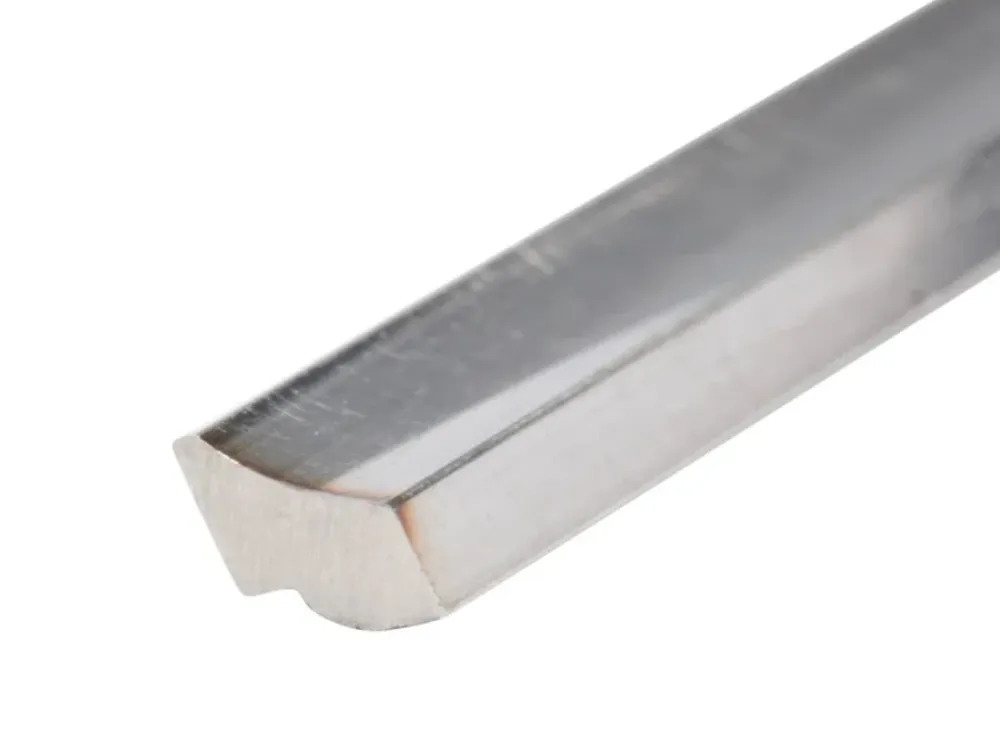
Forming and feeding
Choose wire surface finish around the operation that will use it. Ask the forming team which supplied conditions it can accept and which must be tested. Include the intended equipment and process stage when discussing samples.
A rule such as “the smoothest wire is always best” skips the actual application. The process team needs to review the surface and any coating. It also needs to agree on the trial setup. Do not replace that review with a brightness comparison.
Keep trial records specific. Note the sample ID, supplied condition, any preparation, and the pass or fail decision. If the production order uses a different surface condition, ask whether the trial still supports approval.
Welding, bonding, and coating
Before choosing a wire surface finish for joining or coating, ask the process owner what incoming wire must meet. Decide whether the material arrives ready for that step or needs preparation on site. Put that responsibility in the purchase discussion.
Illustrative scenario: A supplier provides a visually acceptable sample, but the buyer plans to apply a coating. The buyer asks the coating team to review the sample’s supplied condition and proposed preparation. The buyer records two decisions: whether the wire looks right and whether it is ready for coating.
This avoids using “bright” as shorthand for an untested downstream requirement. It also keeps a later cleaning or coating change visible to the people who approved the sample. Do not assume a change is acceptable merely because the wire looks similar afterward.
Visible and contact surfaces
For a visible face, agree on appearance conditions before comparing samples. For a contact face, identify the mating part and the function that needs checking. These are different reasons for choosing wire surface finish, even when they concern the same section.
Ask what supports the decision: a visual sample, a measurement report, a fit check, or a trial. Describe that evidence on the approval record. Avoid promising friction, wear, fatigue, or corrosion performance from a finish name alone.
Specify wire surface finish with a measurement agreement
Name the parameter and units
A wire surface finish limit needs a named parameter, units, and the standard with its edition. An isolated number beside “smooth” is incomplete. The laboratory and supplier should know exactly what the drawing requires.
Ra and RMS, commonly identified as Rq, are different parameters; do not use them as interchangeable labels. Rz also needs the applicable definition and standard. Mitutoyo’s product fundamentals guide distinguishes surface measurement parameters and discusses the importance of choosing what to measure.
Keep the purchase description focused on the required result. Do not convert a grit designation or an appearance sample into a numerical limit without an agreed technical basis. If a report uses a different parameter, ask why. Do not apply a fixed conversion.
Agree where and how to measure
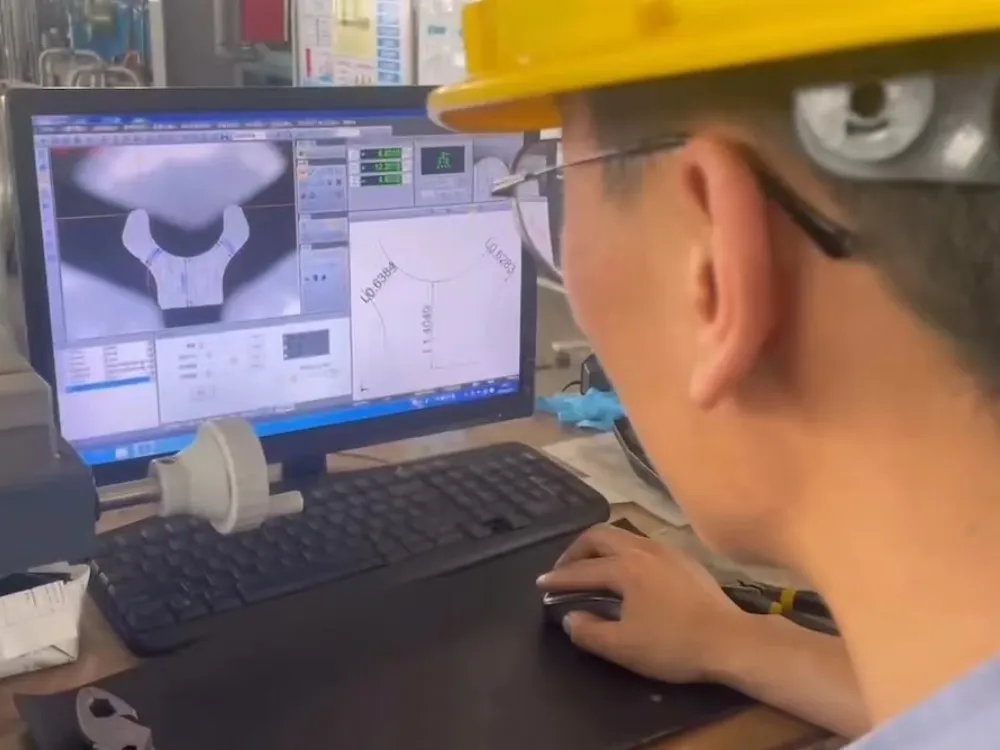
For shaped wire, identify the face and the direction of the measurement trace. Ask whether there is enough usable surface for the proposed method. A narrow face, curved surface, or edge may need a different assessment approach.
For a wire surface finish check that others can repeat, record:
- The face, location, and trace direction.
- The parameter, units, and acceptance limit.
- The instrument method and relevant settings.
- The filtering and evaluation conditions agreed with the laboratory.
- The preparation state of the sample during measurement.
Assess local defects separately
A wire surface finish agreement should also cover local marks that matter in use. Define how scratches, dents, or other named conditions will be judged. One average roughness value is not a full plan for checking the surface.
If the visual sample is acceptable but a report is disputed, first compare the measurement conditions. Check that both parties assessed the same face, direction, preparation state, and parameter. Keep the original results while resolving the difference; a second unexplained number does not settle the requirement.
Build the RFQ and sample approval record
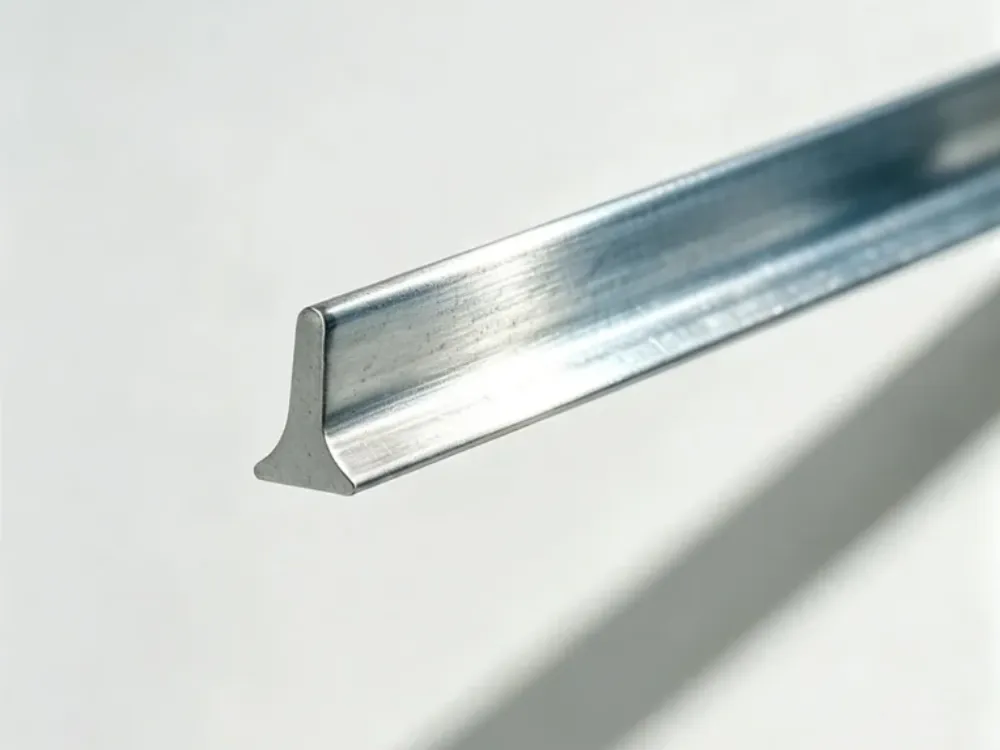
Complete the surface requirements before ordering
Use the following wire surface finish checklist alongside the drawing. Agree on each field for your project before ordering. Blank fields are questions to resolve, not permission to insert a generic industry value.
| Purchase field | Information to agree |
|---|---|
| Product reference | Drawing number, revision, material grade, and mechanical condition |
| Functional surfaces | Face labels, edge references, and relevant functions |
| Appearance | Reference sample identity and viewing conditions |
| Roughness | Parameter, units, limit, standard, and edition |
| Measurement | Location, direction, method, and evaluation conditions |
| Supplied condition | Permitted coatings or residues and cleaning responsibility |
| Local defects | Named conditions, acceptance criteria, and checking method |
| Delivery evidence | Reports, sample references, and agreed sampling scope |
| Protection | Packaging requirements and receiving condition |
Our guide to specifying custom wire profiles covers the wider drawing and request for quotation (RFQ). Keep the surface requirements in that same controlled package. Sending a separate email with a newer finish note can leave the quotation tied to an older instruction.
Approve appearance and measured results separately
When reviewing samples, record which parts of the wire surface finish requirement have been accepted. An approved appearance sample does not automatically approve every measurement or downstream operation. Name any open points and the person responsible for closing them.
For a custom section, review our custom profile wire options and include your marked drawing in the inquiry. State the required supplied condition and ask which requirements can be confirmed for the proposed product.
Keep the sample ID, report reference, and drawing revision linked. State what the wire surface finish approval covers. Does it cover only the sample, or does it release a defined production order? Any remaining conditions should be visible on the approval record rather than left in meeting notes.
Preserve the agreement through delivery
Before shipment, agree on the protection needed to preserve the accepted wire surface finish. Discuss contact between pieces, packaging materials, and handling during unpacking. These are items to confirm with the supplier, not assumptions about a standard package.
Illustrative scenario: A receiving team compares delivered profile wire with an approved sample and notices marks on a visible face. It records the affected area, package condition, and sample references before any cleaning or reworking. Both parties can use those records to review the concern. They do not yet know what caused it.
Define who performs any cleaning and which checks occur before and after it. For repeat orders, review changes to the material, finish description, treatment, packaging, or application. Ask whether the existing wire surface finish approval still applies or whether a new sample is needed.
Wire surface finish FAQ
Does bright wire mean oil-free or soap-free?
No. A bright appearance alone does not establish an oil-free or soap-free supplied condition. Ask the supplier to define the finish and any permitted residue. If cleanliness matters to the next operation, agree on its acceptance requirement and checking method before approving the order.
Does a bright finish specify an Ra value?
No. Appearance and a measured roughness parameter are separate requirements. A wire surface finish limit needs the parameter, units, location, direction, and agreed test conditions. A bright sample may serve as an appearance reference, but it does not replace those details.
Can sheet finish codes be used for shaped wire?
Do not assume that a sheet finish code defines the supplied condition of shaped wire. Confirm the applicable product specification and the supplier’s terminology. Where appearance matters, add a reference sample; where texture matters, add a measurement requirement that can be assessed on the actual profile.
Is the smoothest finish always the best choice?
Choose the surface condition around the intended function and next operation. Appearance, forming, joining, and contact requirements may call for different evidence. Set the requirement with the relevant process team and confirm it through the agreed sample review or trial, rather than choosing solely by brightness.
What should I include in a purchase specification?
Include the drawing revision, functional faces, appearance reference, roughness requirements, permitted residues, defect criteria, and delivery condition. Also state how to check it, which samples to use, and who cleans the wire. That turns wire surface finish from an open-ended label into requirements both parties can review.
Prepare the next inquiry
Start with the face that matters and the operation that follows. Then list the appearance, measurement, and supplied-condition requirements that need agreement. Keep those records with the drawing and approved sample so purchasing, production, and receiving work from the same information.
To discuss wire surface finish for a custom profile, send your drawing and next processing step to Tianjin Jingzhou Metal. Identify the requirements already fixed and the points that need supplier confirmation before quotation or sample approval.