Choose L-shaped guide rail wire by defining the assembly function, cross-section, material condition, and acceptance requirements together. The L-shaped section can provide specified contact or locating faces, but its name alone does not establish load capacity, motion accuracy, or service life.
An outer width can match a drawing while a corner still prevents the wire from seating. A material grade can be correct while the supplied condition remains unsuitable for the next operation. These are separate purchasing questions, and a useful specification needs to address both.
This guide explains how to compare L-shaped guide rail wire proposals and prepare a drawing-based inquiry. It covers the raw profile used in a component or assembly, rather than treating it as a complete, rated linear-motion guide system.
Key takeaways
- Start with the mating parts, mounting arrangement, and intended contact faces.
- Define leg lengths, thickness, angle, radii, and critical limits on a controlled drawing.
- Select the material for the exposure and specify the supplied mechanical condition separately.
- Agree on sample checks and delivery evidence before approving the order.
1. What L-shaped guide rail wire is
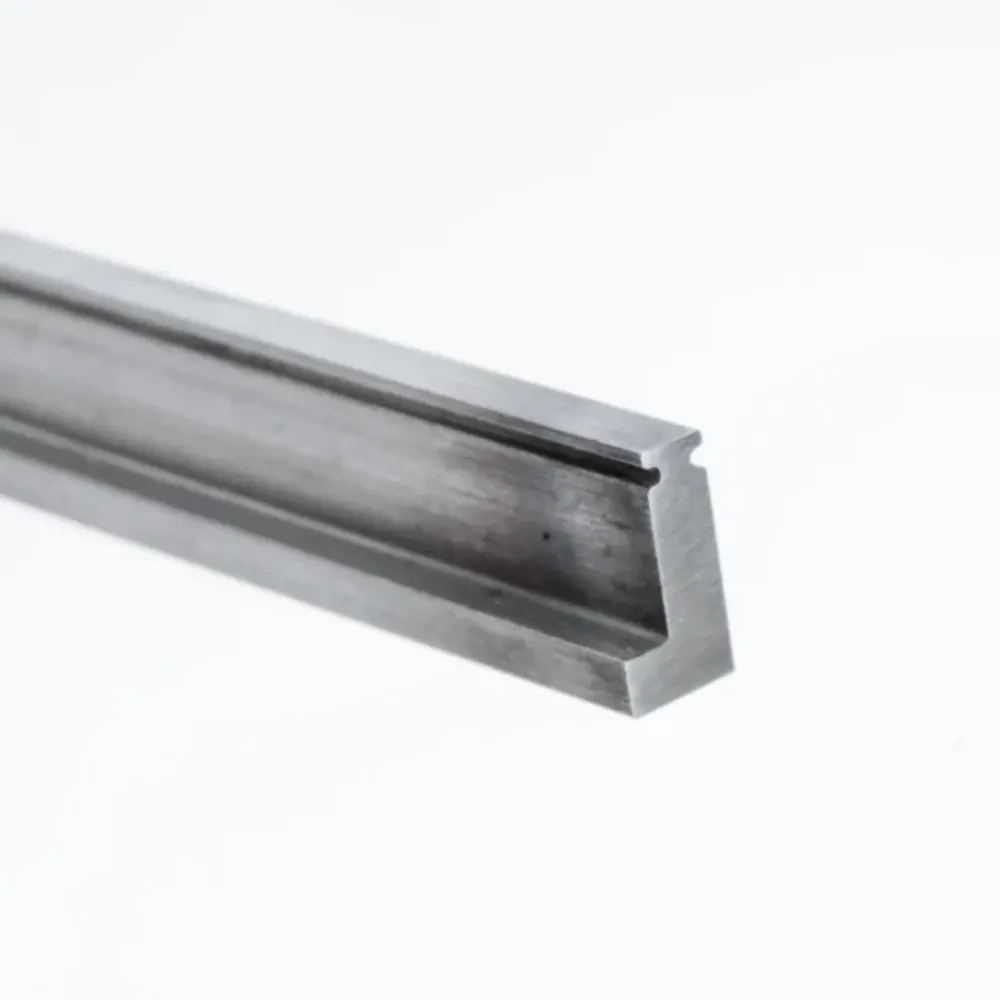
L-shaped guide rail wire is profile wire with an L-type cross-section. A designer may use that section as a locating, guiding, supporting, or reinforcing feature. Whether it suits the job depends on the actual component requirements.
A profile is one part of the design
The two legs give the designer surfaces to define and orient within an assembly. They do not prove that the section is more rigid than every round or alternative profile. Any comparison needs a defined geometry, material condition, loading direction, and support arrangement.
For background, see our shaped wire profiles guide. If the choice includes round wire, compare the features each option must provide rather than relying on a general stronger-or-weaker label.
Separate wire from a complete guide system
Buying L-shaped guide rail wire is different from selecting a finished rail-and-bearing assembly with published ratings. THK’s guide-selection information distinguishes load directions and ratings for its own LM Guide systems. Those product-specific values do not apply to a raw L-profile wire.
If your component must carry a defined load or limit movement, have the design team establish the required performance and validation. Do not infer a load rating from the shape name or a photograph.
Illustrative scenario: A buyer sees an L-profile that appears to fit a cabinet component. Before requesting a quotation, the buyer identifies the mating corner and mounting face. This hypothetical example shows a selection step, not a completed design or customer result.
Send your profile drawing and application requirements to Tianjin Jingzhou Metal to discuss the points that need confirmation for an inquiry.
2. Define the assembly and contact requirements
An L-shaped guide rail wire inquiry becomes more useful when it explains what the wire must do. A drawing of the section is important, but the application helps identify which features need the closest review. Start with the interface between the wire and the rest of the assembly.
Identify the locating and working faces
Mark the face that locates against a support and the face that contacts the mating component. Show the required orientation and available space. If the legs differ in length or thickness, make that clear rather than describing the section only as an L.
For L-shaped guide rail wire used in a moving assembly, describe the contact arrangement and intended movement. Identify any required check of sliding, clearance, or assembly fit. A general request for smooth motion leaves the acceptance question open.
Give the designer’s requirements to the supplier
Provide the mounting arrangement and any relevant operating conditions supplied by the design team. State the direction of loading or contact where it affects the required component. The wire supplier should not have to guess the function from a product name.
The L-shaped guide rail wire proposal can then be reviewed against those requirements. Ask the supplier to identify open questions or capability limits before treating a proposal as confirmed. Where analysis or testing is needed, agree who will provide it.
Furniture hardware, cabinet parts, and industrial equipment are useful application categories, but each contains many different designs. Use the actual assembly requirements to decide suitability. Avoid assuming that a profile approved for one guide or support will work in another.
3. Specify the cross-section on a controlled drawing
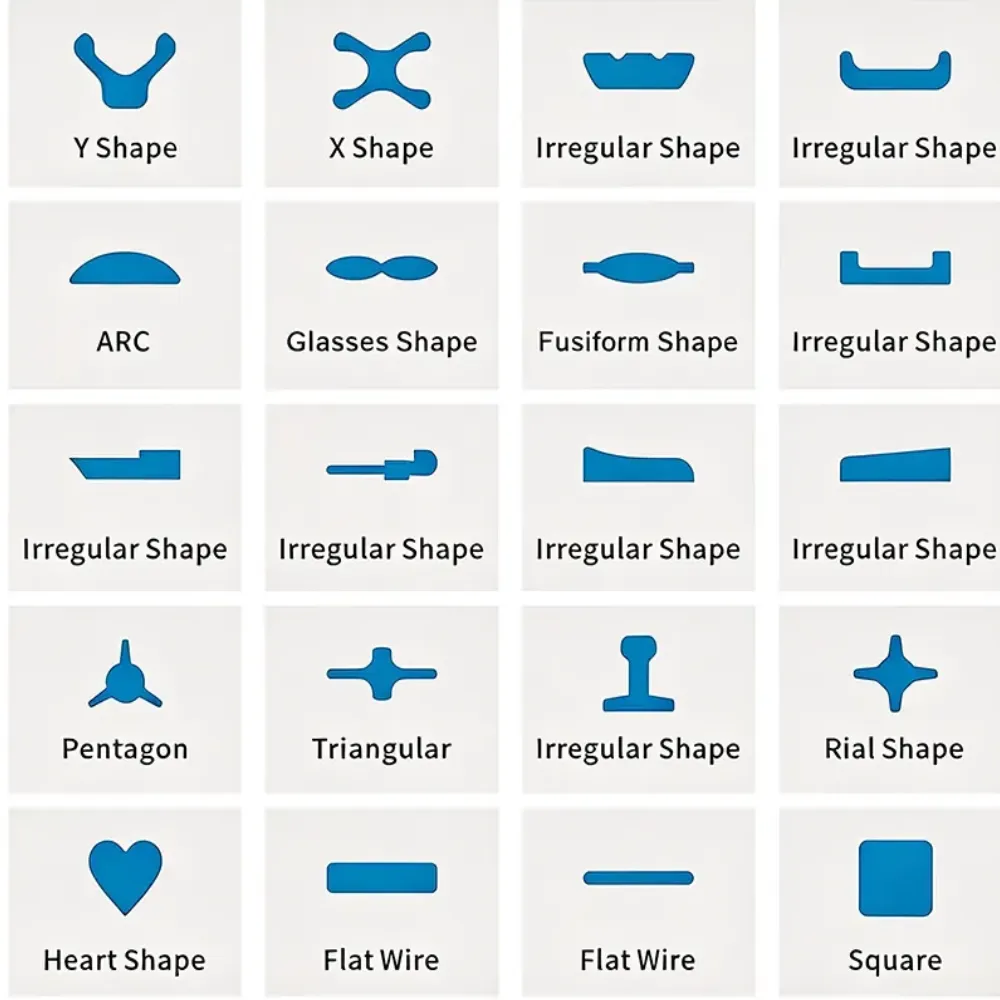
A complete L-shaped guide rail wire drawing identifies more than one overall size. Define the legs, thickness, angle, corners, and relevant reference faces. Give the file a drawing number, revision, and units so all quotations refer to the same requirement.
Describe the features that affect fit
The following table is a drawing-review aid. It does not assign dimensions or tolerances to your design.
| Drawing item | What to define | Why the buyer should clarify it |
|---|---|---|
| Leg lengths | Each leg and its measurement references | One overall size may leave the second leg undefined |
| Thickness | Required thickness at identified features | The order needs to distinguish thickness from leg length |
| Included angle | Required value and allowed limits | The mating geometry needs an agreed reference |
| Inner and outer corners | Radii or permitted transitions | A corner may matter even when outer dimensions match |
| Functional faces | Locating and working surfaces | Inspection must assess the intended features |
| Length and orientation | Supply length and any orientation requirements | Cross-section data alone do not describe the full delivery |
Use our custom wire drawing checklist to prepare the broader specification. The shaped wire tolerances guide explains how nominal values, limits, and measurement definitions relate.
Agree on critical limits and the measurement basis
For L-shaped guide rail wire, identify the dimensions that control the function. Ask the supplier to review the proposed combination of features and limits. Do not assume that one advertised tolerance applies to every leg, radius, angle, and delivery condition.
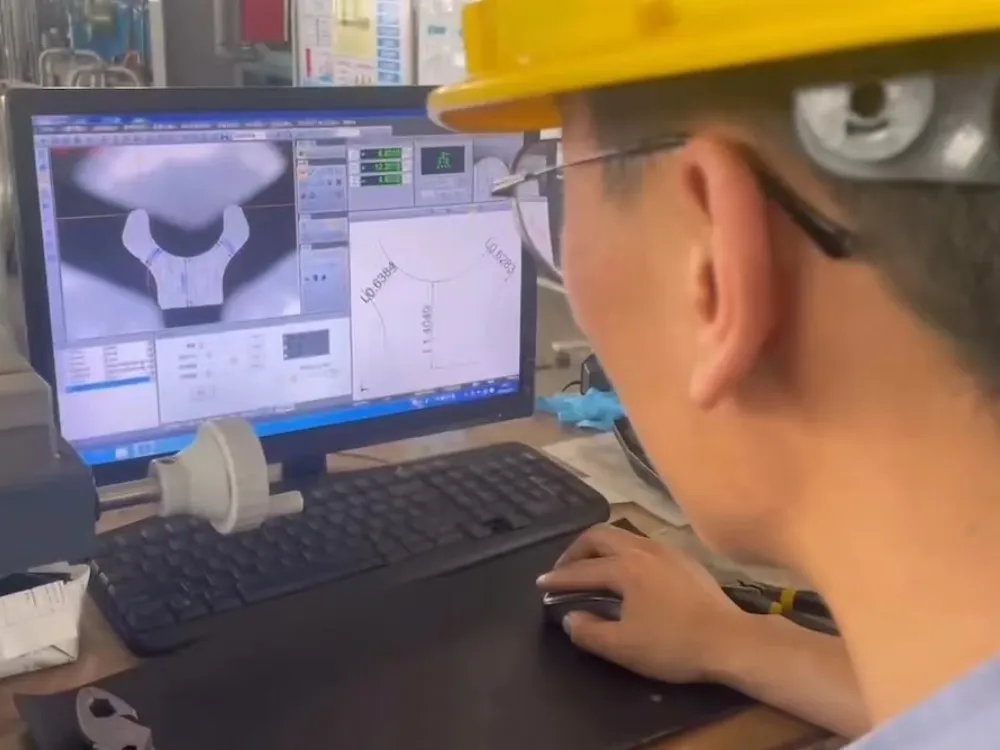
If a feature needs a defined measurement setup, record it with the requirement. Agree how the sample will be held and which reference surfaces will be used. This makes later comparisons more meaningful than two unexplained readings.
Illustrative scenario: A sample matches its stated leg lengths but does not seat against the buyer’s mating corner. The review returns to the inner radius, reference faces, and drawing revision. No real inspection result or improvement is claimed by this hypothetical example.
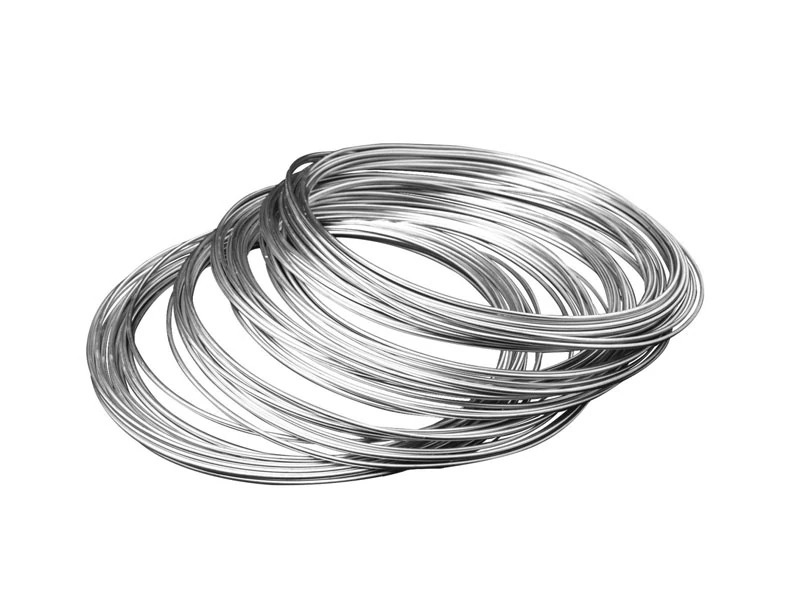
The existing product illustration gives visual context. Use a controlled drawing, not the photograph, to define the dimensions and acceptance limits for an order.
4. Select material and delivery condition together
Material selection for L-shaped guide rail wire should begin with the working environment and component requirements. State the grade and required supplied condition separately. A grade designation alone does not describe every property needed for later fabrication.
Review the actual exposure
304 and 316 stainless steels are options often discussed for industrial wire. The molybdenum addition in 316 can improve resistance to chloride-related localized corrosion. Outokumpu’s corrosion guidance explains the importance of alloy chemistry and exposure conditions.
Do not select L-shaped guide rail wire solely because the application is indoors, outdoors, wet, or in a named industry. Identify the medium, cleaning regime, temperature, exposure duration, and conditions where liquid or deposits may remain. Those details make the material review useful.
Outokumpu’s corrosion tables also state assumptions about material and surface condition. Use appropriate data within their scope. No general grade description guarantees freedom from corrosion in every chemical or marine environment.
State the mechanical and processing requirements
For L-shaped guide rail wire, specify the required delivery condition and relevant acceptance properties. Ask the supplier to confirm the applicable test basis for the actual product. Do not treat a grade, a process name, or a glossy surface as proof of the required mechanical behavior.
Explain whether the wire will later be bent, coiled, welded, cut, or installed without further forming. Give the supplier the requirements for those operations where known. If a trial is needed, define what it must check before approving the sample.
Keep comparative claims conditional. A proposal should not be called stronger, more wear-resistant, or longer-lasting without a relevant comparison and evidence. Remove those assumptions from the purchasing decision until the required basis is available.
5. Confirm straightness, surface, and supply form
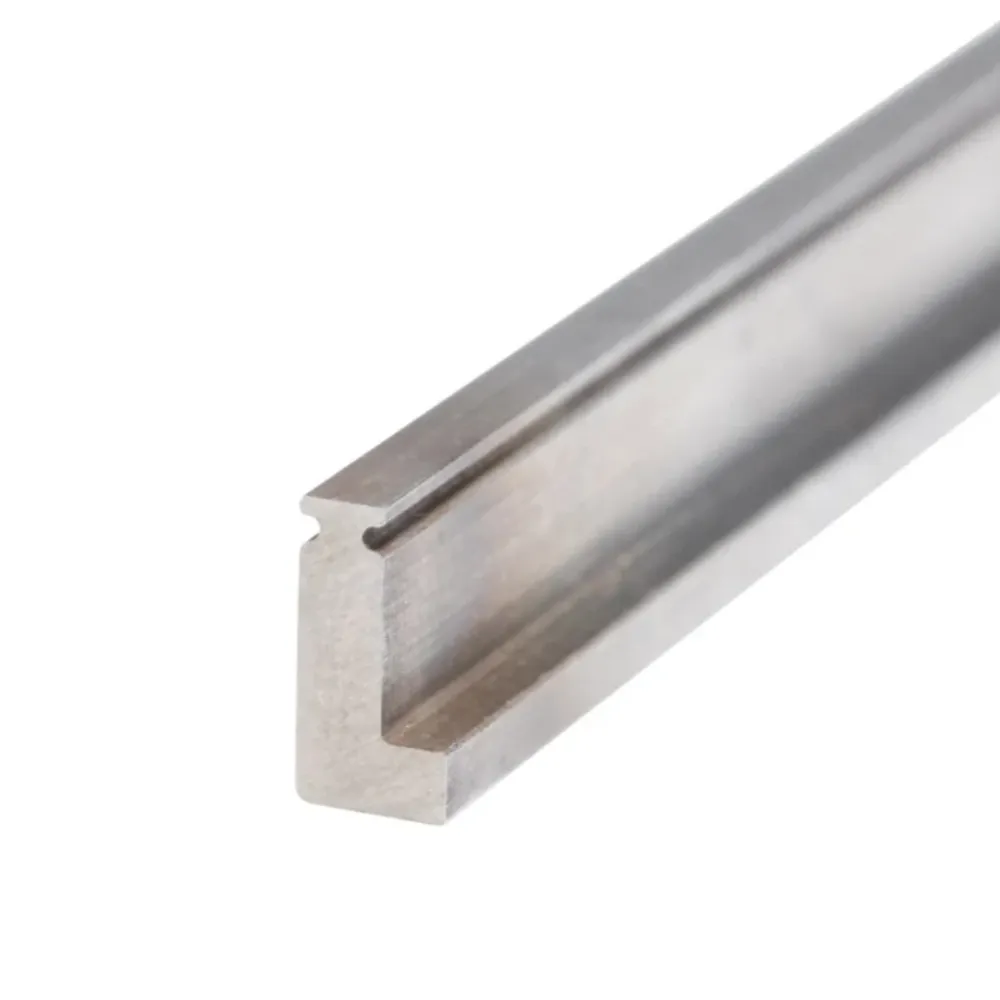
The cross-section is only part of an L-shaped guide rail wire order. Confirm whether the material will arrive in coils, on spools, or as straight lengths. Then define the handling and inspection questions relevant to that form.
Straight lengths, coils, and orientation
For straight-length requirements, agree on the reference length, supports, direction, and measurement method. If twist matters to the assembly, state how orientation is to be assessed. Avoid leaving the requirement at straight enough or suitable for a guide.
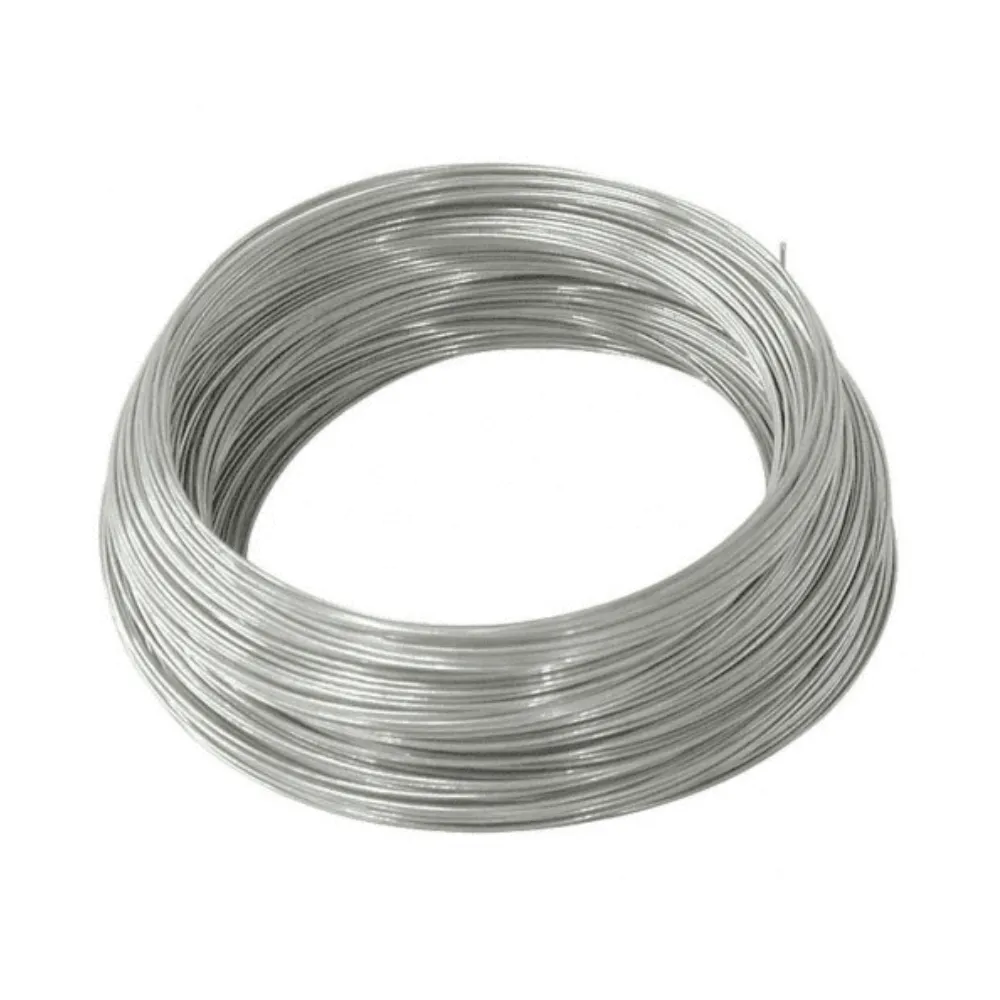
For coiled L-shaped guide rail wire, discuss the required package, sample preparation, and downstream handling. Identify any payout or later straightening requirement that affects the application. Do not assume a coil and a finished straight length have the same acceptance basis.
The supplier and buyer should know the condition of a sample during inspection. Record any relevant support, restraint, or preparation. That helps both teams assess the same question rather than comparing different setups.
Define surface and contact needs
Specify the surface characteristics that matter to the component. These may concern visible damage, edge condition, cleanliness, or another agreed feature. Define how acceptance will be checked rather than relying only on terms such as bright or smooth.
For L-shaped guide rail wire intended to contact a moving part, agree on any needed assembly trial. The wire’s appearance alone does not establish friction, wear, noise, or long-term movement performance. Those questions require evidence relevant to the contact system.
Protect the approved requirement during packaging and delivery as well. Ask how the wire will be identified and which handling needs should be stated in the order. This is a purchasing discussion, not a promise that every package arrangement suits every profile.
6. Compare L-shaped guide rail wire proposals and samples
Compare L-shaped guide rail wire quotations against the same drawing, grade, condition, supply form, and evidence requirements. A lower quoted price may reflect a different scope. Check the assumptions before concluding that one proposal offers better value.
Ask for relevant capability evidence
Tianjin Jingzhou Metal offers L-type guide rail profile wire within its custom profile wire range. Use the drawing and application details to request confirmation of the actual order. A general product description is a starting point for discussion, not a substitute for an agreed specification.
For L-shaped guide rail wire capability review, ask which dimensions, conditions, inspection methods, and documents the supplier can confirm. If capacity, certification, or a specific test is important, request evidence with the relevant scope. Do not substitute a factory-wide figure for the confirmed supply requirement.
Define what sample approval means
Agree on the sample identity, drawing revision, material state, checks, and approval scope. Keep measured dimensions separate from functional assembly results. A fit trial can be useful, but it should not silently approve every unmeasured requirement.
Use the L-shaped guide rail wire review sheet below as a planning template. The fields describe evidence to request; they are not completed test results.
| Review stage | Evidence to connect | Decision to record |
|---|---|---|
| Quotation | Drawing, grade, condition, and supply form | Included scope and unresolved questions |
| Sample dimensions | Feature references, limits, method, and actual results | Conformity or further review |
| Functional trial | Intended assembly and agreed trial conditions | What the trial does and does not approve |
| Material documents | Required records and sample or lot identity | Whether the requested evidence is complete |
| Production handoff | Accepted revision, sample reference, and open-item decisions | Authorized next step |
Illustrative scenario: A repeat-order buyer changes a contact face and the required delivery condition. Instead of relying on the old sample, the team sends the revised requirements for review. This hypothetical example illustrates change control without claiming that a real product passed or failed.
For L-shaped guide rail wire, retain the accepted sample and document references in the order records. Review changes before using them as new requirements. A sample approval should not become an undocumented change to the next delivery.
If a result is unclear, identify the affected sample and keep its status open for review. Compare the requirement, setup, and recorded result before deciding on a repeat check. When a deviation is accepted, state which feature and quantity it covers and who approved it. Keep that decision with the relevant drawing revision so a later order does not inherit an unintended exception.
7. FAQ and your next inquiry
Does the L shape automatically provide higher load capacity?
No. L-shaped guide rail wire describes a profile, not a universal load rating. The design needs to consider the actual geometry, material condition, mounting, and loading requirements. Validate the required component performance on a relevant basis.
How should straightness be specified?
Define the supplied form and the method used to assess it. Agree on the relevant length, support, orientation, and limits. A general description of precise wire is not a complete straightness requirement.
How do I determine the cross-section size?
Start with the mating component, space, functional faces, and design requirements. Define leg lengths, thickness, angle, and corners separately. Ask the supplier to assess manufacturability without treating an advertised size range as approval of every combination.
When is a custom profile useful?
A custom L-shaped guide rail wire section may be worth evaluating when a standard section does not fit the required interface. Compare the complete supply and downstream work before claiming a saving. Custom geometry does not automatically reduce cost or eliminate processing.
What should I include in the RFQ?
Provide the controlled drawing, application, material and condition, critical limits, surface needs, delivery form, quantity, and required records. Identify any sample or functional check that needs agreement. Mark unknown fields for review rather than guessing.
Choosing L-shaped guide rail wire is a drawing and acceptance decision as well as a material choice. Send your profile drawing and inquiry details to discuss the geometry, delivery condition, and sample evidence that need confirmation for your assembly.