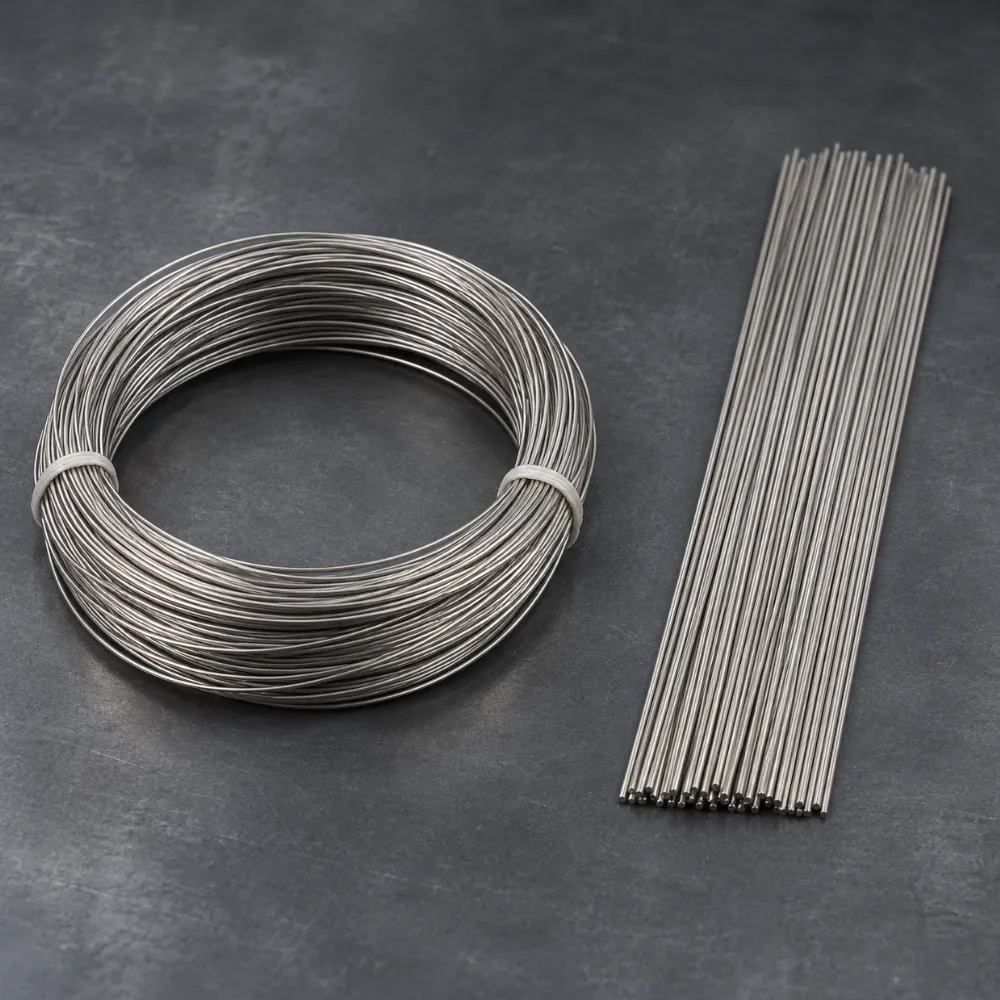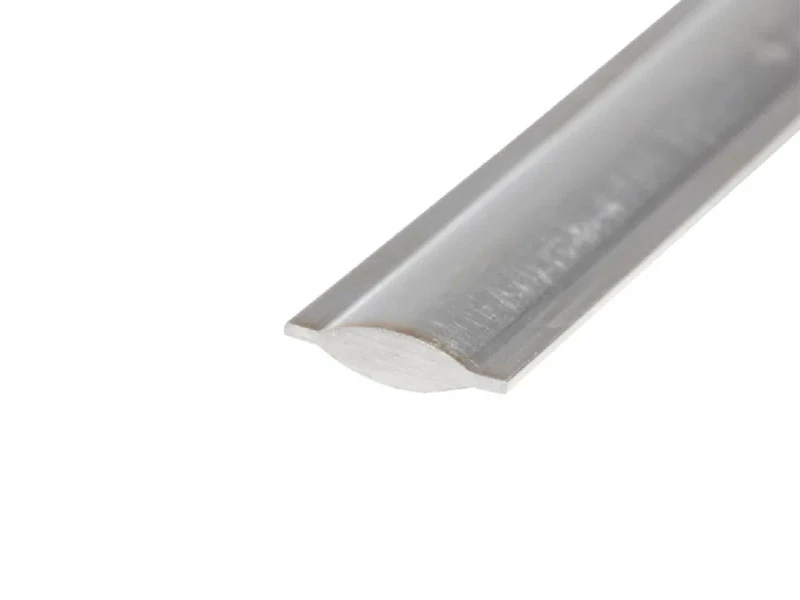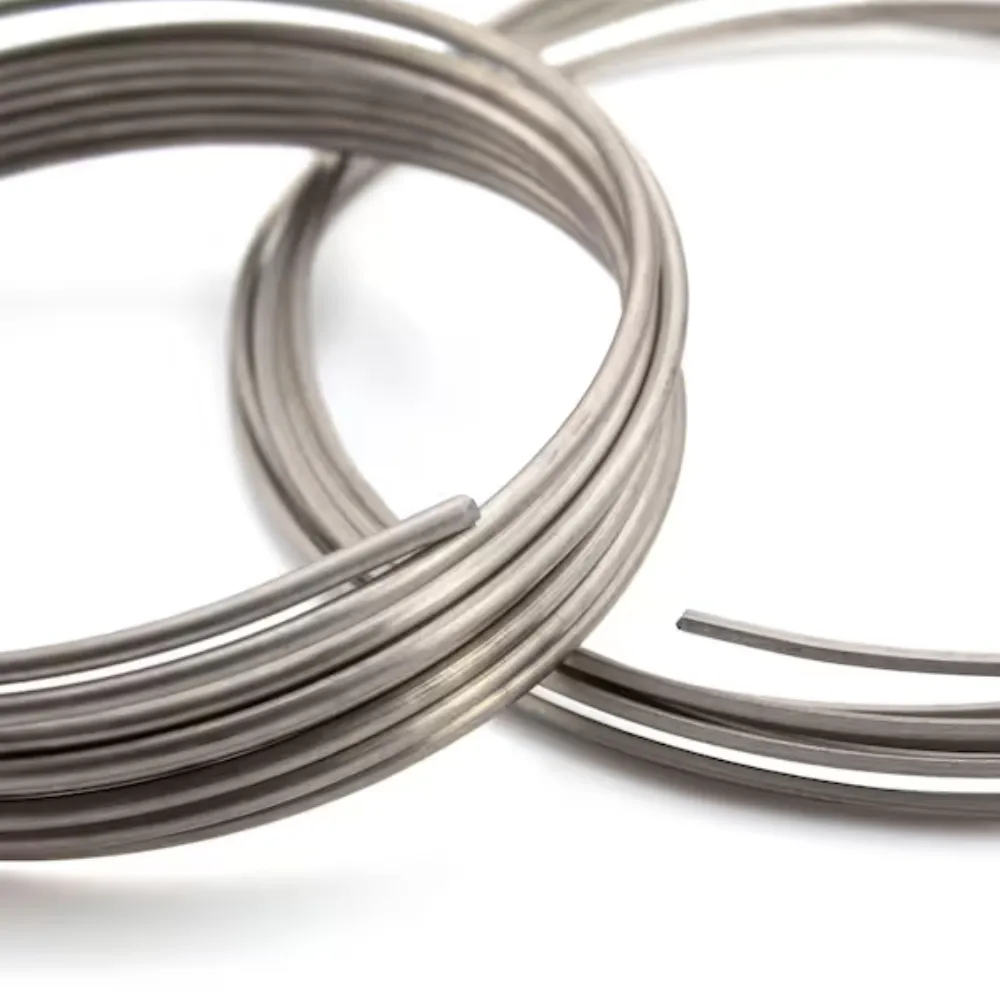
Titanium welding wire is titanium wire supplied as a welding consumable; general titanium wire can have other uses. When comparing titanium welding wire vs titanium wire, check the required filler class, such as AWS A5.16 ERTi-2. A Grade 2 label alone does not prove the wire meets it.
Two wires can share an alloy name and diameter yet need different checks before use. That is easy to miss when buyers compare grade names, pack weights, and prices. The gap may only come to light when the weld team asks for proof that the lot meets the order.
Matching the grade makes sense. It just doesn’t finish the job. A formed part and a weld have different jobs. The order must state which job the wire will do.
This guide explains which standards and grade names to check, how to handle the wire, and what to put on the order. It uses public ASTM and American Welding Society sources, plus TWI guides. You’ll learn how to compare offers, check records, and hold a suspect lot before it reaches the weld bench.
Key Takeaways
- ASTM B863 covers titanium wire; AWS A5.16 covers titanium welding filler classifications and related requirements.
- Grade 2 and ERTi-2 are related names, but one label does not prove the wire meets both specs.
- Clean surfaces, protected storage, and gas shielding matter even when the filler filler class is correct.
- Check the order spec, lot records, pack label, and supplied form before you release wire for welding.
Titanium welding wire vs titanium wire: the core difference
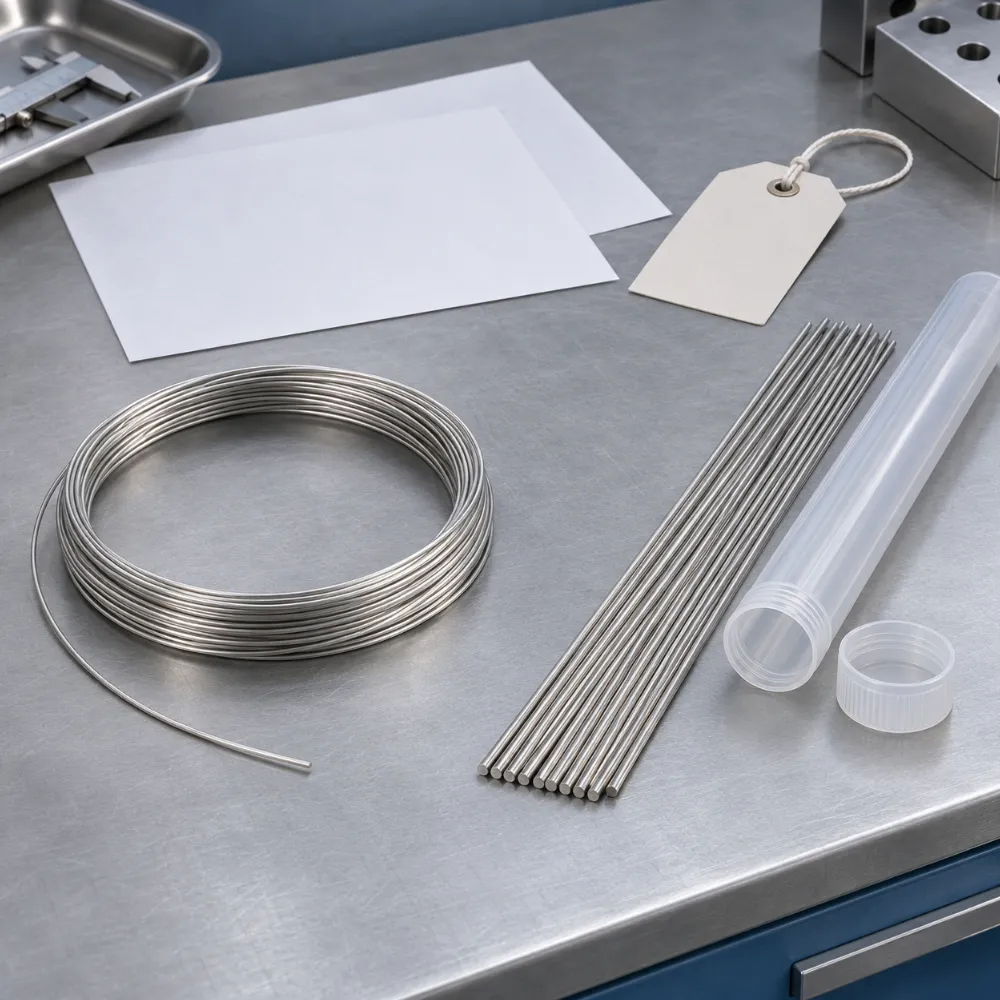
Titanium wire names the metal and its form. Welding wire has a defined role in making a joint. The groups overlap. Filler supplied for titanium welding is titanium wire, but a general wire order does not prove that the wire meets a filler spec.
For a formed part, buyers may focus on grade, size, supplied state, surface, and strength. Those checks help show if the wire can be shaped and do its job. A welding order also needs the right filler name and proof that it meets the approved process needs.
| Buying question | General titanium wire | Titanium welding filler |
|---|---|---|
| What are you buying? | Wire for the stated part or process | Filler metal for a stated joint and weld process |
| Which name matters? | Material spec, grade, and supplied state | Filler spec, class, and required edition |
| What must records show? | Proof the wire meets the material order | Proof the filler meets the welding order |
| What surface is needed? | The finish agreed for the intended use | A clean surface suited to the welding job |
| Does a coil or straight length prove it will work? | No; it describes the supply form | No; form must match the process and order |
Explore the titanium wire range in Tianjin Jingzhou Metal’s product catalog to review the listed grades. Check the exact standard and use when you ask about a product.
A bright surface or neat spool is worth checking. Neither proves a filler class. The supplier’s records and the approved order need to agree. In titanium welding wire vs titanium wire comparisons, that match matters more than which wire looks cleaner in a photo.
Titanium welding wire vs titanium wire: grades and standards
ASTM B863 describes the wire material
The official ASTM B863-26 scope covers titanium and titanium alloy wire. It lists Grade 2 as unalloyed titanium. Grade 5 is an alloy with a nominal mix of 6% aluminum and 4% vanadium. Those names identify types of metal within the wire spec.
A mill test report (MTR) can link a lot to its reported mix of elements and test results. Read what the report covers. A document naming ASTM B863 Grade 2 does not, by itself, prove that the wire also meets AWS A5.16 ERTi-2.
The same caution applies when a listing says only “titanium,” “commercially pure,” or “high purity.” These terms leave gaps in the order. Ask for the full spec and the proof needed for the job before you compare prices.
AWS A5.16 describes welding consumable classifications
The AWS A5.16/A5.16M:2023 description states that classification is based on chemical composition. It also covers tests, packing, and a guide to use. The summary lists more than 30 classes of titanium and titanium-alloy electrodes and rods.
ERTi-2 is a filler class used with commercially pure titanium; ERTi-5 is used with Ti-6Al-4V. They don’t turn every Grade 2 or Grade 5 wire label into an AWS claim. Check the AWS A5.16 class stated for the offered filler metal. Match it to the needs of the job.
For titanium welding wire vs titanium wire, keep the wire grade and filler class in separate order fields. If both standards are required, ask for proof of both. A table that links alloy names is not the full proof that the wire meets the order.
Let the welding procedure control filler selection
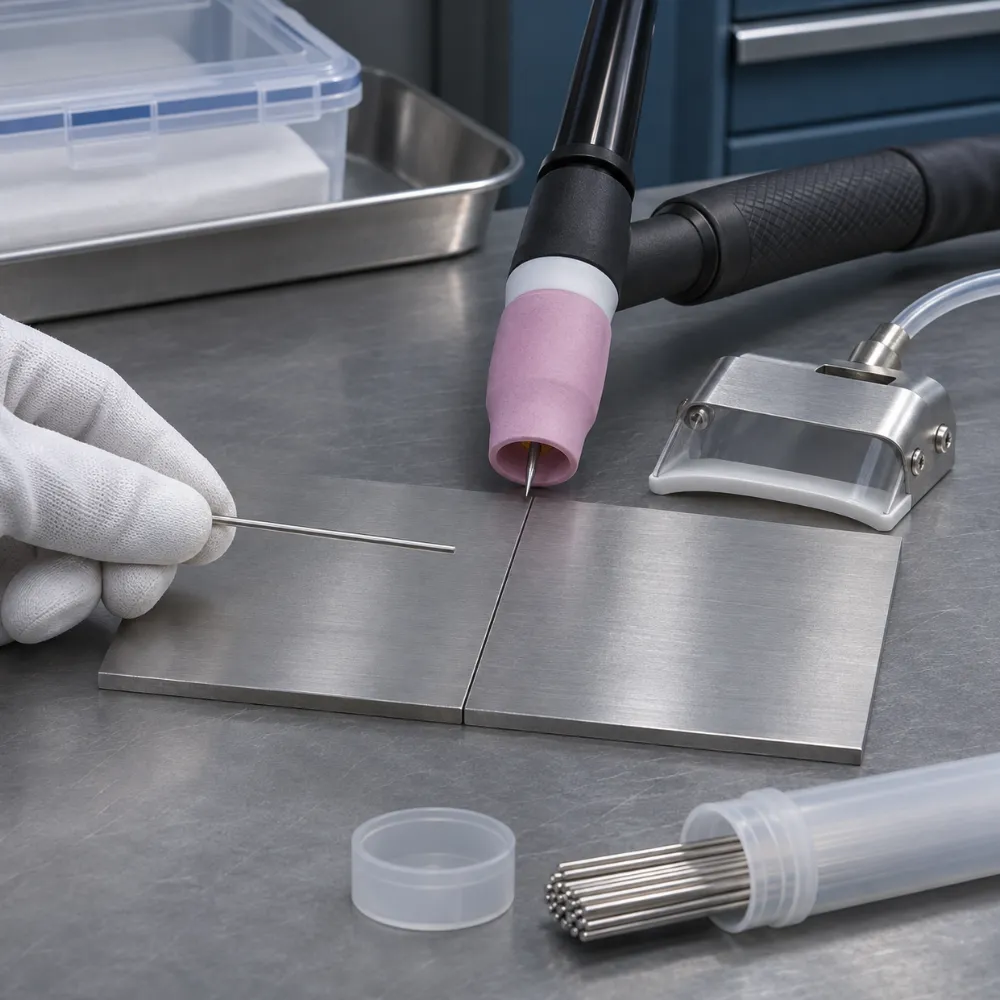
A welding procedure specification (WPS) sets out the approved method for making the joint. It may call for a stated filler metal, size, process, and other controls. Check the code, customer needs, and WPS before you approve a change.
Start with the base alloy, then check the approved choice. A change of filler may affect strength, ductility, or how the weld works in service. Buyers should refer that choice to the person in charge of welding. A similar grade number does not give approval.
Hypothetical example: Alex compares two offers.
Alex needs 1.6 mm filler metal for a job whose order names AWS A5.16 ERTi-2. One offer says “Grade 2 titanium wire”; the other names the filler class. Alex asks both suppliers for the required lot records and keeps the generic offer on hold.
The result is a clear check: this wire cannot enter the job until the reviewer confirms it meets the order. No weld trial or cost saving is assumed.
Why clean wire and gas shielding matter
Check the filler metal and its surface
The reported mix of elements helps identify the filler metal. Its surface affects what may enter the weld pool with it. In a titanium welding wire vs titanium wire check, a matching label does not remove the need for clean handling. Oil, moisture, handling residue, and dirt can remain a problem even when the package carries the right designation.
TWI’s titanium welding guidance, written by Gene Mathers, explains how air and dirt can affect the weld. Oxygen and nitrogen can make the weld harder but less ductile. Ductility is the ability to bend or stretch without cracking. Hydrogen from moisture or dirt can cause pores in the weld, a defect called porosity.
This is why welding wire needs clean handling from receipt through use. Use the approved cleaning method, wear clean gloves, and keep clean wire covered. A quick wipe cannot prove that unknown wire meets AWS A5.16. It cannot restore a missing lot number.
Protect the pack and the opened wire
State how the filler metal will arrive and how the shop will use it. Straight rods need a suitable length and protected container. Spooled wire needs pack size and feed traits that suit the machine. Neither form proves the alloy or filler class.
Check for a damaged seal, moisture, visible residue, mixed labels, or signs that wire has been repacked. Keep the pack label with wire moved into a working container. Follow the storage and handling rules for unused filler metal.
Hypothetical example: Morgan checks an opened spool.
Morgan receives a labelled 5 kg spool and an unsealed sample in the same delivery. The sample has marks from handling and no clear link to the spool’s lot. Morgan keeps it separate, records the issue, and asks for its lot details and a review before use.
The spool still needs its own record and surface checks. This keeps the loose sample from passing under another pack’s label. It does not prove that the spool or a later weld has passed inspection.
Wire selection does not replace gas shielding
In gas-shielded titanium welding, gas must keep air away from the molten pool and hot metal. The joint and process may need a trailing shield for hot metal behind the torch, plus gas at the back of the weld. The approved WPS must define the setup and its controls.
The right filler metal can still produce a poor joint if handling or shielding fails. Weld colour alone cannot prove that a joint passes all checks. Later passes can hide traces of air or dirt that entered an earlier weld run. Use the inspection and testing required for the job.
How to specify and check a wire order
Put the intended use on the enquiry
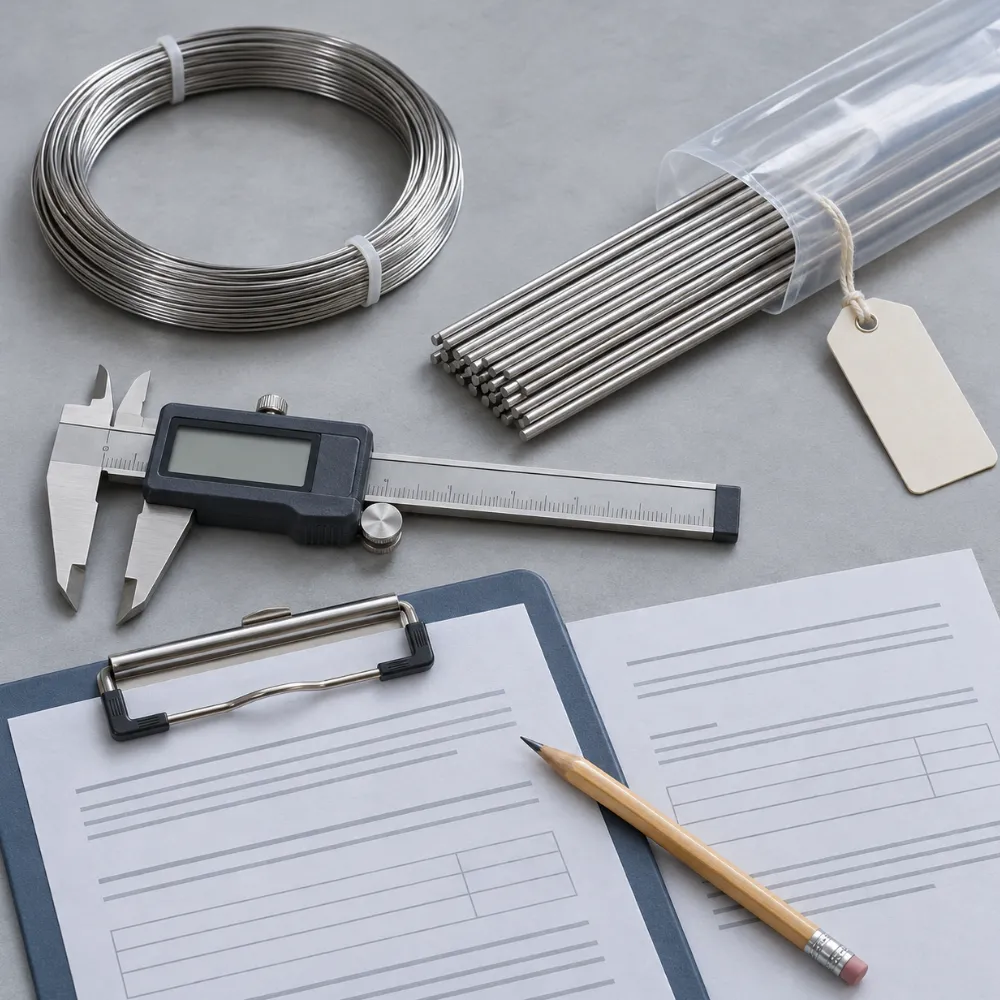
For a wire order to make a part, state the grade, standard, diameter, tolerance, supplied state, surface, form, and amount. Include a drawing where length or shape affects fit. State which reports and checks you need.
For filler metal, add the full welding spec and class. If the order calls for AWS A5.16, give the required edition and exact filler class. State the welding process, required size, pack form, labels, and records. Don’t let “equivalent” replace the stated name without written approval.
A practical enquiry can use these fields:
- Purpose: Forming stock, welding filler, or another defined use.
- Material or filler designation: Full standard, edition, grade or filler class, plus any extra order terms.
- Dimensions: Diameter and tolerance, plus straight length or spool details needed by the process.
- Condition and surface: Requirements for the intended task, including cleaning and packaging where applicable.
- Evidence: Lot number, required reports, proof of the stated spec, and who must approve a change.
- Amount and delivery: Pack amount, total amount, destination, and requested timing for the quote.
Discuss your wire requirements through Jingzhou Metal’s technical support, including the drawing and required documents. Request confirmation of the offered product’s scope before approving it for welding.
Match the documents to the delivered lot
At receipt, compare the order, delivery label, and test reports. Check that the supplier, grade, size, and heat or lot numbers agree. If wire was repacked, check how the new pack links to the source records.
Then review what the documents cover. An AWS A5.16 statement should identify the classification you ordered; a report for a different spec cannot fill that gap. If the proof is missing or does not agree, hold the welding wire while the reviewer checks the issue.
For general buying terms, the wire ordering FAQ explains the supplier’s process. Agree the records for your job in the order itself. A general website claim does not replace proof for your lot.
Keep wire checks and weld checks separate
Check the pack, marks, and sizes in the agreed receiving plan. Record issues before you mix the wire into shop stock. Release filler metal through the approved process. Keep its lot number linked to the records.
That release only covers the incoming wire. It does not qualify the WPS, approve the welder, or pass the finished joint. Any required weld tests and inspections remain separate controls.
When comparing titanium welding wire vs titanium wire quotes, compare the same scope. Cleaning, packing, records, and approved use can change what each quote covers. A higher price does not prove better quality. Compare the cost of wire that meets the full order.
Frequently asked questions
Can ordinary titanium wire be used for TIG welding?
Only if the reviewer confirms that the wire meets the required filler spec and WPS. A general Grade 2 label is not enough when the order requires AWS A5.16 ERTi-2. Cleaning or cutting the wire into rods does not prove it meets that spec.
Is Grade 2 titanium wire the same as ERTi-2?
No, the names refer to different specs. Grade 2 names the material grade; ERTi-2 names a welding filler class. One product may meet both specs, but its records need to prove that. The shared number does not prove it meets both.
Is titanium welding wire stronger than general titanium wire?
Neither group is always stronger. Alloy, supplied state, and the property you measure all matter. Filler metal is chosen for the joint’s needs, including ductility and service conditions. A welding label alone does not promise higher tensile strength.
The useful titanium welding wire vs titanium wire question is whether the wire meets the job, not which label sounds stronger.
Do all titanium welds need filler metal?
No. Some titanium joints are welded without added filler, a practice called autogenous welding. Whether that suits the job depends on the joint, process, fit-up, and approved WPS. A plan to omit filler needs approval, just as a change of filler class does.
What welder is needed for titanium?
Gas tungsten arc welding, commonly called TIG or GTAW, is widely used, although titanium can be joined by other processes. The machine must support the approved WPS and required gas shielding. The machine alone cannot make up for the wrong filler, poor cleaning, or a gap in shielding.
Choose wire for the job and verify the evidence
Start with the wire’s role. For a formed part, state the alloy, size, supplied state, and properties the part needs. For a welded joint, name the required filler class and the WPS that controls its use.
Next, check the offered proof against that need. ASTM B863 and AWS A5.16 serve different purposes. A Grade 2 material report does not by itself prove the wire meets ERTi-2. Check the full name, required edition, lot number, and agreed order terms before release.
Keep the wire clean and protected after receipt. Check that the supply form suits the shop’s process. Keep the pack label and hold any issues for review.
Wire release and weld approval are separate steps. Both need the checks set out for the job.
For a titanium welding wire vs titanium wire enquiry, send your wire specifications with the intended use, standard, size, form, amount, and required documents. Ask the supplier to confirm what is offered. Then check the proof against that order before you approve the wire.