Choose coiled or spooled titanium wire for continuous feed when your line can handle the package and straighten the wire as needed. Choose straight lengths when your process needs defined blanks with agreed length and straightness limits.
The lower price per kilogram can still produce the more expensive part. In a titanium wire coil vs straight comparison, the useful question is how much work remains between delivery and an accepted component.
You may already know the grade and wire size. Yet a quote that says only “Grade 2 titanium wire” leaves gaps. Your team still needs to know the coil size, feeder fit, or cut length for the bench. Those details can change setup time and the number of usable parts without changing the alloy name.
This guide compares the three forms, explains how the wire’s condition matters, and shows how to check cost per usable blank. It also gives you a checklist for quotes and goods-in checks. The aim is an order that matches your process, with clear pass/fail checks before the wire reaches the line.
Key Takeaways
- A loose coil, a spool, and straight lengths require different handling and acceptance checks.
- Continuous feed needs a compatible payoff or spool mount; straight lengths need a defined length and straightness test.
- Grade, material condition, and surface requirements matter independently of packaging.
- Compare cost per accepted blank, including setup, end loss, inspection, and freight.
- Titanium welding wire needs the specified filler classification and cleanliness controls, regardless of delivery form.
Titanium wire coil vs straight: compare delivery forms
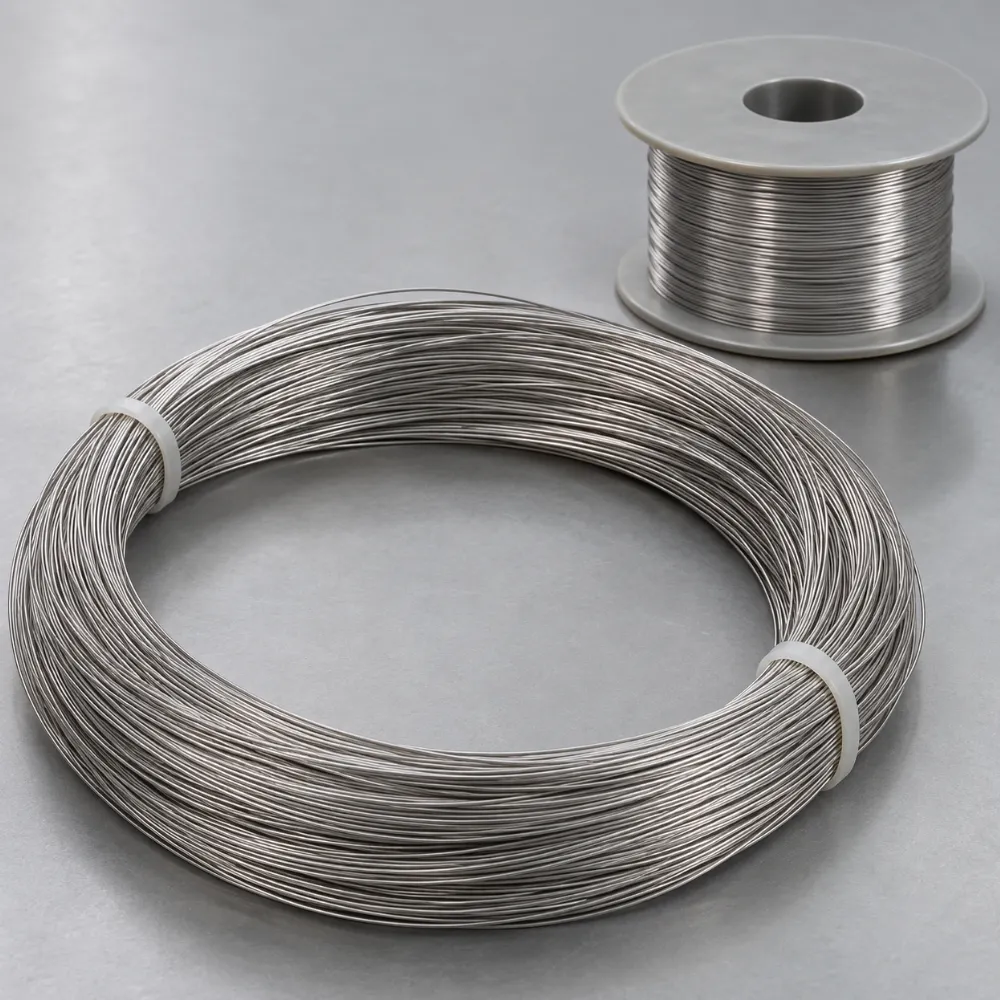
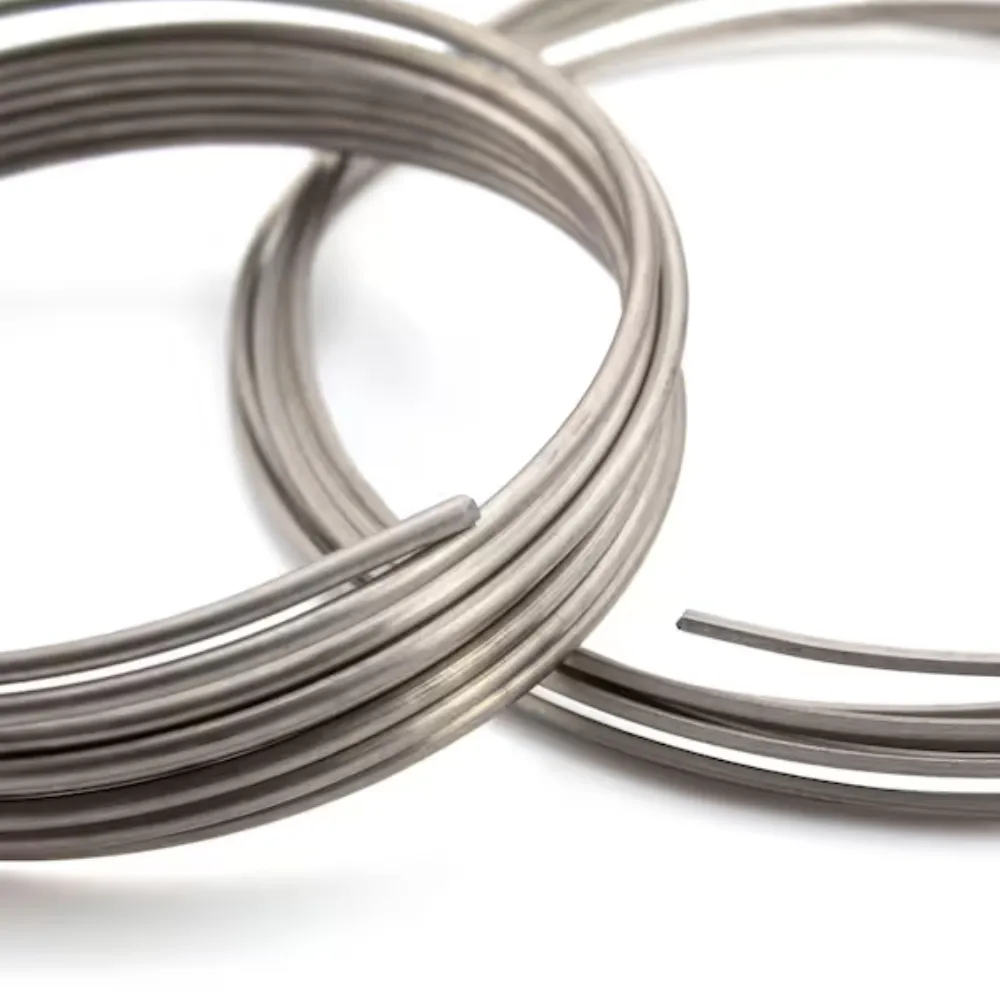
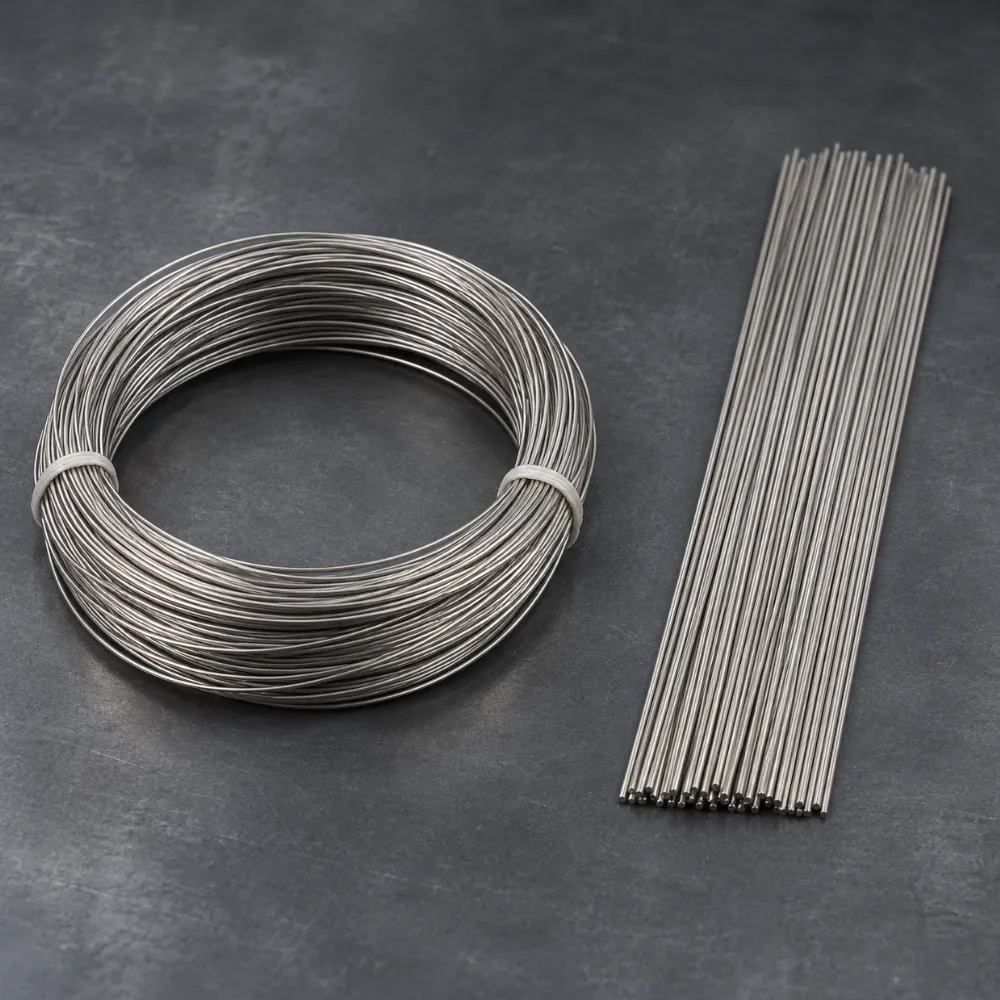
A titanium wire coil is a continuous length wound into loops and secured for handling. It needs a payoff: a device that feeds wire from the coil to the next process. Taking off the ties doesn’t turn a coil into ready-to-feed straight stock.
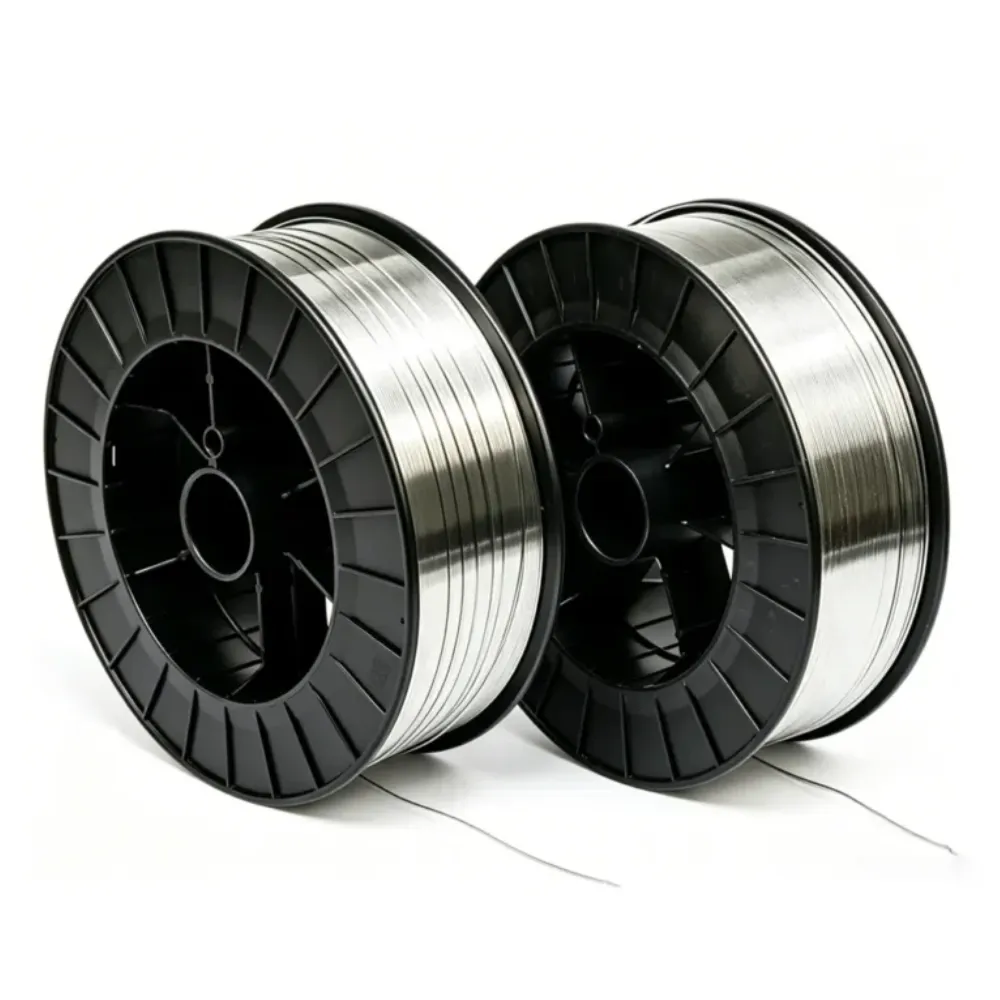
A titanium wire spool carries wound wire on a reel with a hub and flanges. It feeds wire in a long length, but the reel must fit the feeder’s mount. A loose coil and a spool are separate purchasing options.
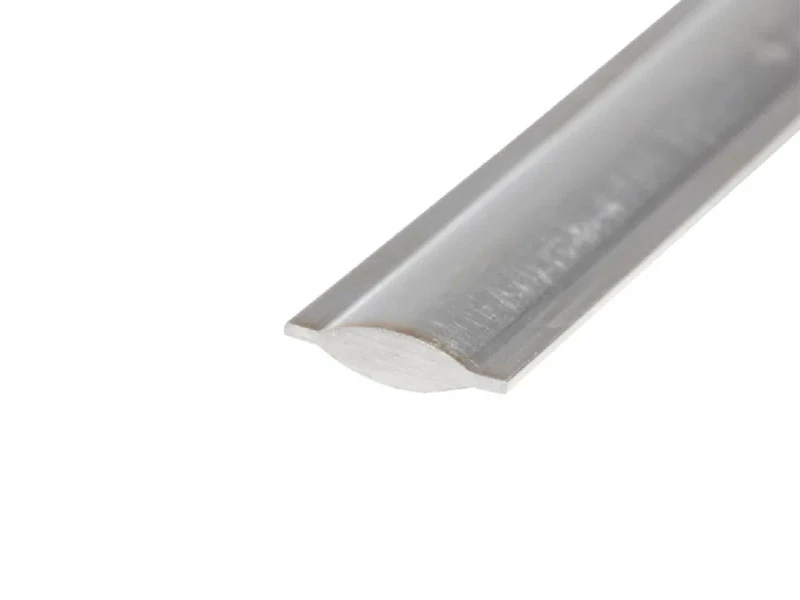
Straight titanium wire arrives as individual lengths. It can remove a cutting or straightening step at your shop when the supplied wire meets the drawing. The word “straight” alone doesn’t say how much bow is allowed.
| Purchasing question | Loose coil | Spool | Straight lengths |
|---|---|---|---|
| How does wire enter the process? | From a compatible payoff | From a compatible spool feeder | As separate pieces or bars |
| What package details matter? | Inner and outer diameter, width, mass, ties | Hub bore, flange diameter, width, mass | Length, bundle size, rigid support |
| What geometry needs checking? | Unwinding behavior and residual curvature | Unwinding behavior and winding quality | Bow over an agreed span and cut length |
| What extra work may remain? | Straightening, guiding, cutting | Guiding, straightening, cutting | End preparation or final trimming |
| What decides suitability? | Available handling equipment and trial results | Mount and feed-path compatibility | Drawing and fixture acceptance |
Start with a grade. Explore the titanium wire range listed by Tianjin Jingzhou Metal, then name the delivery form in your enquiry. Confirm the grade, diameter, condition, and package before you order.
Match the wire form to the production line
Continuous feed needs package details
A titanium wire coil can suit cutting, forming, or weaving on a line with a suitable payoff. Check how the coil sits on the payoff and how the wire leaves it. Check the load limit before you choose a larger coil to reduce changes.
For a titanium wire spool, check the actual bore, flange diameter, and overall width against the feeder drawing. A reel that fits the shaft can still hit the guard. The wire must also fit the guides, drive rolls, and next process.
Discuss cast, the curve that released wire forms, and helix, the rise of that loop out of a flat plane. These affect how wire enters the guides. Agree on the test method and limits. Don’t take limits from a different metal or feeder.
Straight lengths need a measurable acceptance rule
For straight titanium wire, state both the cut length and its tolerance. Then define straightness over a stated test span. A small bow across a short fixture can matter more than the same bow across a long storage rack.
Hypothetical example: Alex’s fixture trial. Alex needs 120 mm blanks for a small assembly run. Their shop has a cutter but no coil straightener proven for this wire. They compare straight stock with blanks cut to the required length, and choose the cut blanks for the trial.
They now have a simpler test route. They can check each blank in the fixture before buying more.
In this titanium wire coil vs straight example, the chosen route fits the tools Alex already has. It doesn’t prove that straight lengths always cost less. A shop with a proven feed-and-cut line could choose a coil for the same blank.
Run a sample through your process. Record feed behavior, changes in cut length, surface marks, and which parts pass. If the line stops, find out whether the cause is the wire, package, setup, or tooling before you change the wire spec.
Titanium wire coil vs straight: grade and condition
Delivery shape doesn’t specify mechanical properties
A coiled package is not a separate titanium grade. Nor does straightening give all straight titanium wire the same strength or stretch. Compare chemistry, supplied condition, and test results as well as the delivery form.
ASTM B863-26 covers titanium and titanium-alloy wire. Its public scope identifies Grades 1 and 2 as unalloyed titanium and Grade 5 as a titanium alloy containing aluminum and vanadium. Name the grade and standard edition on the order. The word “titanium” isn’t a full wire spec.
Cold work and heat treatment can affect strength and how far wire bends before it breaks. Straightening adds a step that must leave the wire’s surface and final properties within the agreed limits. For a fair quote comparison, ask if both offers cover the same wire condition and tests.
Springback is the wire’s tendency to spring toward its old shape after bending. It matters when wire must stay in a guide or hold a formed shape. Don’t infer it from whether the shipment arrives in a box or on a reel. Confirm behavior with the specified grade, diameter, condition, and process trial.
Welding wire needs its own purchase requirements
Titanium welding wire melts into the weld, so its chemistry and surface both matter. A mill-wire grade name alone doesn’t prove the required filler classification. The official AWS A5.16/A5.16M:2023 summary describes requirements for titanium welding electrodes and rods, including classification, testing, and packaging.
Manual TIG work can use straight filler lengths, while a wire-fed process needs a compatible continuous package. Both routes still need the filler material selected for the welding procedure. Don’t swap in ordinary forming wire just because the grade name sounds similar.
TWI’s titanium welding guidance explains titanium’s sensitivity to contamination during welding. Keep filler clean and protected, and follow the qualified welding procedure. Packaging form cannot compensate for contaminated wire or inadequate shielding.
Compare cost per accepted part
A titanium wire coil vs straight price comparison should use the same grade, condition, diameter tolerance, surface requirement, and quantity. Otherwise, the apparent price difference may reflect a different material specification.
Compare freight and packing costs on the same delivery terms. A compact coil may reduce a package dimension, while straight lengths may need rigid support. The bill depends on package size, weight, carrier rules, and where it goes. Neither form guarantees lower freight costs.
Count the work after delivery
Use the same cost checklist for both routes so one quote doesn’t hide work inside the factory. Add the costs below, then divide by the number of blanks that pass inspection.
| Cost item | What to include |
|---|---|
| Wire and delivery | Price, packing, freight, and agreed delivery charges |
| Setup | Loading, guides, trials, and package changes |
| Processing | Cutting, straightening, cleaning, and end preparation |
| Inspection and loss | Checks, rework, rejected blanks, and unusable ends |
A titanium wire spool can reduce manual loading work on a compatible line, but setup and end losses still exist. Straight titanium wire can remove an internal process step, but unusable offcuts and additional inspection can remain. Count both rather than assuming either route has zero waste.
Hypothetical example: Sam’s cutting calculation. Sam compares 1,000 mm stock lengths with 120 mm blanks. Ignoring cutting kerf and end allowances, each stock length yields eight blanks and leaves 40 mm. They add the real cutting and clamping allowances before comparing quotes. The result is a usable material estimate, rather than a price comparison based on nominal mass alone.
A coil-fed line also needs an allowance for waste. The start and end of a run, setup pieces, and failed parts all reduce usable output. Measure these in the trial before you work out the cost per part.
Use yield to check the apparent saving
In another illustrative calculation, 480 accepted blanks from 500 supplied blanks gives a 96% acceptance yield. That is a worked example, not a forecast of how a supplier’s wire will perform. If the production trial has a different yield, use the measured result.
This is also why a small order can cost more per part than a repeat run. A short run may not pay back the cost of a new payoff and straightener. For repeat orders, the tools may pay for themselves if the process keeps meeting the drawing.
Discuss your drawing, packaging, and documentation needs through technical support. Confirm the proposed inspection scope and supply details for your order; don’t treat a general packaging description as approval for every titanium wire configuration.
Specify and inspect the delivery form
Put the acceptance fields on the order
In a titanium wire coil vs straight enquiry, settle the wire spec and package together. Name the loose coil, titanium wire spool, or straight titanium wire you need. Use a drawing so the receiving team doesn’t have to guess what a word such as “precision” means.
- Material: Grade, governing specification and edition, supplied condition, and required test results.
- Dimensions: Nominal diameter, permitted variation, and any ovality requirement applicable to the part.
- Delivery form: Loose coil, spool, or straight lengths, with package dimensions and mass limits.
- Straight stock: Required cut length, length tolerance, straightness limit, inspection span, and end condition.
- Continuous stock: Payoff or feeder details, winding requirements, cast/helix checks, and rules for joins if relevant.
- Surface and records: Cleanliness, finish, heat or lot identification, and mill test report (MTR) requirements.
For titanium welding wire, add the required filler classification and welding-documentation requirements. State how you’ll use the titanium welding wire so the quote covers the right material and records.
Inspect before releasing the lot
Match the label and heat or lot number to the agreed MTR and order. Check for damage before you open the package. Keep the label with each split bundle or reel so test results stay linked to the right wire.
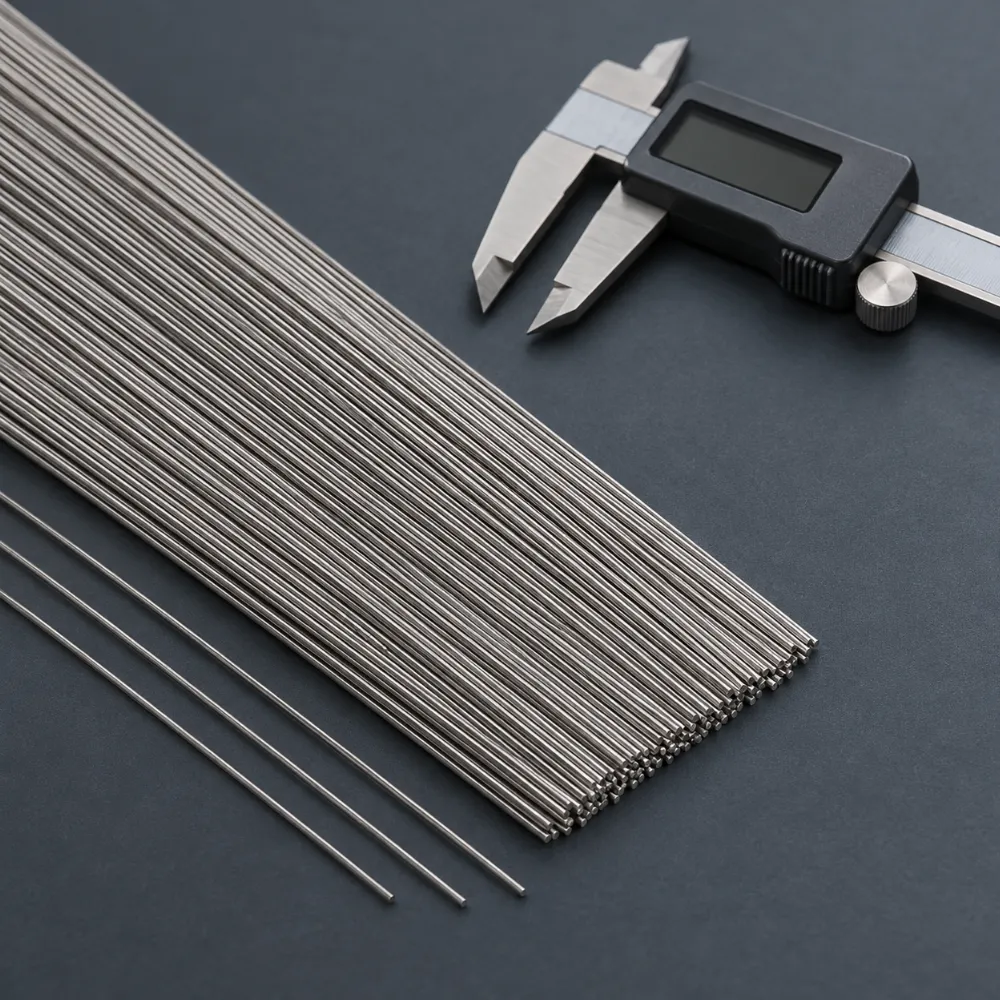
Check diameter with a calibrated gauge suited to the wire size, using the agreed sampling plan. For straight titanium wire, check length and bow with the agreed support and span. For a titanium wire coil or titanium wire spool, check the winding and try feeding it under the machine’s work rules.
Hypothetical example: Jordan’s receiving check. Jordan orders 500 straight blanks for a bench assembly. The drawing sets a bow test over the full blank length. The delivery report, though, lists only wire diameter.
They hold the lot for the missing check. A “precision wire” label isn’t enough to release it. They can now decide whether the lot passes the order, without arguing over a sales term.
Record scratches, kinks, or damaged ends and check them against the agreed limits. A shiny surface alone doesn’t prove the right chemistry, cleanliness, or size. Review the wire ordering FAQ alongside your project-specific documentation list.
Frequently asked questions
Is coiled titanium wire weaker than straight wire?
The delivery form alone doesn’t tell you which wire is stronger. Compare the same grade, condition, size, and required tests. Drawing, heat treatment, and later work can change the wire. Two lots with the same grade name need not have the same strength or stretch.
Can titanium wire from a coil be straightened?
Yes, if the process suits the grade, diameter, and final wire requirements. Check the bow and surface after straightening. If your shop lacks the tools, compare buying straight lengths with paying another shop to straighten the coil.
Is a titanium wire coil the same as a spool?
No. A loose coil consists of secured loops; a titanium wire spool includes a supporting reel. Both feed long lengths of wire, but they need different handling and feeder setups. For a titanium wire coil, specify the loop and package sizes; for a spool, include the reel sizes too.
Which delivery form suits TIG welding?
Straight filler lengths can suit manual TIG welding; a wire-fed setup needs compatible continuous wire. In both cases, order titanium welding wire to the required filler classification and procedure. The titanium welding wire must meet the specified filler requirements, whatever shape the package takes.
Is a coil always cheaper than straight lengths?
No. Compare the cost to get the wire to your shop plus the work needed to make parts that pass. A lower purchase price can disappear into setup, straightening, cutting, or rejection costs. Ask for the same wire spec and test a sample lot before you choose the route.
Choose the form your process can accept
Start with the production route. A titanium wire coil suits a compatible payoff system; a titanium wire spool needs the correct mount and feed path. Straight titanium wire needs a cut length and straightness specification that your fixture can accept.
Then check the wire itself. Grade, supplied condition, diameter limits, surface requirements, and test records belong on the same order as the delivery form. For titanium welding wire, the filler classification and procedure requirements remain part of that decision.
Use a trial to compare usable output and the work each route needs. State which costs you include, count waste, and keep test results with the wire lot. That gives the buyer and shop team the same facts for choosing the next shipment.
To discuss titanium wire coil vs straight options for your project, send your wire specifications with the grade, diameter, condition, quantity, and machine or blank drawing. Ask the supplier to confirm the delivery form, pass/fail checks, and required records before you place the order.