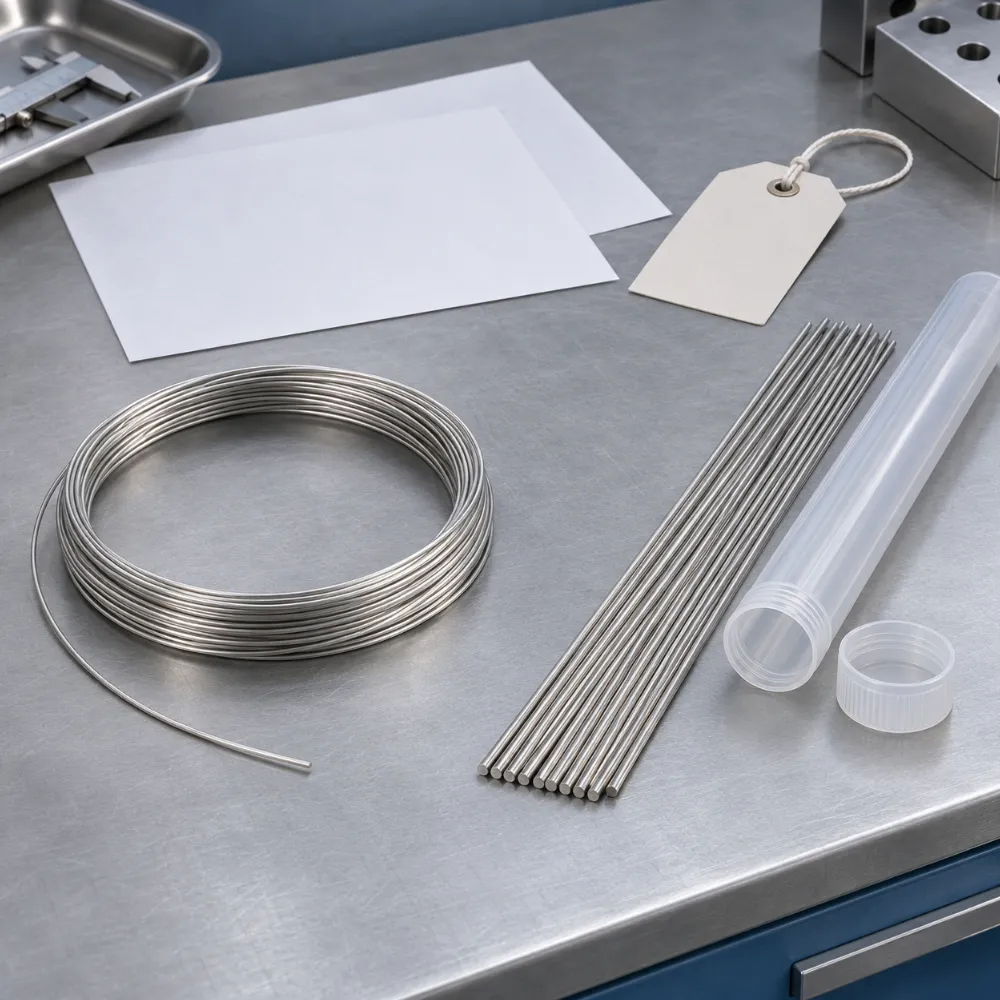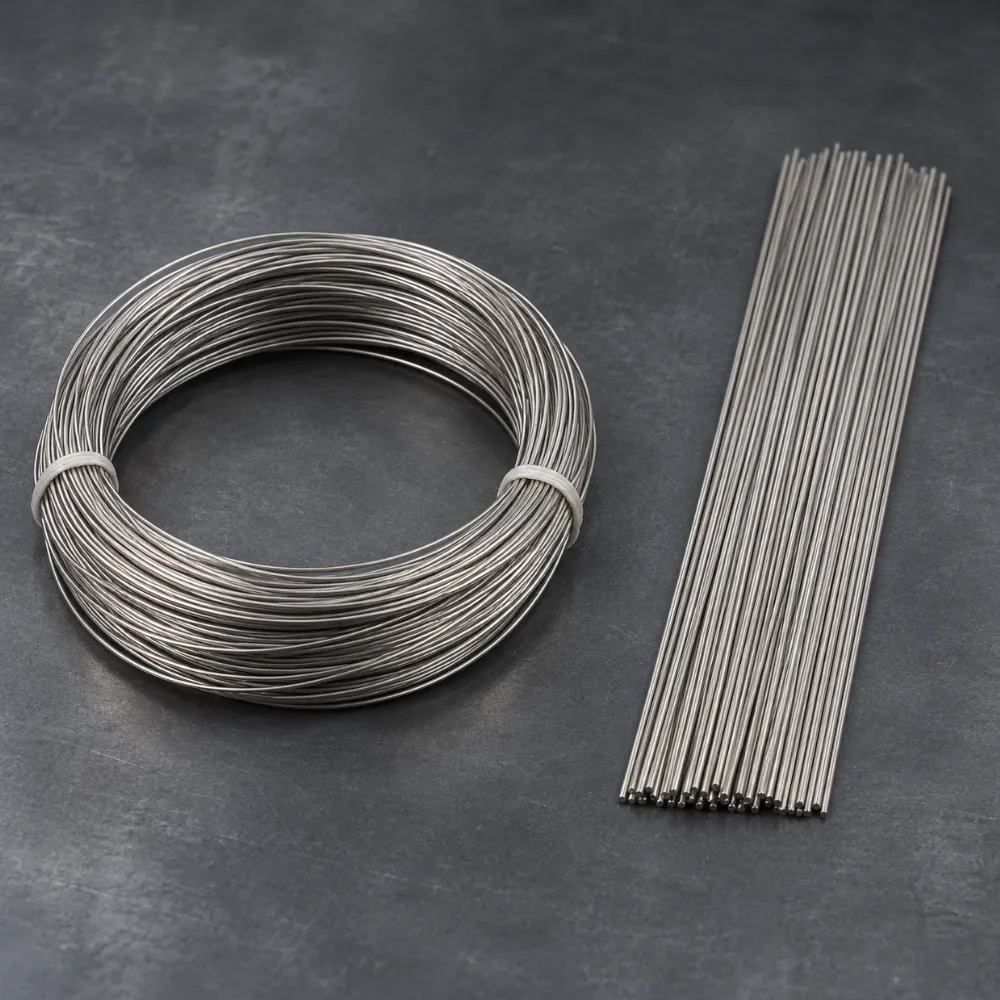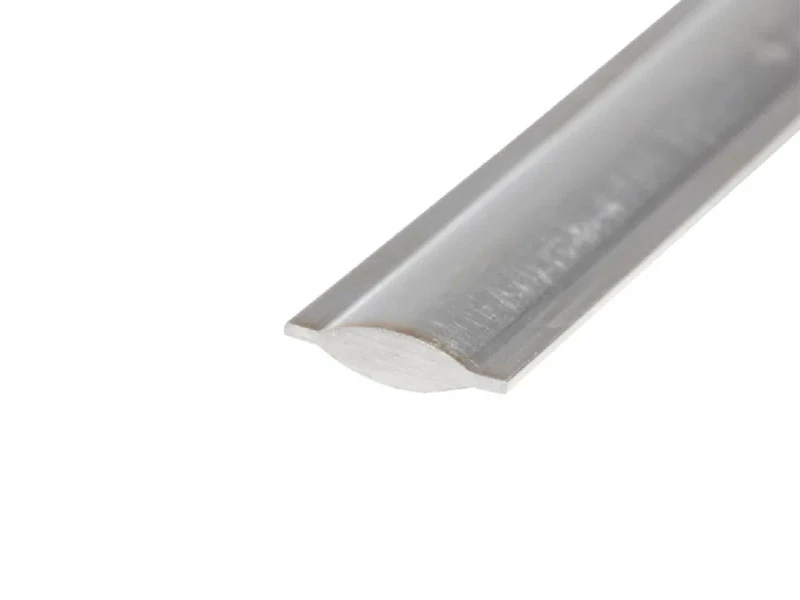
Titanium wire surface finish describes its texture and surface state, such as die marks, oxide scale, and traces of oil or dirt. Choose it for the next task. Set separate checks for roughness, dirt, and visible flaws: a shiny coil can still carry oil.
A quote that says only “bright” leaves those details open. Two coils may look alike yet differ in surface roughness, traces of oil, or the depth of a scratch. For a buyer comparing pickled wire with polished wire, ask what each supplier will measure and check.
This guide turns titanium wire surface finish into a practical purchasing checklist. You’ll learn how finish names differ, which checks need numbers, and how to choose wire for welding, forming, or a later treatment. It also explains where a sample helps and where you need a written test result.
The guide uses public ASTM sources and TWI’s advice on welding titanium. It keeps grade, final size, and surface state separate, so you can ask clear questions before you place an order.
Key Takeaways
- Bright, pickled, and polished are finish names. None alone states an Ra limit or proves the wire is clean.
- Pickled wire and polished wire need separate checks for surface roughness, local flaws, and traces of oil or dirt.
- Check wire size after the agreed finish step. Removing metal can change the final size.
- A titanium wire surface finish requirement should identify the test method, sampling plan, and approved delivery condition.
What titanium wire surface finish tells you
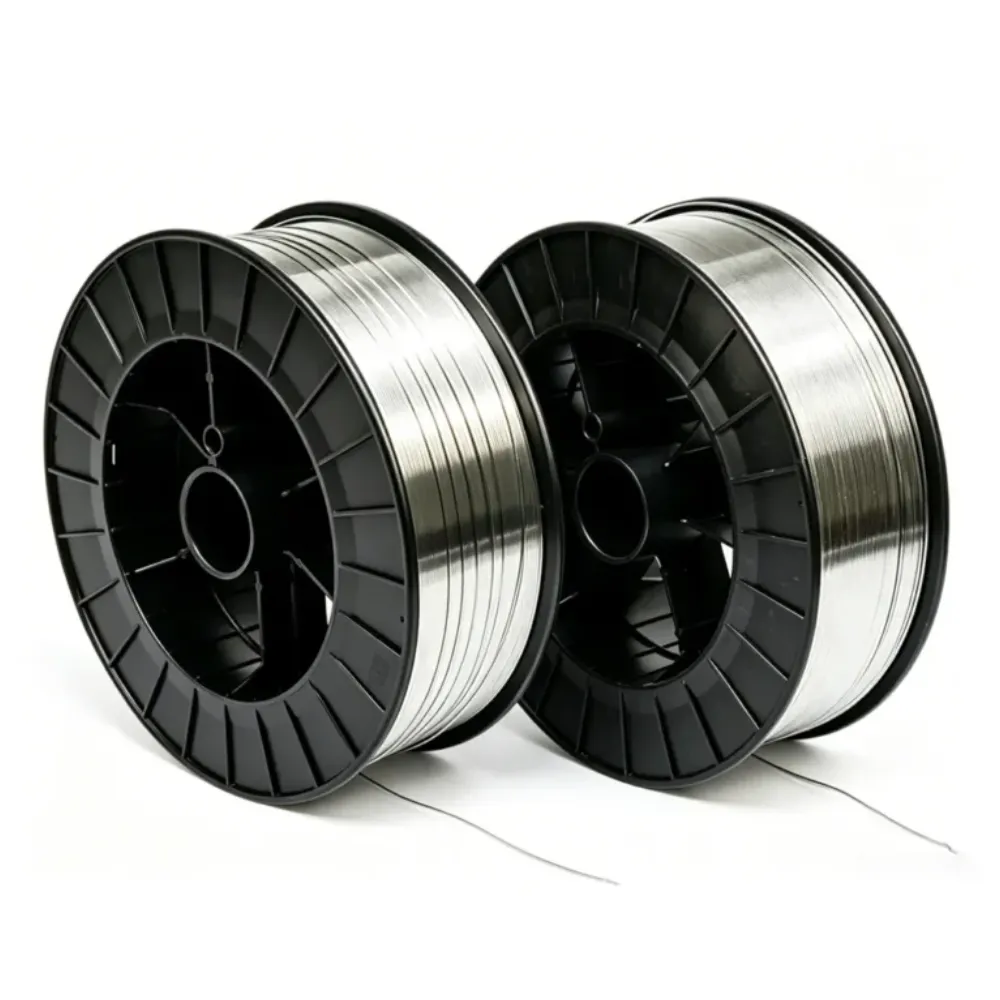
A useful spec answers three questions: what does the wire look like, how rough is it, and what remains on it? Looks, texture, and dirt need different checks. A photo can show color or visible marks. A profile test measures texture along one path on the wire.
Drawing, heat treatment, and metal removal can all change the surface. Drawing can leave marks along the wire. Heat can form scale, while cleaning can remove dirt without making the wire shine. Ask which step made the final surface and whether more work followed it.
Titanium also forms a protective oxide film. That thin film differs from thick scale formed by heat. It also differs from a layer of metal enriched with oxygen.
The public scope of ASTM B600-22 sets out cleaning and scale removal. It also notes that acid etching may be needed for an oxygen-rich layer or alpha case.
For titanium wire surface finish, “oxide-free” needs a clear meaning and an agreed process. A silver look does not prove that an affected layer of metal has been removed. Polished wire can still need a final clean. Pickled wire can need a surface roughness check after treatment.
Start with the wire type: Explore the titanium wire range at Tianjin Jingzhou Metal, then ask the team to confirm your required finish in the quote.
Compare titanium wire surface finish options
Finish names can refer to a process or a look. Suppliers may use the same name in different ways. When comparing titanium wire surface finish quotations, ask how the wire will arrive. The label alone leaves gaps.
The table shows what to check when choosing pickled wire or polished wire.
| Supplied description | What it can describe | What to confirm |
|---|---|---|
| As-drawn or black | Wire retaining a drawing surface, lubricant, or processing oxide | Allowed oil or dirt, scale, and later treatment |
| Chemically cleaned | Wire treated to remove specified soils | Which soils are removed and how cleaning is checked |
| Pickled | Wire treated to remove material by a chemical process | Final size, rinse state, surface roughness, and flaw limits |
| Mechanically polished | Wire finished with an abrasive | Surface roughness, traces of compounds, scratches, and final size |
| Ground | Wire with material removed by grinding | Size, roundness, grinding marks, and final cleaning |
| Bright | A bright metal look | Actual process and checks with clear limits |
Pickled and polished surfaces serve different purposes
Pickled wire is not automatically smooth, and polished wire is not automatically clean. Chemical treatment can change or expose the texture beneath. Abrasives can leave compounds that need to be cleaned off. Neither label supplies a universal Ra value for titanium wire surface finish.
Ask if the supplier measures surface roughness before or after the final clean. Also establish whether pickled wire will receive any protective oil, and whether polished wire will have a final residue-control step. Put those answers in the agreed order.
Hypothetical example: comparing two samples.
Alex, a buyer, receives two 1 mm wire samples marked “bright.” One supplier describes pickled wire; the other describes polished wire, with no cleaning detail. Alex asks both for final-size readings, the order of treatment steps, and a list of any oils or compounds left on the wire. The revised quotes state what each supplier will send and check, so Alex can compare them. This is a fictional buying example, not a customer result.
Specify roughness and inspect local defects
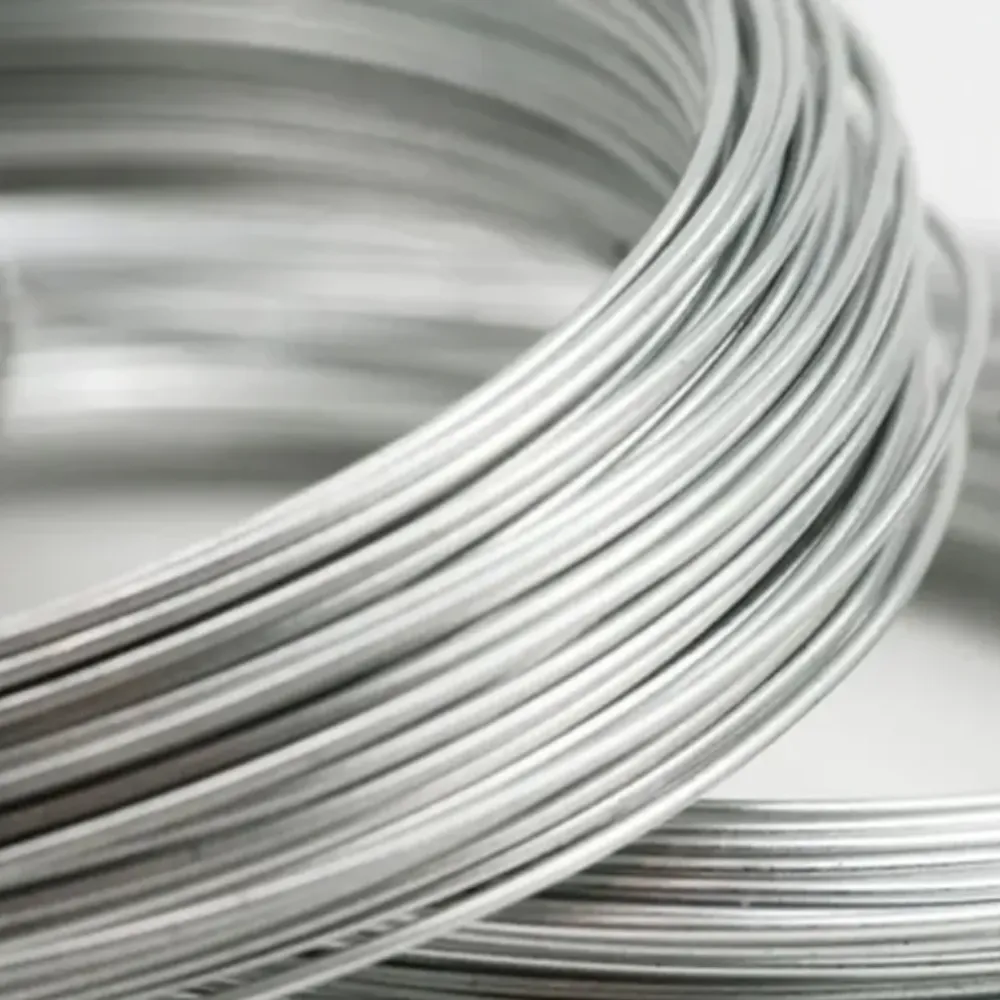
A titanium wire surface finish spec should state the required result and how to test it. Ra is the mean of the absolute heights and depths of a profile from its mean line, over a stated length. It describes surface roughness along that trace. It does not describe the whole coil.
Rz is a different measure of profile height. Its meaning depends on the standard used. Don’t use a fixed factor to turn Rz into an Ra limit. Name the measure, units, and test standard in the drawing or order.
Agree how the measurement will be made
Before setting a limit for pickled wire or polished wire, agree these details with the supplier:
- Final state: Measure after the agreed finishing and cleaning steps.
- Equipment: Name the contact or optical method and a suitable test setup.
- Direction: State how the trace runs in relation to die or grinding marks.
- Settings: State the filter, cutoff, and test length where these apply.
- Wire support: Hold the curved surface without bending or damaging the test area.
- Sampling: State where and how much to test, and what happens if a test fails.
Agree these points for your wire. One test setup may not suit all wire sizes. Compare surface roughness results only when their methods and final states match. One short sample cannot prove the state of every part of a coil.
Add checks that an average can miss
An Ra reading can pass while a seam, scratch, or pit lies outside the measured path. Include visual or optical flaw checks in the titanium wire surface finish spec. Set the light, any needed lens power, and how much wire to inspect. Agree these before you use an approved sample as the reference.
Dirt needs its own check. A wipe can show large traces of oil or dirt. It cannot prove that every unwanted substance is absent.
Agree a test suited to the soil and next task. A clean-looking wipe cannot prove the wire meets every cleanliness need.
Keep surface roughness, flaw checks, and cleaning test results together. For both pickled wire and polished wire, this gives the goods-in team a record they can use. They can check the titanium wire surface finish against the agreed limits.
Match the finish to the next operation
The right titanium wire surface finish depends on what you do with the wire after it arrives. Choose the grade and temper for the part. Then choose the surface state that suits the process. Avoid paying for shine that later work will remove.
Welding and joining
For welding, keep both the part and filler clean. TWI’s titanium welding guidance calls for scrupulous cleanliness, with care in how filler is handled and stored. Shine alone cannot prove the absence of grease, moisture, or dirt from handling.
For pickled wire, confirm how clean it will be when it arrives. For polished wire, confirm that compounds or oils will not affect the approved weld process. A titanium wire surface finish statement does not replace the required filler class, chemistry, or weld procedure.
Store approved wire in the agreed clean, dry state. Protect opened packages and follow the qualified cleaning procedure when you use the wire. A finish that passed before shipping can pick up dirt when handled later.
Forming, weaving, and feeding
For forming, compare surface roughness alongside temper, wire size, and the allowed lubricant. Test pickled wire and polished wire with the planned feed path, guides, and forming setup. A small trial helps show which surface state works with your tools.
Hypothetical example: checking a forming route.
Morgan is preparing a trial for 0.8 mm wire that will pass through a guide and then be bent. Their team compares pickled wire and polished wire using the same tool and cleaning sequence. They record guide marks, feed behavior, and the final sizes of the trial pieces.
The team can then approve the sample based on the trial, rather than shine. This fictional example assumes no gain in part life or output rate.
The trial can also show if a later step changes the approved surface. If your team cleans after forming, check the part in that final state before you set the incoming titanium wire surface finish requirement.
Decorative work and further treatment
For visible parts, agree a sample, how it will be viewed, and which marks can pass. Polished wire may suit the desired appearance, while pickled wire may suit further treatment. For coating or anodizing, agree preparation with the processor. A lower surface roughness value alone does not prove that a coating will bond well or give even color.
Discuss your wire requirements through technical support, with the next task and proposed test method. Ask which finish and records the team can confirm for your order.
Write a titanium wire surface finish RFQ
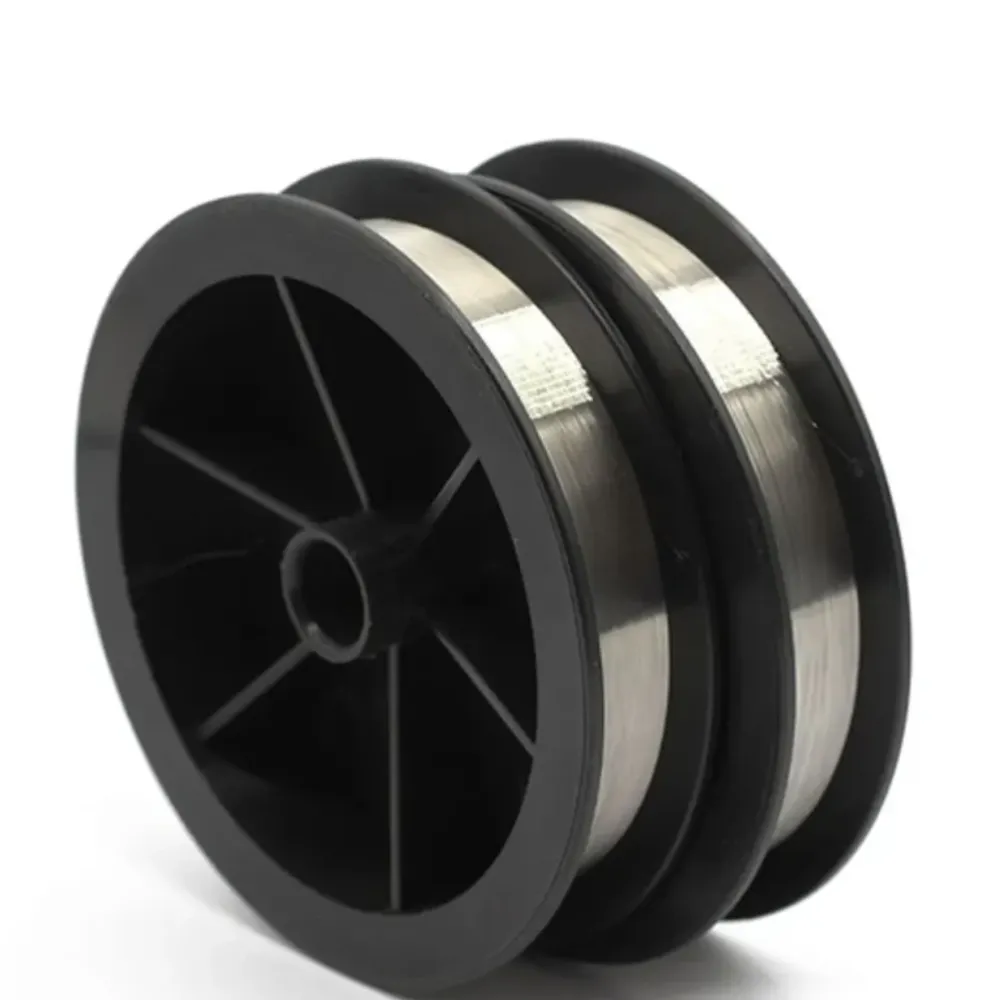
A request for quotation (RFQ) should let suppliers quote for the same wire and checks. Put the titanium wire surface finish requirement beside the grade, size, and supply form. This makes clear when the size must be checked. It places the titanium wire surface finish check at the agreed stage.
ASTM B863-26 covers titanium and titanium alloy wire. Name the standard and edition that apply. Check the full standard against the needs of your order.
Its public scope alone does not set the surface roughness limit you need. A standard number cannot replace details for your job.
Include the acceptance details
Use this list for your drawing or order sheet:
- Material: Grade, required standard, edition, and temper.
- Size: Size, tolerance, roundness if needed, and a check after surface removal.
- Treatment: Pickled wire, polished wire, or another agreed state, with the order of process steps stated.
- Texture: Surface roughness measure, limit, units, method, settings, and sample plan.
- Defects: Allowed marks and clear limits for seams, pits, or scratches.
- Cleanliness: Allowed oils or compounds, soils that must be absent, and the agreed test.
- Delivery: Coil, spool, or straight length; packing, lot labels, and protection from handling.
- Records: Required test results, lot numbers, and who must approve process changes.
Keep the surface roughness limit separate from the approved visual sample. The sample can help settle appearance; it cannot replace tests or material records. For general order steps, use the wire ordering FAQ alongside the drawing and test plan.
Use a sample request without inventing a universal limit
An illustrative request could read: “Please quote Grade 2 wire to the specified drawing and applicable material standard. Confirm the proposed titanium wire surface finish, including final cleaning and any remaining protective oil. Submit final diameter and surface roughness results using the agreed inspection plan before sample approval.”
Then state if the quote concerns pickled wire or polished wire and add the actual limits for your job. Fill in all test fields before you place the order. If the supplier proposes a new process, use the same checks to assess it. Approve any change before it is used.
For repeat orders, keep the approved sample ID and test method. Ask to be told of process changes. A familiar titanium wire surface finish name should not hide a change in the wire you receive.
Frequently asked questions
What are the different finish options for titanium wire?
Titanium wire surface finish descriptions include as-drawn, black, cleaned, pickled, polished, ground, and bright. The terms can overlap, so ask which process made the final surface. Pickled wire and polished wire are useful starting terms, but each still needs clear surface roughness and cleaning checks.
Is pickled wire the same as polished wire?
No. Pickled wire has had a chemical surface treatment, while polished wire has been through a polishing process. Their textures can overlap. Neither name guarantees a given roughness.
Check metal removal, final size, and traces of oil or compounds when you compare quotes.
What Ra value should I specify?
Choose the Ra limit from the part’s needs, trial results, and the rules that apply. There is no single titanium wire surface finish value suitable for every grade, diameter, and use. State the surface roughness method and sample plan with the limit. Both sides can then use the same checks.
Does bright wire arrive free of oils and compounds?
The word “bright” does not guarantee that condition. Ask whether oils, drawing lubricants, or polishing compounds remain and which final cleaning steps the order includes. Check that the wire meets the agreed cleaning needs, even if it looks like the approved sample.
Does polishing qualify titanium wire for medical use?
No. A titanium wire surface finish name cannot prove the wire is fit or approved for medical use. The material standard, device design, process controls, and legal rules need their own review. Do not transfer nickel-titanium finishing data to commercially pure titanium or Grade 5 wire.
Confirm the finish before you approve the order
Treat titanium wire surface finish as a set of checks on the wire in its final supplied state. Start with the next task and choose the grade, size, and temper as separate steps. Then agree what the supplier will remove, measure, clean, and keep covered.
Compare pickled wire and polished wire using the same final-size and test needs. Check surface roughness with a clear method, inspect local flaws, and check dirt and oil apart from looks. Where a trial is needed, keep the sample ID and record the setup used to approve it.
Before placing a repeat order, check that the process and test method still match the approved route. Keep test results tied to the lot. State how changes or failed samples will be handled. This gives the buying, shop, and goods-in teams a shared basis for their checks.
To discuss your titanium wire surface finish requirement with Tianjin Jingzhou Metal, send your wire specifications. Include the drawing, next task, required checks, and amount. The team can then review the proposed supply state for your order.