Choosing 304 vs 316 stainless steel wire starts with the working environment. Both grades suit many industrial forming and fabrication tasks. The main difference is molybdenum: 316 contains this alloying addition, which improves resistance to chloride-related pitting and crevice corrosion. That advantage matters when the exposure calls for it. It does not make 316 the automatic choice for every component.
The next questions concern the wire itself. What diameter or profile does the part need? Will you bend, weave, weld, or coil it? What mechanical condition and surface must arrive at your production line? Grade selection and wire specification belong in the same purchasing decision.
This guide compares 304 vs 316 stainless steel wire for industrial buyers. It separates corrosion selection from strength, magnetic response, and inspection so that a quotation describes the material you need.
Key takeaways
- Consider 304 for general service when the environment does not require additional chloride resistance.
- Consider 316 when chloride exposure makes localized corrosion a greater concern; review the actual conditions.
- Compare strength at the same wire size and delivery condition.
- Confirm grade, dimensions, surface, and acceptance documents before production.
304 vs 316 stainless steel wire: comparison at a glance
Use this 304 vs 316 stainless steel wire comparison to frame questions for a supplier. The table describes selection principles, not guaranteed properties for an individual shipment.
| Selection point | 304 wire | 316 wire | What to confirm |
|---|---|---|---|
| Alloy family | Austenitic chromium-nickel stainless steel | Austenitic chromium-nickel-molybdenum stainless steel | Exact designation and order specification |
| Molybdenum | Not a defining alloy addition | Deliberately alloyed with molybdenum | Chemical limits and material report |
| General service | Often a practical starting point | Useful where its extra corrosion resistance is needed | Actual process and exposure |
| Chloride-related corrosion | More vulnerable than 316 under comparable conditions | Generally better resistance, with limits | Temperature, concentration, crevices, and cleaning |
| Strength and forming | Depend on wire condition and processing | Depend on wire condition and processing | Size, temper, and required properties |
| Purchasing cost | Often lower for comparable requirements | Often higher for comparable requirements | Current quotations on the same basis |
Material data must identify their basis. A nominal composition, a specification limit, and a result measured on a heat are different things. Do not treat an abbreviated description such as 18/8 as a complete purchase specification.
For a shape comparison alongside the grade decision, see our shaped wire profiles guide. Profile geometry answers a different question from alloy chemistry.
Choosing 304 vs 316 stainless steel wire for the environment
The useful 304 vs 316 stainless steel wire question is whether the extra alloying matches a defined exposure. Begin with the medium, operating temperature, exposure duration, and cleaning regime. An industry label such as “water treatment” is too broad to make the decision alone.
When 304 is a practical starting point
304 is widely used for general industrial components, mesh, conveying, and forming applications. Consider it where the service environment and project requirements support its use. Its combination of corrosion resistance and formability makes it a useful candidate, rather than a universal answer.
An indoor installation still needs a process review. Cleaning chemicals, process deposits, or occasional salt contamination may matter more than the location. Ask how the wire will be used and maintained, rather than assuming “indoors” means harmless exposure.
When 316 deserves consideration
Molybdenum improves resistance to localized corrosion associated with chlorides. This makes 316 relevant to some coastal, marine, and process environments. Outokumpu’s corrosion guidance explains why alloy chemistry and exposure conditions both matter.
Selecting 304 vs 316 stainless steel wire for a wet assembly also requires a review of geometry. Retained liquid, deposits, and tight contacts can create conditions unlike an open, clean surface. Continuous seawater immersion deserves a specific materials assessment; the name “marine grade” is not an assurance against corrosion.
Record the exposure before requesting quotes
Use an exposure sheet for 304 vs 316 stainless steel wire inquiries. Record the chemical or process water, known concentration range, normal and cleaning temperatures, wet/dry cycles, and expected maintenance. Identify areas where liquid may collect.
For chemical service, compare the actual medium with appropriate corrosion data. Outokumpu’s corrosion tables state assumptions about material condition and surface. Treat those assumptions as part of the assessment, not as small print to ignore.
Illustrative scenario: A buyer needs wire for an indoor conveyor. The initial request specifies 316 because the finished machine handles food packaging. A review shows that the relevant questions are the cleaning solution, contact conditions, and customer specification. The team requests those details before deciding whether 304 or 316 is appropriate. This hypothetical example illustrates the process; it reports no customer result.
Once the environment is documented, send a grade-selection inquiry with the application and required wire form. Include the open technical questions so the quotation can state its assumptions.
Composition, strength, and forming condition
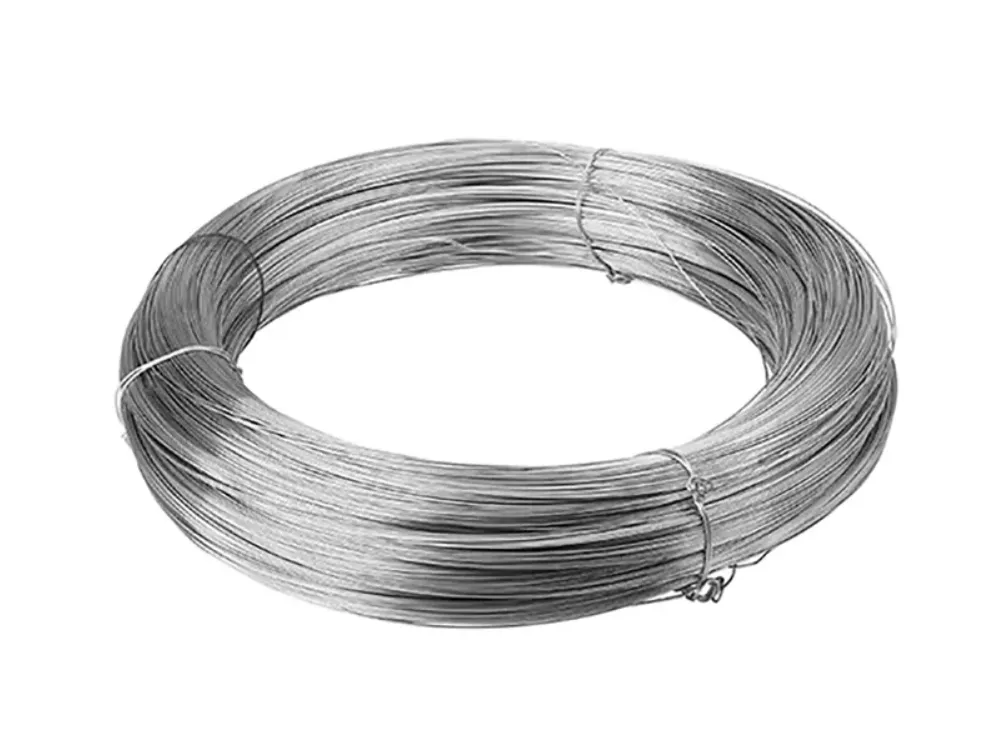
Comparing 304 vs 316 stainless steel wire by grade name alone leaves out how the material was supplied. Chemistry helps explain corrosion behavior. Delivery condition helps explain how the wire behaves during fabrication.
Use traceable chemistry information
For numerical composition, use a named material reference and confirm the purchase specification. Ulbrich’s published alloy reference distinguishes 304 from 316 chemistry, including the molybdenum addition in 316. That reference is background material; it is not a Jingzhou shipment certificate.
In a 304 vs 316 stainless steel wire order, write the exact required grade and governing specification. Ask the supplier to identify any proposed alternative. Confirm changes before accepting them, especially when drawings and purchase orders use different grade designations.
Compare equivalent wire conditions
Cold working changes mechanical properties. Annealed wire and heavily drawn wire of the same grade are not interchangeable simply because their chemistry matches. Ulbrich’s 304 wire datasheet describes cold working and annealing behavior, illustrating why the condition belongs in the specification.
For 304 vs 316 stainless steel wire strength comparisons, request values for the intended wire size and supplied condition. State any required tensile strength, elongation, or other acceptance property together with its test basis. Do not transfer a sheet datasheet value into a drawn-wire order without checking applicability.
“Harder” also needs context. It may describe a supplied temper, but it does not by itself define the elastic stiffness of a finished part. For a spring or formed component, give the supplier the required behavior and involve the component designer in acceptance criteria.
Include downstream processing
Ask how the proposed wire condition relates to bending, weaving, coiling, or welding. A trial sample can help assess the intended production process, provided the sample condition and acceptance checks are recorded. Define what you are testing before approving it.
The aim of a 304 vs 316 stainless steel wire trial is a controlled comparison. Keep the drawing revision, tooling setup, and test criteria consistent. Otherwise, a change in process may be mistaken for a difference between grades.
Magnetic response and grade verification
A magnet does not settle a 304 vs 316 stainless steel wire identification question. Austenitic stainless steels may develop a magnetic response after cold work. The amount depends on composition and processing, so a simple attracted/not-attracted check is inadequate.
ASSDA’s magnetic effects guidance explains the influence of cold reduction on austenitic grades. If low magnetic permeability is a functional requirement, specify an acceptance limit and test method. Do not substitute a general “nonmagnetic” description for a measurable requirement.
For receiving inspection of 304 vs 316 stainless steel wire, start with the material identification and traceability records. Match the coil or bundle label to the order, grade, heat or lot reference, and supplied mill test report (MTR). Agree which records must accompany delivery.
Positive material identification (PMI) can support chemistry verification when a suitable method and procedure are used. However, Evident’s XRF guidance notes that handheld X-ray fluorescence cannot measure carbon. A grade match based on other elements therefore does not, by itself, establish a low-carbon L designation.
Specify what needs verification, rather than requesting “PMI” without a purpose. Confirm the method’s suitability for the wire size and required elements with the testing provider. Keep chemistry checks distinct from dimensional and mechanical acceptance.
Illustrative scenario: A receiving inspector notices that a drawn-wire sample responds to a magnet. The inspector holds the material for document review instead of declaring it the wrong grade. The next step is to compare the order, labels, and material report, then arrange suitable testing if needed. No test result or supplier performance is implied by this hypothetical example.
When 304L or 316L matters
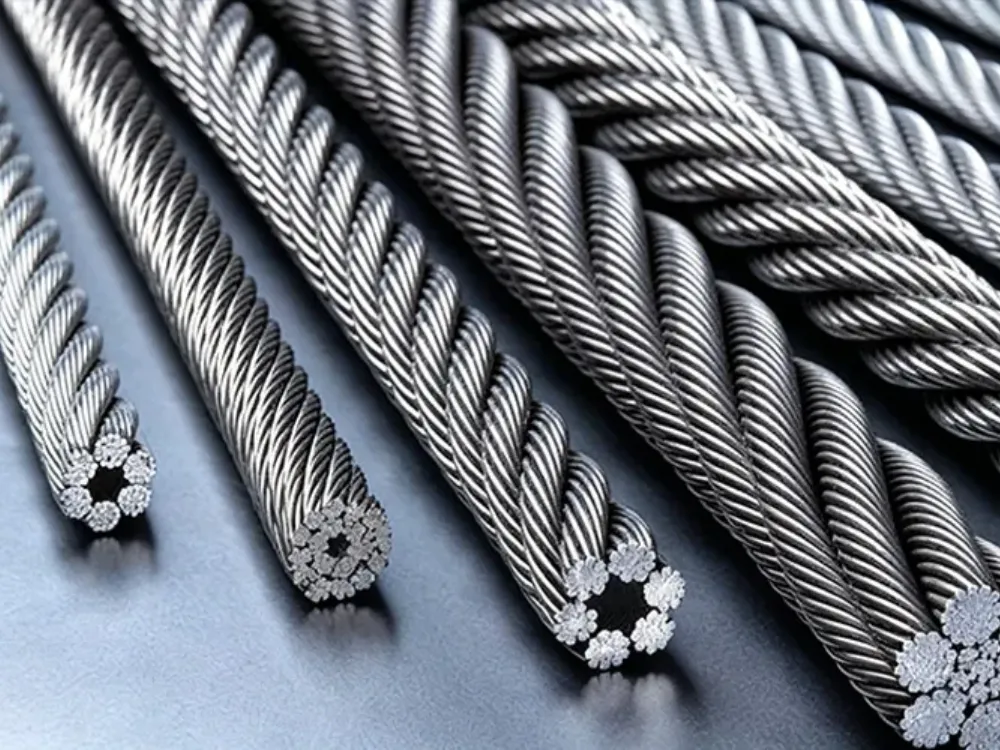
A 304 vs 316 stainless steel wire comparison may lead to a more specific discussion about 304L or 316L. The L designation refers to a lower-carbon variant. It should appear explicitly in the order when required.
Lower carbon is relevant to resistance against sensitization associated with welding. Outokumpu’s Supra range identifies the low-carbon 316L grade’s improved resistance to intergranular corrosion after welding. This does not remove the need to review the welding procedure, surface treatment, or service environment.
Do not use an L designation as shorthand for automatic food-contact, pharmaceutical, or implant suitability. A regulated application may impose additional material, processing, cleanliness, testing, and documentation requirements. Specify those requirements separately.
Keep 304 vs 316 stainless steel wire comparisons separate from specialized alloy variants as well. Ordinary 316, low-carbon 316L, and a specially processed medical material should not be presented as equivalent products. Ask for the precise designation and supporting documents.
Turn the grade decision into a wire specification
After reviewing 304 vs 316 stainless steel wire for the application, complete the dimensional and delivery requirements. A grade decision alone does not tell a manufacturer what to make.
Define dimensions and tolerances
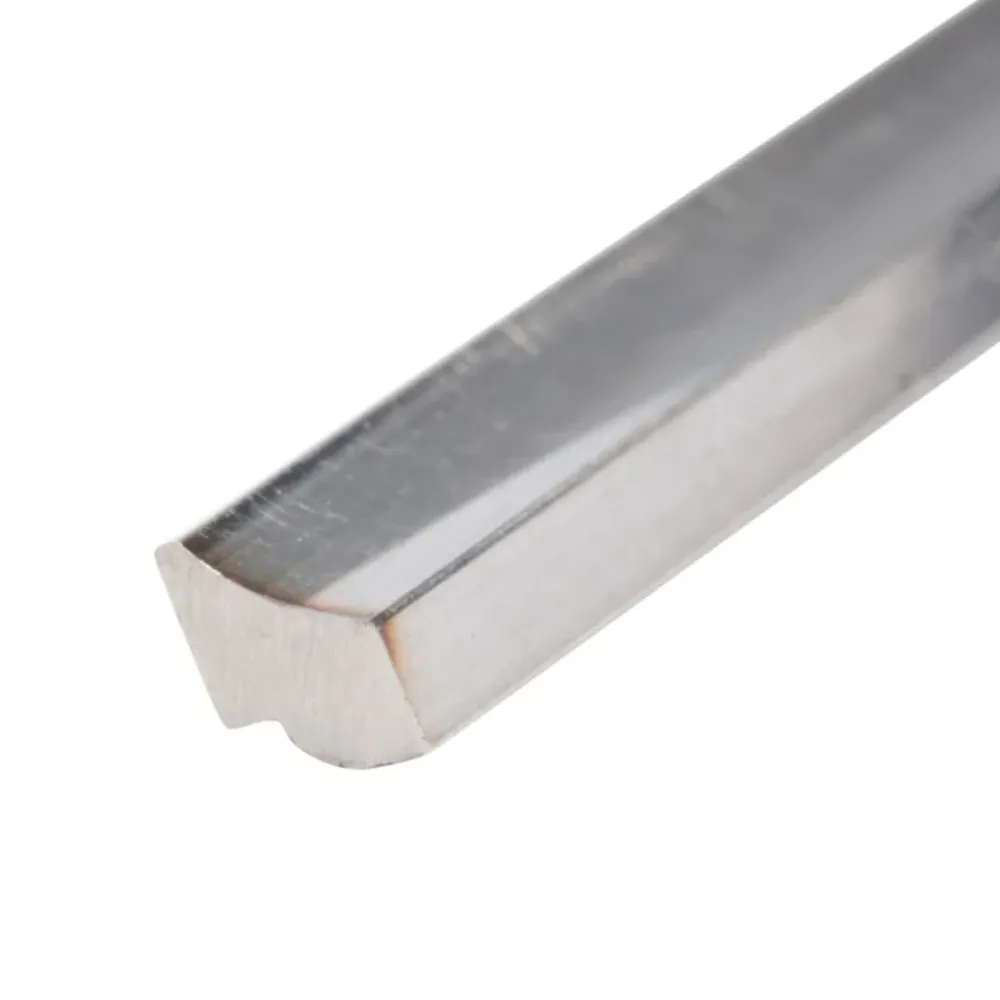
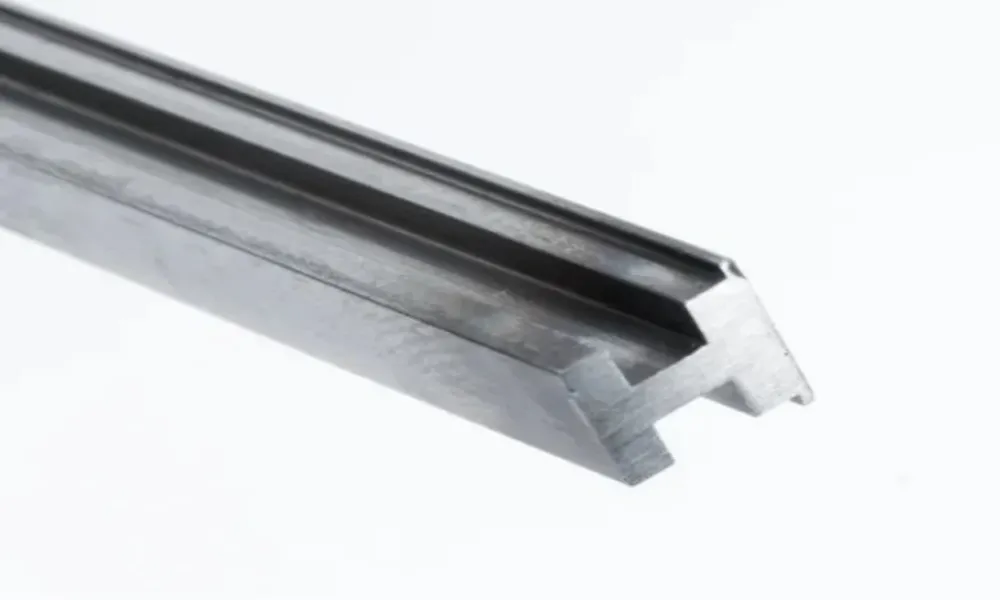
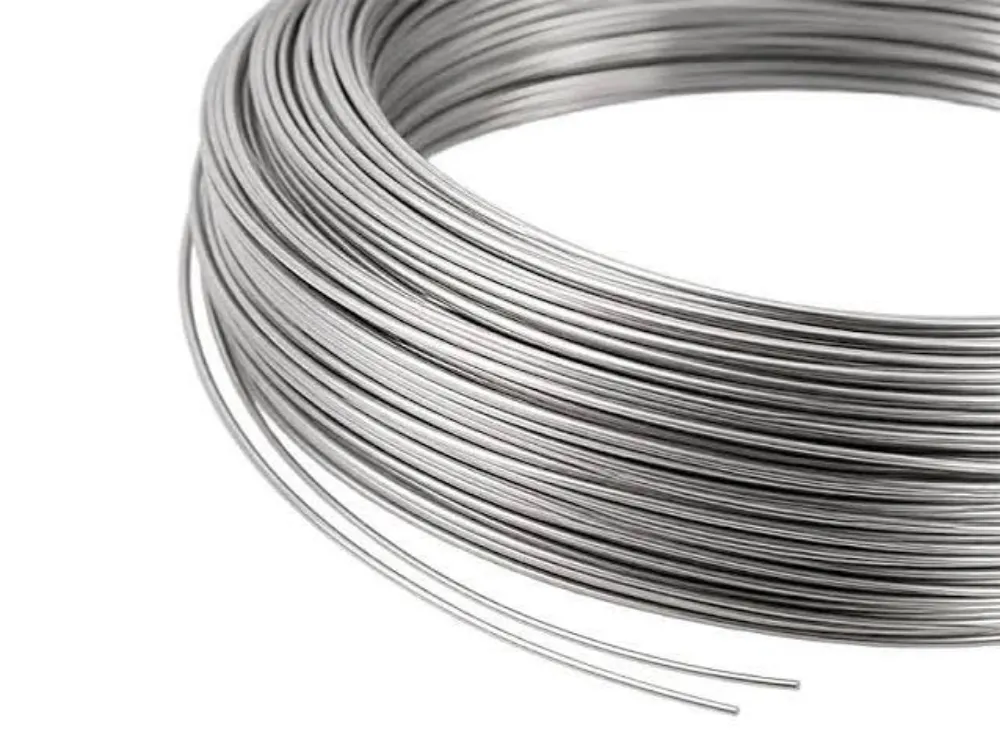
For stainless steel round wire, state the diameter, units, permitted variation, and relevant acceptance method. For custom profile wire, provide a controlled drawing identifying the critical features.
A shaped profile may need width, thickness, radii, angles, and reference surfaces. Avoid applying a round-wire diameter tolerance to every feature. The achievable requirement needs confirmation for the specific material, size, condition, and manufacturing route.
Keep the 304 vs 316 stainless steel wire inquiry tied to one drawing revision. Use our custom profile specification checklist for the detailed drawing and RFQ workflow. This article addresses material selection; the checklist handles the broader profile definition.
Agree sample and delivery acceptance
Before placing a repeat order, record what an approved sample represents. Identify its grade, drawing revision, supplied condition, and the checks performed. Keep a sample approval separate from permission to change a material or process requirement.
For delivery, agree which dimensions and properties need inspection, how results will be recorded, and how coils or bundles will remain identifiable. State who reviews any deviation before the material enters production. A visual check can support surface inspection, but it does not replace the agreed chemistry or mechanical evidence.
If a supplier proposes a different grade or condition, ask for a written comparison against the original requirements. Review its effect on service exposure and downstream processing before approval. Record the decision on the order so that purchasing, inspection, and production work from the same instructions.
Complete the request for quotation
Include these inputs when preparing a 304 vs 316 stainless steel wire request for quotation:
- Application and documented exposure conditions.
- Exact grade and applicable material specification.
- Diameter or controlled profile drawing, with units and revision.
- Critical dimensions, tolerances, and acceptance methods.
- Required mechanical condition and downstream processing.
- Surface condition, cleanliness, and any specified treatment.
- Coil, spool, or straight-length requirements and identification.
- Quantity, packaging needs, and required inspection documents.
If a field is unknown, identify it as an open point. Request confirmation before treating a proposed value as an approved requirement. This makes competing quotations easier to compare and helps prevent silent substitutions.
Compare the total purchasing basis
For 304 vs 316 stainless steel wire cost comparisons, request quotations against the same drawing, quantity, condition, finish, packaging, and documentation. A lower quoted price may reflect a different scope. Avoid using a fixed percentage premium as a rule for future orders.
Tianjin Jingzhou Metal’s product range includes round and shaped wire. Share your drawing and exposure requirements to request a quotation with the relevant grade and specification points identified. Confirm capability and acceptance terms for the actual order.
FAQ
What is the main difference between the two grades?
For 304 vs 316 stainless steel wire, the defining practical distinction is the molybdenum addition in 316 and its benefit for resistance to chloride-related localized corrosion. Grade selection still depends on the actual service conditions.
Is 316 always better than 304?
No. In a 304 vs 316 stainless steel wire decision, additional corrosion resistance is useful only where the application needs it. Confirm the environment, project specification, and mechanical condition rather than choosing by grade reputation alone.
Can I identify the grade by appearance or a magnet?
Neither is a reliable acceptance method for distinguishing these grades. Use traceable material records and an appropriate verification procedure. Cold work can affect magnetic response, and chemistry checks have method-specific limits.
Can both grades be ordered in custom dimensions?
Custom dimensions can be discussed with the manufacturer. Availability and tolerances require confirmation against the size, profile, condition, and order requirements. A general customization statement is not a guarantee for every drawing.
What should I do next?
Bring the exposure review and wire requirements together. A useful 304 vs 316 stainless steel wire decision ends with an exact grade, controlled dimensions, a defined delivery condition, and agreed acceptance evidence. That gives purchasing and production the same specification to work from.