Introduction
Stainless steel wire is widely used in a variety of industrial applications, including automotive manufacturing, medical devices, industrial filtration, and food processing. It is the preferred material for a wide variety of engineering and manufacturing projects due to its precision dimensional control, reliable processing performance, excellent corrosion resistance, and high strength.
Premature wear, diminished product performance, increased manufacturing costs, or unanticipated equipment issues may result from selecting an inappropriate wire grade, diameter, or surface finish. For purchasing personnel, engineers, and manufacturers, choosing the right stainless steel wire is not just about buying metal products, but also about ensuring production efficiency and equipment lifespan.
The subsequent portions investigate the primary factors that contribute to the selection of stainless steel round wire, such as material grades, mechanical properties, dimensional accuracy, and supplier capabilities. This guide is designed to offer practical information to assist in the process of making a well-informed purchasing decision, regardless of whether you require standard specifications or customized products from an experienced stainless steel round wire supplier.
What Is Stainless Steel Round Wire?
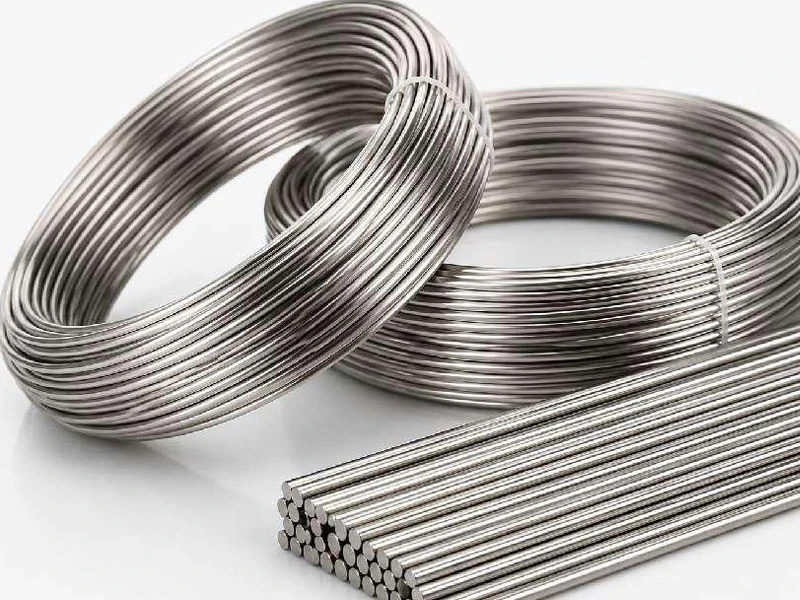
Stainless steel round wire is produced by drawing stainless steel rods or coils through a series of dies to achieve the required diameter and mechanical properties. It has various specifications and models. The product has the features of acid and alkali resistance, high tensile strength, resistance to intergranular corrosion, uniform wire diameter, smooth surface, bright white color, and good ellipticity.
Due to these properties, stainless steel round wire is widely used in industrial fields and has become the material of choice for precision manufacturing and industrial components that require long-term reliability.
Common Grades of Stainless Steel Wire
Choosing the right stainless steel grade depends on where and how the wire will be used.
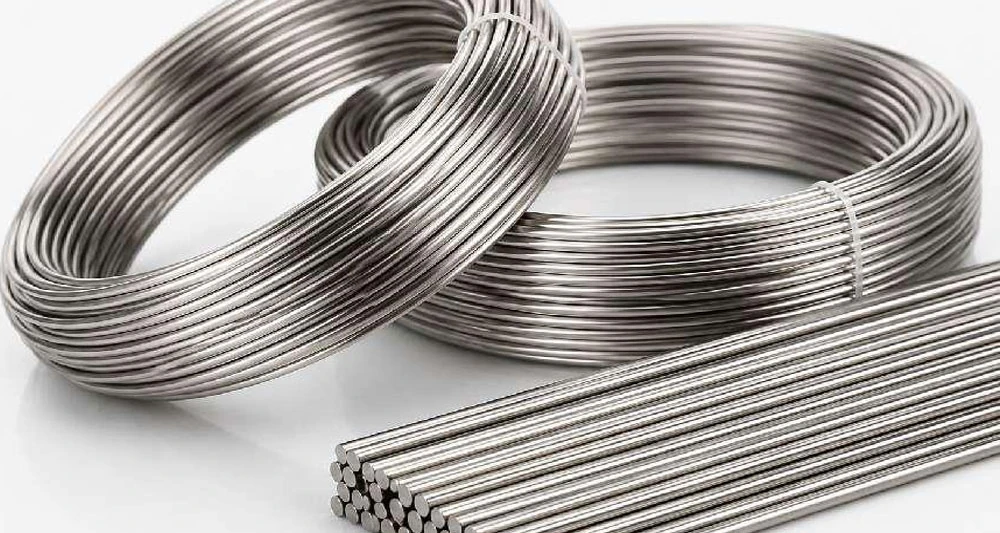
- 304 stainless steel wire is a widely used austenitic stainless steel in general industrial applications. 304 stainless steel wire provides excellent corrosion resistance, good formability, and reliable performance for general industrial applications, making it suitable for precision manufacturing, chemical equipment, and medical devices.
- 316 stainless steel wire has a wide range of applications, including construction, decoration, automotive, aerospace, and petrochemical industries. Due to its excellent corrosion resistance, it can maintain its attractive appearance for a long time and withstand the demands of various harsh environments.
- 316L stainless steel wire has a lower carbon content than 316, which improves weldability and helps reduce the risk of corrosion after welding. It is often used in medical devices and pharmaceutical equipment.
For most industrial projects, 304 stainless steel wire is sufficient. However, if the application involves saltwater, chemicals, or other corrosive environments, upgrading to 316 or 316L is usually a worthwhile investment.
Key Factors to Consider Before Buying Stainless Steel Wire
Choosing the appropriate Stainless Steel Wire involves more than simply selecting a diameter. Buyers should evaluate several technical factors to ensure the wire meets both production and performance requirements.
Material Grade
Material selection directly affects corrosion resistance, mechanical strength, service life, and manufacturing cost.
Choosing Between 304 and 316 Stainless Steel
| Property | 304 | 316 |
| Corrosion Resistance | Excellent | Superior |
| Chloride Resistance | Moderate | Excellent |
| Cost | Lower | Higher |
| Food Industry | ✓ | ✓ |
| Marine Environment | Limited | Recommended |
| Chemical Processing | Good | Excellent |
For use in humid indoor environments or food processing equipment, 304 stainless steel wire is typically the most economical choice.
In highly corrosive environments—such as marine, pharmaceutical, or chemical applications—316 stainless steel offers superior long-term performance, despite its higher cost.
Wire Diameter
Wire diameter influences strength, flexibility, weight, and forming capability.
Stainless steel round wire is available in a wide range of diameters, from ultra-fine precision wire to heavy industrial wire.
Common applications include:
| Diameter Range | Typical Applications |
| 0.018–0.10 mm | Precision electronics |
| 0.10–0.50 mm | Medical devices |
| 0.50–2.00 mm | Springs and wire mesh |
| 2.00–10.00 mm | Fasteners, structural components, industrial equipment |
Mechanical Properties
Mechanical performance determines how the wire behaves during manufacturing and its durability.
Industrial applications often require high tensile strength and load-bearing capacity. High-strength stainless steel wire can be used to make springs, wire ropes, automotive fasteners, precision instrument components, etc.
Matching mechanical properties to the intended application improves product reliability and extends service life.
Surface Finish
Surface quality affects corrosion resistance, appearance, cleanliness, and downstream processing.
Bright or Matte Finish?
Manufacturers typically offer several surface finishes depending on customer requirements.
| Surface Finish | Characteristics | Typical Applications |
| Bright | Smooth, shiny, excellent appearance | Medical devices, decorative components |
| Matte | Reduced reflectivity | Industrial manufacturing |
| Plain | Standard industrial finish | General engineering |
| Black | Oxide-coated surface | Specialized industrial applications |
Bright-finished wire is often preferred where aesthetics and cleanliness are critical, while matte finishes are commonly selected for industrial production where appearance is less important.
Choosing the correct surface finish also improves coating adhesion, welding performance, and subsequent fabrication processes.
The Importance of Stainless Steel Wire Tolerances
Dimensional accuracy is one of the most overlooked—but most important—factors when selecting precision wire.
Why Stainless Steel Wire Tolerance Matters
The term stainless steel wire tolerance refers to the allowable variation between the specified diameter and the actual manufactured diameter. For high-precision industrial applications, even microscopic dimensional variations can significantly affect product quality.
High-quality manufacturers are capable of controlling diameter tolerance to approximately ±0.01 mm. Precise tolerances are especially important for precision instruments such as medical devices and electronic components. The smaller the tolerance, the higher the assembly precision and the lower the risk of equipment failure.
For manufacturers operating automated production equipment, choosing a precision wire supplier with stable dimensional control can significantly reduce downtime and improve overall manufacturing performance.
How to Evaluate a Stainless Steel Round Wire Supplier
Selecting the right stainless steel round wire supplier is just as important as choosing the right product.
A reliable supplier provides not only quality materials but also stable production, technical support, and dependable delivery.
Manufacturing Capability
Before making a purchasing decision, buyers should evaluate whether the supplier possesses advanced manufacturing capabilities.
Key indicators include:
- Precision cold drawing equipment
- Strict quality inspection procedures
- Stable production capacity
- Advanced testing instruments
- Experienced engineering team
Manufacturers with complete production processes can better control wire diameter, surface quality, and mechanical properties.
Quality Certifications
Quality management systems demonstrate a manufacturer’s commitment to consistent production standards.
When evaluating suppliers, buyers should check:
- ISO 9001 quality management certification
- Material inspection reports
- Mechanical property test reports
- Dimensional inspection records
These certifications help ensure consistent product quality and traceability throughout the manufacturing process.
Delivery & Technical Support
Beyond product quality, comprehensive customer support is essential for long-term cooperation.
A professional stainless steel round wire Supplier should provide:
- OEM services
- Customized specifications
- Technical consultation
- Material selection guidance
- Export experience
- Flexible packaging
- Responsive after-sales service
Reliable communication and technical support can significantly shorten purchasing cycles and reduce project risks.
Why Choose JINGZHOU’s High-Precision Stainless Steel Round Wire?
Choosing the right supplier is just as important as choosing the right material. At JINGZHOU, we combine precision manufacturing, strict quality control, and flexible customization to deliver stainless steel round wire that is designed for precision manufacturing and industrial applications where dimensional accuracy and consistency are required.
Precision Manufacturing for Consistent Quality
Our stainless steel round wire is manufactured with tight dimensional control, achieving tolerances of up to ±0.01 mm. Combined with advanced cold drawing processes and rigorous inspections, this helps ensure consistent wire diameter and reliable performance for precision applications.
Multiple Grades and Surface Finish Options
We offer a range of stainless steel grades, including 304、304L、316、316L、321、430, in diameters from 0.1-10mm. Customers can also choose from Bright, Matte, Plain, or Black surface finishes.
Custom Solutions for Your Application
Every project has different requirements. That’s why JINGZHOU provides customized solutions, including wire diameter, mechanical properties, surface finish, packaging, and coil specifications, helping manufacturers optimize both production efficiency and product performance.
Strict Quality Control
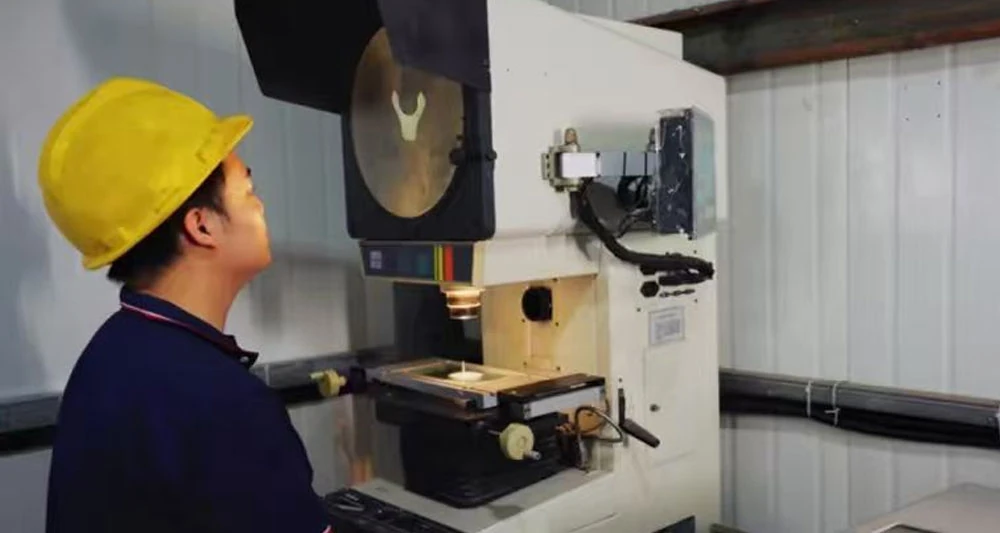
Quality is built into every stage of production. From raw material selection to tensile testing and dimensional inspection, each batch is carefully checked before shipment. The company operates under an ISO 9001 quality management system and uses advanced inspection equipment to help ensure consistent product quality.
Reliable Production Capacity and Global Service
JINGZHOU operates three major production bases with a monthly output of 1,200 tons, possessing ample capacity to meet the demands of both standard and large-volume orders. Additionally, the company provides OEM services, technical consulting, and export support to global clients.
Frequently Asked Questions
Q1: What is the difference between 304 stainless steel wire and 316 stainless steel wire?
304 stainless steel wire is suitable for most general industrial applications because it offers excellent corrosion resistance and cost efficiency. 316 stainless steel contains molybdenum, providing superior resistance to chloride corrosion and making it better suited for marine and chemical environments.
Q2: What stainless steel wire tolerance should precision applications require?
Precision applications such as CNC machining, medical devices, and precision woven mesh typically require tight dimensional control. A tolerance of approximately ±0.01 mm helps ensure consistent product quality and reliable assembly performance.
Q3: Can Custom Stainless Steel Wire be manufactured?
Yes. Many professional manufacturers offer customized solutions, including wire diameter, tensile strength, surface finish, packaging, and coil weight to meet specific project requirements.
Q4: How do I choose the right stainless steel grade for my application?
Choose the right stainless steel round wire based on your application requirements, including wire diameter, tensile strength, surface finish, tolerance, and processing needs. A suitable wire specification can help improve product performance and manufacturing efficiency.
Conclusion
When selecting stainless steel wire, the above factors need to be considered. The appropriate material depends on the application environment, required corrosion resistance, and strength requirements.
For many industrial applications, 304 stainless steel wire remains the preferred choice due to its combination of corrosion resistance, durability, and lower price. If equipment is exposed to chemicals, salt water, or other corrosive environments, 316 and 316L stainless steel can be considered.
If standard specifications cannot fully meet your production needs, custom stainless steel wire can be considered.
Equally important is choosing a reliable stainless steel round wire supplier. Manufacturers with mature production capabilities, stable quality control, and rapid response technical support can help reduce procurement risks and ensure the smooth progress of your projects. Selecting the right product specifications and working with a dependable supplier can help reduce risks and create long-term value for your business.