Introduction
Material selection for Inconel nickel alloy profile wire and stainless steel shaped wire depends on three operating variables: service temperature, corrosion medium, and mechanical loading. Stainless steel grades such as 304 and 316L perform reliably below approximately 600°C in moderate corrosion environments. Inconel shaped wire becomes the appropriate choice when conditions exceed those limits, but the specific Inconel grade matters as much as the material family. A 625 profile wire and a 718 profile wire serve different purposes, and neither automatically outperforms a correctly specified stainless steel grade in every application. This guide compares the two material families at the grade level, identifies when each is the right choice, and explains how Jingzhou Metal supports both through custom profile wire, Inconel nickel alloy wedge wire, and Inconel wedge wire screen production.
Understanding the Two Material Families
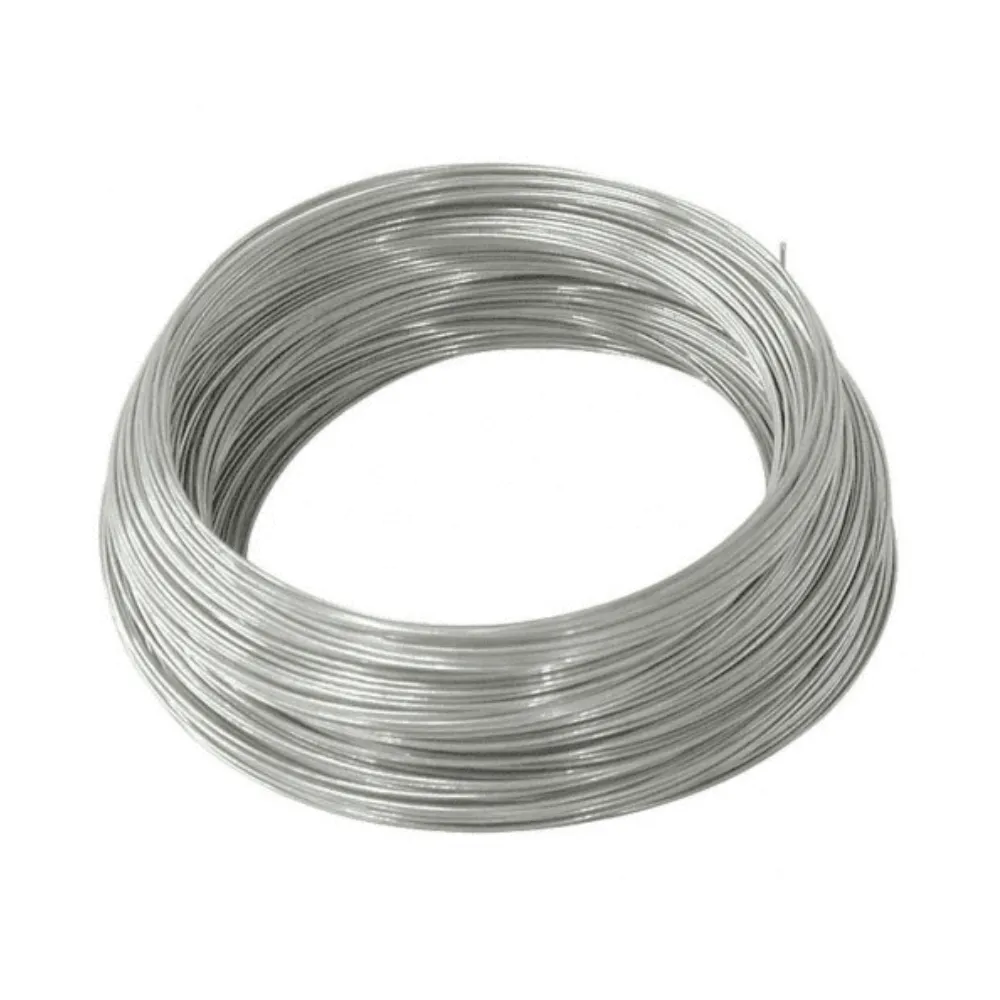
Inconel nickel alloy profile wire is drawn or rolled from nickel-chromium-based superalloys. The high nickel content, typically 58% or higher in grades such as 625, provides inherent resistance to chloride stress corrosion cracking and retains mechanical strength at temperatures where iron-based alloys soften. Chromium additions form protective oxide layers, while molybdenum and niobium contribute pitting resistance and, in precipitation-hardenable grades such as 718, enable age hardening.
Stainless steel shaped wire uses iron-based alloys with a minimum of 10.5% chromium. Grades 304, 316L, 321, 2205, and 2507 cover the majority of industrial profile wire applications. Stainless steel offers well-established formability, broad availability, and predictable behaviour in moderate service conditions.
Material Performance Comparison
The comparison below focuses on the practical limits that determine material selection. Values represent typical grade-level behaviour rather than universal constants, and specific product forms may vary.
| Property | Stainless Steel | Inconel 625 | Inconel 718 |
| Maximum service temperature | ~600°C | 980°C | ~650–700°C |
| Tensile strength | 1200-1400 MPa | 952-1517 MPa (annealed) | 1310-1517 MPa |
| Yield Strength (MPa) | 300 | 424-1057 | 1034-1240 |
| Density (g/cm3) | 7.9 | 8.44 | 8.19-8.22 |
Inconel 625 and 718 do not compete directly. Grade 625 is solid-solution strengthened, cannot be age-hardened, and delivers its advantage in corrosion resistance and high-temperature oxidation resistance. Grade 718 is precipitation hardened and delivers its advantage in strength and fatigue resistance at temperatures up to approximately 650°C. A specification that calls for “Inconel” without naming the grade provides insufficient information for either material selection or procurement.
Application Selection by Temperature, Medium, and Loading
When Stainless Steel Profile Wire Remains the Correct Choice
Stainless steel suits applications where temperatures stay below 600°C and the process medium presents moderate corrosion exposure. Typical uses include general liquid filtration, food and beverage processing, pharmaceutical equipment, and water treatment. Grade 316L handles dilute acids and moderate chloride levels, while 304 covers neutral pH and freshwater service. Duplex grades 2205 and 2507 extend stainless steel into higher-chloride environments where standard austenitic grades would suffer pitting.
Stainless steel also offers practical advantages in formability and weldability. Profile geometries that require tight dimensional control across long production runs remain more economical in stainless steel, and the material supply chain is broader.
When Inconel Profile Wire Becomes Necessary
Above 600°C with oxidation exposure. Inconel 601 forms a dense aluminium oxide layer that resists spalling during thermal cycling, with continuous service capability up to approximately 1200°C in air. Inconel 625 serves to 980°C with useful strength retention at 800°C. Inconel 600 is commonly used for carburising furnace fixtures and radiant tubes because nickel resists carbon absorption under conditions that embrittle steel.
Chloride-rich or reducing acid media. Inconel 625 delivers a PREN of 48 or higher, compared with approximately 26 for 316L, and resists both oxidising and reducing acids including sulfuric, phosphoric, and hydrochloric acid environments. Inconel 690 goes further in nuclear steam generator service, where its higher chromium content reduces stress corrosion cracking susceptibility in high-temperature water compared with 600.
High-stress cyclic loading within 650°C. Inconel 718 achieves tensile strength above 1240 MPa in the aged condition with fatigue resistance suitable for spring wire and structural fasteners in aerospace and gas turbine applications. Inconel X-750 offers complementary stress relaxation resistance for spring elements that must hold load over time.
A caution on grade selection. Inconel 600 performs well in carburising atmospheres and chloride SCC resistance, but its relatively low chromium content limits its oxidation resistance in some high-temperature environments compared with 601. Similarly, 718 delivers exceptional strength but should not be specified for sustained service significantly above 650°C, where precipitate coarsening reduces its advantage. The material family label does not remove the need to match the grade to the actual operating conditions.
Custom Profile Wire Capabilities at Jingzhou Metal
Jingzhou Metal manufactures both stainless steel and Inconel profile wire from a single production platform. This dual-material capability matters when a facility requires different materials on different process lines or when a single order covers both high-temperature and moderate-temperature applications.
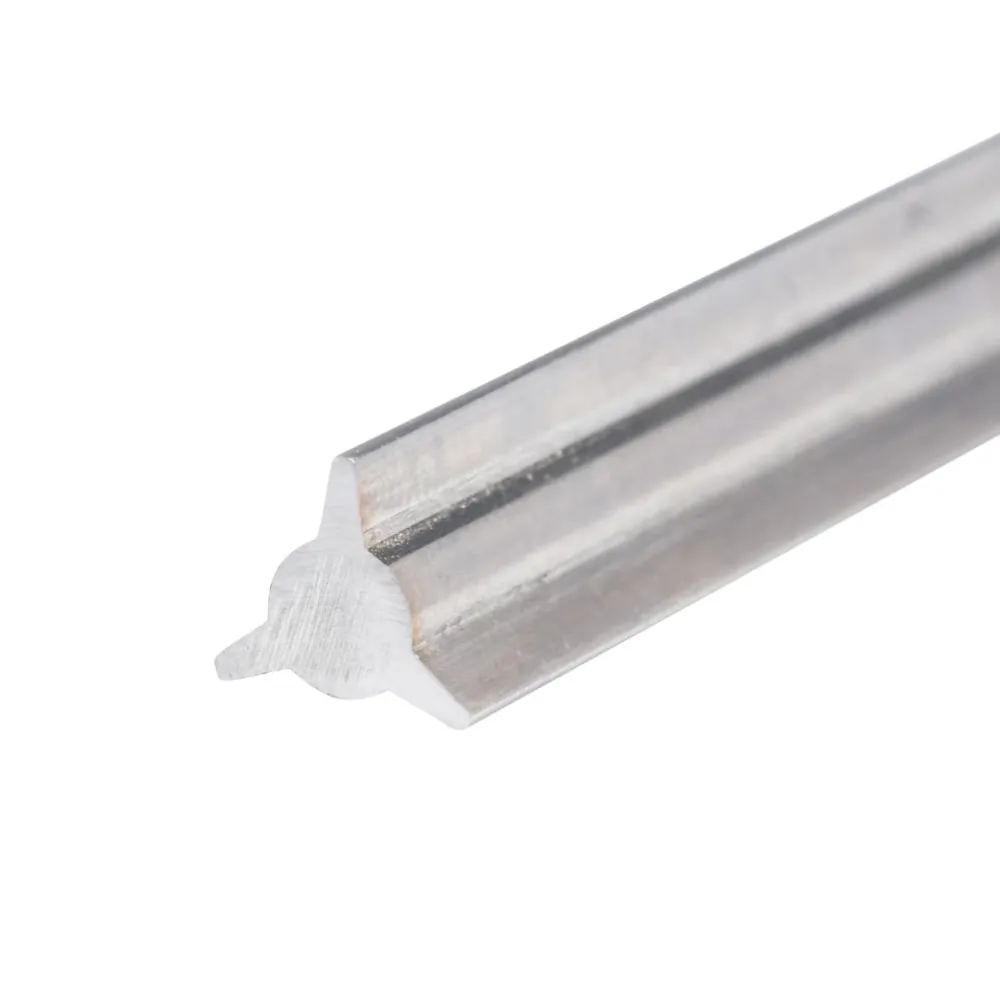
For stainless steel, available grades include 202B, 304, 304L, 316, 316L, 321, 2205, 2507, and 8825. For nickel-based alloys, Jingzhou Metal supplies Inconel 600, 601, 625, and 718. Custom Inconel nickel alloy profile wire and Inconel shaped wire are produced from client drawings, with tooling design completed in three to four days for new profiles.
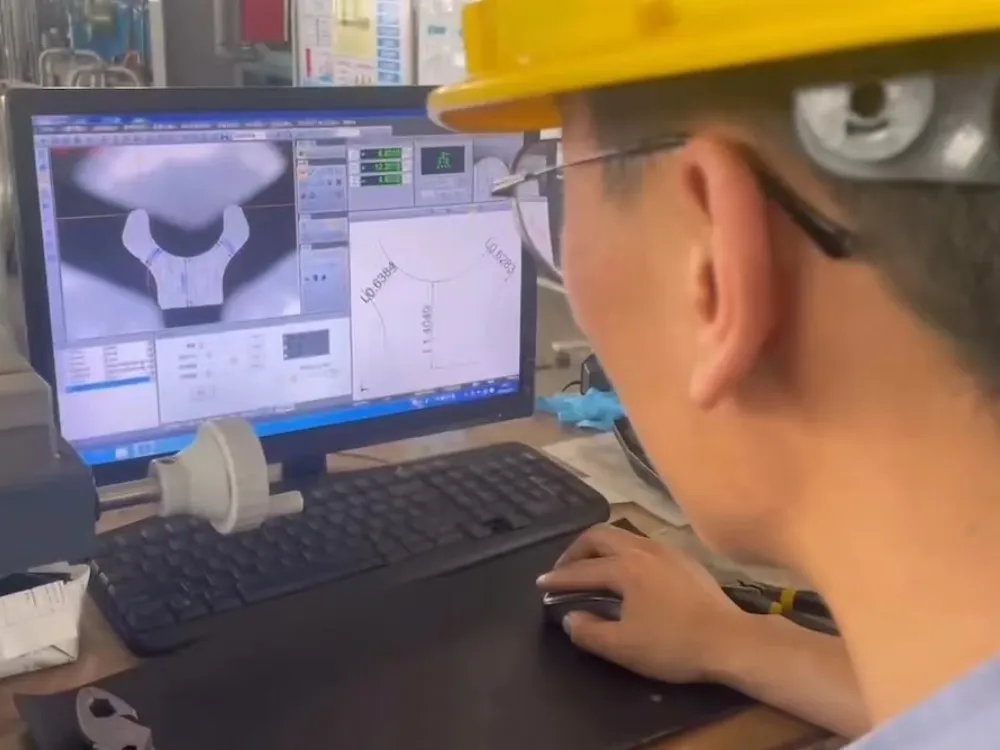
Dimensional tolerances reach ±0.01mm on cross-sectional dimensions, with angular tolerances of ±0.5° for shaped profiles. Inconel nickel alloy wedge wire can be produced with wedge angles from 23° to 70°, straightness controlled to 0.5mm per metre, and surface roughness below Ra 0.8μm. These tolerances carry through to finished Inconel wedge wire screen products, where consistent slot geometry depends on the dimensional stability of the profile wire itself.
A representative case involves a Russian chemical customer that purchased Inconel 600 triangular wire for phosphorus compound separation, meeting ASTM B166 with matching heat treatment, alongside AISI 321 stainless steel wire per ASTM A276 with intergranular corrosion testing to ASTM A262 Practice E. The same purchase order covered both materials, simplifying supplier management and quality documentation.
Beyond Profile Wire: Inconel Wedge Wire Products
In addition to custom profile wire, Jingzhou Metal produces Inconel nickel alloy wedge wire and Inconel wedge wire screen for industrial filtration applications that require elevated temperature or corrosion resistance beyond stainless steel capability. These products serve as an extension of the profile wire platform rather than a separate specialty. Buyers evaluating Inconel profile wire for a filtration component can source the finished wedge wire screen from the same manufacturing process, with consistent material traceability and slot tolerance control. Detailed screen design, slot selection, and filtration performance are covered in the dedicated wedge wire screen product documentation.
FAQ
Q1: Is Inconel always better than 304 or 316 stainless steel?
No. Inconel 625 and 718 outperform stainless steel only in specific conditions: temperatures above 600°C, aggressive chloride or reducing acid media, or high-stress cyclic loading within the grade‘s temperature limit. Below 600°C in moderate corrosion environments, 316L or duplex stainless steel delivers reliable performance at significantly lower cost.
Q2: Which Inconel grade should I specify for high-temperature filtration?
Grade 601 suits oxidation resistance to approximately 1200°C. Grade 625 serves to 980°C with broader corrosion resistance. Grade 600 is preferred for carburising atmospheres. The selection depends on whether oxidation, corrosion, or carburisation dominates the operating environment.
Q3: Can Jingzhou Metal supply both Inconel and stainless steel profile wire in one order?
Yes. Jingzhou Metal manufactures both material families across multiple grades, allowing customers to combine Inconel and stainless steel profile wire in a single purchase order with consistent quality documentation.
Q4: What tolerances does Jingzhou Metal achieve on Inconel shaped wire?
Cross-sectional tolerances reach ±0.01mm, with angular tolerances of ±0.5° on shaped profiles. Wedge wire products achieve straightness of 0.5mm per metre and surface roughness below Ra 0.8μm.
Conclusion
The choice between Inconel nickel alloy profile wire and stainless steel shaped wire is not a question of material superiority but of operating conditions. Stainless steel, particularly 316L and duplex grades, remains the correct and cost-effective choice below 600°C in moderate corrosion service. Inconel becomes necessary when temperature, chloride exposure, reducing acids, or cyclic stress exceed stainless steel’s practical limits, and the specific grade, whether 600, 601, 625, or 718, must match the dominant degradation mechanism.
Jingzhou Metal supplies both material families as custom profile wire, Inconel nickel alloy wedge wire, and Inconel wedge wire screen, giving buyers a single manufacturing partner for applications that span moderate and extreme service conditions. Contact Jingzhou Metal to discuss your material selection or request a technical review of your profile wire specification.