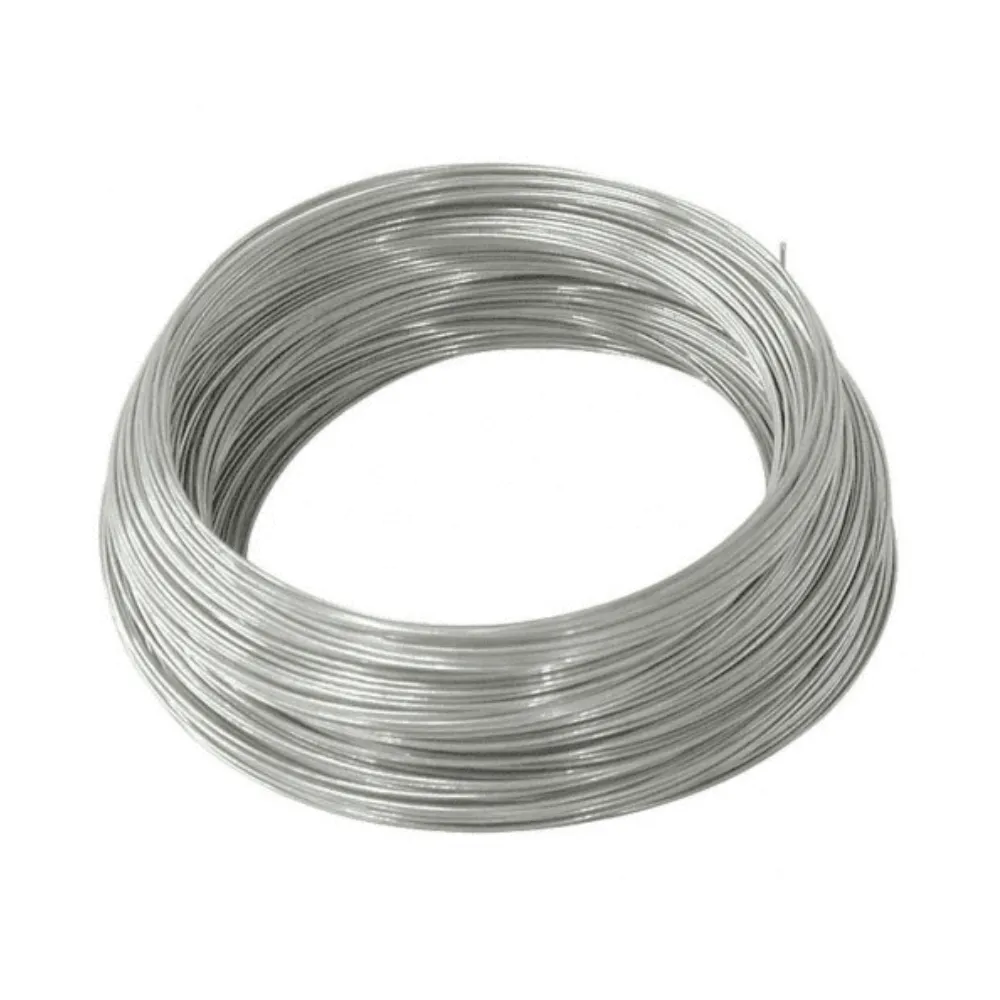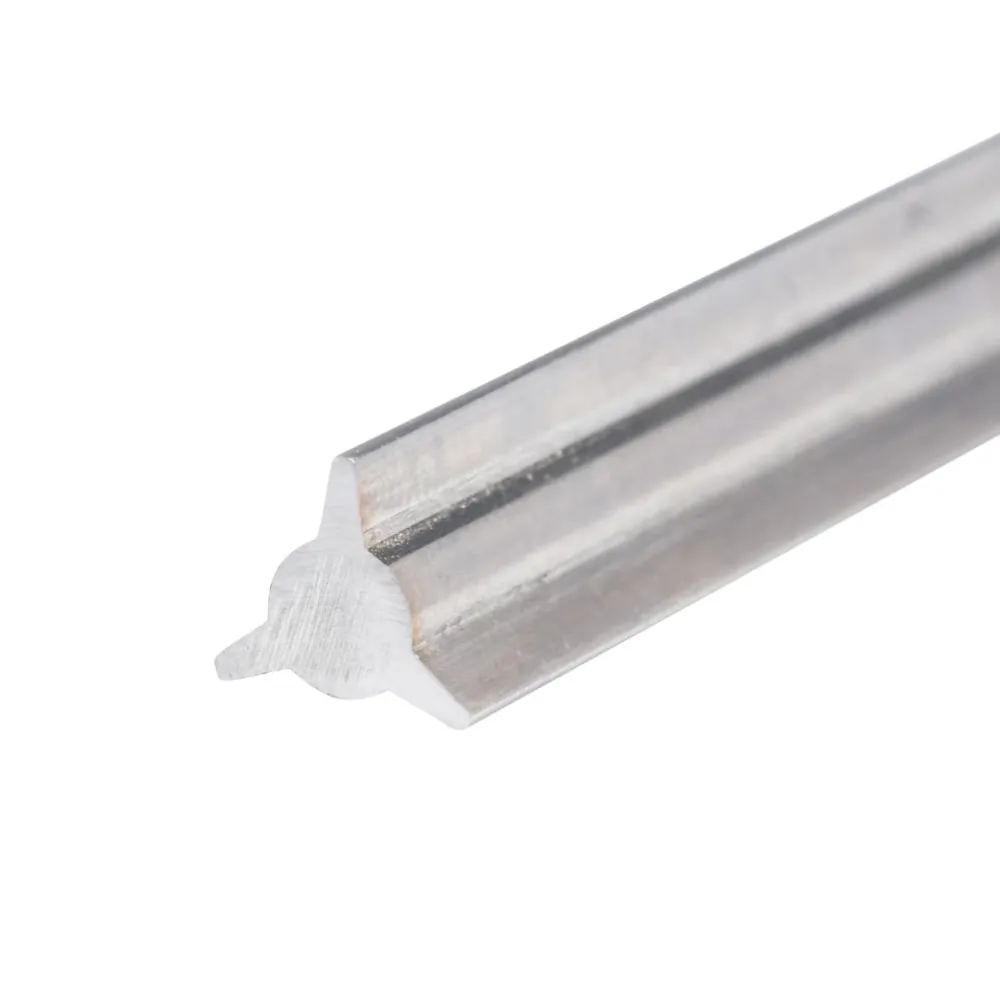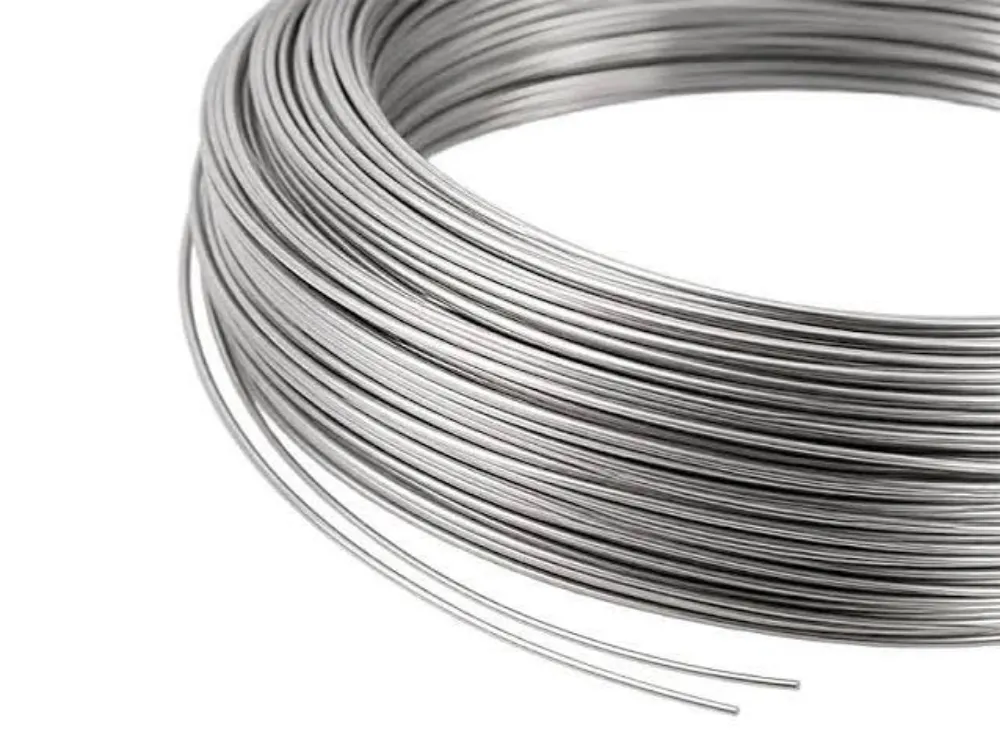
Custom wire tooling includes the dies or roll tools used to make a specified wire profile. A project may need new tools, changes to existing tools, or a series of tools, so agree on the drawing, trial scope, and approval requirements before production.
A tooling charge on a quotation does not tell you everything the project includes. It does not identify which sample has passed inspection, which changes remain open, or what the next order will use. Those points need their own records.
This guide covers tooling for non-round wire cross-sections, rather than wire-bending fixtures, cable crimp tools, or wire EDM equipment. It explains how to prepare a custom wire tooling inquiry and move from a controlled drawing to a clear sample decision.
Key takeaways
- Define the product before asking the supplier to assess tooling.
- Confirm what the tooling charge includes and which questions remain open.
- Connect samples and test results to the approved drawing revision.
- Record approval scope, changes, and repeat-order requirements separately.
1. What custom wire tooling covers
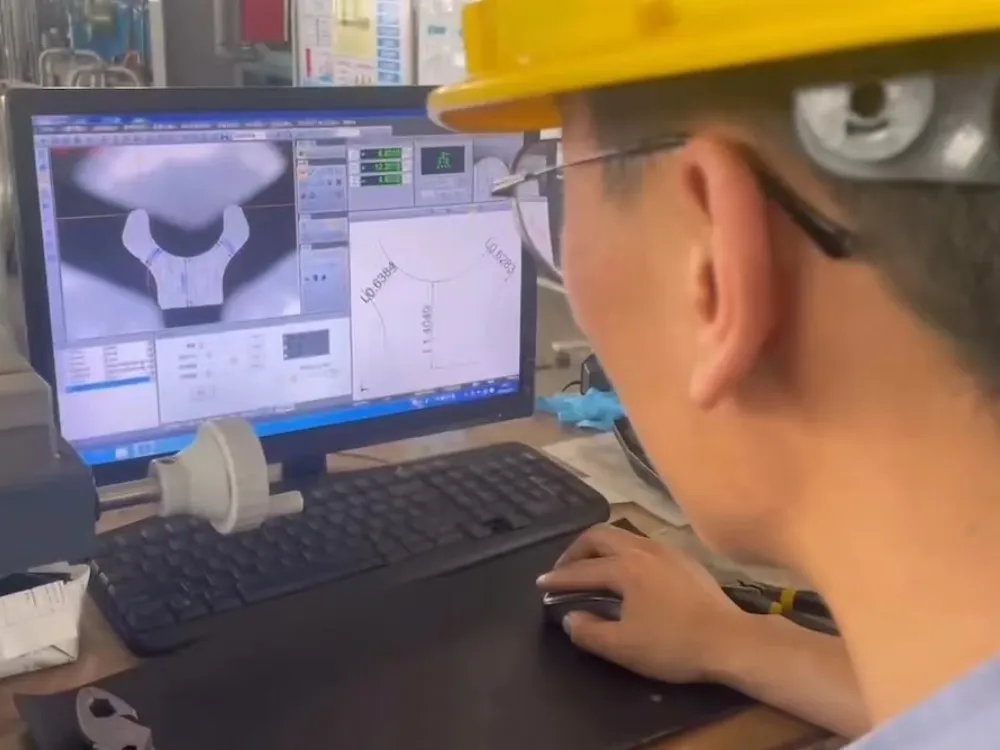
The first custom wire tooling question is what must create the required section. The final profile may involve more than one forming step. Ask the supplier to review the actual drawing rather than assuming that one shape requires one tool.
Profile dies and roll tools
For a drawing example, Fort Wayne Wire Die describes custom shaped dies and engineered die sequences that gradually form the desired profile. This shows why a finished section and its production tooling are different design objects. It doesn’t establish how many tools your project needs.
Roll tools may also be part of a profile-wire route. The supplier should assess which tooling arrangement suits the product and proposed process. For background on cross-section choices, see our shaped wire profiles guide.
Existing, adapted, or new tooling
Ask whether the proposal uses existing tooling, modifies a tool, or needs new tooling. Treat these as questions for review, not promises that any profile can use a standard set. Clarify what happens if the first proposal changes after the trial.
Custom wire tooling should support the order requirements. The buyer defines the functional profile, material, condition, and acceptance needs. The supplier assesses the internal tooling and process needed to meet them.
Illustrative scenario: A buyer sends a photograph of a section and asks for a tooling price. Before confirming a scope, the supplier asks for the mating feature, corner shape, and dimensions. This hypothetical example explains an input review; it reports no actual quotation or customer outcome.
For a drawing-based inquiry, send your profile and sample requirements to Tianjin Jingzhou Metal. Mark the features that matter to the finished component and the points still needing review.
2. Freeze the requirements before tooling review
Give custom wire tooling review a controlled starting point. Use a drawing number, revision, units, and a clear cross-section. Mark open requirements as questions so nobody treats an estimate as an approved limit.
Define the functional features
Identify the faces, corners, radii, and angles that affect fit or operation. Explain which surfaces locate the wire in the next assembly. Overall width and height may not describe every feature that matters.
Our custom wire drawing checklist covers the input fields for an RFQ. Use the shaped wire tolerances guide to distinguish nominal values from allowed limits. Keep those requirements in the product drawing rather than relying on a photograph.
For custom wire tooling, separate product limits from tool specifications. A drawing die has its own geometry and manufacturing requirements. Those values should not be copied into the finished-wire drawing without a valid technical basis.
Esteves Group’s shaped-die technical sheet illustrates this distinction by listing tool-related specifications and material options. It is a supplier document dated 2019, not a current guarantee for a wire order. Its tool dimensions and angles do not define your finished profile’s acceptance limits.
Include material and downstream work
State the alloy, required delivery condition, surface needs, and supplied form. Describe any later bending, coiling, welding, or assembly operation that matters to the component. Ask the supplier to flag any missing information before closing the tooling scope.
A custom wire tooling review should also list any required process steps. If your application requires a particular route or approval, state the requirement and its basis. Otherwise, allow the supplier to explain a suitable proposal rather than prescribing unverified internal tool parameters.
3. Agree the custom wire tooling scope and quotation
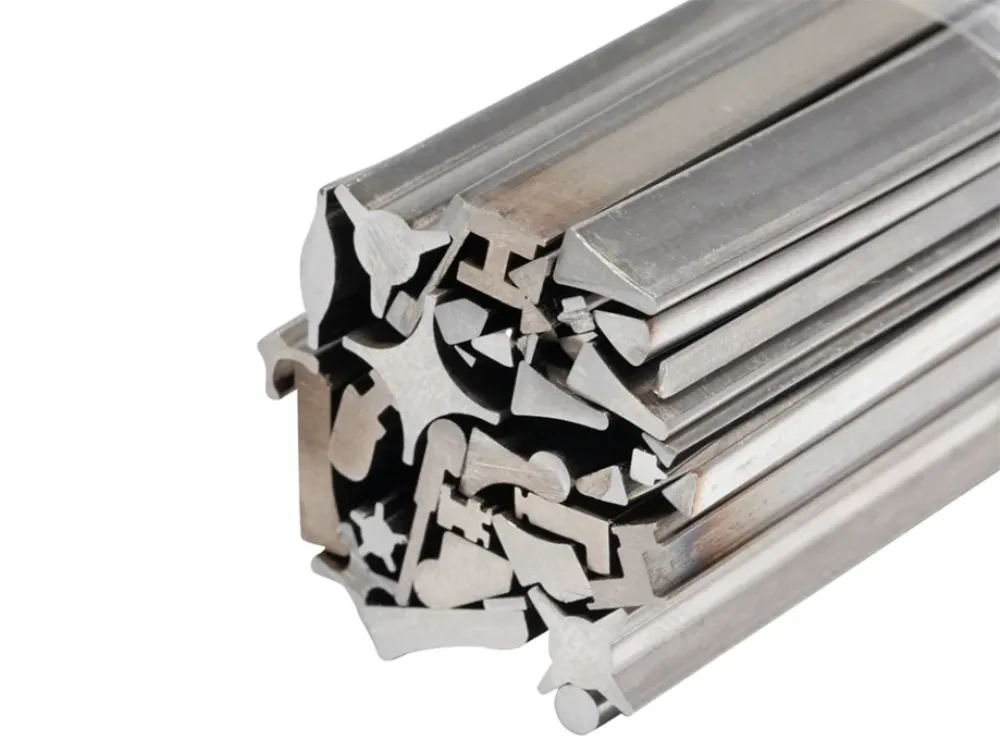
A useful custom wire tooling quotation identifies the work and the conditions attached to it. Separate the tooling discussion from the wire unit price so the project team can see what each item covers. Ask for unclear items to be resolved in writing.
What does the charge include?
Discuss design review, new or modified tools, trial material, sample production, and required measurements. Clarify whether revisions or repeat trials are included. Do not assume that a single charge covers unlimited changes.
| Question | Detail to confirm | Where to record it |
|---|---|---|
| What tooling work is proposed? | Existing, modified, or new tools and the scope of work | Quotation or agreed scope |
| What does the trial cover? | Material, sample form, checks, and open questions | Trial plan |
| Are changes included? | Included revision work and how extra work is reviewed | Quotation or change record |
| What evidence is supplied? | Drawing-related results and any required documents | Sample submission requirements |
| How are repeat orders handled? | Tool reference, review needs, and confirmed supply basis | Order and repeat-order agreement |
| What happens to the tools? | Ownership, storage, maintenance, and transfer questions | Written commercial agreement |
Use this custom wire tooling table as a discussion aid, not a statement of Jingzhou Metal’s standard terms. The actual scope needs confirmation for the profile and order. Leave unknown prices, dates, and quantities open rather than supplying guessed values.
Ownership, custody, and changes
Ask who will own the tool, where it will remain, and what use or transfer conditions are agreed. Also ask which design files or records, if any, are deliverables. Paying a tooling charge should not be used as a substitute for answering these questions in the agreement.
For custom wire tooling, keep product approval separate from commercial approval. A paid invoice records a payment event; it is not the dimensional report or sample decision. The team should know which record closes each open item.
This is a procurement checklist, not a statement of default ownership rights. Confirm the actual terms with the supplier. Avoid treating a practice from another project as an automatic rule for the next one.
4. Plan trials and sample evidence
Before a custom wire tooling trial, define what the sample needs to demonstrate. Identify the drawing revision, material, condition, supplied form, and critical checks. A trial with no stated objective is hard to approve consistently.
Set the trial objective
The objective might be to assess a functional corner, confirm specified dimensions, or evaluate an agreed downstream operation. State what evidence is needed for that objective. Do not turn a successful fit check into an unrecorded approval of every other requirement.
Ulbrich’s tooling-center description connects its own toolmaking and process changes with prototype work. It is a supplier example of iteration, not evidence that Jingzhou has the same facilities or trial schedule. The practical lesson is to record which requirement each change is intended to address.
In a custom wire tooling project, the sample reference should follow the drawing revision used for the trial. If more than one condition or geometry is tried, give each a clear identity. This helps prevent a rejected or superseded piece from becoming the repeat-order reference.
Agree on measurements and functional checks
Decide which features need measured results and which need a separate functional trial. Confirm the method, sample location, and acceptance basis with the supplier. A photograph may aid discussion, but it does not replace required measurements.
Custom wire tooling acceptance should remain tied to the agreed product features. Confirm that the proposed measurement method can assess them. An equipment demonstration does not establish a universal method or a finished-wire tolerance.
Illustrative scenario: A trial sample meets the stated width and thickness limits, but a mating feature remains under review. The buyer records which checks are accepted and which remain open. The sample is not treated as an unrestricted production approval; no real inspection values or customer result are implied.
Keep trial changes visible
If a trial requires a change, record what changed and which requirement it affects. Identify whether a new drawing revision, sample, or test is needed. Retain the earlier reference so the team can distinguish proposals from approved requirements.
Ask how a further custom wire tooling trial will be scoped and quoted if it falls outside the original agreement. Resolve that before treating a new proposal as authorized work. Avoid assuming that each iteration is either automatically free or always chargeable.
5. Approve the sample and define production handoff
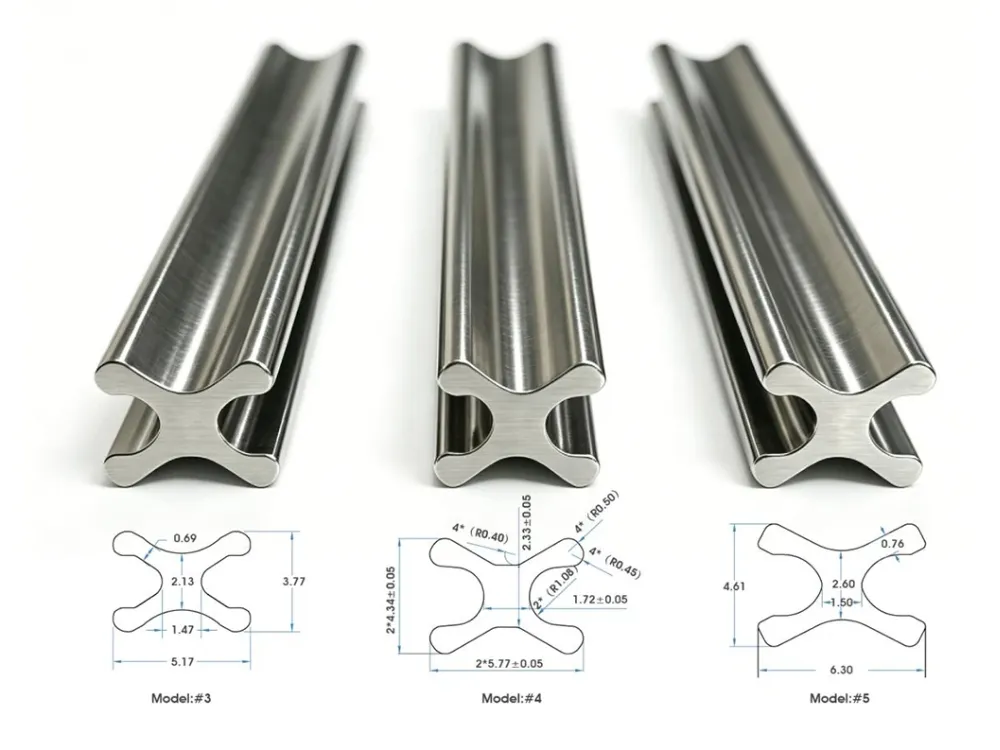
A custom wire tooling project needs a clear sample decision before the agreed production step proceeds. Identify what is approved, by whom, and against which requirements. Keep any limits or open points attached to the decision.
Create a usable approval record
The following fields form an editorial checklist, not a completed inspection report or a mandatory industry form:
| Approval field | What to capture |
|---|---|
| Controlled requirement | Product drawing number, revision, and units |
| Sample identity | Sample reference and relevant lot or trial reference |
| Material state | Grade, required condition, and supplied form |
| Evidence | Required measurements, documents, and functional checks |
| Open items | Unresolved points or specifically approved deviations |
| Decision | Approval scope, responsible person, and date |
| Next step | Authorized production or further review |
Where a tool reference is part of the agreed records, connect it to the sample identity. Do not assume that approving wire samples grants access to internal tooling drawings. Confirm any document deliverables separately.
The custom wire tooling approval record should make a later review possible. A short message saying “looks good” may not identify the drawing, material state, or limits of the decision. Ask for those details to be recorded while the sample is still under review.
Carry requirements into the order
Keep the accepted drawing, sample evidence, and required delivery documents with the production order. Identify how any agreed deviation applies. Approval of one trial piece should not silently rewrite the requirements for all future deliveries.
For custom wire tooling handoff, agree which sample represents the accepted configuration and how it will be identified. If inspection requirements change, update the relevant records before relying on an earlier approval. This keeps the product limits and production instructions in step.
No single sample proves every future lot will be free of defects. Decide which checks and records apply to production deliveries. That decision belongs in the agreed supply and inspection requirements.
6. Manage tooling changes and repeat orders
Repeat orders should refer to the accepted requirements, not just to a familiar part name. Before reusing a custom wire tooling agreement, check for changes to:
- The profile and its critical features.
- The material grade or delivery condition.
- The intended use or downstream operation.
- The delivery form and required evidence.
Ask the supplier how any change affects tooling or sampling.
Review the change before approving it
Changes may involve a functional radius, a contact face, a new material condition, or a different downstream process. Define the change in the controlled documents. Let the supplier identify whether it affects the proposed tooling or requires new evidence.
For custom wire tooling maintenance, replacement, or storage, confirm the responsibilities in the actual agreement. Ask what review is needed before a tool change affects the supplied profile. Do not assume a universal tool life, storage period, or number of free repairs.
Illustrative scenario: A repeat-order buyer changes the wire’s required condition and revises a contact feature. The team sends the revised requirements for review rather than assuming the old sample covers both changes. This hypothetical example illustrates change control without claiming a tool failed or needed replacement.
Prepare the next inquiry
Tianjin Jingzhou Metal offers custom profile wire for drawing-based inquiries. Provide the current drawing, material condition, application, and evidence you need. Confirm the actual product and project scope before treating any general description as an order commitment.
Clear custom wire tooling inputs help separate product requirements from process and commercial questions. List the open points and name who will answer each one. This makes the next decision easier to review without inventing a guaranteed cost or schedule.
7. FAQ and next steps
Does every custom profile need new tooling?
Not necessarily. Ask the supplier to review whether existing, adapted, or new tools suit the specified section. A custom wire tooling decision needs the actual drawing and requirements, not only a shape name.
Can one tool make the final shape?
Do not assume so. The die suppliers cited above describe engineered series that gradually form a profile. Confirm the proposed scope without treating that example as a fixed tool count for every project.
What does the tooling fee include?
It depends on the agreed quotation. Confirm design work, tools, trials, sample quantities, required evidence, and change handling. Record what is included and what needs a separate decision.
Does paying the invoice mean the sample is approved?
No payment record should substitute for the agreed sample decision. Confirm the drawing revision, evidence, approval scope, and responsible reviewer separately. Resolve ownership and custody in the commercial agreement as well.
What changes need another review?
Send changes to the profile, material, condition, use, or delivery requirements for assessment. Ask whether tooling, trial, or approval records need updating. Do not assume the earlier sample covers a revised order.
For custom wire tooling, connect the drawing, quotation scope, trial evidence, and approval record before the production handoff. Send your profile drawing and sample requirements to discuss the points that need confirmation for your wire inquiry.