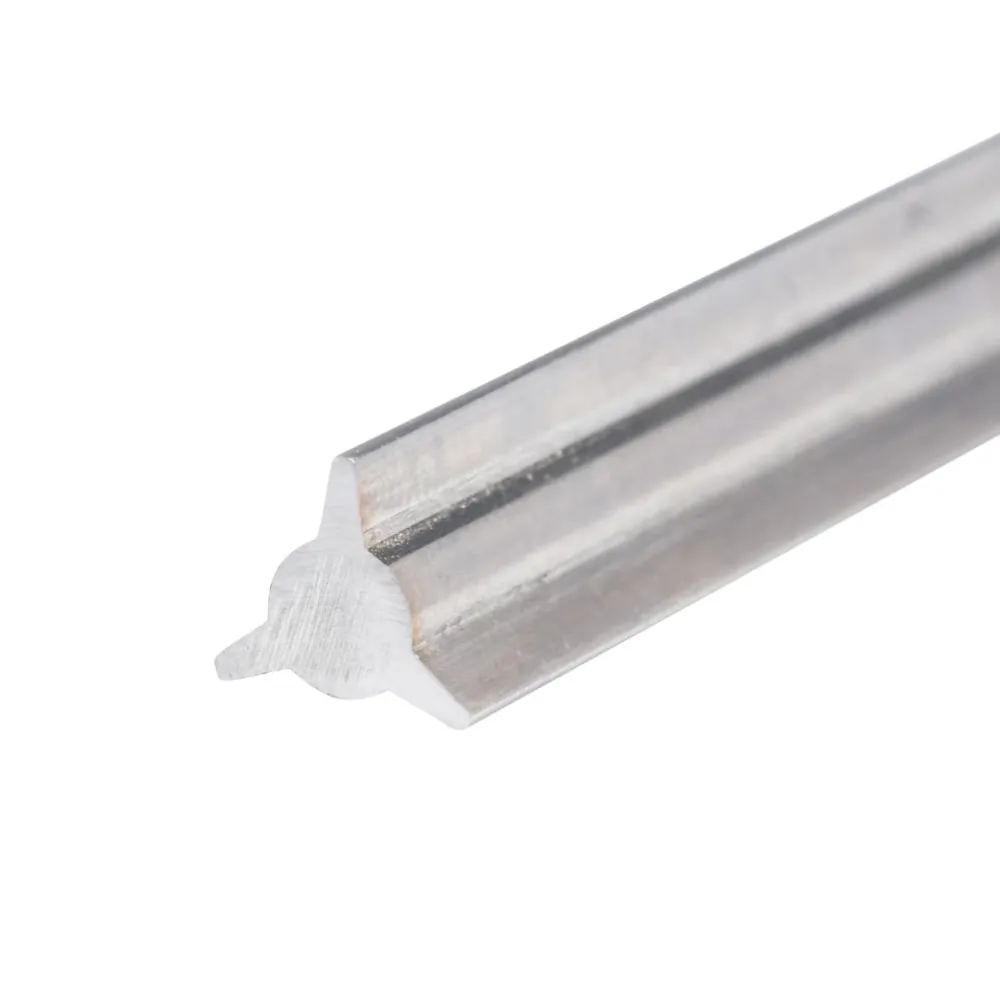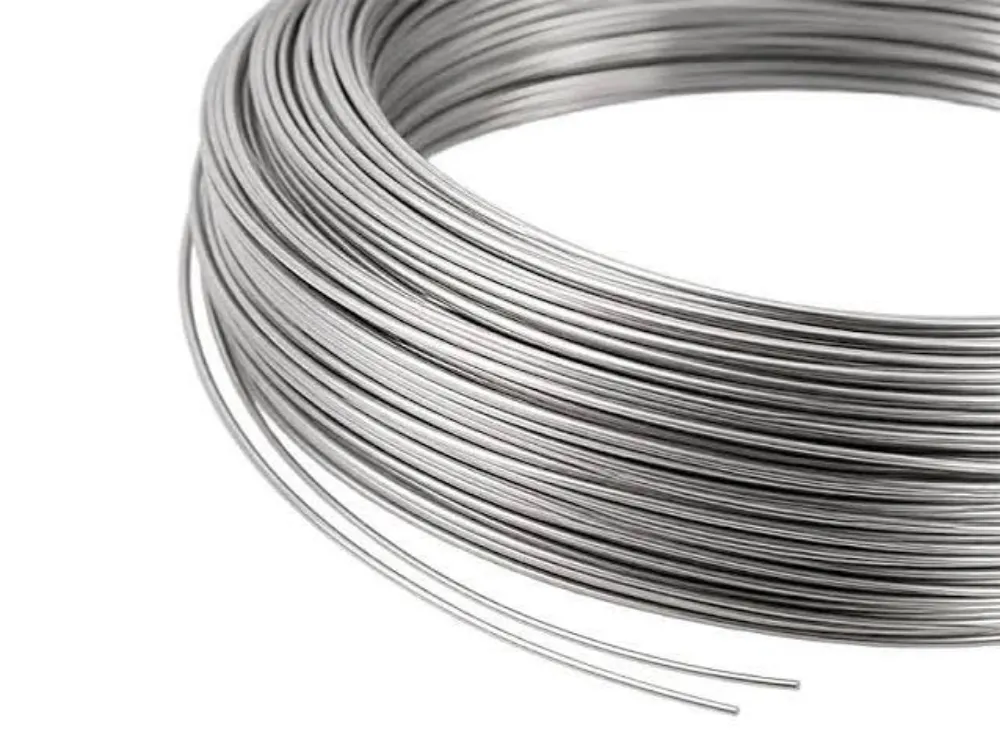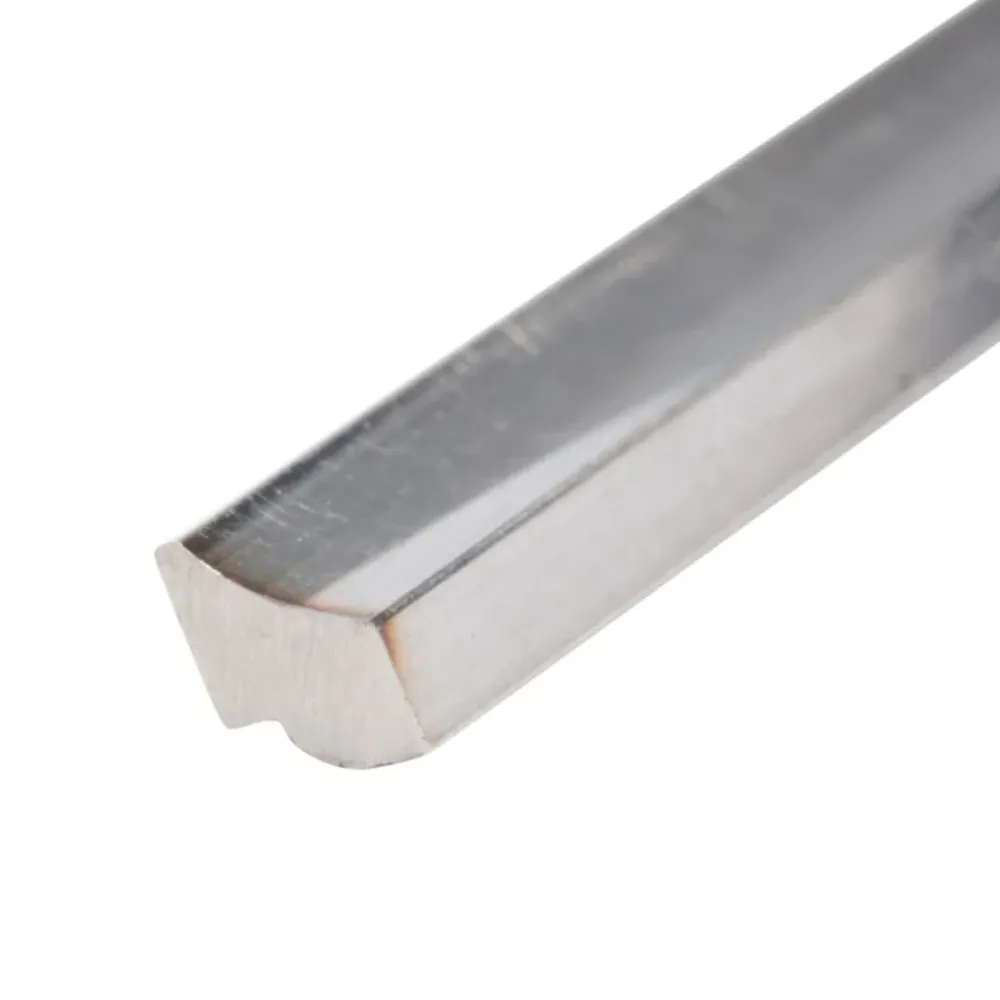
The main difference in cold drawn vs cold rolled wire is the forming tool: drawing pulls wire through a die, while rolling shapes it between rolls. A supplier may use both processes in one route, so the names do not always describe competing products.
Two quotations can name the same alloy and profile yet leave different questions open.
What is the final condition? Which dimensions control fit? What surface and test evidence will arrive with the wire? A process label alone cannot answer those questions.
If you buy wire for forming or assembly, start with the finished requirements. This guide explains cold drawn vs cold rolled wire in practical terms, then shows how to compare proposed routes without assuming that one is always stronger, smoother, or cheaper.
Key takeaways
- Drawing uses a die; rolling uses rolls to shape the section.
- Drawing and rolling can be steps in the same production route.
- Compare the same alloy, profile, final condition, and acceptance requirements.
- Give the supplier a controlled drawing and describe downstream processing before choosing a route.
1. Cold drawn vs cold rolled wire at a glance
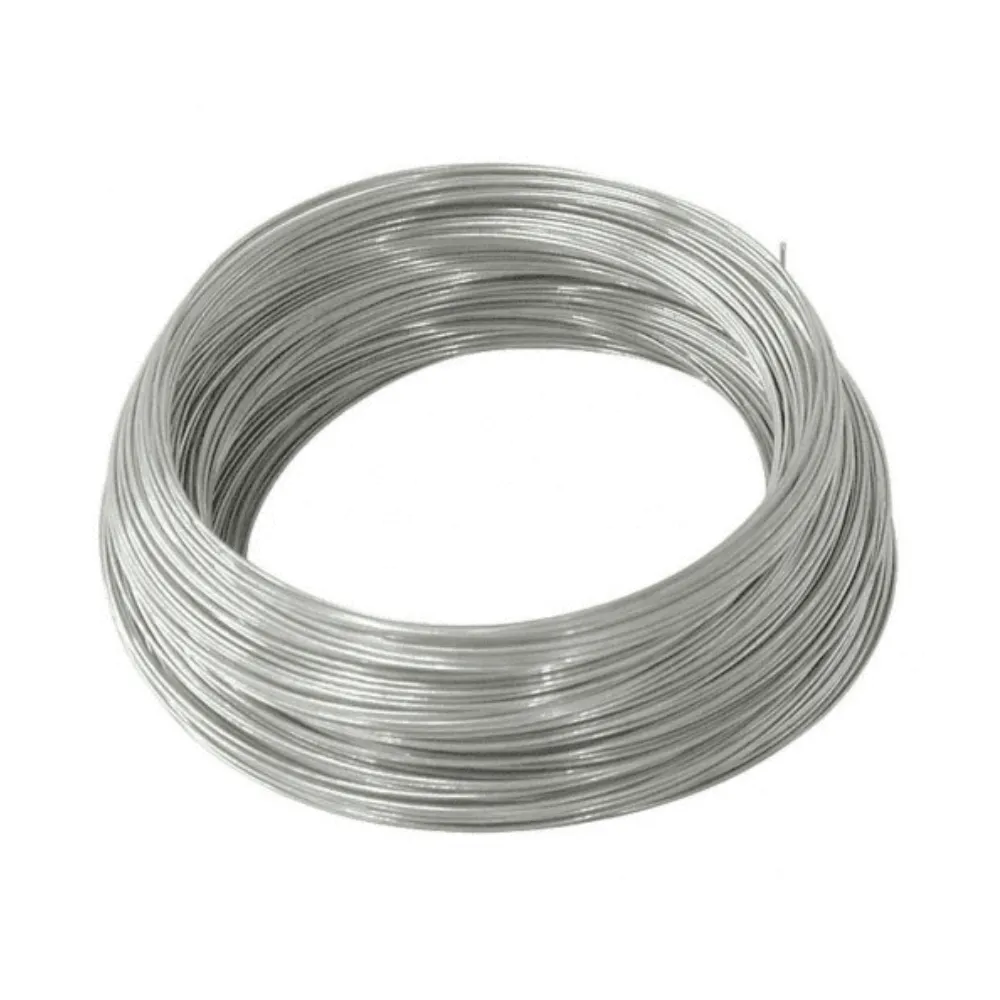
Use a cold drawn vs cold rolled wire comparison to ask better questions about the product. Avoid turning the process name into a complete material specification. The order still needs dimensions, condition, surface requirements, and an agreed acceptance basis.
Die drawing and roll forming
| Comparison point | Cold drawing | Cold rolling | Buyer question |
|---|---|---|---|
| Main forming tool | Wire passes through a drawing die | Wire passes between rolls | Which steps make the required section? |
| Section control | Die geometry helps define the drawn profile | Roll arrangement and geometry shape the section | Which faces, angles, and radii are critical? |
| Product scope | Can include round and shaped sections | Can include flat and other shaped sections | Can the supplier assess the actual drawing? |
| Other process steps | May include preparation, several passes, and annealing | May include prior drawing and intermediate annealing | What condition is supplied at delivery? |
| Acceptance | Defined by the order and inspection requirements | Defined by the order and inspection requirements | What evidence will confirm conformity? |
The table is a purchasing framework, not a performance ranking. For an overview of section choices, see our shaped wire profiles guide.
What the process label leaves open
In a cold drawn vs cold rolled wire inquiry, distinguish the forming route from the delivery state. A label may identify an important operation without describing every step before shipment. Ask the supplier to explain the proposed route where it affects your requirements.
Illustrative scenario: A buyer receives one quotation marked cold drawn and another marked cold rolled. Before comparing price, the buyer asks both suppliers to confirm the alloy, final mechanical condition, and drawing revision. This hypothetical example illustrates a review step, not a real customer result.
To start that discussion, send your drawing and wire requirements to Tianjin Jingzhou Metal. Highlight the features and later operations that the quotation needs to address.
2. How cold drawing produces wire
Understanding the die step makes cold drawn vs cold rolled wire easier to compare. In conventional wire drawing, the machine pulls stock through a die opening. The section is reduced or shaped as the material passes through.
Starting stock, preparation, and the die
Precision Kidd’s description of drawing bars and wire outlines stock preparation, lubrication, drawing, and possible annealing steps. It explains that the die changes the cross-section while the drawn product becomes longer. Its discussion includes shaped profiles, so drawing should not be treated as a process for round wire only.
Use that description to understand the mechanism rather than to prescribe every supplier’s route. Preparation and intermediate steps need to suit the material and product. A purchasing drawing should define what the wire must meet; any mandatory process steps should be identified separately.
For cold drawn vs cold rolled wire, the useful question is not simply whether a die was used. Ask which part of the final geometry the proposed drawing step controls. Then confirm the dimensions and condition that will be checked on the delivered wire.
Multiple passes and delivery condition
A route may use several drawing passes to reach the intended size or shape. Annealing may occur at selected stages, depending on the material and required result. Do not assume that every profile needs the same pass count or that every pass must be followed by annealing.
When comparing cold drawn vs cold rolled wire, ask about the final supplied condition. A statement that the wire was drawn does not establish the tensile range, hardness, or elongation you need. Specify the relevant properties and test basis instead of treating a process name as a substitute.
If an application requires a specific route for qualification or another documented reason, state it in the inquiry. Ask the supplier to identify any alternative before quoting it as equivalent. Approve a different route in writing before adding it to the order.
3. How cold rolling shapes wire
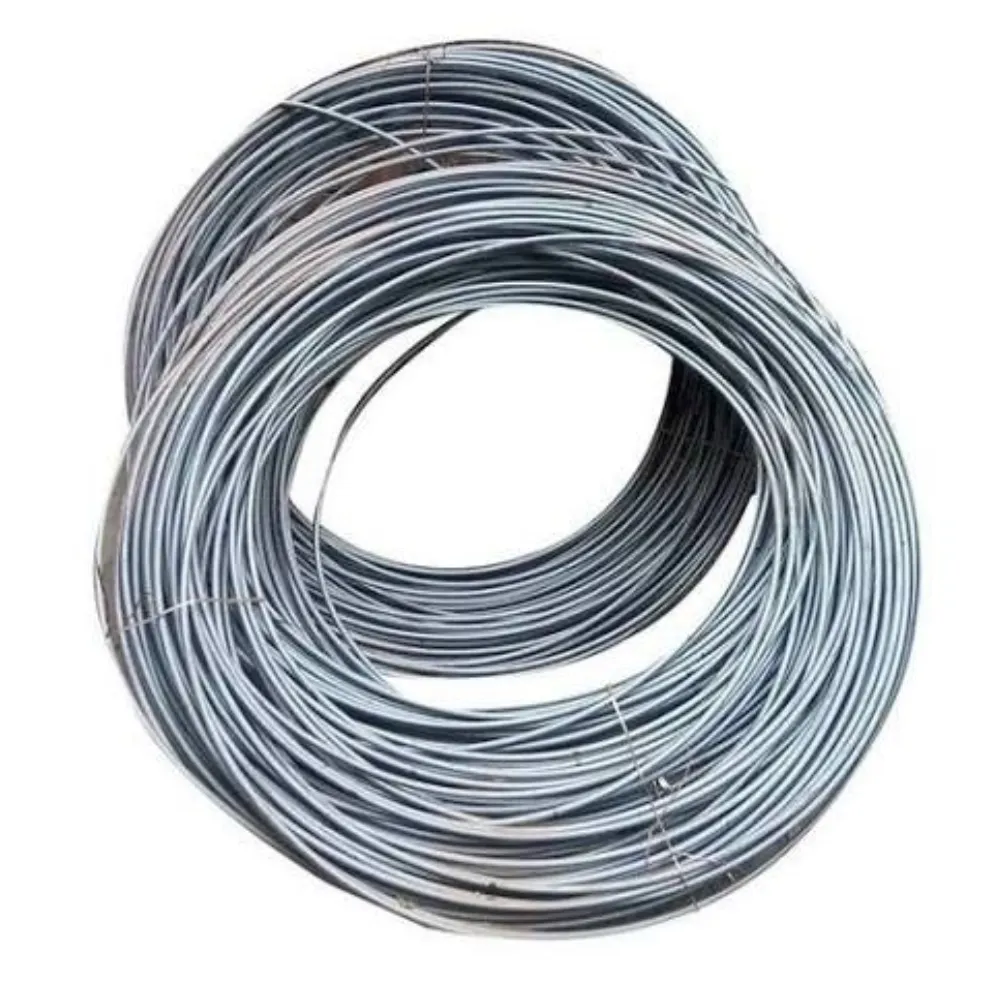
Rolling applies forming contact through rolls. Wire rolling can create flat or other shaped sections; it is not limited to producing sheet or strip. Keep that distinction clear when reading broad steel-processing comparisons.
Rolls and the required profile
For a wire-specific example, Ulbrich’s rolling capability description identifies flat-wire and Turks-head mills used to make custom shapes. It also notes intermediate annealing when needed. This supports a broader view of cold drawn vs cold rolled wire than a simple round-versus-flat distinction.
The required profile remains the starting point. Show the width, thickness, functional faces, radii, and other controlled features on the drawing. Ask the supplier to assess the combination rather than assuming a familiar shape name defines the whole section.
For cold drawn vs cold rolled wire, do not transfer a supplier’s equipment capability into a general rule. A published tolerance for a particular product range does not prove what every rolled or drawn wire can achieve. Confirm the actual material, size, feature, and inspection basis.
Why the routes can be combined
Ulbrich’s drawing page describes drawing rod into wire, annealing it, and then rolling it into a custom shape. This is a named supplier example showing that the processes can work together. It is not a description of Jingzhou Metal’s complete production line.
That example changes the cold drawn vs cold rolled wire question. Instead of asking which word wins, ask how the proposed steps produce the required delivery condition. Use the process summary to resolve open questions. Keep the agreed product requirements in the order.
4. Compare cold drawn vs cold rolled wire on the same basis
A useful cold drawn vs cold rolled wire comparison controls the purchasing requirements first. Match the alloy, dimensions, final condition, surface, and supplied form before judging the proposal. Otherwise, a difference in scope may look like an advantage of the process.
Geometry, corners, and measurement
Define the section with a controlled drawing rather than width and thickness alone. Where a corner, angle, or contact face affects assembly, identify it as a feature to confirm. A supplier should be able to tell which dimensions need evidence at sample approval.
Our guide to shaped wire tolerances explains the distinction between a nominal size and its allowed limits. Use it to clarify the requirement before comparing methods. Do not infer a guaranteed tolerance from the words drawn or rolled.
For cold drawn vs cold rolled wire samples, agree how the relevant features will be measured. Use the same drawing revision, feature definition, and acceptance basis for each proposal. Record open method questions before declaring two samples equivalent.
Strength, ductility, and final condition
Cold work and annealing affect the supplied material condition. The named supplier routes above show why the final state matters alongside the forming operation. Ask for the required mechanical properties on a stated test basis, rather than assuming a process label proves them.
A cold drawn vs cold rolled wire strength claim needs a comparison of like products. Confirm the alloy, section, supplied condition, and test requirements. Without that basis, a claim that one route always produces stronger wire tells the buyer too little.
Illustrative scenario: A flat-wire buyer plans a later bending operation. One quotation emphasizes a hard condition, while another leaves the condition open. The buyer asks for a common property requirement and a suitable sample trial before treating the offers as comparable; no measured result is implied.
Surface and downstream work
Describe the surface needed by the next operation. If finish, cleanliness, or edge condition matters, put the relevant requirement in the order. A general promise of a smooth finish is less useful than a defined acceptance question.
When reviewing cold drawn vs cold rolled wire, explain whether the wire will be bent, coiled, welded, cleaned, or assembled. The process name alone doesn’t prove that the wire suits those steps. Ask the design and production teams which tests or trials they need.
| Required outcome | Evidence to request |
|---|---|
| Profile fits the component | Controlled drawing and agreed feature measurements |
| Mechanical condition supports the next operation | Defined properties, test basis, and trial requirements |
| Surface suits production | Written finish or defect limits and an agreed check |
| Delivery works with handling equipment | Coil, spool, or straight-length requirements |
| Material and results remain identifiable | Required material records linked to the supplied lot |
5. Which route fits your wire application?
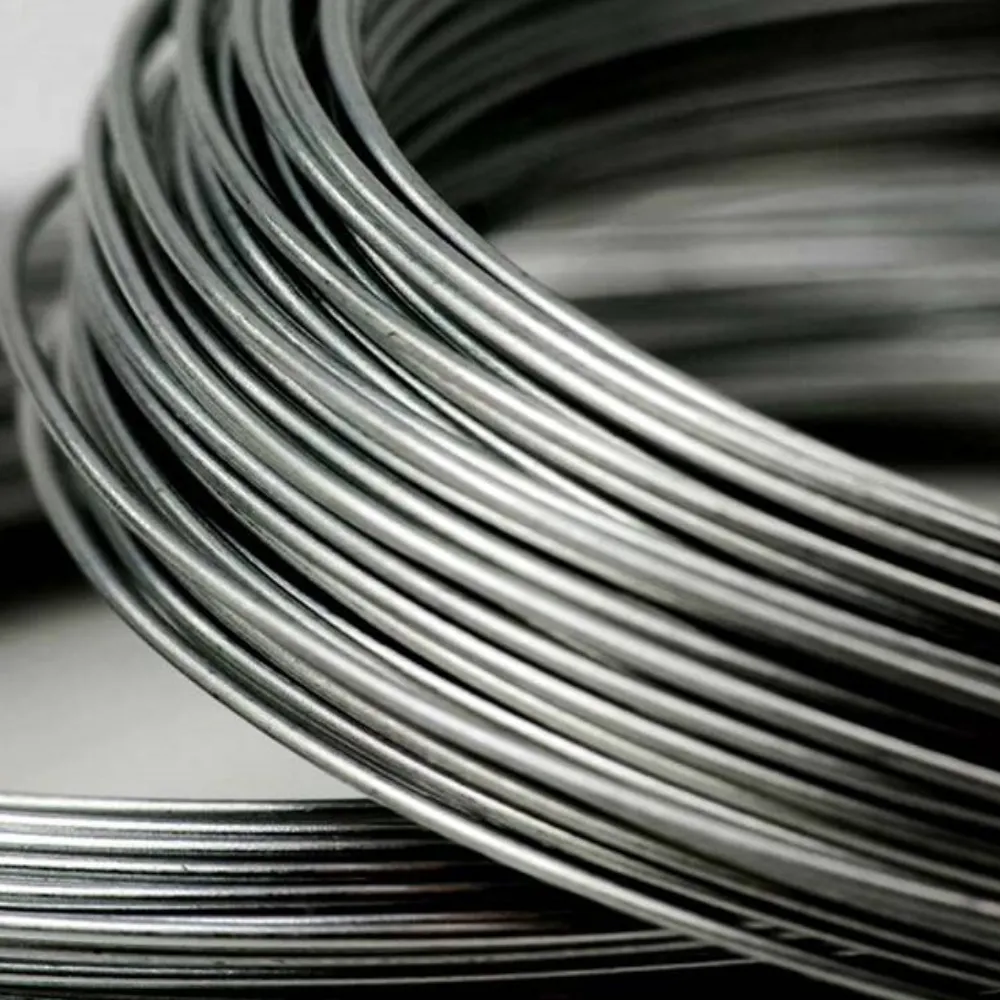
Treat cold drawn vs cold rolled wire selection as a feasibility discussion around the finished requirement. The preferred route must suit the product and the supplier’s confirmed capability. A generic process comparison cannot make that decision for every drawing.
Flat and simpler sections
For flat wire, discuss the width, thickness, edge shape, condition, and delivery form together. Rolling is a relevant process to discuss, but the word flat does not settle the full route. The supplier may need to explain earlier or later steps.
The cold drawn vs cold rolled wire decision should also reflect what happens after delivery. Give the supplier the function of the wire and any critical later operation. Do not assume that an attractive sample surface proves the required forming behavior.
Custom profiles and demanding fit
For a custom section, mark the functional features and supply a drawing revision. Ask where the proposed route needs tooling review, a sample, or a method agreement. Keep unresolved points visible instead of assigning guessed limits.
A useful cold drawn vs cold rolled wire trial asks a defined question. It might check a mating feature, assess an agreed forming operation, or confirm that the inspection method can reach a feature. State what will count as acceptance before requesting a sample.
After a sample review:
- Update the drawing if the design changes.
- Ask whether the change affects the proposed route.
- Record the revision approved for the order.
- Review future changes separately from the first sample approval.
6. Prepare an RFQ before choosing a route
A complete cold drawn vs cold rolled wire request for quotation helps a supplier assess the real task. Provide the product requirements first, then identify any mandatory process restrictions. If the route is open, say so and ask for a technically suitable proposal.
Give suppliers a common quotation basis
Use our custom wire specification checklist to prepare the drawing and RFQ inputs. For the process discussion, include:
- Material grade and required delivery condition.
- Cross-section drawing, units, revision, and critical features.
- Dimensional limits and the proposed acceptance method.
- Surface, edge, and cleanliness requirements.
- Downstream forming, joining, or assembly operations.
- Coil, spool, or straight-length requirements.
- Quantity, sample needs, and required documents.
- Any mandatory process requirement and its reason.
In a cold drawn vs cold rolled wire price comparison, check what each quotation includes. Tooling, samples, inspection, packaging, and delivery scope may differ. Do not assign a universal cost premium or saving to either process without comparable quotations.
Review open points before ordering
Tianjin Jingzhou Metal offers custom profile wire for drawing-based inquiries. Discuss the actual section, condition, and required evidence before treating a general product description as an order commitment. Confirm the proposed supply scope in writing.
Illustrative scenario: A buyer’s custom profile depends on a contact corner and an angled face. Rather than requiring one forming method immediately, the buyer marks those features and asks for a sample and measurement proposal. This hypothetical example illustrates specification review, not a claim that a particular route achieved a result.
Bring the agreed cold drawn vs cold rolled wire requirements into the purchase order. Record approved alternatives and retain the sample references. Review the agreement if the material, condition, profile, or downstream process changes.
7. FAQ and next steps
Can wire be both cold drawn and cold rolled?
Yes. The supplier example above includes drawing, annealing, and rolling in one route. For cold drawn vs cold rolled wire, ask which operations are relevant to the final product rather than assuming the terms are mutually exclusive.
Is cold rolled wire always stronger?
No universal ranking follows from the process label. Compare the same alloy, section, final condition, and test basis. Ask the supplier to confirm the properties required by the order.
Does cold drawing only make round wire?
No. Drawing dies can shape non-round sections as well. Specify the actual cross-section and functional features instead of choosing a process from the words round or flat alone.
Does annealing change the final comparison?
Annealing is an important part of the condition discussion. Ask where it occurs in the proposed route and which properties are required at delivery. Don’t assume the last process named in a quote describes the full delivery condition.
Which details should I specify before choosing a route?
Provide the drawing, alloy, condition, critical limits, surface, later operations, delivery form, and required evidence. Identify any fixed process requirement separately. Leave unknown fields open for review rather than inventing values.
For cold drawn vs cold rolled wire, the practical next step is a clear specification and a comparable proposal. Send your drawing and application requirements to discuss the profile, delivery condition, and acceptance points that need confirmation before quotation.