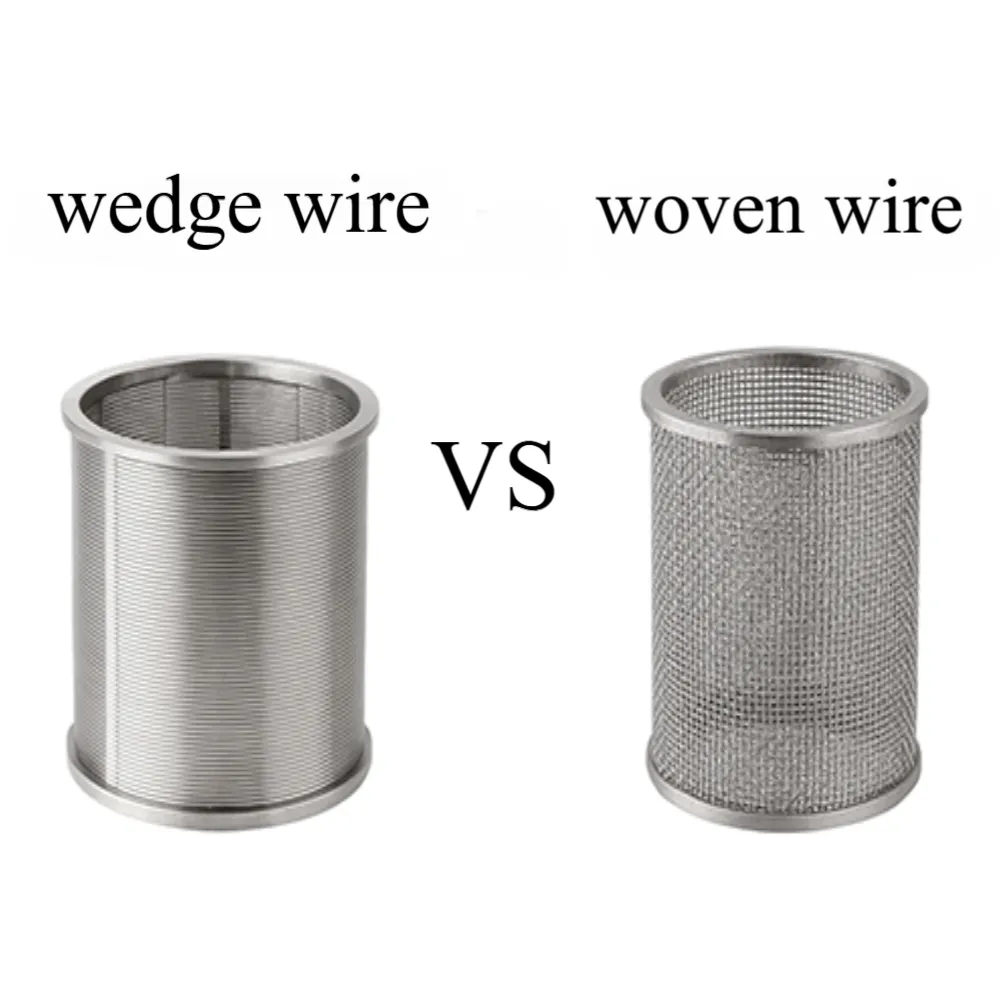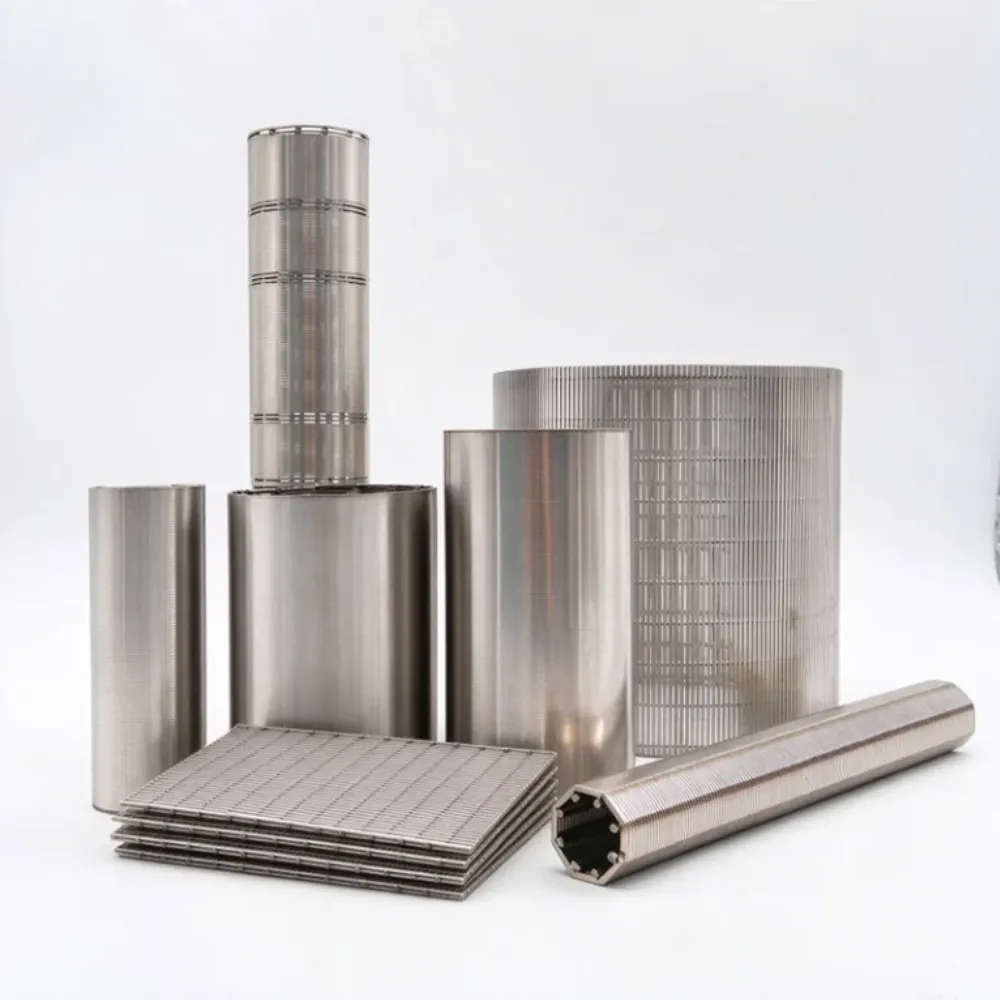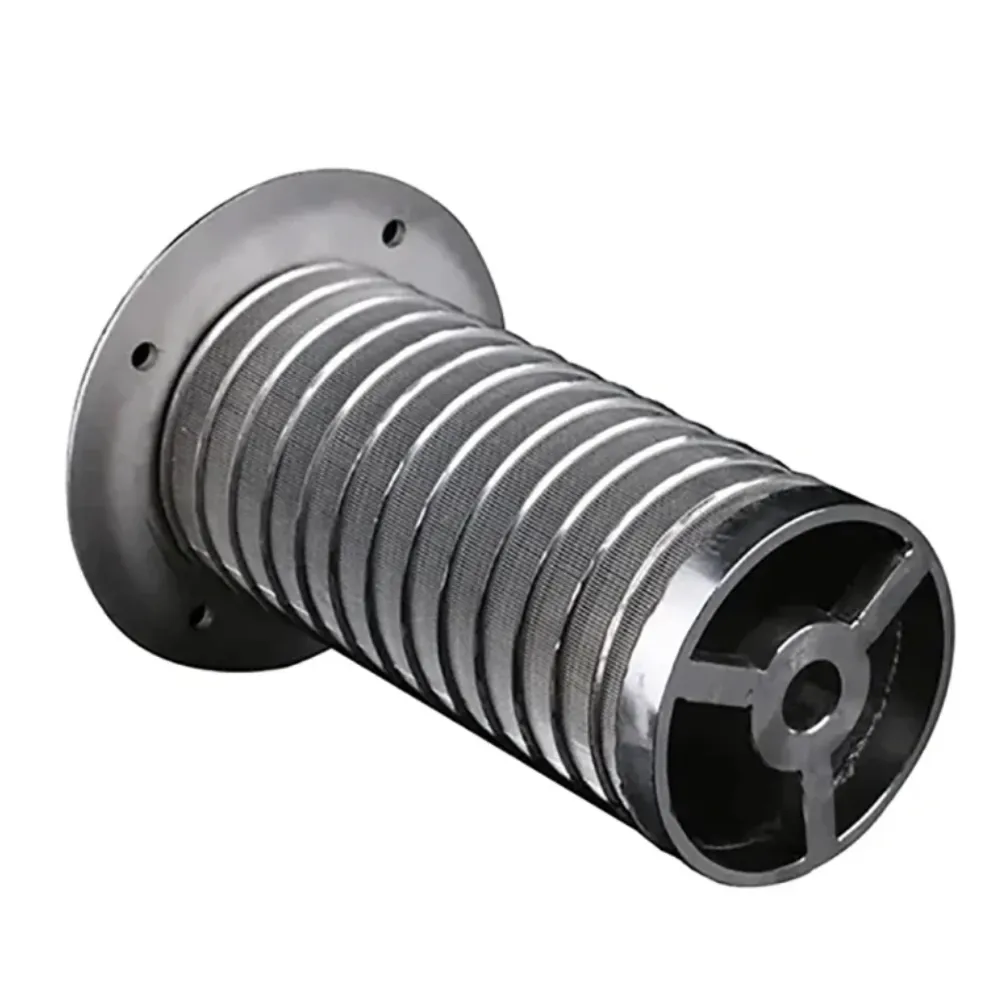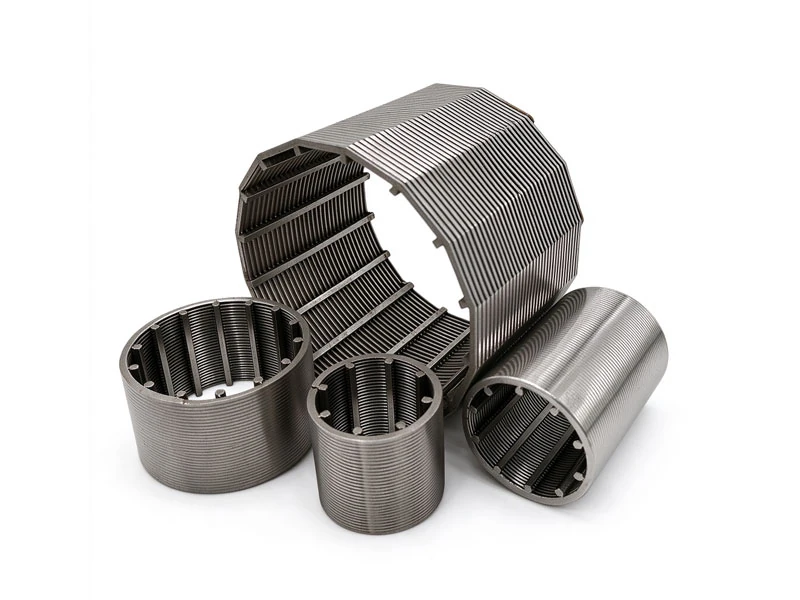
For cylindrical screens, wedge wire screen flow direction is commonly described as FOTI, from outside to inside, or FITO, from inside to outside. Slot orientation, working face, and support position are separate details that need their own drawing notes.
Two quotes marked FITO can still describe different constructions. The abbreviation tells you where flow passes through the screen; it does not show every feature of the screening surface. A matching label is only the start of a useful comparison.
This guide explains wedge wire screen flow direction through plain definitions, drawing checks, and a review table. You’ll learn which questions to keep separate and how to identify points that need confirmation before ordering.
Key takeaways
- FOTI and FITO describe flow through a cylindrical screening surface.
- Axial and circumferential describe orientation relative to the cylinder axis.
- Show the working face and support location on a labeled section.
- Confirm cleaning and reverse-flow conditions separately from normal filtration.
What wedge wire screen flow direction means
Read FOTI and FITO in plain language
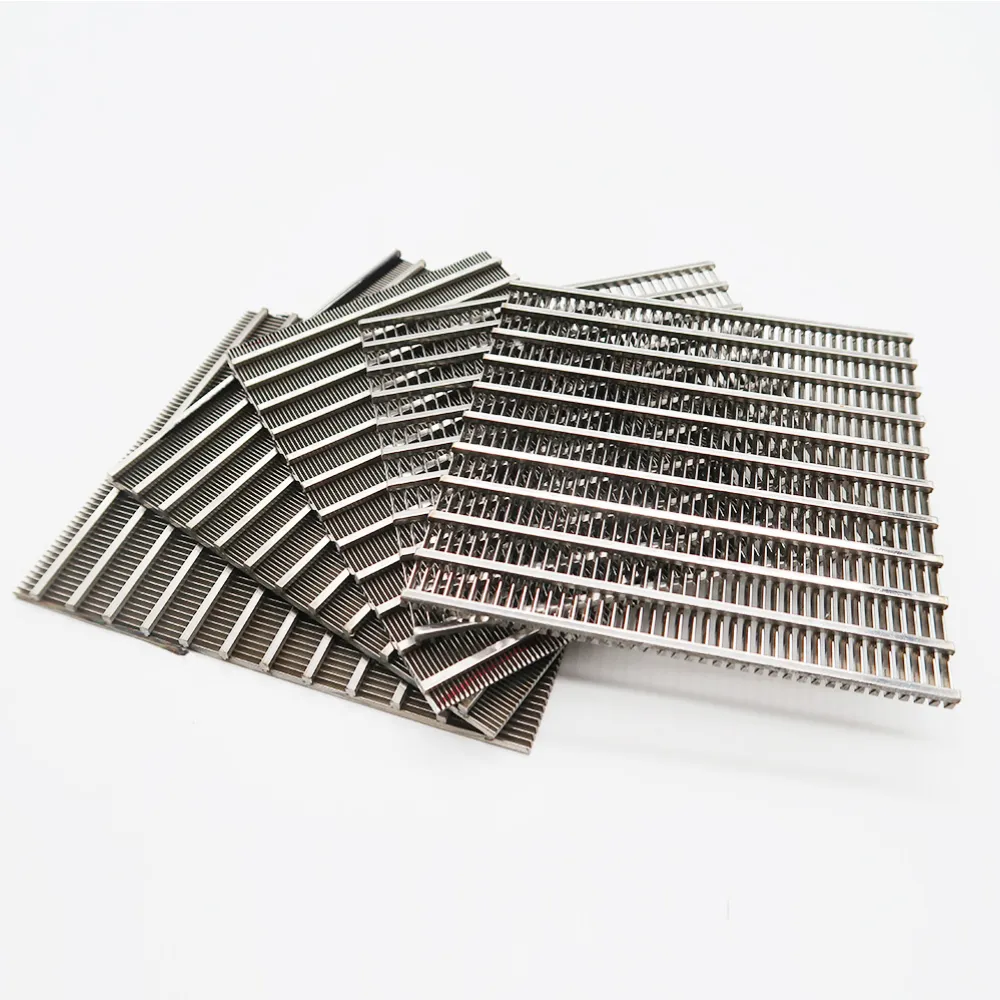
FOTI means fluid passes from the outside of the cylindrical screen toward its interior. FITO means it passes from the interior toward the outside. The cylinder provides the inside-and-outside reference for these terms.
Qiusuo’s construction guide defines both abbreviations and illustrates several arrangements. Treat the terms as a starting point for drawing review. They do not replace a section showing the proposed part.
For wedge wire screen flow direction, write the words as well as the abbreviation when preparing an inquiry. That gives the reader a direct check against the arrows. For a flat screen, identify the sides explicitly rather than forcing cylinder terminology onto the panel.
Keep direction questions separate
Ask where fluid passes through the surface, which way the slots run, and how material or a cleaning device moves along the face. These are different questions. One arrow cannot reliably answer all of them.
Illustrative scenario: A buyer receives two FITO offers. The proposed slots run in different orientations relative to the cylinder axis. The buyer requests a labeled drawing from each supplier rather than assuming the shared abbreviation means the screens are interchangeable.
If the screen form is still open, use our wedge wire screen selection guide first. Then record wedge wire screen flow direction as part of the chosen arrangement.
Preparing an inquiry? Send your section drawing and direction requirements to Tianjin Jingzhou Metal. Mark the known conditions and the features that still need discussion.
How working faces and supports affect the drawing
Identify the screening face and slot throat
A section through the proposed surface should identify the working face and clear opening. Show the profile’s orientation rather than relying on a description such as “V-shaped wire.” The section gives the reviewer a clear view of the proposed screen.
When documenting wedge wire screen flow direction, label the face that receives the process feed. Ask the supplier to show how that face relates to the profile and slot throat. Keep unresolved details visible until the responsible reviewer confirms them.
Don’t turn a profile description into a promise of a clog-free installation. The drawing explains geometry. It does not establish every result under the project’s actual feed, cleaning, and operating conditions.
Locate working wires and supports
Working wires and supporting members have different roles in the construction. Show both on the drawing, with enough detail to locate them relative to the cylinder wall. A photograph of the outside may not reveal the internal arrangement.
For wedge wire screen flow direction, support location is a separate drawing check. Do not infer it solely from an abbreviation, product name, or the apparent smoothness of one surface. Ask for the relevant section if information is missing.
The screen product overview provides a starting point for discussing the required form. The proposed drawing should identify the construction offered for your project. General product availability does not approve a particular arrangement.
Keep geometry separate from a rating
Record the proposed wire and support details alongside the project information needed to review them. The responsible designer needs the relevant span, mounting, and service conditions. A view of a support does not by itself establish a load rating.
The same applies to wedge wire screen flow direction: an arrow is not evidence of an approved pressure or reverse-duty limit. Keep the construction description and required engineering review as distinct records.
Axial and circumferential slot arrangements
Use the cylinder axis as a reference
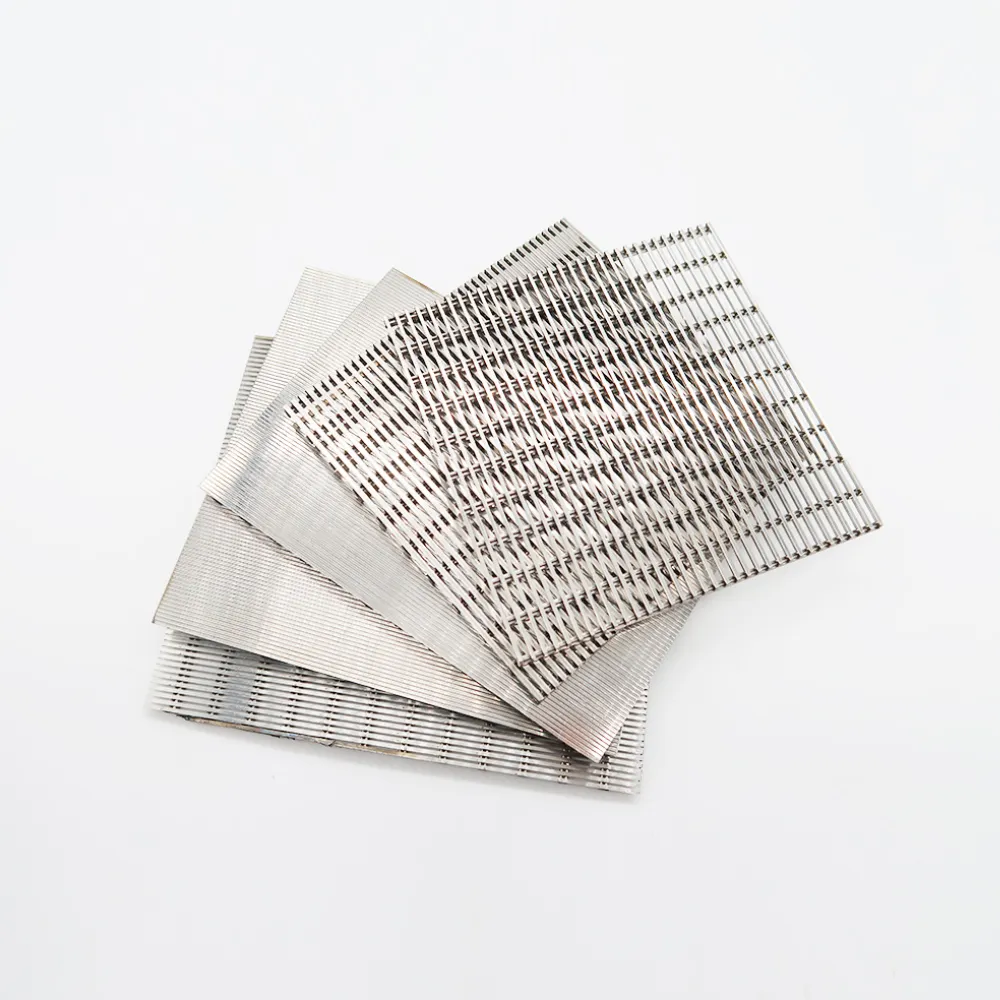
An axial slot runs parallel to the cylinder axis. A circumferential arrangement runs around the cylinder. Show the axis and slot orientation on the same view so those descriptions have a clear reference.
Manufacturers may use “radial” in construction names. Check what their figure means rather than assuming the word describes the fluid’s path. A term used for a wire arrangement should not silently become a statement about every flow direction.
When reviewing wedge wire screen flow direction, a side view and a section answer different questions. The side view can show slots relative to the axis; the section can show the working face, supports, and through-flow arrow.
Compare arrangements using explicit fields
Use a table to separate features that a short product name may combine. Ask the supplier to fill the fields from its actual proposed drawing. Leave any unknown value open for clarification.
| Feature | What the drawing should identify |
|---|---|
| Cylinder reference | Axis, inside, and outside |
| Slot orientation | Direction relative to the axis |
| Working face | Intended screening surface |
| Supporting members | Position relative to working wires |
| Through-flow | Normal direction through the screen wall |
| Construction reference | Drawing number and revision |
This table helps compare wedge wire screen flow direction without assuming all suppliers use identical construction labels. It also makes it easier to spot a missing section or an unexplained term.
Treat reverse as a drawing question
YUBO’s flow-direction guide describes several wire-and-support arrangements and uses reverse terminology. Its descriptions include exceptions. Confirm the actual proposal rather than turning a label into a universal rule.
Ask what is reversed: the profile orientation, a construction arrangement, or operating flow under a defined condition. Request a drawing that shows the answer. Don’t accept “reverse type” as the entire specification.
For wedge wire screen flow direction, the final record should describe the arrangement in plain language. The supplier can keep its name on the quote. It should point to an agreed drawing both parties understand.
Specify wedge wire screen flow direction for the equipment
Mark feed and filtrate sides
Identify where feed reaches the screen and where filtrate goes after passing through it. Use labeled arrows in the equipment context. If material also travels along the screening face, draw that path separately.
Use different labels for different tasks. A feed movement arrow, through-flow arrow, and scraper movement arrow should each state what it represents. This avoids asking the reader to infer meaning from an arrow’s location alone.
In wedge wire screen flow direction notes, state which operating condition the arrows describe. If a drawing covers several conditions, provide separate views or clearly separated notes. Keep the normal filtration case easy to find.
Confirm mounting and mating equipment
Identify the installation reference, mounting faces, seals, and end connections that matter to the supplied part. Ask the equipment owner for the required interface information. The supplier should not have to infer a hidden connection from the direction label.
Our screen drawing and RFQ checklist covers the wider inquiry package. Use it to keep drawing revision, supply scope, and acceptance requirements aligned with the direction notes.
Illustrative scenario: A replacement cylinder appears to fit the existing envelope. Its working face and support position have not yet been confirmed. The buyer asks for a section tied to the equipment arrangement before treating the replacement as equivalent.
The lesson for wedge wire screen flow direction is practical: matching overall dimensions does not close every construction question. Record which details are confirmed and which require review.
Keep the drawing revision visible
Identify the drawing number and revision on the quote and approval record. If a section changes, ask whether direction notes and related views still agree. A revised view should not leave an older arrow as the only reference elsewhere.
Check who may approve changes to wedge wire screen flow direction or construction. If the supplier proposes an alternative, record it as a proposal until the responsible person accepts it. A request for clarification is not an approval.
Review cleaning and reverse-flow conditions separately
Distinguish normal flow from cleaning duty
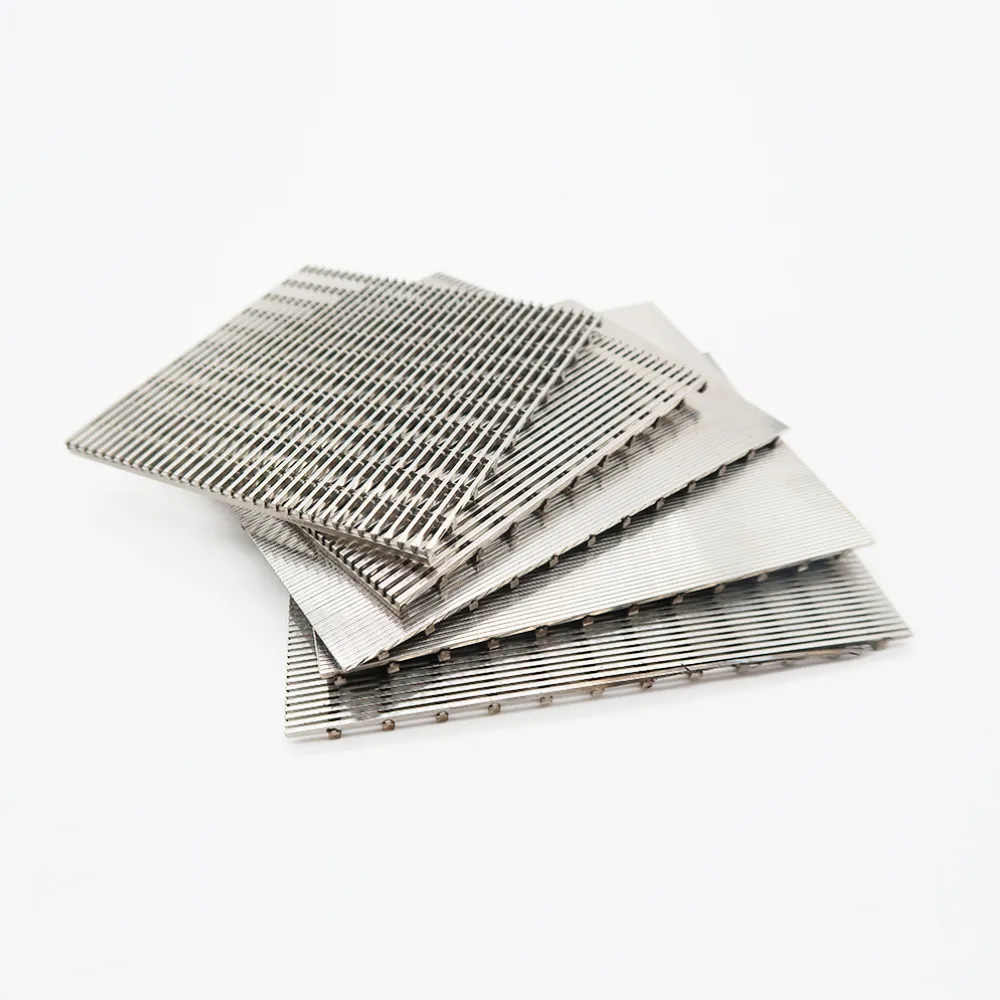
FITO or FOTI on a normal-filtration drawing does not automatically permit every cleaning sequence. If reverse flow is required, describe it as a separate operating condition. Ask the equipment designer and supplier to confirm the proposed assembly against that condition.
Do not reverse an installation simply because a product is called reverse construction. The name does not provide an operating procedure. Use approved equipment information to establish how the screen is intended to be installed and used.
For wedge wire screen flow direction, record normal filtration and any required cleaning direction separately. Keep applicable conditions, source documents, and approving responsibility with those records. Avoid filling missing limits from another manufacturer’s catalog.
Match the cleaning path to the proposed surface
If a scraper or another cleaning device interacts with the surface, identify its path and applicable equipment constraints. Ask the responsible party to confirm the interface. A smooth-looking face does not establish required clearance or compatibility.
A cleaning device may move along the surface while fluid passes through it. Show those directions on separate views where needed. Keep motion labels distinct so a reviewer does not confuse a cleaning path with a filtration arrow.
When discussing wedge wire screen flow direction, leave cleaning pressure, speed, duration, and clearance to project requirements. The abbreviations themselves provide no universal values.
Keep separate records for separate duties
For wedge wire screen flow direction, a short operating-case record can make missing information visible. Give each case a name and a source document. A normal-filtration case should show the required through-flow. A cleaning case should state the proposed sequence and the conditions that still need review.
Do not copy an approval from one case into another. If a reply covers only normal operation, keep the cleaning case open. Name who will provide the missing information and who will decide whether the proposed assembly is suitable.
When wedge wire screen flow direction changes between cases, ask for separate arrows rather than a single double-headed arrow with no explanation. The drawing should describe a requirement, not imply that both directions have already been approved.
Name who approves the conditions
Ask who owns the process requirement, equipment interface, and review of the proposed screen. They may involve different people. Keep their decisions visible rather than treating a general supplier response as approval of every operating condition.
Where a required condition remains unresolved, record its owner and next decision needed. Keep it open until the appropriate review is complete. Do not turn a missing requirement into an assumed operating allowance.
A direction-check table for quotations and drawings
Record each item and its source
Use this checklist to review wedge wire screen flow direction in a quotation package. It organizes discussion; it is not a design standard or installation instruction. Fill it from actual project requirements and the supplier’s proposal.
| Check | Information to record | Source or owner |
|---|---|---|
| Through-flow | Outside to inside or inside to outside for normal duty | Process or equipment requirement |
| Reference | Cylinder axis, inside, outside, and view orientation | Drawing |
| Slot orientation | Axial or clearly described circumferential arrangement | Supplier’s proposed view |
| Working face | Screening face and slot-profile section | Proposed construction |
| Supports | Location and relevant arrangement | Supplier drawing |
| Installation | Mounting, seals, and mating connections | Equipment owner |
| Cleaning | Separate flow and device-motion requirements | Approved equipment basis |
| Control | Drawing revision, open items, and approving person | Project record |
If a reference is missing, ask for it. For wedge wire screen flow direction, each table entry needs a clear link to its drawing or requirement.
Close ambiguous descriptions
Illustrative scenario: A quotation says reverse screen without a section. The buyer asks the supplier to identify the working face, support side, and normal flow on the proposed drawing. The question is closed only when the description and drawing agree.
Compare wedge wire screen flow direction using the same operating case. An arrow for normal filtration cannot be compared directly with an arrow for a cleaning sequence. First identify which case each document describes.
Keep agreed changes with the final drawing. If construction or operating requirements change later, check whether the earlier decision still applies. A familiar product name does not prove a revised assembly remains covered.
Keep capacity questions in their own review
A direction note is not a capacity calculation. Our open-area formula and limits guide explains another geometric input and its limits. Neither a percentage nor a direction abbreviation establishes usable flow by itself.
For wedge wire screen flow direction, the goal is a clear description of the required arrangement. Performance review still needs relevant project inputs and an appropriate basis. Keep that distinction in the inquiry and approval records.
Flow-direction FAQ and next step
Is FITO the same as an axial slot?
No. FITO describes inside-to-outside flow through a cylindrical surface. Axial describes orientation relative to the cylinder axis. State both details where they matter, and use a drawing to show the proposed arrangement.
Does reverse construction permit reverse flow?
Not automatically. Confirm what the supplier means by reverse construction and review any required reverse-flow condition separately. The product name is not permission to change the equipment’s operating sequence.
Can a photo confirm the working face?
A photograph can help identify a visible feature. It may not show the slot section, internal supports, or equipment context. Ask for the drawing views needed to confirm those details.
What should the drawing show?
Show the cylinder reference, slot orientation, working face, supports, and normal through-flow. Add relevant installation details and separate cleaning notes. Tie the views to the same drawing revision.
Prepare a clear direction inquiry
Ready to discuss wedge wire screen flow direction? Send the drawing, equipment context, and open questions. Identify normal flow and any separately required cleaning condition so the proposed construction can be reviewed against the actual task.