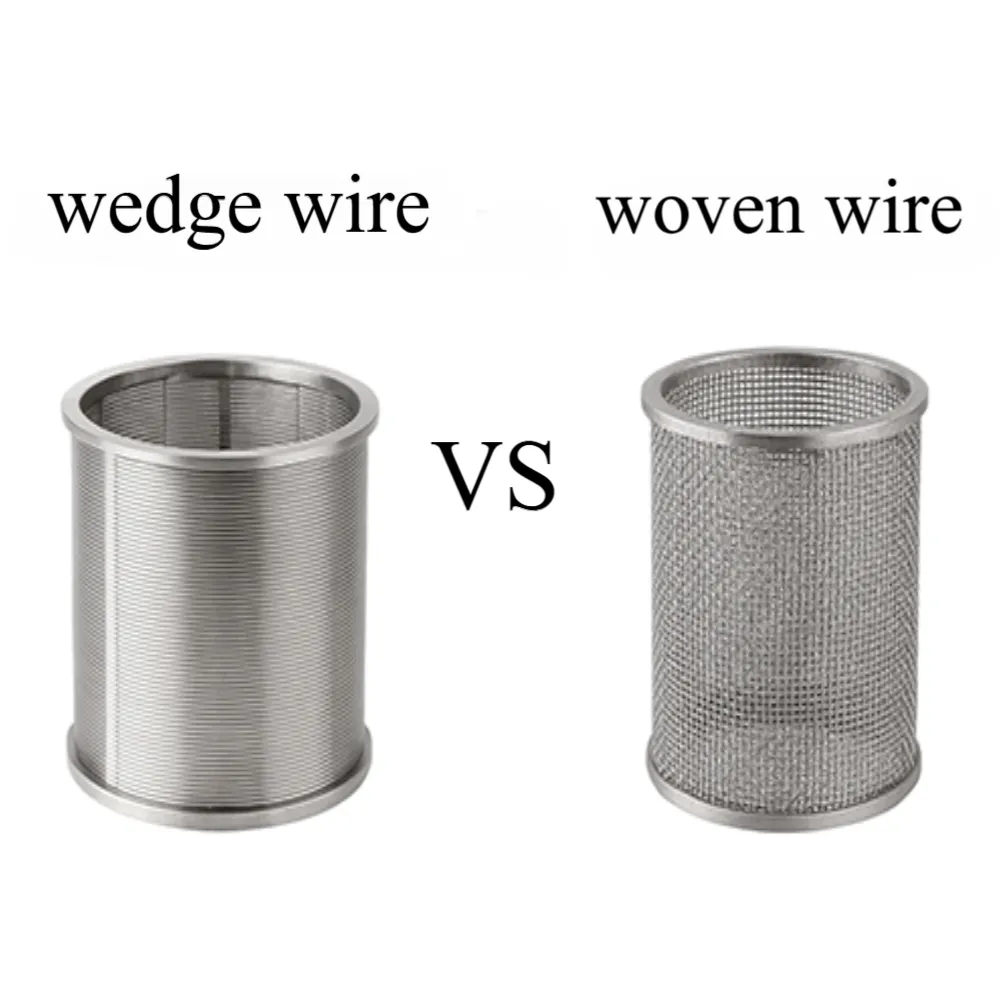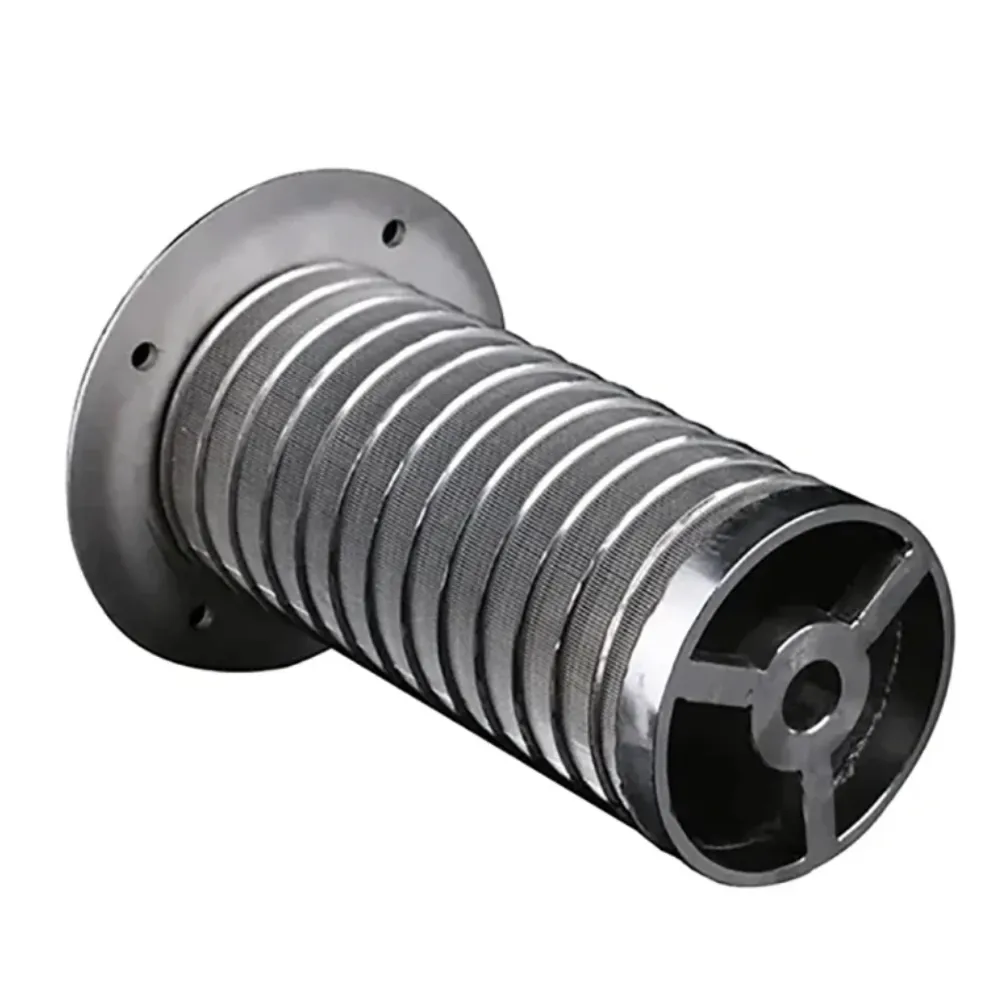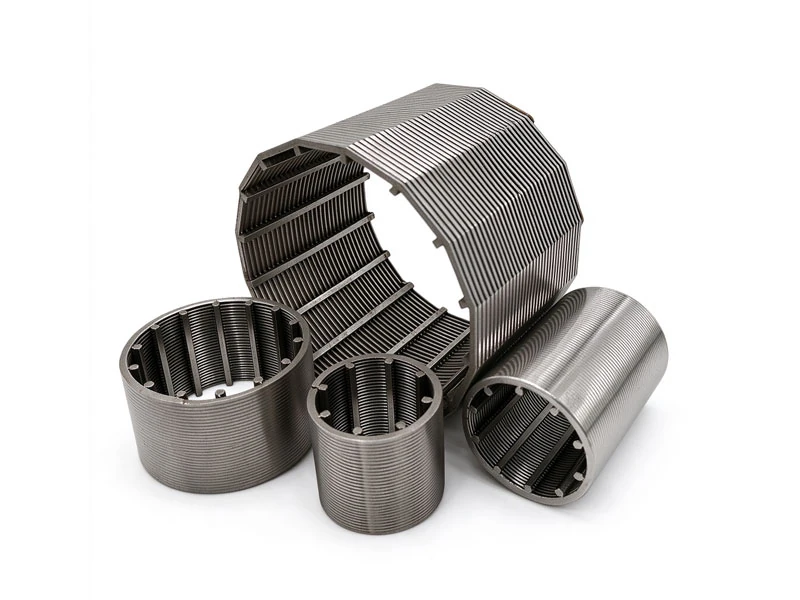
Wedge wire screen inspection should compare an identified screen with its approved drawing and agreed acceptance requirements. Define the slot method and locations, dimensional checks, material records, construction review, and any specialist tests before the order.
A report marked pass may still leave a buyer with questions. Which drawing revision was checked? Where were the readings taken, and which limits were used? Without those links, the result may not answer the receiving team’s actual question.
This guide organizes wedge wire screen inspection around a clear path: feature, method, scope, criterion, record, and decision. Use it to prepare a reviewable inspection scope and identify the points that need agreement with the supplier.
Key takeaways
- Link the inspected item to the order and current drawing revision.
- Agree slot measurement methods, locations, coverage, and acceptance rules.
- Keep material, dimensional, fit, and process evidence separate.
- Record differences and obtain an authorized decision before closing them.
Define the wedge wire screen inspection scope
Identify the item and controlling requirements
Start with what is being checked: a sample, a screen element, a framed assembly, or a defined production batch. Record its identity and order reference. Make clear which parts and quantities the inspection record covers.
Use the drawing number and revision, along with the agreed specification and document priority. If the order and drawing disagree, ask the responsible person to resolve the difference. Don’t select whichever requirement makes the current result look acceptable.
Our screen drawing and RFQ checklist explains how to prepare the wider inquiry package. Wedge wire screen inspection then checks the supplied item against the requirements actually agreed for it.
Illustrative scenario: A receiving team gets a report marked pass, but it refers to an earlier drawing revision. The team asks which features changed and whether the record covers the delivered part. The pass label alone does not close the question.
Agree critical characteristics before manufacture
Name the features that matter to fit, construction, and the intended duty. For each one, identify the required check and the evidence expected. Ask the supplier to confirm the proposed scope in its offer.
Wedge Wire Works’ quality guidance distinguishes a planning checklist from a test report. That distinction matters here: a list of requested checks is not evidence that those checks have been completed.
For wedge wire screen inspection, mark required records, proposed methods, and open points separately. Don’t assume a generic factory inspection includes every report or specialist service your project needs.
Preparing an order? Send your drawing and inspection requirements to Tianjin Jingzhou Metal. Identify the checks you require and the items whose scope or availability needs confirmation.
Plan slot measurement and reporting
Define the clear opening and acceptance basis
State the clear slot opening with units. Keep the nominal requirement separate from the allowed variation and the rule used to judge readings. An average, a limit on individual readings, and a stated range are different ways of describing results.
Wedge wire screen inspection should use the acceptance basis agreed for the order. Don’t borrow another manufacturer’s tolerance or sampling split and treat it as a universal rule. If a standard applies, identify its actual designation, version, and relevant scope.
A slot reading does not by itself establish an absolute filtration rating or an application result. Keep the geometry check tied to the specified feature. Any separate process requirement needs its own evidence and review.
Agree method, access, locations, and coverage
Discuss a suitable method for the actual slot and screen form. Gauge-based or optical approaches may be considered where appropriate, but do not assume they are interchangeable. The selected method needs to address access, orientation, and the feature being evaluated.
Identify measurement locations on a sketch or drawing. State which screen, region, or sample is covered and who agreed that coverage. A few unnamed readings cannot be represented as a full-surface inspection.
For wedge wire screen inspection, ask the responsible measurement specialist to confirm instrument suitability and calibration status. Record the method reference and any relevant limitations. A calibration document alone does not explain how the instrument was used on this screen.
Don’t force a gauge into a slot to obtain a desired result. Use the agreed procedure and report access or contact difficulties. This guide does not prescribe an insertion force, gauge resolution, or sampling percentage for all screens.
Keep readings and decisions traceable
Tie each result to a feature or measurement location. Include units and the criterion used for judgment. Where the procedure calls for readings, preserve them rather than replacing the entire record with a pass stamp.
A useful wedge wire screen inspection record lets another reviewer follow the decision. They should be able to find the item, drawing feature, method, coverage, result, and acceptance basis without guessing which file the inspector used.
If the method or location changes during the review, record the change and its reason. Don’t combine unlike results without explaining the difference. Ask the responsible reviewer whether additional checking is needed.
Check dimensions, fit, and orientation

Use critical references and interfaces
In wedge wire screen inspection, identify the sizes that control the part’s fit. These may include mounting faces, hole locations, end connections, overall size, or active screening dimensions. Use the reference points and limits on the approved drawing.
For wedge wire screen inspection, separate the active screening surface from the assembly envelope. A frame or fitting can affect installation while sitting outside the patterned area. The record should show which boundary each dimension describes.
Where flatness, roundness, or other form requirements apply, agree how they will be checked and reported. Don’t add a generic limit after the part arrives. The inspection scope should answer the project’s defined question.
Verify construction and direction notes
Check the proposed working face, support location, and direction information against the agreed drawing. Our flow-direction guide explains why slot orientation and through-flow are separate details.
Matching overall dimensions does not prove that every construction feature is correct. In wedge wire screen inspection, a dimensional result and a direction check need clear references of their own. Record any feature that cannot be confirmed from the available views.
Use the wedge wire screen selection guide for the broader form-and-duty context. Keep this inspection review focused on the requirements already chosen for the item, rather than reopening selection by assumption.
Keep fit review distinct
A dimensional report shows the features measured against stated limits. A fit review addresses the interfaces checked in a defined assembly or setup. State which task the evidence covers.
If installation approval is required, identify the equipment owner’s role. Don’t turn a successful measurement into approval of every mating feature or operating condition. Keep open interfaces visible until the responsible person confirms them.
Review material, welds, and surfaces
Match material records to the supplied components
For wedge wire screen inspection, check the grade and record scope for the working wires, supports, frame, and other supplied parts. Ask how the records connect to the delivered item or batch. A document for one component may not describe the whole assembly.
For wedge wire screen inspection, the record should make that connection understandable. If heat or batch references are required, agree how they are carried through the documentation. A familiar grade name does not replace the requested traceability.
Illustrative scenario: A buyer receives a material certificate, but the record does not show whether it covers the frame as well as the screening wires. The buyer asks for the component and batch links before closing the material review. The certificate’s presence alone is not treated as complete evidence.
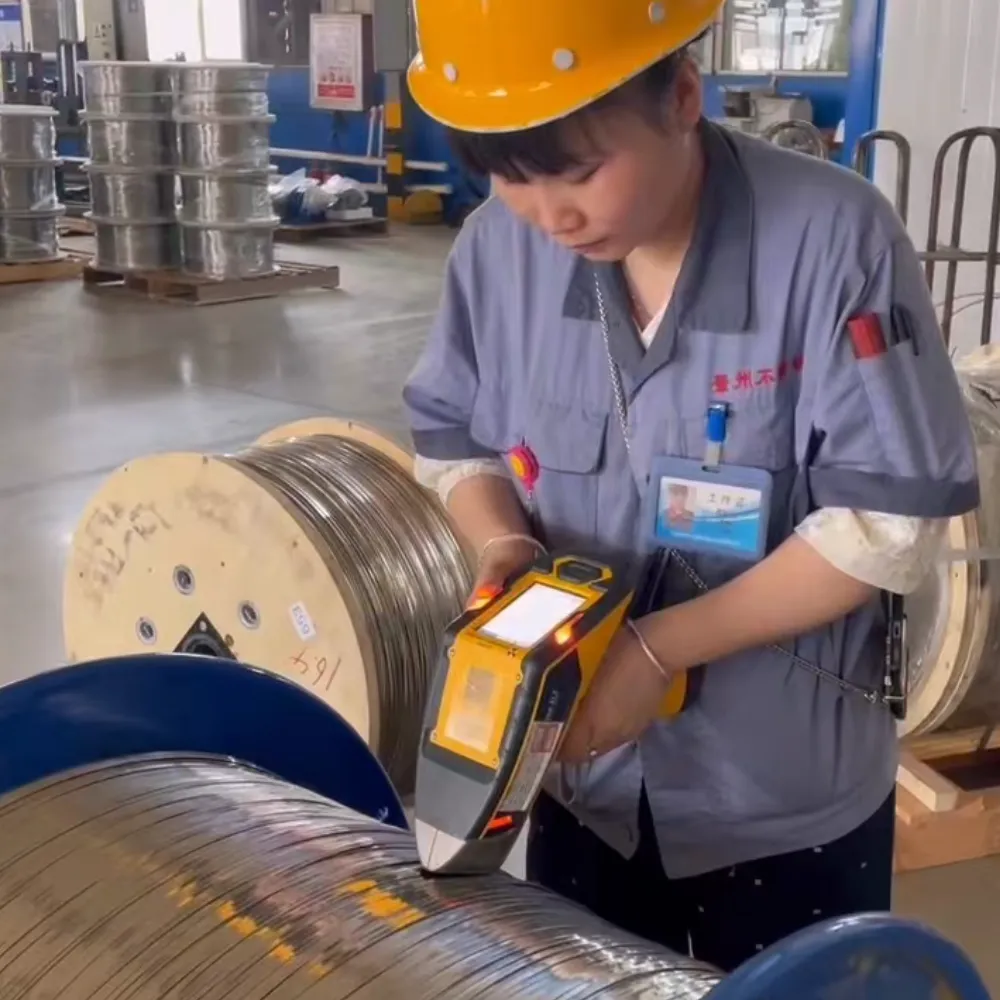
If material identification testing is required, define the method and its purpose with the appropriate specialist. Don’t assume any portable instrument can confirm every grade or requirement. Material evidence is not a complete approval of finished-screen performance.
Separate visual review from specialist tests
Qiusuo’s quality-control overview lists dimensional, material, and slot checks as distinct areas. It provides context for organizing checks, not an inspection procedure for every supplier’s screen.
A visual review of joints and construction should follow the agreed requirements. If a project calls for nondestructive testing, destructive samples, or another specialist check, define the method, extent, criterion, and responsible party. Don’t assume every screen requires the same test route.
In wedge wire screen inspection, a visual finding and a specialist test result should remain identifiable as different evidence. Neither should be represented as covering features or conditions it did not examine.
Review edges and supplied surface condition
For wedge wire screen inspection, state the edge and finish requirements that apply to the supplied part. Record the observed condition against those requirements. Photographs can support the record when they identify the item, location, and feature clearly.
A photograph does not automatically establish a dimension or the condition of a hidden joint. Keep its purpose clear in wedge wire screen inspection. Where more evidence is needed, record the open question instead of treating the image as a substitute.
Build a wedge wire screen inspection record
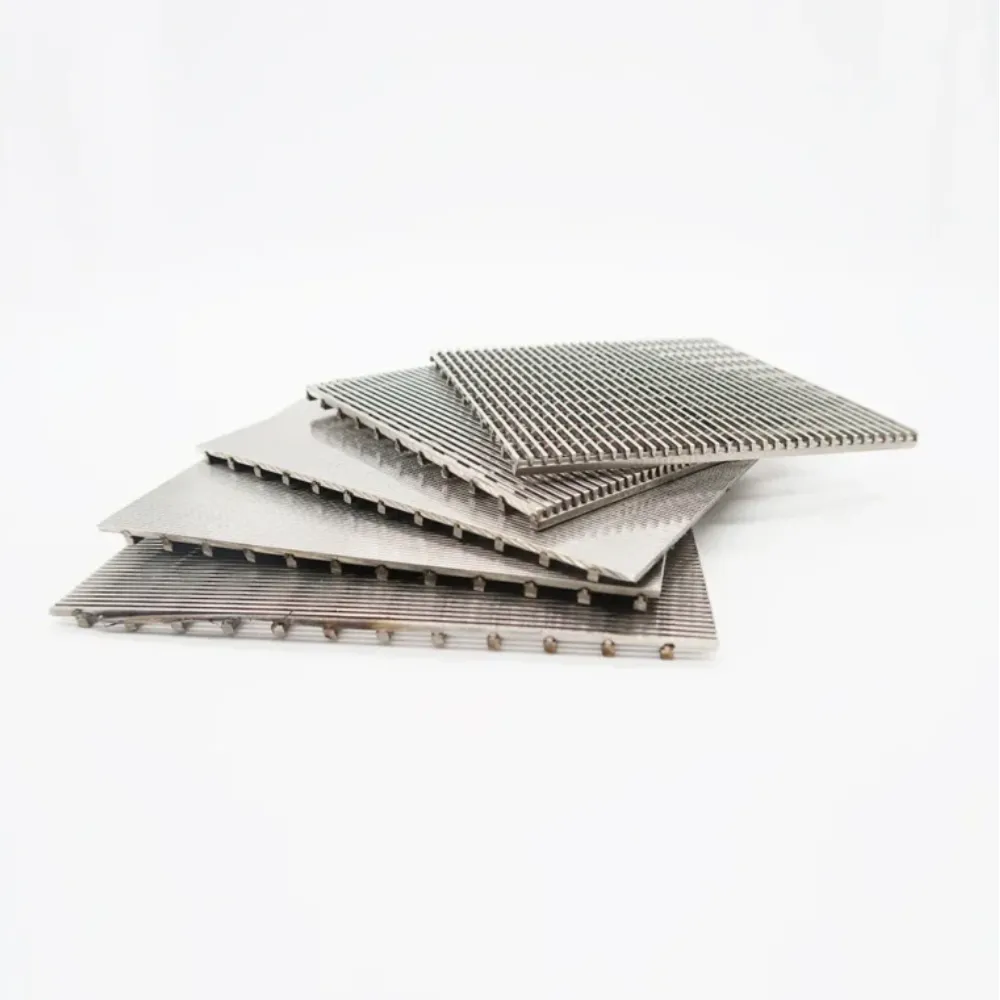
Use fields that support a reviewable decision
The table below is an original planning aid. It is not a completed report, a certificate, or a design standard. Fill the fields using the agreed order requirements and the evidence actually produced.
| Record field | What to identify |
|---|---|
| Order and item | Order reference, screen identity, quantity or sample scope |
| Drawing | Number, revision, and applicable specification |
| Characteristic | Feature or location being checked |
| Criterion | Required value, limit, or agreed acceptance rule |
| Method | Procedure and relevant instrument reference |
| Coverage | Locations, regions, items, or sampling basis |
| Result | Reading or observation with units where applicable |
| Evidence | Related file, image, material record, or test reference |
| Status | Meets requirement, difference for review, or unresolved |
| Review | Inspector, reviewer, date, and authorized decision |
For wedge wire screen inspection, link the table to the relevant drawing or location map. Keep attachments identifiable. A file called final report is not enough if several revisions or screens are being reviewed.
Separate geometry, fit, and process approval
A slot or dimensional check reports specified geometry. Material records address their stated material scope. A fit review and a process trial answer further questions under their own defined conditions.
Don’t merge those decisions into one unsupported claim that the screen is approved for all service. Wedge wire screen inspection should identify what has been checked and what remains outside the review. A geometric open-area calculation, for example, does not establish capacity by itself.
If the project needs load, pressure, rotating-service, or application evidence, define that requirement before the order. Ask who will provide and review it. This article does not assign a universal test to those duties.
Keep the evidence status clear
In wedge wire screen inspection, a blank result is not a pass. Label whether a check is complete, not performed, outside the agreed scope, or waiting for review. Explain any missing record that the order requires. This helps the receiving team distinguish a valid exclusion from an unfinished task.
If a report is corrected, keep the revision and the reason for the change. Link it to the earlier record so the reviewer can follow what was updated. Don’t silently replace a finding with a different result.
Review the report before release
Before closing wedge wire screen inspection, check that the result belongs to the supplied item and current requirements. Confirm that references and attachments can be found. Keep unanswered questions visible rather than allowing a completed form to hide missing evidence.
Ask the reviewer to distinguish an inspection finding from a release decision. A report may contain valid results while a project question remains open. The authorized decision should state the scope it covers.
Handle differences and receiving decisions
Record the discrepancy and required review
In wedge wire screen inspection, describe a difference using the feature, location, result, and requirement involved. Preserve the supporting evidence. Ask for review under the project’s agreed process rather than changing the acceptance rule to match the part.
Illustrative scenario: One reported slot location falls outside the stated limit. The team checks that the method, location, and criterion are correctly identified, then refers the finding for an authorized decision. It does not discard the reading merely because other locations passed.
For wedge wire screen inspection, a recheck should have a documented purpose and scope. Keep the earlier finding linked to the follow-up. New readings should clarify the issue, not erase its history.
Close with an authorized disposition
The responsible party may decide on further review, rework, replacement, or another permitted disposition. Record the actual authorized decision and its conditions. Don’t assume that every difference has the same remedy.
If a repair or change is proposed, agree the required approval and follow-up evidence. Do not treat unapproved grinding or welding as an inspection activity. Keep the changed condition and any required reinspection connected to the item record.
Close wedge wire screen inspection findings only when the required action and review are complete. If something remains open, state who owns it and what is needed next. A shipment date should not silently become the acceptance criterion.
Connect receiving records to the inquiry
At receipt, check identity, quantity, and the packing or handling requirements in the agreed scope. Record visible damage or missing documentation through the project process. Keep receiving observations distinct from unperformed specialist tests.
Our screen product overview is a starting point for the supply discussion. The order and approved records define the actual inspection and documentation scope for the selected item.
Inspection FAQ and inquiry next step
Is there one standard slot tolerance?
Don’t assume a single value applies to every screen. Use the applicable project requirement and agreed acceptance basis. Identify any governing standard and its scope rather than copying an unexplained catalog table.
Does a material certificate approve the finished screen?
Not by itself. Check which components and batch the document covers. Dimensions, construction, fit, and process approval remain separate questions with their own evidence requirements.
Is visual weld inspection enough?
That depends on the agreed requirements. Visual review does not automatically replace specified specialist testing. Confirm the method, scope, criterion, and qualified responsibility needed for the actual order.
What should a receiving report include?
Identify the item, order, drawing revision, scope, results, evidence, and open findings. Record the responsible reviewer and authorized decision. A checklist should not imply that checks outside its scope were completed.
Prepare the inspection discussion
Ready to plan wedge wire screen inspection? Send the drawing, required checks, and documentation needs. Mark what is required, what may be proposed, and what remains open so the scope can be confirmed for the order.