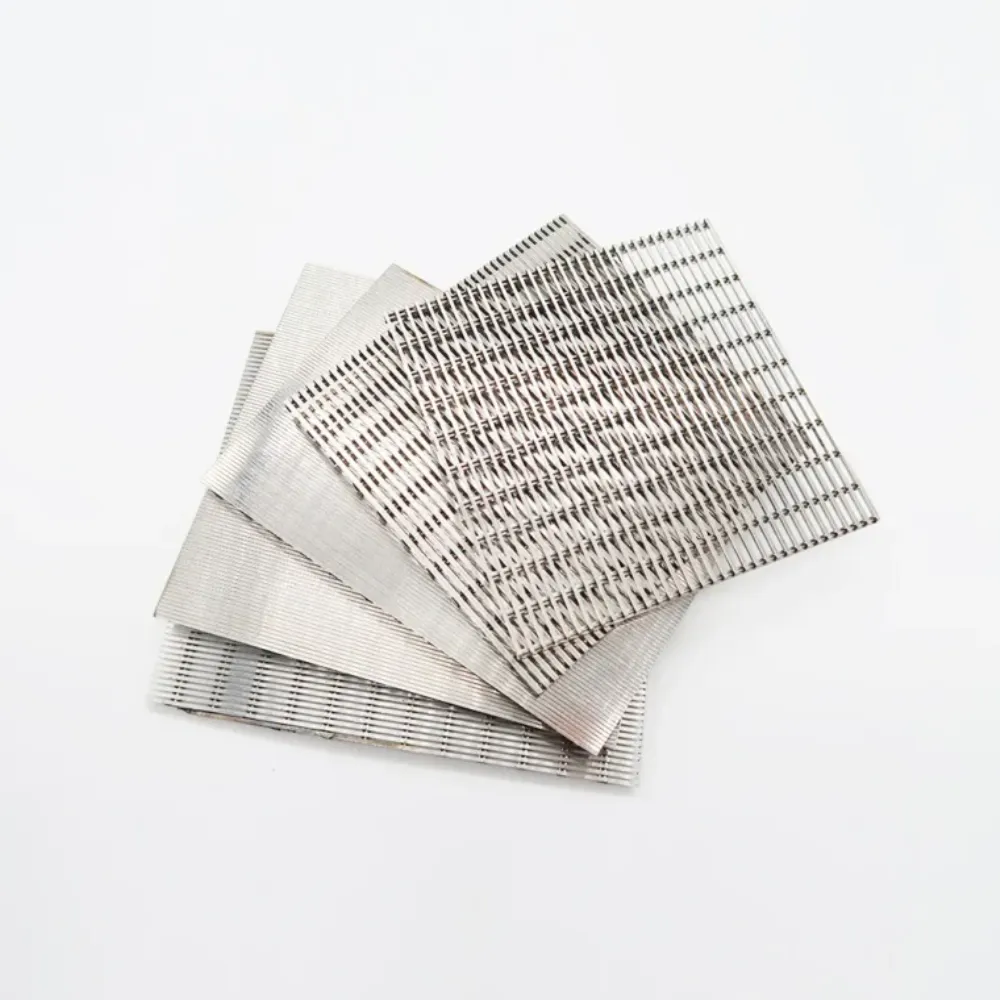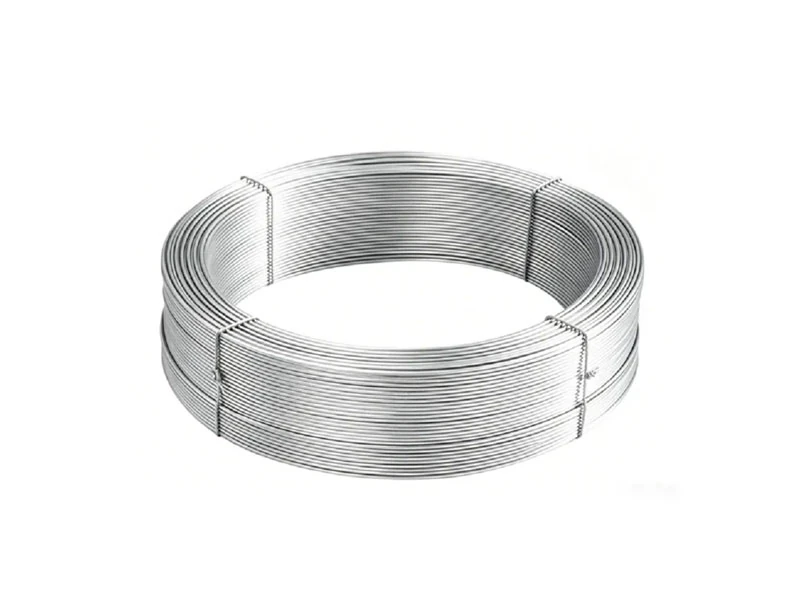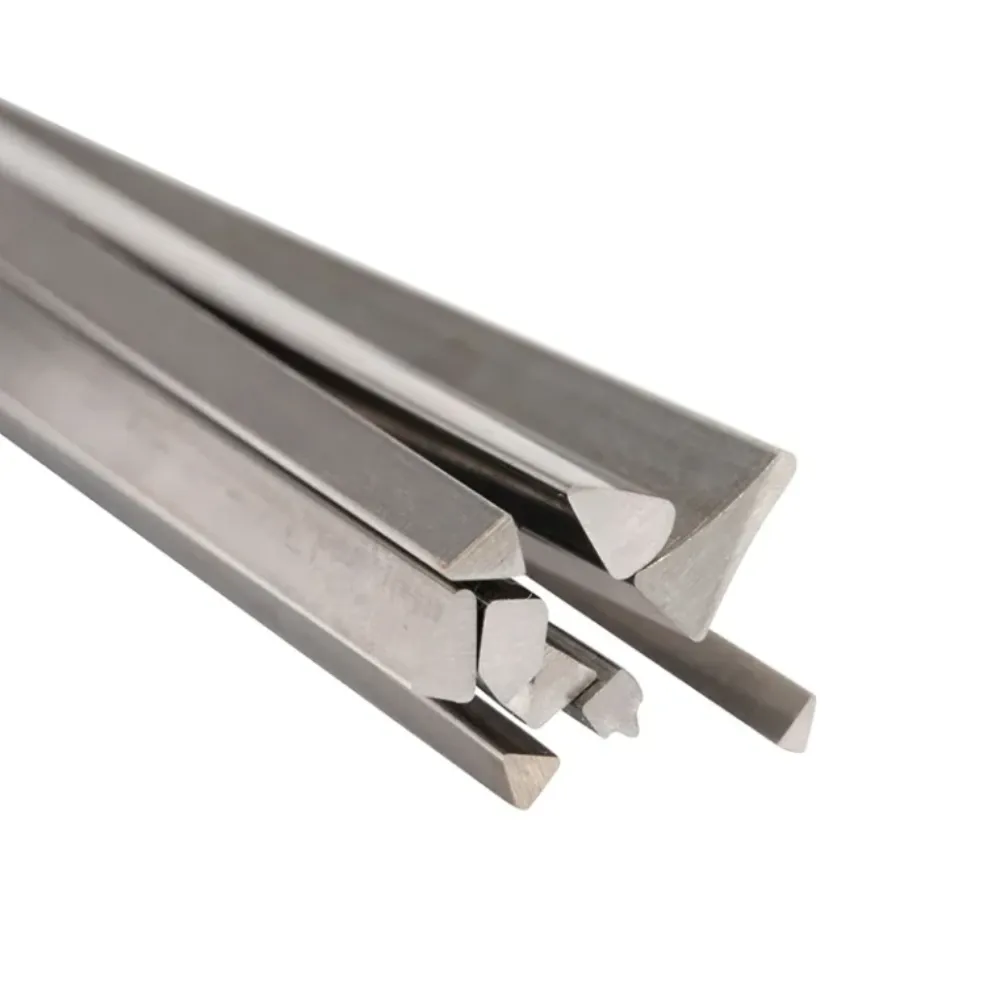
Wedge wire screens use profiled wires and supports to form continuous-slot screening surfaces. Choose a screen by its duty, form, slots, flow, material, mounting, and acceptance requirements. A slot value alone does not specify the finished assembly.
Two quotations can show the same slot opening and still describe different products. One might include a frame and mounting features. Another might cover only the screening element, leaving the equipment owner to resolve how it fits and works in the installation.
If you are comparing wedge wire screens, start by making those boundaries clear. This guide follows the selection path from process requirements to screen form, drawing inputs, and approval records. It helps you prepare a comparable inquiry while identifying the decisions that need the equipment designer, supplier, or process owner.
Key takeaways
- Define the separation task and operating conditions before choosing a screen form.
- Keep screen material, fabricated elements, and complete equipment as separate supply scopes.
- Specify slot, direction, supports, and interfaces together; geometry alone does not establish capacity.
- Agree on the evidence needed for dimensions, material, fit, and process approval before ordering.
What wedge wire screens are and what you are buying
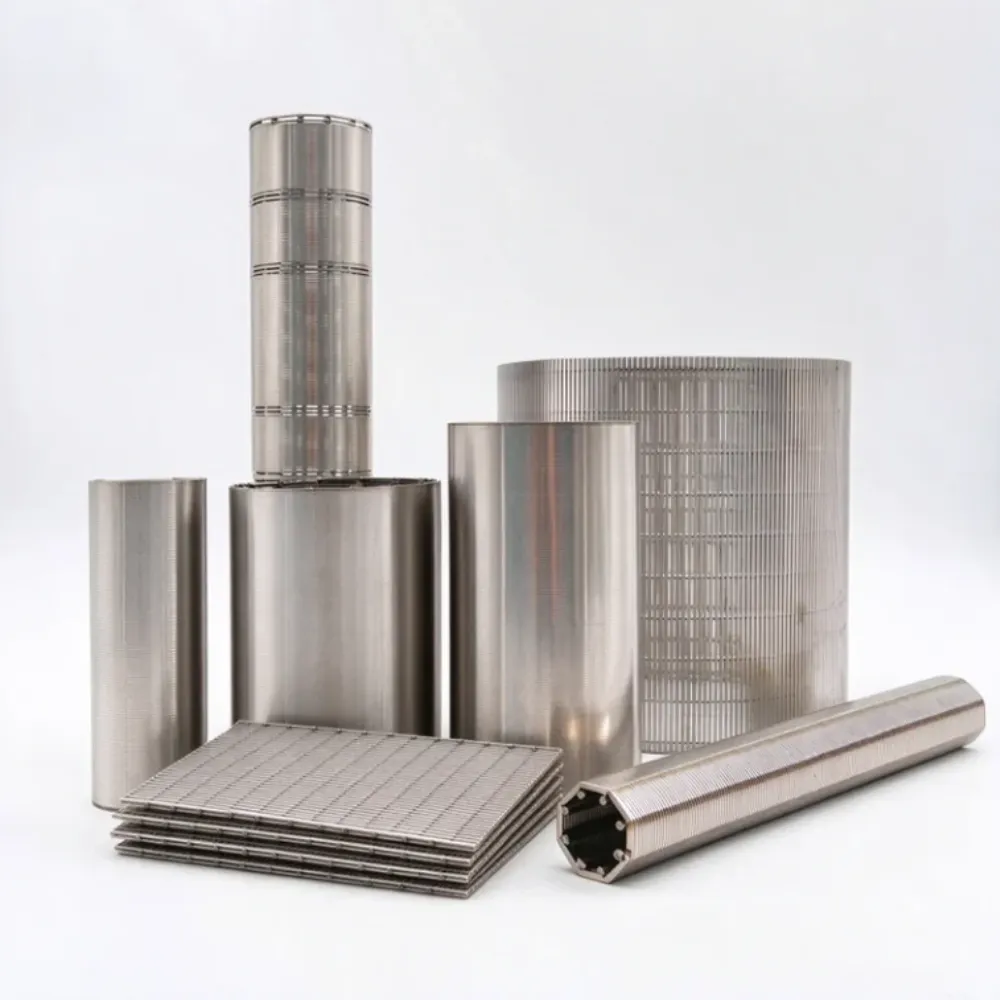
Profile wires, supports, and continuous slots
A common welded construction joins profiled working wires to supporting members. The gaps between adjacent working wires form the slots at the screening surface. The wire profile, slot, support layout, and finished assembly each need their own description.
Hendrick’s wedge wire screen overview describes flat, curved, and cylindrical forms and notes that cylindrical arrangements can serve different flow directions. This is useful context for selection. It does not mean one construction or flow rule applies to every screen supplied by every manufacturer.
For wedge wire screens, identify the working face on the drawing rather than relying on the product name. Show which surface meets the feed or retained material. Then identify the supports and the connections that place the screen in the equipment.
Keep the section description specific enough for review. A photograph may help identify a general form, but it rarely defines every hidden support, edge, or connection. When specifying wedge wire screens, use the image as a starting point. Resolve the missing details with an agreed drawing.
Raw material, fabricated screen, or complete equipment
Ask what the supplier is quoting. Raw profiled wire, a screening surface, a framed panel, and a complete machine are different purchase scopes. A discussion about wedge wire screens can involve any of these supply scopes.
Our wedge wire screen options provide a product starting point for the inquiry. Identify the form you need, then state which dimensions, supports, frames, connections, and documents belong in the quotation. Keep any equipment supplied by another party visible in the project record.
Preparing a new project? Send your screen drawing and process requirements to Tianjin Jingzhou Metal. Mark the fixed requirements and the open questions so the discussion can address the actual supply scope.
When buying wedge wire screens, also identify who owns the mating design. Is the supplier working to an approved equipment drawing, reviewing a proposed replacement, or helping resolve an incomplete specification? Each case needs its own questions before a quote becomes an instruction to make the screen.
Keep construction claims within their scope
A description of V-shaped wire explains geometry, not every possible operating result. Do not turn the profile name into a promise of a clog-free installation, a particular pressure rating, or a fixed service life. Those claims need conditions and appropriate evidence.
For wedge wire screens, separate the intended construction from the result the process must achieve. Record both in the inquiry. The supplier and equipment owner can then identify which parts are confirmed by a drawing, which need a design review, and which need an application trial.
Start with the separation duty and operating conditions
Define what must be retained and what may pass
Begin with the separation task. Describe the feed, the material to retain, the material allowed to pass, and the process result that matters. Provide relevant particle or feed data where it exists, and mark missing information as an open item.
For wedge wire screens, a target particle size is only part of that description. Tell the reviewer what the data represents and how it was obtained. Do not turn an incomplete particle label into a precise limit that nobody has agreed to check.
Ask the process owner what will show that the wedge wire screens meet the task. It may involve an agreed separation result, a condition in the equipment, or another defined process requirement. Keep that outcome separate from the screen’s nominal dimensions.
Do not use a universal rule that makes the slot a fixed percentage smaller than the target particle. A proposed slot selection needs an application basis and a clear review decision. When the result is critical, agree on the required validation before using the value in an order.
Describe flow, load, and the equipment boundary
Give the equipment designer the relevant operating information. Identify how the feed reaches the screen, where material goes after separation, and which conditions the assembly must withstand. State any requirements imposed by the original equipment manufacturer, or OEM.
In a wedge wire screens inquiry, distinguish required conditions from supplier proposals. If the equipment duty is fixed, say so. If the supplier may suggest a form or arrangement, explain which constraints cannot change and who can approve the proposal.
List normal operating conditions and any other design conditions in the project documents. Ask the responsible engineer which conditions govern the review. Do not infer a finished assembly’s rating from a general statement about wire strength or material grade.
Also explain the installation boundary. The supplier of wedge wire screens may need equipment details about supports, seals, housing, or connections. List who will provide it so an unresolved interface does not remain hidden inside a broad request for a custom screen.
Select material and supplied surface from the actual duty
Ulbrich’s wedge wire guide discusses material, temper, and surface requirements as application-dependent inputs. Use that principle when preparing the screen requirement. Do not copy another manufacturer’s alloy range or process claims into your own purchase specification.
For wedge wire screens, provide the medium, relevant temperature and cleaning conditions, and any applicable customer requirements. Ask the responsible materials specialist to confirm the proposal where needed. A familiar stainless steel grade is not a complete corrosion, hygiene, or compliance approval.
State which components the material requirement covers: working wires, supports, frame, and other supplied parts. Define any required surface condition or preparation separately. If the supplier proposes an alternative, record the approval before treating it as the production specification.
Choose the form of wedge wire screens for the equipment
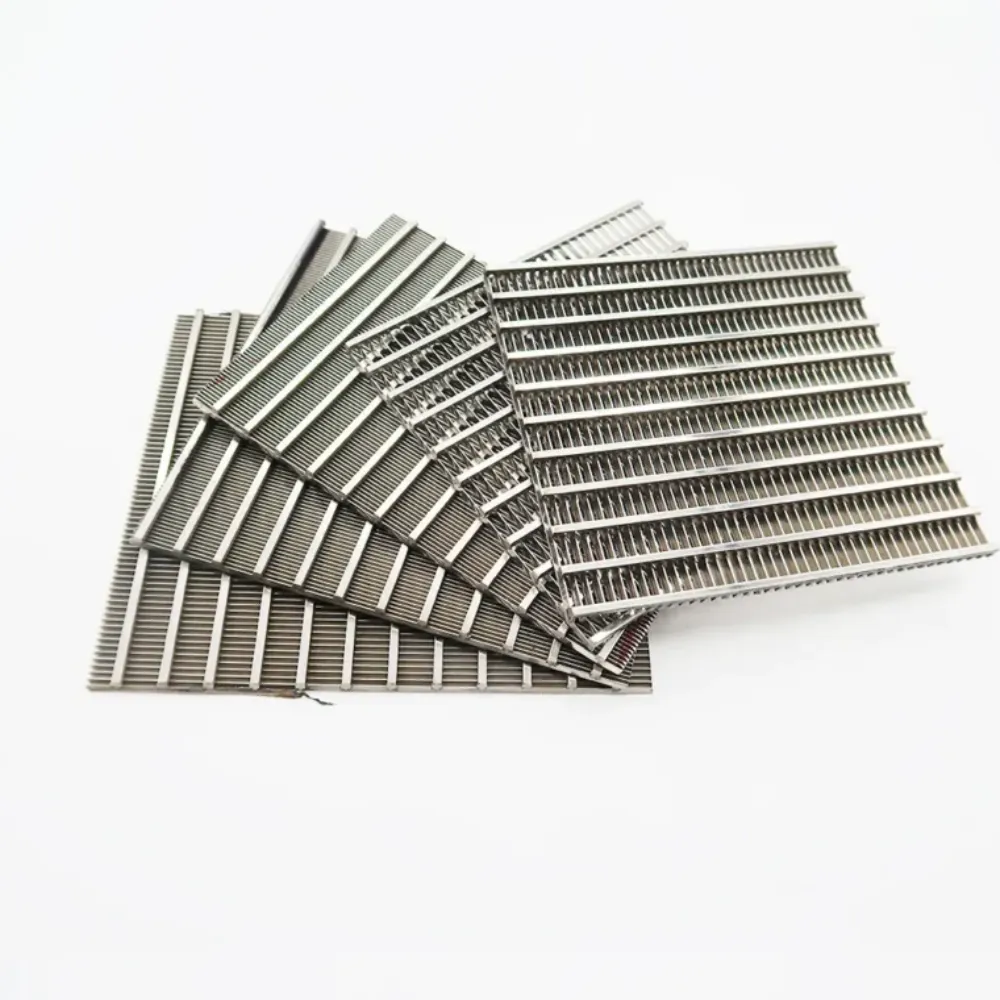
Flat panels and framed screening surfaces
Flat panels are an option to evaluate when the equipment needs a flat screening surface. Start with the overall dimensions, active screening area, frame, support layout, and mounting references. Confirm whether the quote covers the surface alone or the full agreed assembly.
Our flat panel fit and support guide is the more detailed next step for this form. Use the current product and drawing review to confirm the actual requirements. A broad guide does not replace the approved installation details.
Illustrative scenario: A buyer requests wedge wire screens to match an existing rectangular opening. The supplier asks whether the dimensions describe the opening, the screening surface, or the outside of a frame. The buyer brings the equipment drawing into the review so both parties can compare the same boundaries.
The useful step is defining the interface, not assuming that an outline match proves suitability. Keep the seating, fixings, and working face with the panel reference. Any remaining fit or process questions should remain open until the relevant owner reviews them.
Curved sieve bends and DSM screens
A curved screen inquiry needs more than a slot and an arc-shaped photograph. Describe the screen’s position in the equipment, feed arrangement, curvature, interfaces, and required direction references. Ask which existing drawing or equipment information should govern the proposal.
For wedge wire screens in a sieve bend arrangement, keep the equipment duty visible during selection. Do not assume that a curved surface always provides more capacity than a flat panel of the same area. Any performance comparison needs the relevant operating conditions and evidence.
Use our sieve bend selection guide to identify the more specific questions for that form. Keep DSM and sieve bend terminology tied to the actual product and installation. Avoid creating separate requirements merely because different teams use different names.
Baskets, cylinders, and drums
Start by asking what the screen does in the equipment. Is it a removable filtering element, a screening surface in a rotating assembly, or another drawing-defined component? Do not infer every operating feature from the words basket, cylinder, or drum.
For basket-shaped wedge wire screens, identify the mounting, sealing, removal, and cleaning details that matter to the equipment. Our screen basket selection guide provides a more specific inquiry path. Keep a supplied screen element distinct from any housing or mechanism around it.
For cylindrical or drum-shaped wedge wire screens, describe the working face, flow arrangement, ends, connections, and any required support features. If the equipment rotates, state that duty explicitly. Ask the supplier which parts of the assembly are included rather than assuming that a screen quotation includes the drive or cleaning system.
Where the original screen is being replaced, identify its part reference and drawing revision. Provide usable equipment information alongside measurements of the old item. A worn component is evidence about the existing installation, but it is not automatically the complete specification for a new part.
Use a form-selection matrix to guide the next review
The following matrix frames questions; it does not rank wedge wire screens or guarantee a suitable form. Use it to identify which information needs to accompany the inquiry.
| Required arrangement | Form to evaluate | Information still needed |
|---|---|---|
| Flat screening surface | Flat or framed panel | Active area, overall size, seating, supports, and fixing details |
| Curved surface in a defined feed arrangement | Sieve bend or DSM screen | Feed references, curvature, orientation, and equipment interfaces |
| Removable filtering element | Basket or specified insert | Fit, connections, sealing, handling, and cleaning access |
| Cylindrical screening surface | Drawing-defined cylinder | Working face, flow, end details, and mounting |
| Screen in rotating equipment | Specified drum assembly or element | Equipment duty, structural interfaces, and supply boundaries |
Once a form is proposed, return to the process and interface requirements. Record why the proposed wedge wire screens are being reviewed and what evidence is still needed. A form name is a useful starting label, not an approval decision.
Define slots, direction, and support requirements
Keep nominal slot and acceptance limits separate
For wedge wire screens, specify the nominal slot together with the agreed limits and checking conditions. Ask how the supplier will identify the relevant measurement locations and report the results. Put these requirements with the controlled drawing.
A catalog’s smallest slot does not establish an absolute filtration rating for the assembled screen. Keep the geometric requirement separate from the process result. If the order needs evidence of separation performance, state how that evidence will be obtained and assessed.
Before comparing quotations, check that they use the same slot requirement and acceptance basis. One supplier’s general product range is not a substitute for an agreed project limit. If a proposed tolerance differs, show the difference as a technical question rather than hiding it in a specification table.
Show three direction references clearly
On the drawing, distinguish flow through the screening surface, flow along the surface where relevant, and the lengthwise direction of the slots. Identify the working face and the view used for the illustration. A single arrow labeled “flow” may leave these relationships unclear.
This matters when comparing wedge wire screens that look similar in photographs. A cylindrical arrangement may need a different description from a flat or curved surface. Ask the supplier and equipment owner to agree on the references for the actual construction.
Use a section or installation view where it helps resolve the question. Label the drawing as a proposal until approved, and retain the revision after any direction change. Do not treat a generic diagram from another product as the final orientation instruction for your assembly.
Define what an open-area figure includes
Ask what the stated open area describes. Is it a ratio for a repeating surface pattern, an active screening region, or the complete framed assembly? State how frames, supporting members, and other excluded areas are treated in the figure.
When discussing wedge wire screens, keep geometric open area distinct from operating capacity. A geometric value does not by itself determine flow rate, pressure loss, or the separation result. Those questions need the process information and an appropriate design or application review.
If quotes for wedge wire screens list different percentages, first compare their definitions and reference areas. Do not assume the higher number represents a better screen for the duty. Ask what changes in the proposed geometry and whether the process and structural requirements remain satisfied.
Review supports, frames, and mating interfaces together
Support layout is part of the screen requirement. Identify where the screen rests, how the assembly is held, and which dimensions control its relationship with the equipment. The designer needs the relevant load and service information to review the proposal.
For wedge wire screens, a working-wire dimension alone is not a complete structural description. Ask about the support arrangement, frame, connections, and applicable design basis. Keep any required assembly rating tied to evidence that covers that assembly and its conditions.
Illustrative scenario: Two proposed screens share the same nominal slot and outside dimensions. Their working faces and support locations differ. The buyer asks the equipment owner to review those details before choosing, rather than accepting the screens as interchangeable from the slot value alone.
Record any accepted interface or support change in the drawing. A verbal agreement about “equivalent construction” can leave the checking team without a clear reference. The order should identify what was agreed and which checks will confirm it.
Compare screen media and plan for operation
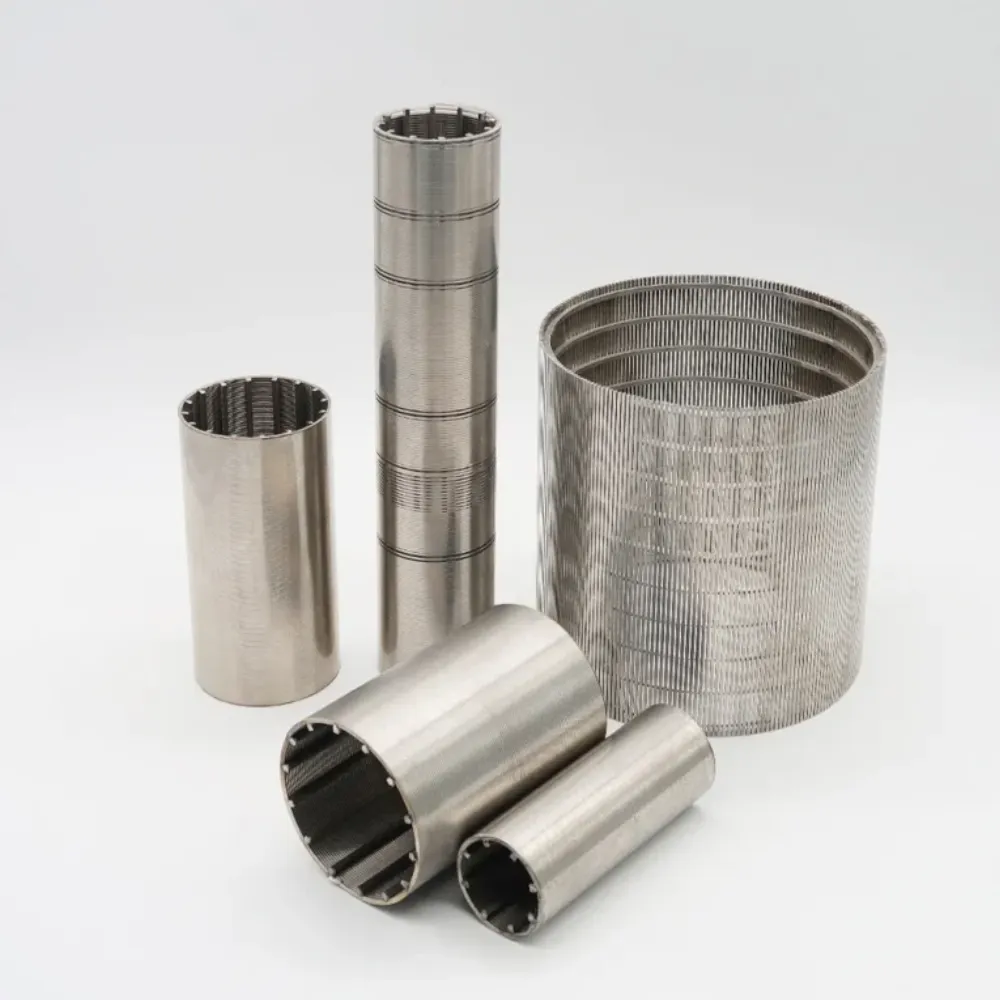
Compare alternatives against the same duty
Woven mesh, perforated plate, and wedge wire screens should be compared against the task and installation requirements. Describe the required opening characteristics, support arrangement, cleaning approach, fit, and acceptance evidence for each candidate. Use the same process constraints when reviewing the alternatives.
Do not rank the media by one broad claim such as strength, cost, or open area. If the project needs a measured comparison, define the relevant conditions and obtain suitable evidence. A lower initial material price or a different opening pattern cannot settle the whole decision.
Keep the supply scope for wedge wire screens comparable as well. A quotation for an unsupported media surface differs from one for a fabricated assembly. List any later processing, installation parts, or validation work before comparing the proposed routes.
Define cleaning and maintenance responsibilities
When selecting wedge wire screens, ask how the equipment will be inspected and maintained. Identify the relevant OEM instructions and the party responsible for approving the procedure. Check that cleaning conditions suit the actual assembly and operating requirements.
Avoid treating the profile as permission to use a generic cleaning chemical, pressure, tool, or interval. Those details need an approved basis. If a supplier recommends a method, record its scope and have the appropriate equipment or process owner review it.
Also consider access. Can the relevant surface and connections be inspected under the equipment’s approved maintenance arrangements? What information should operators record when performance changes? Resolve these questions before assuming that replacement wedge wire screens will be simple to maintain.
Keep replacement information separate from wear observations
For replacement wedge wire screens, collect the original drawing, part reference, and installation details where available. Record the condition of the used item and any observed wear or damage. Distinguish those observations from dimensions intended for the replacement specification.
Ask whether the proposed replacement reproduces an approved design or introduces a change. A new slot, material, support, connection, or surface condition may need another review. Keep the comparison visible so purchasing does not unknowingly release a revised design as an unchanged spare.
Screen guides for specific applications can help identify further questions. They do not replace project requirements, equipment instructions, or any applicable compliance review. Where fish protection, food contact, or another regulated duty matters, obtain the relevant project-specific advice rather than relying on a generic screen description.
Prepare the specification and agree acceptance
Build one clear inquiry package
Bring the requirements for wedge wire screens into one controlled package. Separate fixed inputs from items open to supplier proposals. An incomplete field should be marked as an open question, not filled with a convenient catalog number.
The summary below can start the discussion. It does not replace a design standard or the equipment drawing.
| Requirement group | Information to provide or confirm |
|---|---|
| Task | Feed description, retain/pass targets, and required process result |
| Product scope | Raw screen material, fabricated element, assembly, or other agreed supply |
| Form and geometry | Drawing revision, overall dimensions, active area, and relevant shape details |
| Directions | Working face, through-flow, surface flow, and slot references |
| Interfaces | Supports, mounting, ends, seals, frame, and mating features |
| Material and surface | Component scope, proposed grade, supplied condition, and required documents |
| Acceptance | Checks, methods, sample scope, results, and approval responsibilities |
| Order and delivery | Quantities, item identification, packaging, and timing assumptions |
Keep the supplier’s assumptions with the quotation. If the proposal changes a fixed requirement, route it to the person who can approve that change. A clear record makes the offers easier to compare without suggesting that every item has already passed review.
Separate inspection records from application approval
For wedge wire screens, different evidence supports different decisions. Choose the record for the decision you need to make.
| Evidence | Decision it can support |
|---|---|
| Dimensional report | Whether the checked features meet agreed geometric limits |
| Material documents | Whether the supplied material records match the order requirements |
| Surface check | Whether the specified surface conditions meet the agreed criteria |
| Fit review | Whether the checked interfaces fit the installation |
| Process trial | Whether the tested conditions meet the defined application requirement |
Federal Screen’s technical introduction distinguishes screen material from fabricated products and describes the role of supports and configurations. Carry that distinction into acceptance: identify exactly which supplied item and requirements each record covers. Do not let a general screen description stand in for the project’s release criteria.
Set the scope of sample approval
Before ordering a sample, record:
- What the review needs to show.
- The drawing revision and supplied condition.
- The required checks and the person who will decide.
Keep any conditions on approval visible when preparing the production order.
Illustrative scenario: A sample screen fits its mounting arrangement, but the process owner still needs to complete an agreed application review. The record accepts the fit check and leaves the process decision open. It does not describe the whole screen as approved simply because one requirement passed.
If the proposal changes after sampling, ask whether the evidence still applies to the wedge wire screens. List the affected requirements and the review needed before release. The name may stay the same. That does not mean approval still covers a changed assembly.
For wedge wire screens, also agree on delivery identification and the receiving records. The receiving team should be able to match the item to the order, drawing, and agreed checks. Confirm the protection and packaging requirements without assuming that a standard package covers every application.
Confirm the commercial and technical handoff
Ask the supplier to confirm what the quotation includes, the open technical points, and the basis for the proposed timing. Samples, documentation, tooling, and inspection work should have a clear scope where relevant. Don’t assume a universal free-sample policy or lead time.
Keep technical approval and purchasing release connected. A commercial order should reflect the accepted requirements and any conditions still open. If a requirement is still open, name who will close it. State what decision is needed before the next step.
This gives a wedge wire screens inquiry a practical endpoint: both parties can identify the item, the duty, the interfaces, and the evidence required. The purpose is a clear supply discussion, not a promise that a general guide has validated the design.
Wedge wire screens FAQ and the next selection step
What are wedge wire screens?
They are screening surfaces formed from profiled working wires and supports, with slots defined by the construction. They can be supplied in different fabricated forms. Identify whether your inquiry concerns screening material, an element, or an assembly, because those scopes need different dimensions, interfaces, and acceptance records.
How do I choose the slot size?
Start with the separation task and relevant feed information, then agree on a selection and validation basis. Specify nominal slot, tolerance, and checking requirements separately. A fixed percentage reduction from a particle diameter or a supplier’s minimum catalog opening is not a complete application specification.
Does higher open area mean more flow?
Not by itself. First define the reference area and what the figure excludes. Then review the actual process, screen geometry, and equipment conditions. A geometric percentage alone does not establish throughput, pressure loss, or separation performance, so keep those requirements tied to appropriate design or application evidence.
What is the difference between a panel, basket, and drum?
The names describe general forms, but the equipment role and supply scope still need confirmation. For wedge wire screens, ask how the item mounts, which surface works, how flow is arranged, and whether a rotating assembly is involved. Use the drawing to define the product rather than relying on the name alone.
What should I send for a quotation?
Send the drawing revision, required function, process conditions, form, dimensions, and interfaces. Include slot and direction requirements, material and surface needs, quantities, and acceptance expectations. Mark what is fixed and what needs a supplier proposal so the quotation can address the same scope your team intends to buy.
Prepare the next selection decision
Start with the duty and the equipment boundary. Then confirm the screen form, slot and direction references, supports, material, and required approval evidence. Keep open questions visible rather than hiding them behind a generic product name or a single dimension.
To discuss wedge wire screens for your application, share your screen drawing and operating requirements with Tianjin Jingzhou Metal. Identify the requirements already fixed and the questions that need supplier, designer, or process-owner confirmation before quotation and release.